The History of Japanese Missions Found in Kyoto
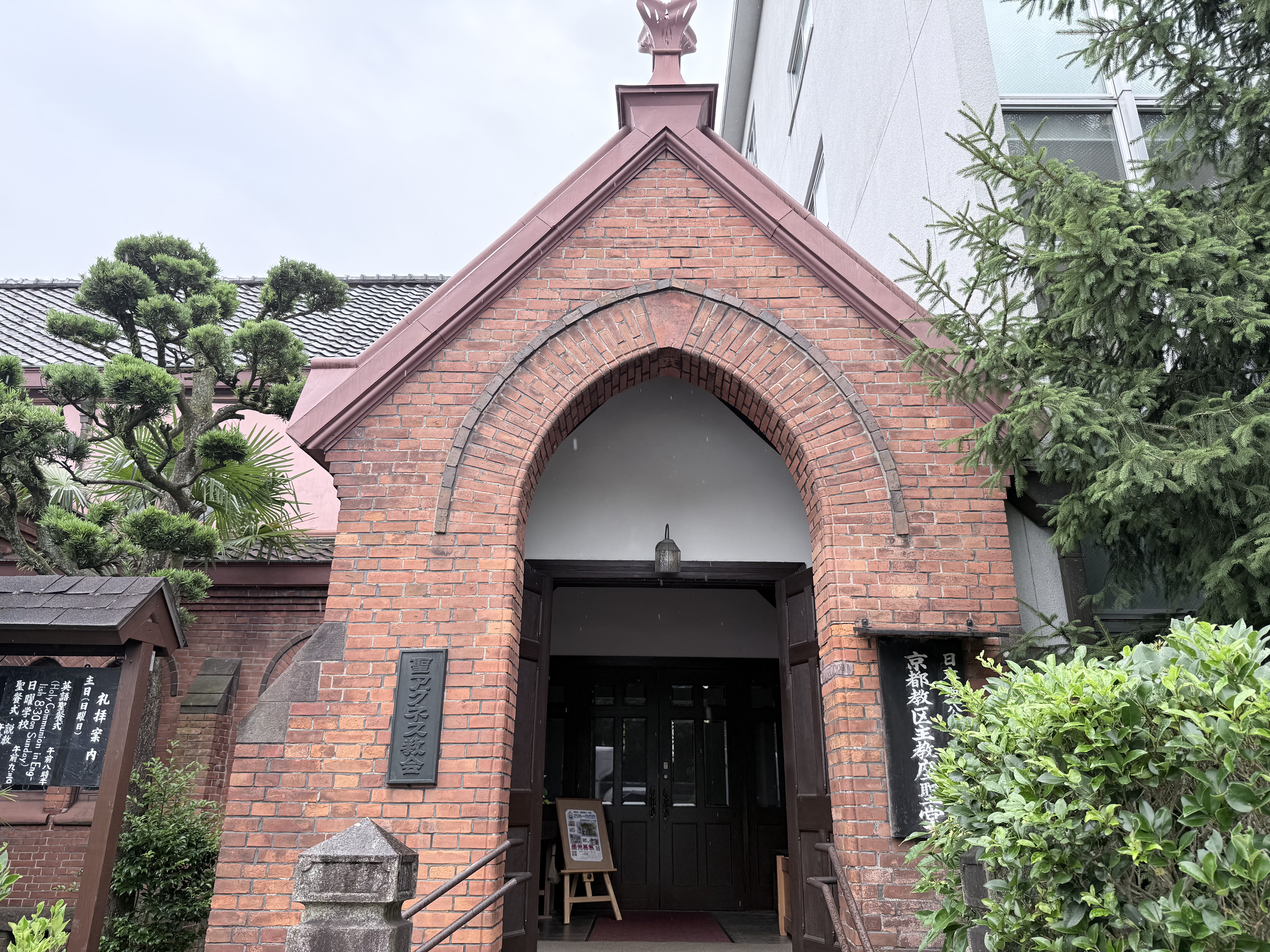
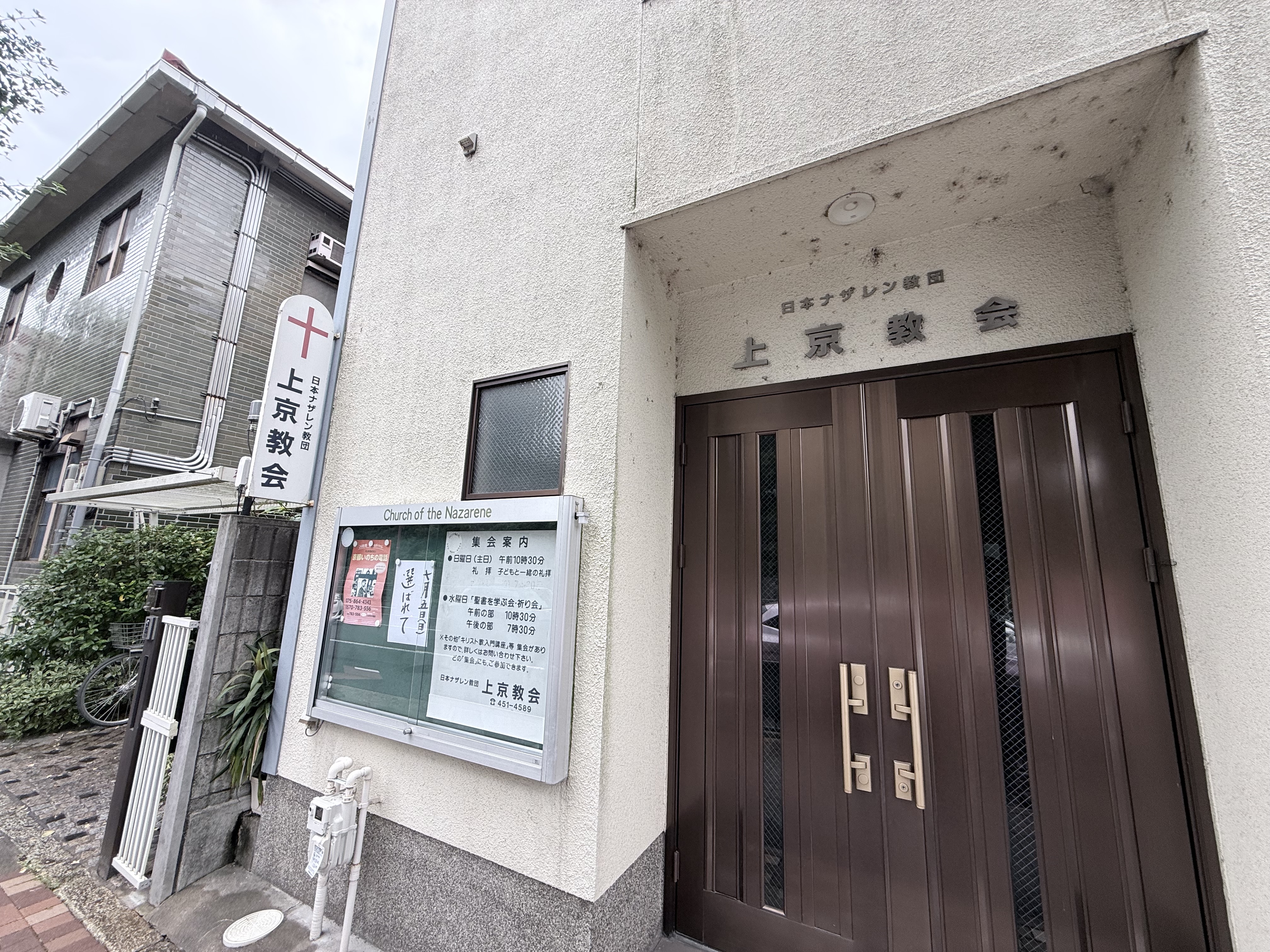
Kyoto draws travelers for its temples, its centuries-old shops, and its quiet tea houses. Most visitors come looking for the traditional Japan of woodblock prints and stone gardens. But Kyoto holds a significance that extends well beyond its postcard image: it occupies an important place in the history of Christian missions in Japan. Travel through most Japanese cities and church buildings are genuinely hard to find. Kyoto is the exception. The reason becomes clear once one encounters the two sites this edition of step.log sets out to introduce: Doshisha University (同志社大学) and the Former Residence of Niijima Jo (新島旧邸).
Doshisha University Is a Cradle of Christian Leadership in Japan
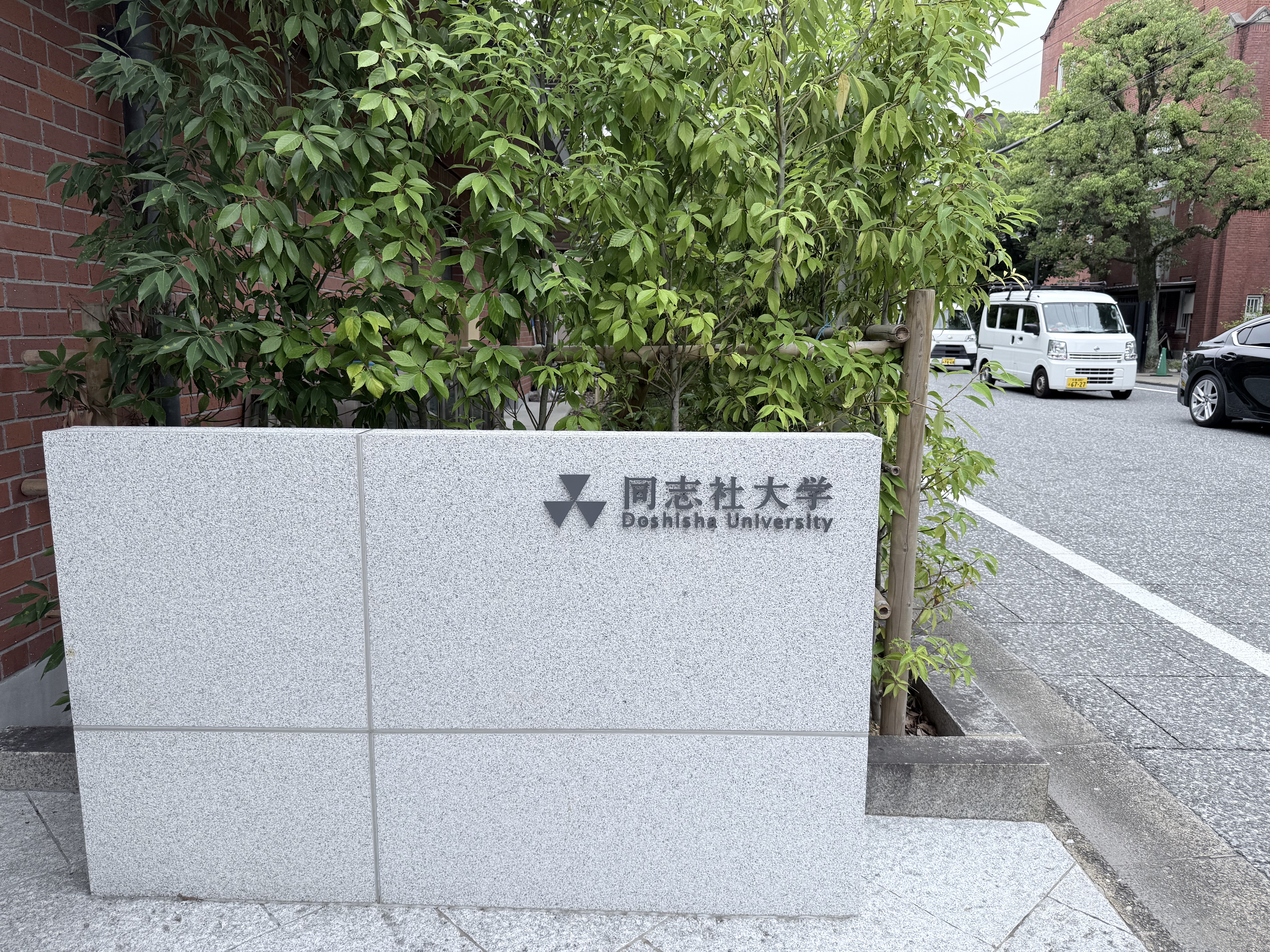
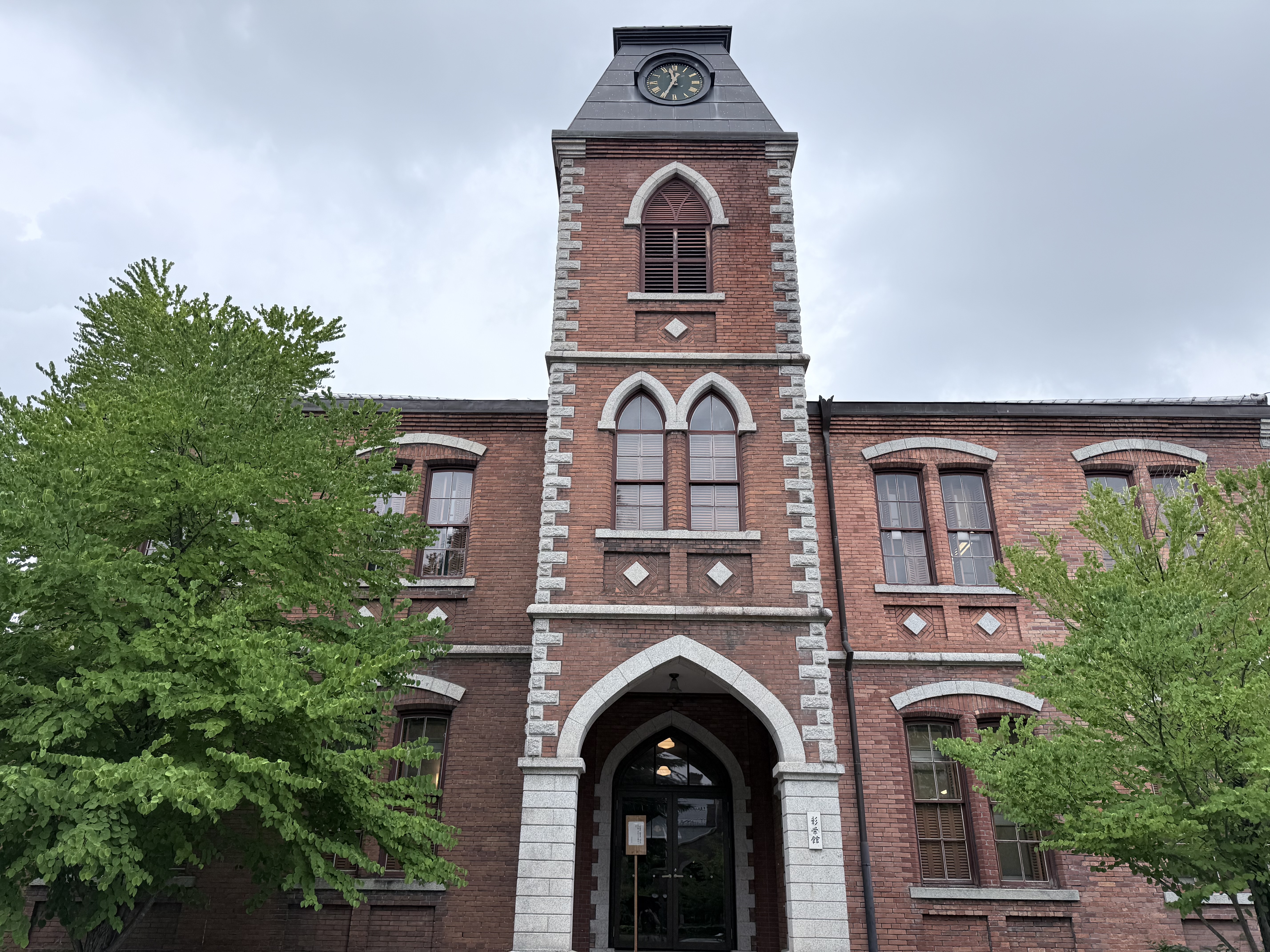
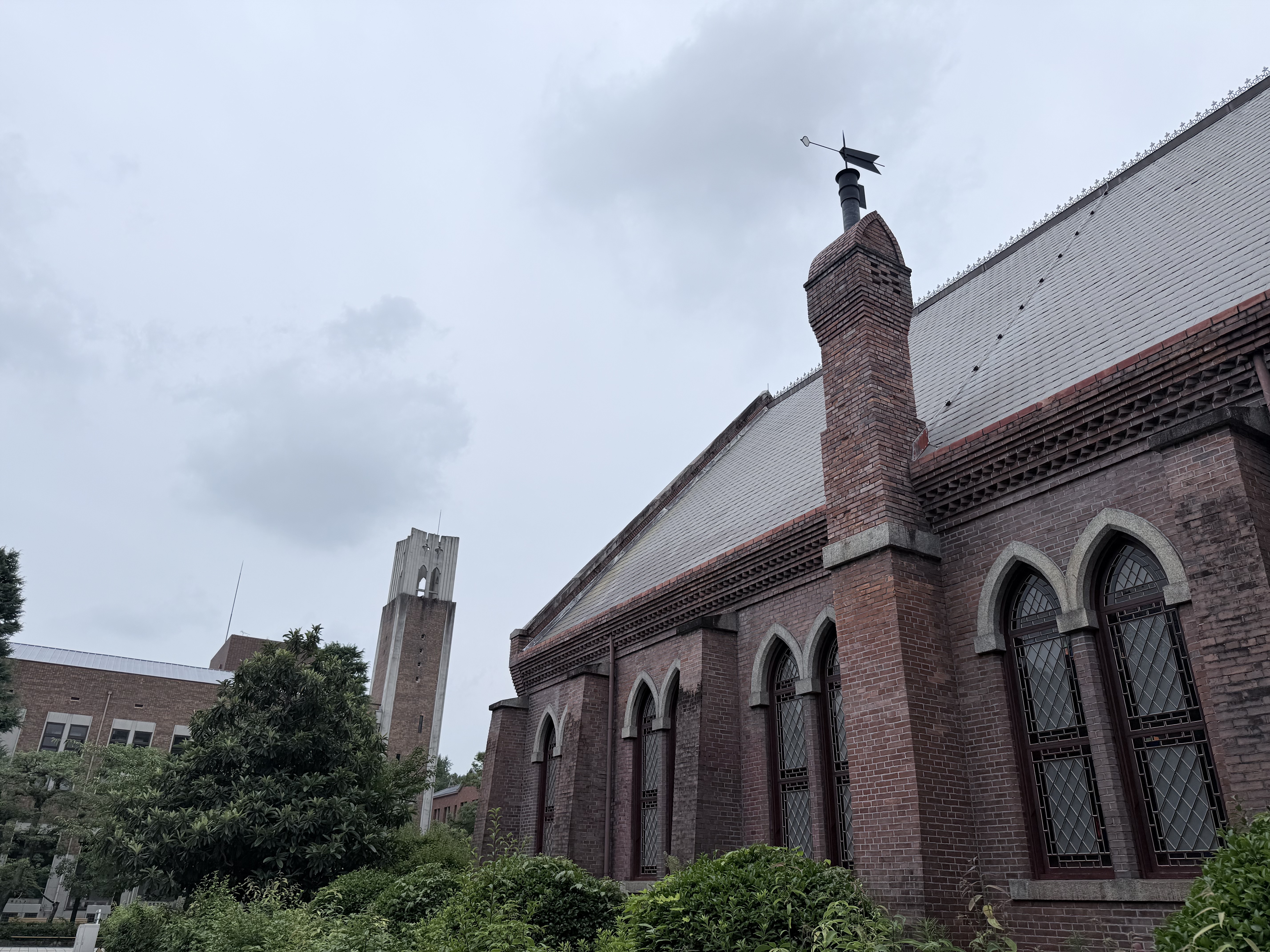
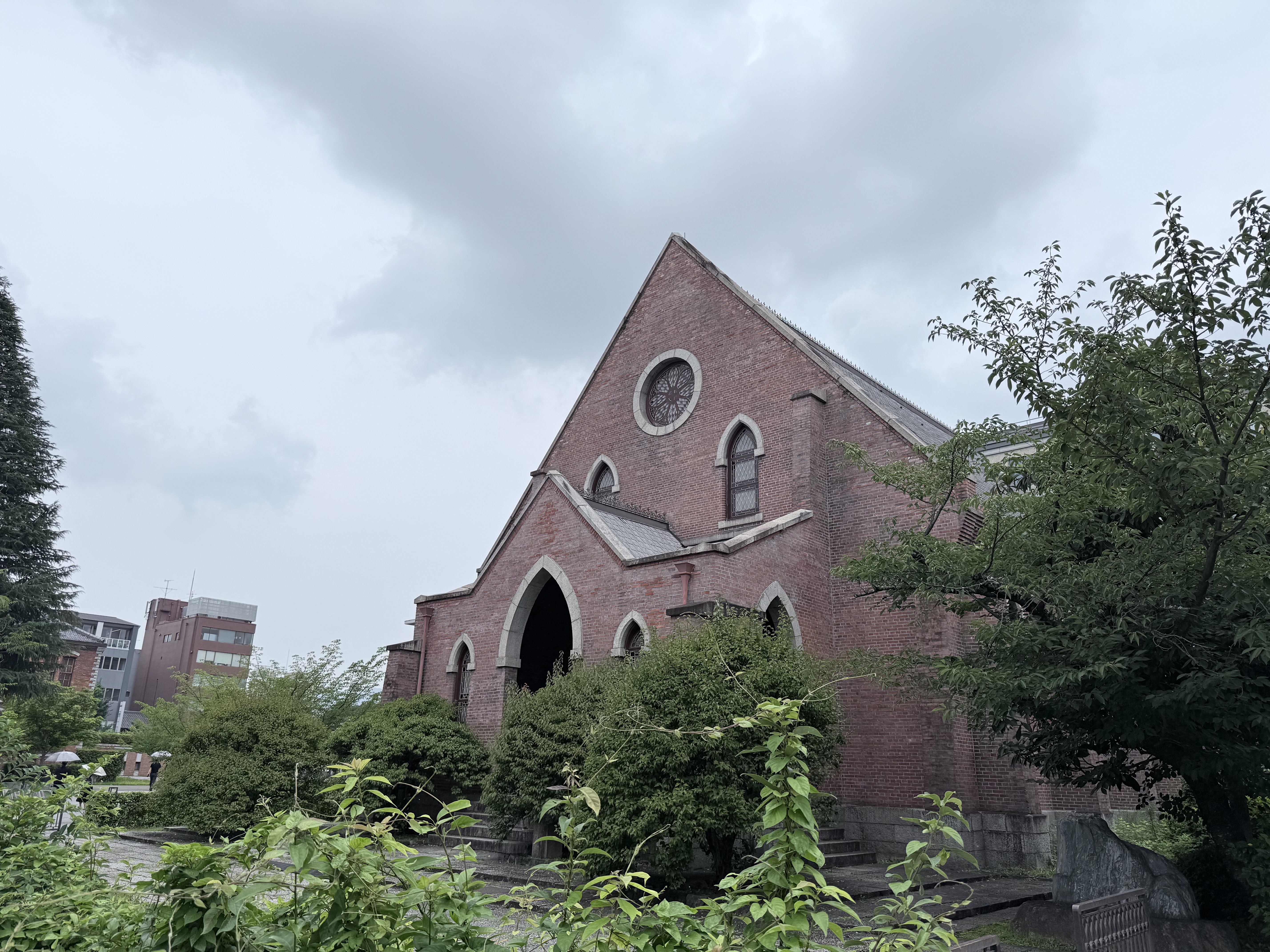
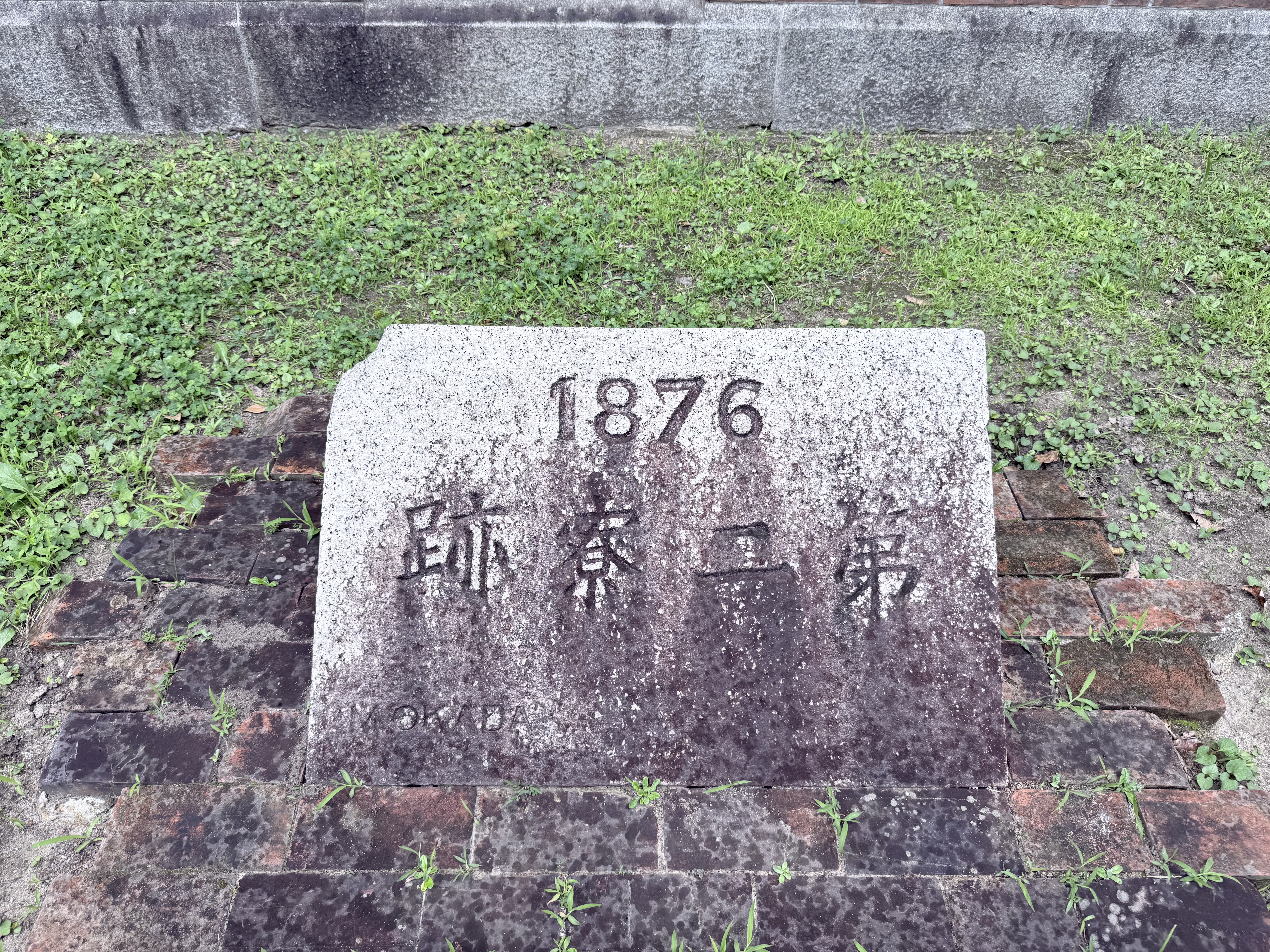
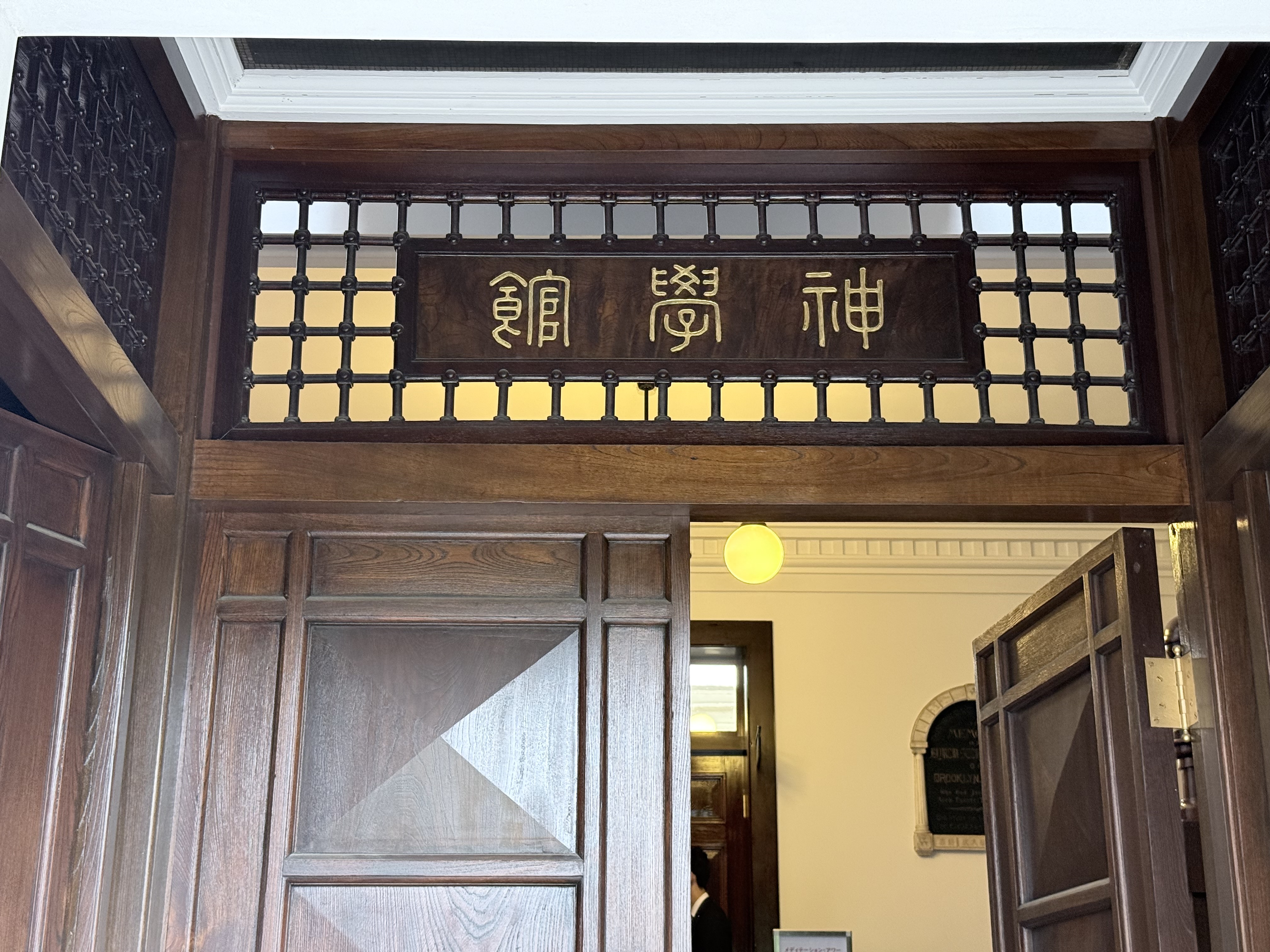
The pattern of missions history is a familiar one. The gospel first arrives through foreign missionaries. For that gospel to take root and spread, the most essential task becomes raising up a generation who has been trained in the faith and formed by a Christian worldview—leaders equipped to transform their own nation from within. Missionaries have long understood this, planting schools alongside churches and training both laypeople and ministers for the work ahead. Japan's mission history follows the same pattern, and nowhere is that history more visible than at Doshisha University, a cradle of Christian leadership in Japan.
Doshisha was founded by a man named Niijima Jo, working in partnership with missionaries of the American Board of Commissioners for Foreign Missions (ABCFM). In 1864, Niijima left Japan by stowing away from Hakodate and made his way to the United States, where he studied at Phillips Academy, Amherst College, and Andover Theological Seminary. Through this course of study, he became the first Japanese national to earn a bachelor's degree from a Western university. He returned to Japan in 1874 and, with the backing of ABCFM missionaries—among them J. D. Davis, one of the school's principal founding figures—opened the Doshisha English School in Kyoto on November 29, 1875. On December 3, 1876, Niijima and the ABCFM missionaries also formed a congregation together. That fellowship continued to worship at Niijima's residence after it was completed in 1878, and upon the completion of the campus chapel in 1886, it was formally established as Doshisha Church.
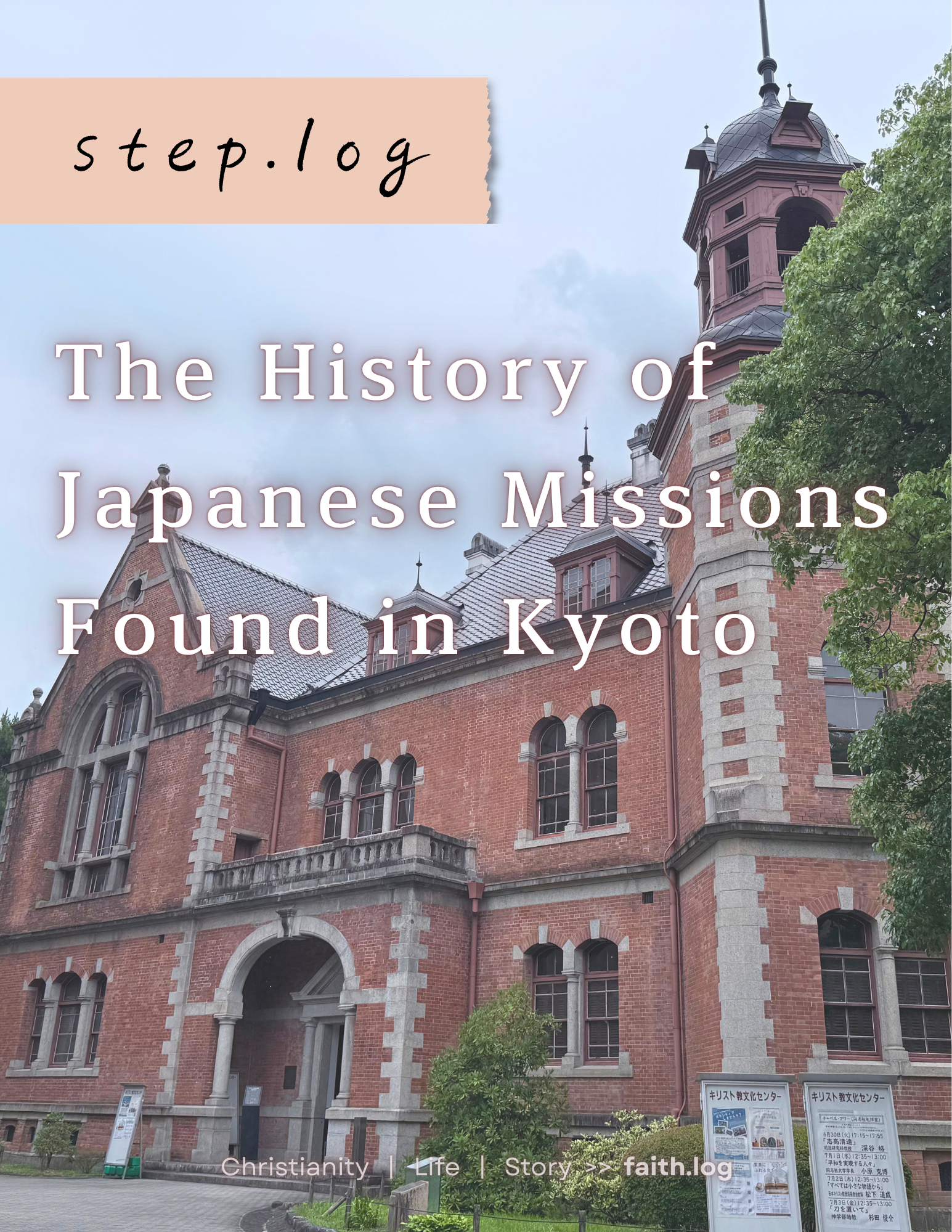
Doshisha University and Doshisha Church still share the same campus today. Walking the grounds, a visitor encounters one historic building after another, each a marker of this missionary inheritance. Shoeikan, the Doshisha Chapel, Yushukan, Clarke Memorial Hall, and Harris Science Hall were among the earliest buildings raised on campus, and all five are now designated Japanese National Important Cultural Properties. What makes them worth a second look is that each was designed by an architect of a different nationality, and the styles show it: Shoeikan, the Chapel, and Yushukan were designed by Americans; Harris Science Hall by an Englishman; and Clarke Memorial Hall by a German.
The Doshisha Chapel still holds regular services today, a living continuation of the mission that first raised its walls. What struck this writer most was that the chapel, though it belongs to the university, stands open to the public—anyone who wishes to worship is welcome to take part. Clarke Memorial Hall carries a related legacy: its original name was "the Theology Hall," and for decades it served as the center of theological training at Doshisha. Today it houses the university's Christian Culture Center and a chapel used for services and ceremonies. The Divinity School's actual classrooms and faculty offices, worth noting, have since moved to a newer Divinity Hall building completed in 1963.
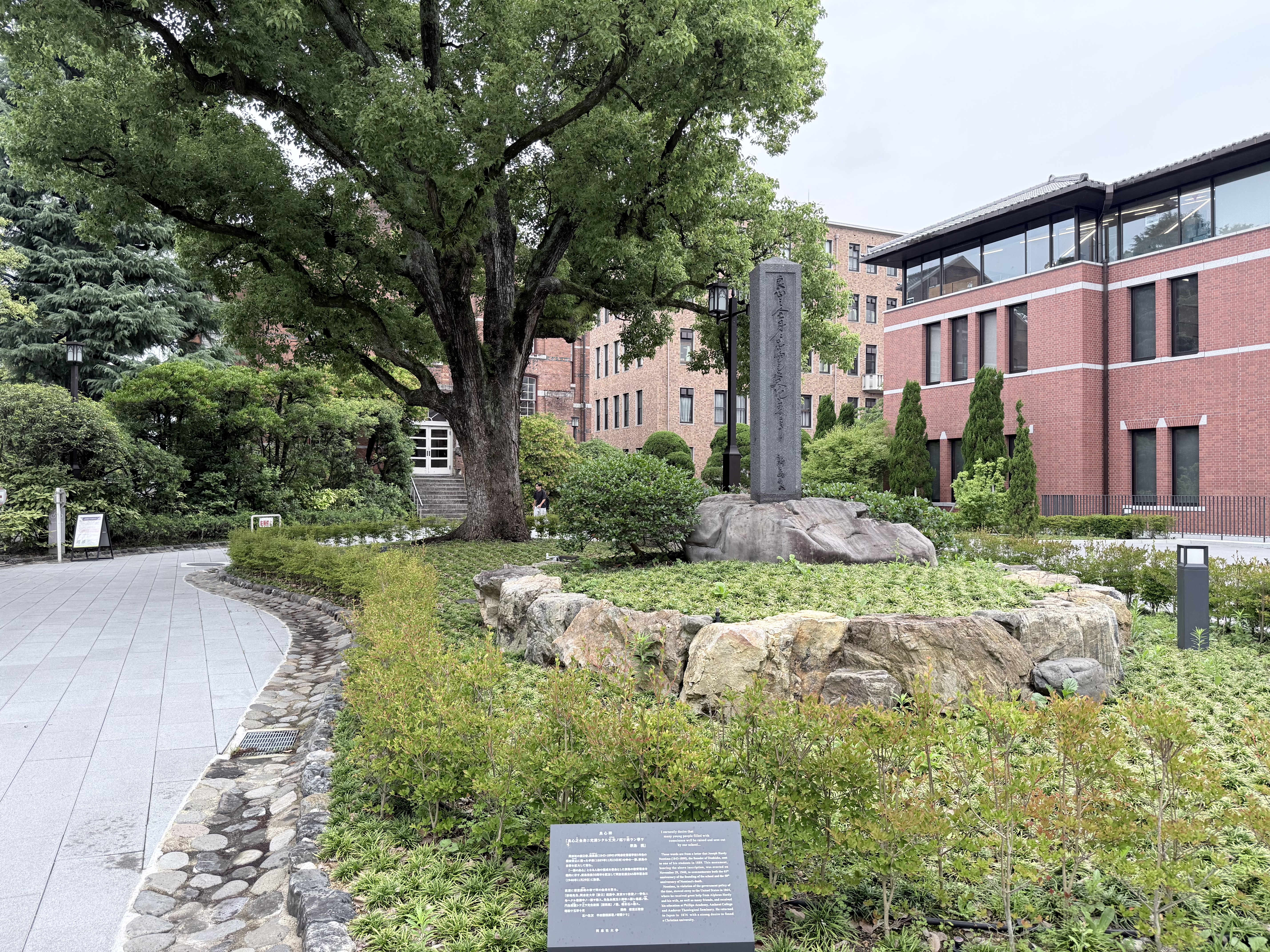
Near the university's main gate stands a stone monument known as the Conscience Monument. It bears a line from a letter Niijima wrote in 1889 to a student, Yokota Yasutada, while recovering from illness in Tokyo during his final years. The inscription reads, in the original Japanese, "良心之全身ニ充満シタル丈夫ノ起リ来ラン事ヲ"—rendered in English as, "I earnestly desire that many young people filled with conscience will be raised and sent out by our school." In that single line lies the founding conviction of Doshisha: that Christian education exists to form whole persons, sound in conscience because grounded in faith in God.
Doshisha Also Bears the Mark of Korean Christian Intellectuals Under Japanese Rule
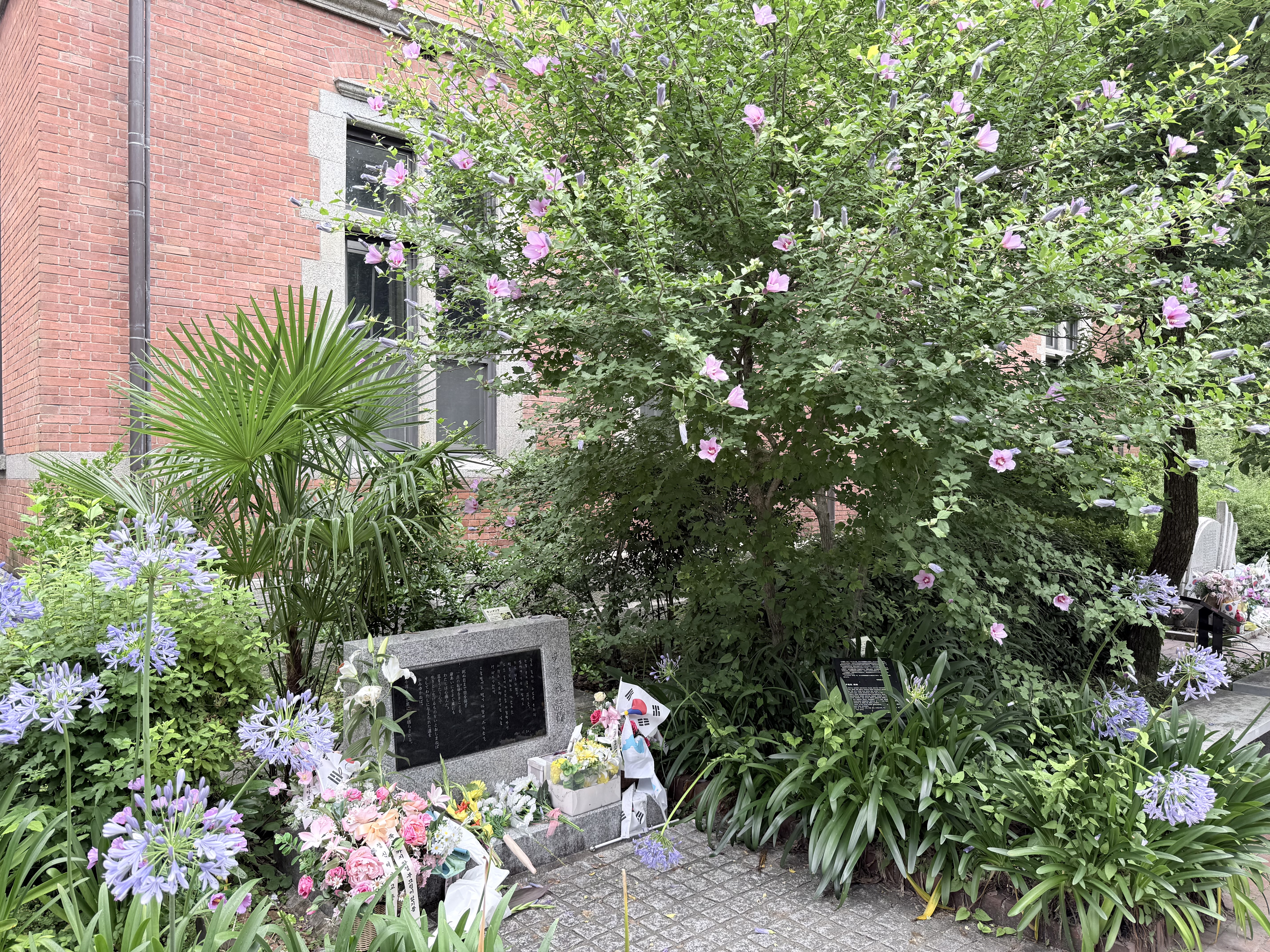
A walk through the Doshisha campus turns up something else entirely unexpected: traces of Korean Christian intellectuals, preserved in two poetry monuments standing side by side. The first belongs to Yun Dong-ju. Yun entered the literature department of Yonhi College (now Yonsei University) in Seoul in 1938 and graduated in 1941. In April 1942 he enrolled in the English literature program at Rikkyo University, then transferred that same October to Doshisha University to continue his studies in English literature. In July 1943, however, he was arrested by police in Kyoto's Shimogamo district on suspicion of involvement in the Korean independence movement. He died in Fukuoka Prison on February 16, 1945—barely six months before Japan's surrender and Korea's liberation.
In his memory, the "Society to Remember Yun Dong-ju" and the Doshisha Korea Club (now the Doshisha Korea Alumni Association) jointly erected a monument on February 16, 1995. Carved into the stone, in Yun's own handwriting, is the full text of his best-known poem, "Prologue." Then, on February 16, 2025—the eightieth anniversary of his death and the thirtieth anniversary of the monument itself—Doshisha University held a joint conferral and memorial service in the campus chapel, awarding Yun a posthumous honorary doctorate in culture. It was the first posthumous honorary degree the university had ever conferred since its founding in 1875. Doshisha's president at the time, Yatsuda Eiji, remarked that Yun's poetry "crosses the boundaries of language and nation to bind the human heart.”
Beside Yun's monument stands another, honoring the poet Jeong Ji-yong. Jeong studied in Doshisha's preparatory and English literature programs for six years. During his time at the university, he came to faith and became a Christian. After returning to Korea, he became one of the leading figures of modern Korean poetry, so influential that he is often called the father of modern Korean verse. He was abducted to North Korea at the outset of the Korean War, and his fate afterward remains unknown. In his honor, a monument was unveiled beside Yun's on December 18, 2005, bearing the full text of his Kyoto-era poem "The Amcheon," inscribed in both Japanese and Korean.
Standing before these two monuments, this writer was struck by a simple thought: an institution built by missionaries and a single man of faith did not merely raise up Christian leaders for Japan—it left its mark on students who came from far beyond its own borders. That is reason enough to take seriously whatever work has been entrusted to us now. We cannot fully know what the Lord intends to accomplish through it.
Niijima's Former Residence Marks Where Doshisha Began
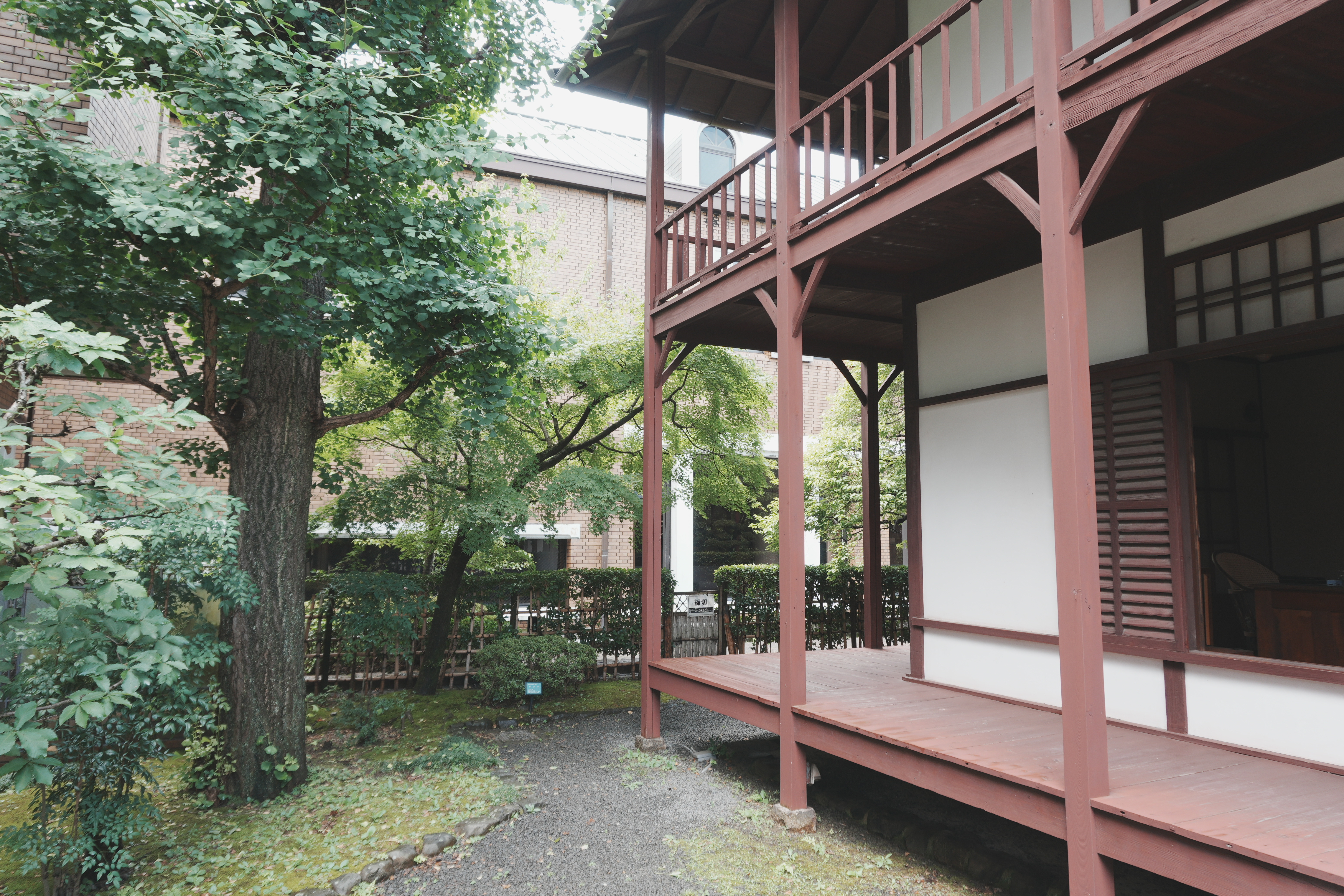
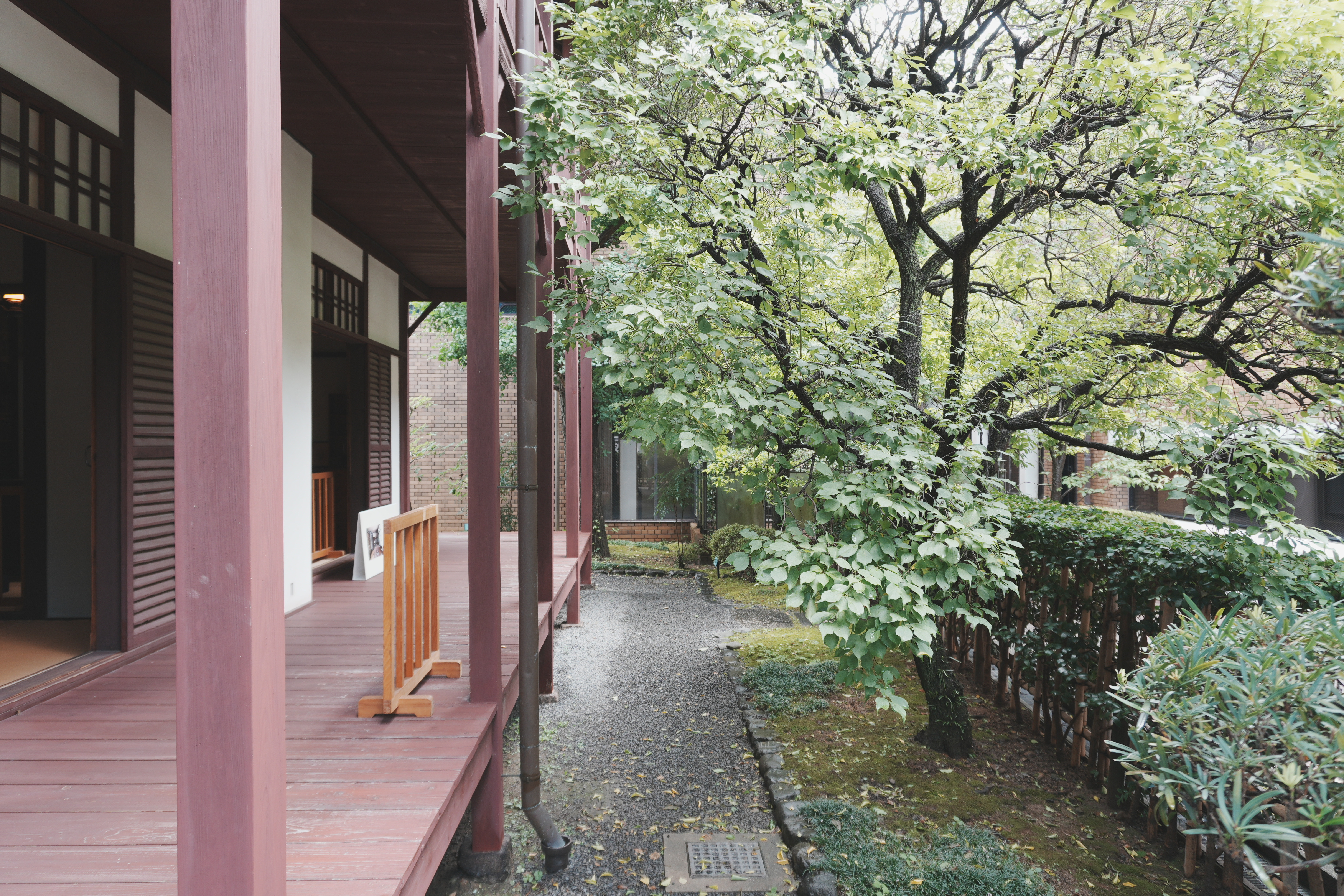
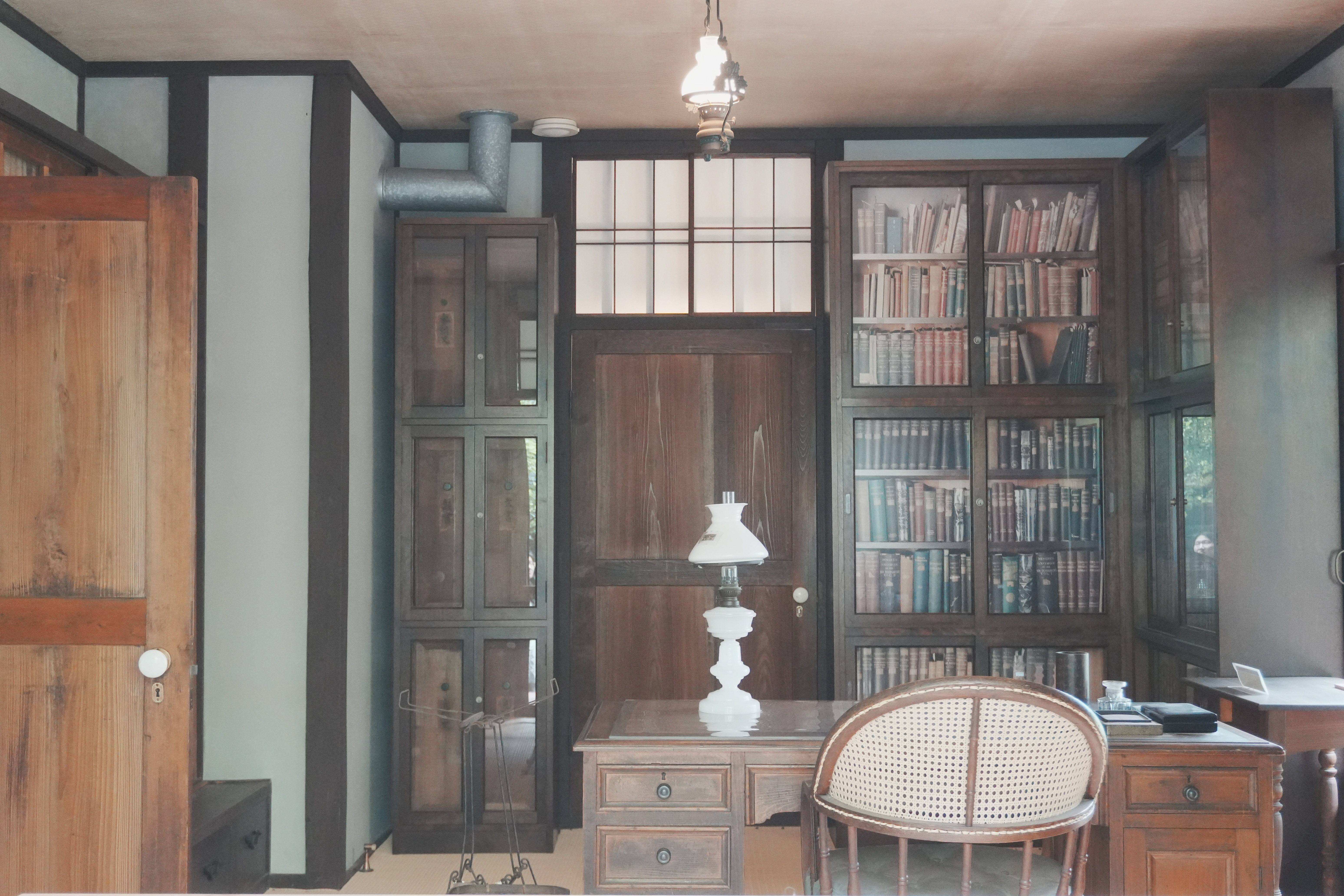
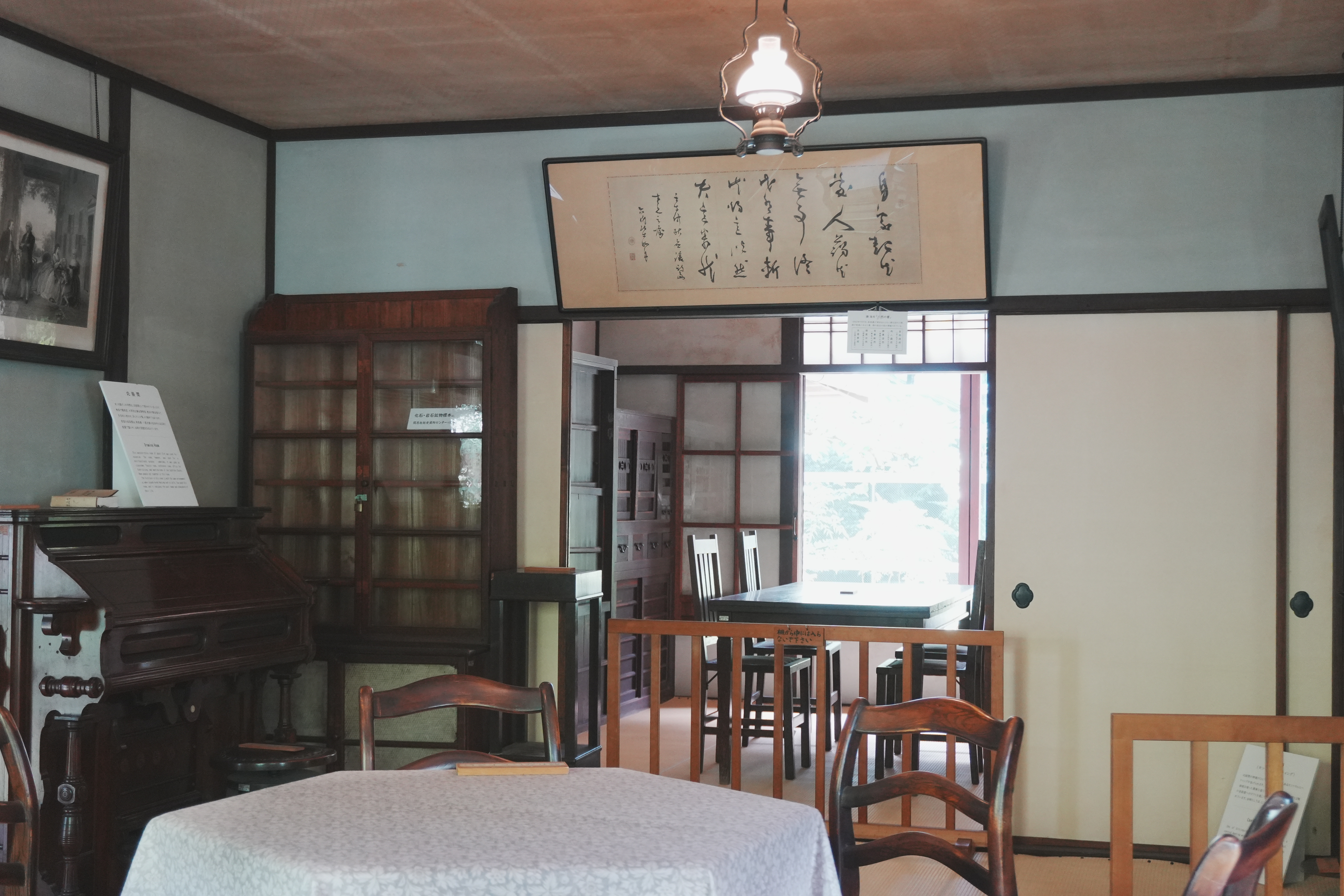
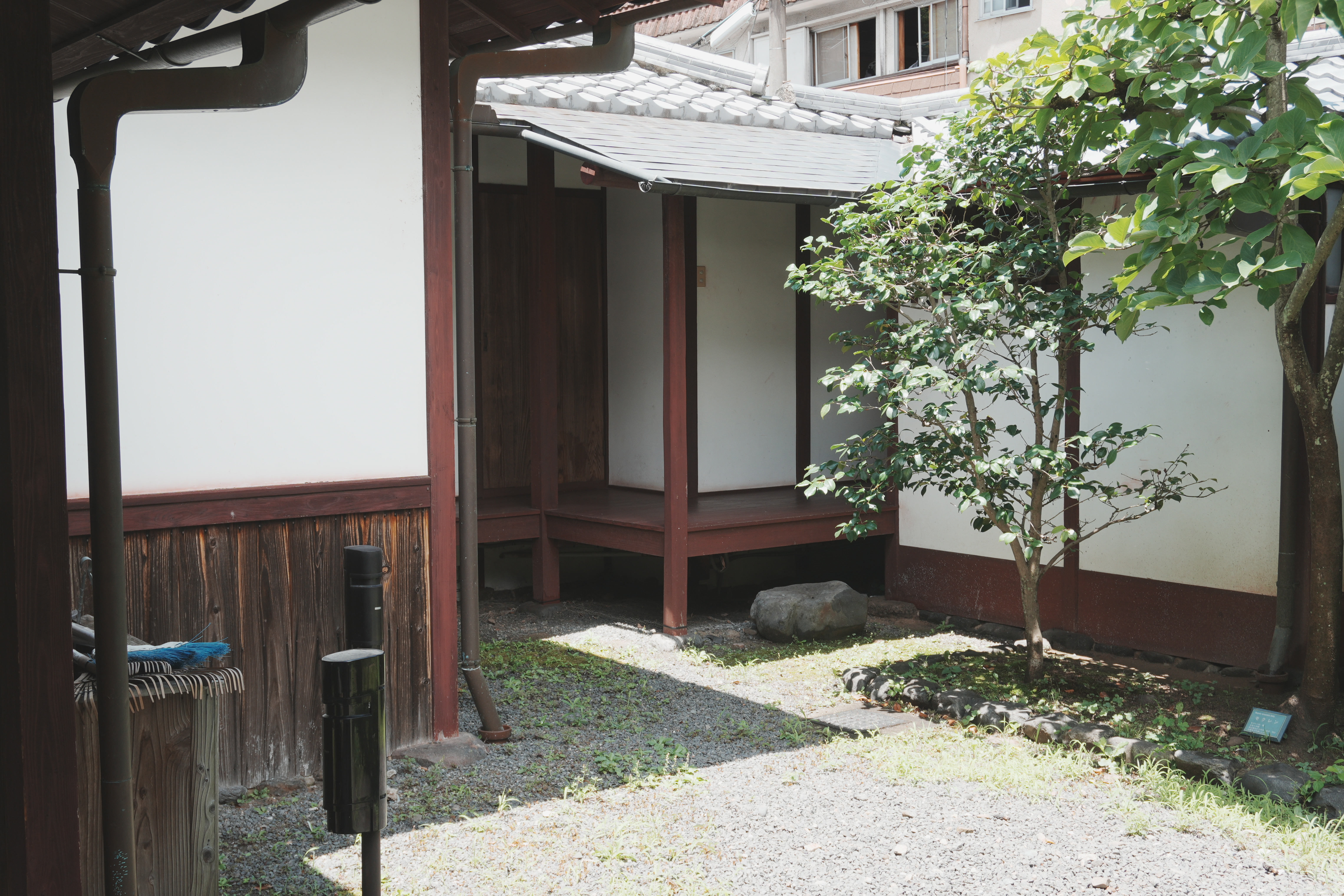
A fifteen-minute walk from the university stands the Former Residence of Niijima Jo, the private home Niijima and his wife completed in September 1878. The house was built with funds from J. M. Sears, a friend of Niijima's from his Boston years, and construction was overseen with the guidance of W. Taylor, a physician and missionary. What gives this house its place in the history of Japanese Christian education is not its architecture but how it was actually used.
The residence was never simply a private dwelling. When Niijima first opened the Doshisha English School in 1875, the school had no building of its own, and its first classes were held in a borrowed house belonging to a man named Takamatsu Yasuzane. That very site later became the ground on which Niijima's residence was built. In other words, this house stands on the exact spot where Doshisha began. As the young school's enrollment grew, the residence took on new roles: a makeshift classroom, a staff office, and later a fundraising office for the campaign to elevate the school to university status. Most significant of all, before the campus chapel was completed in 1886, the parlor of this house served as the community's place of worship. That single room, in effect, functioned as the spiritual center of the entire Doshisha fellowship in its earliest years.
Korean mission history offers many parallel stories of believers who opened their own homes as places of worship, and this writer was struck to find the same pattern in the history of Japanese missions. The Lord uses those who hold nothing back, giving freely of what is theirs, to accomplish His work. In an age when material concerns so easily crowd out all else, standing in this house led this writer to ask, once again, what posture of self-giving the work of the Lord still demands of us.
The Heart of Christian Mission Is Worldview Formation and Faithful Devotion
Visiting Doshisha University and Niijima's former residence for this edition of step.log gave this writer occasion to reconsider what truly lies at the heart of Christian mission. Every believer shares the same calling: to proclaim the gospel. And these two sites point to what that calling requires in practice—the formation of a Christian worldview, and a life wholly devoted to the work the Lord has given. In an age when secular worldviews command such formidable influence, these places are a fresh reminder of how essential it is both to raise up the next generation of the Lord's workers through Christian worldview education, and to live out, right now, a life of faithful devotion to that same calling. Should the opportunity ever arise to visit Kyoto, this writer would encourage every reader to seek out Doshisha University and Niijima's former residence, and discover there, firsthand, the heart of Christian mission.
About Author

faith.log
A journal that connects faith and everyday life. In each small piece of writing, we share the grace of God and the depth of life together.


