
Seeds of the Gospel on a Resistant Shore Ganghwa Christian History Museum
Ganghwa Island stands at the edge of the Korean peninsula like a sentinel — and historically, it has been exactly that. For centuries, anyone seeking to enter or threaten the Korean heartland had to reckon with this island first. The Goryeo dynasty retreated here to resist the Mongol invasions of the thirteenth century. In the waning decades of Joseon, the island became the site of three defining confrontations with the modern world: the French naval incursion of 1866, provoked by the execution of nine Catholic missionaries; the American naval expedition of 1871, following the burning of a U.S. merchant vessel in Pyongyang; and the coercive 1876 treaty with Japan that forced open Korea's ports and set in motion the eventual colonization of the peninsula.
This is a place that knows what it means to hold a line.
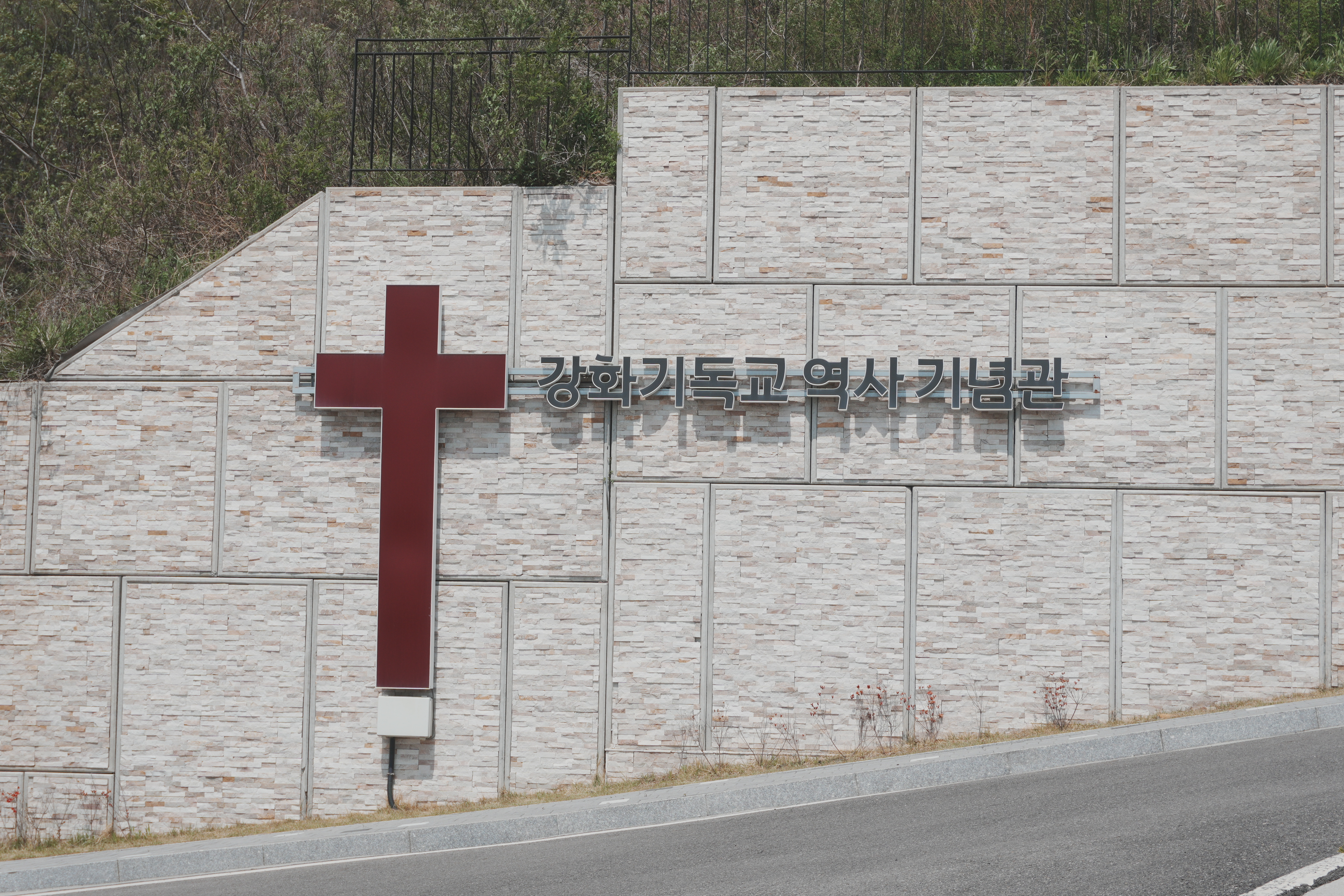
And yet — or perhaps precisely because of this — Ganghwa is also where the Protestant gospel first took root in earnest on Korean soil. The Ganghwa Christian History Museum, which opened in March 2022, tells that story with care and depth. It is where this installment of step.log begins.
By Moonlight, on a Boat — The First Seed
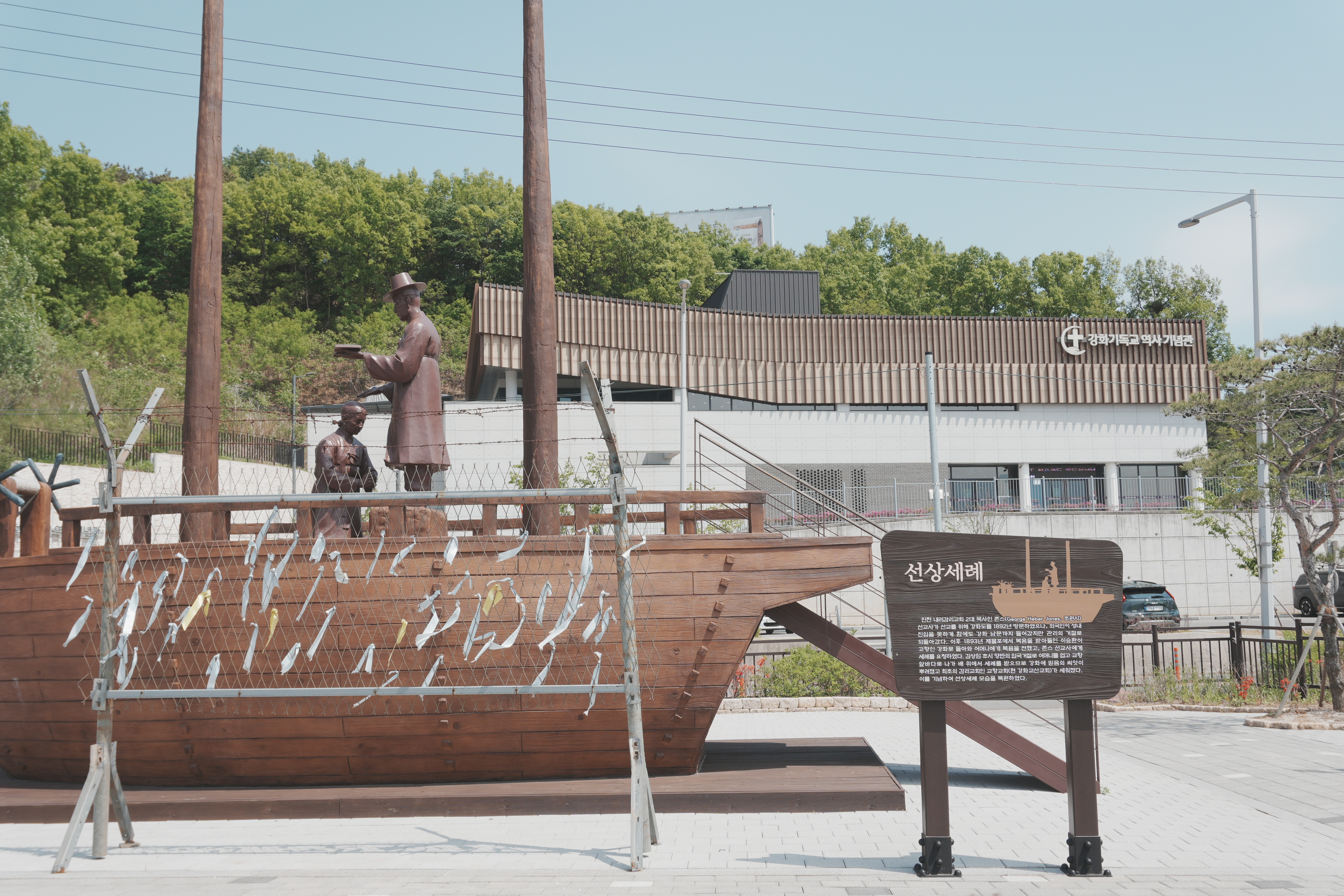
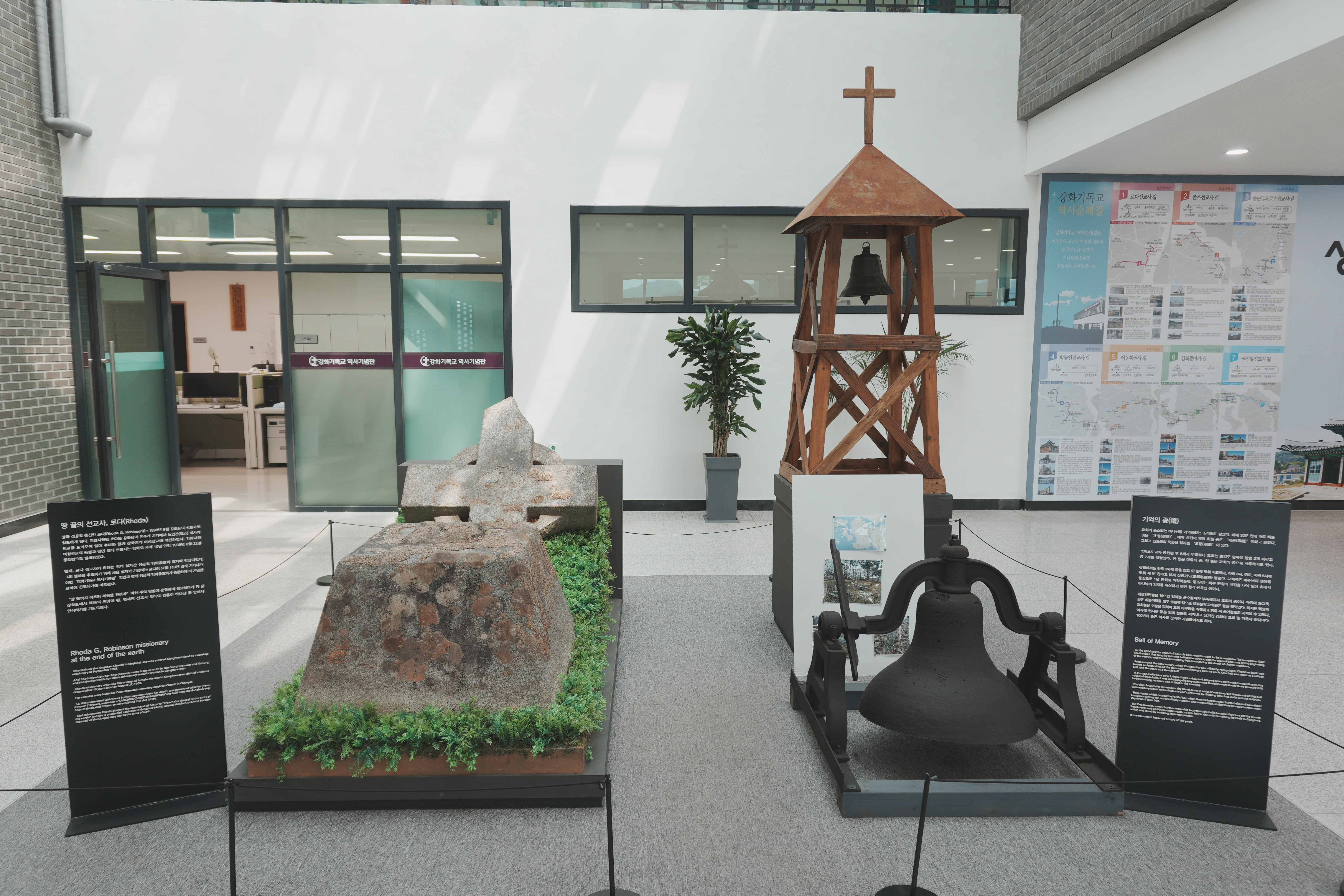
The museum's outdoor grounds hold two reconstructed structures: a replica of St. Nicholas Chapel, the first Anglican church on Ganghwa, and a sculptural recreation of what historians call the "boat baptism" — the founding moment of the Protestant mission here.
Bishop Corfe of the Church of England designated Ganghwa as a mission field in July 1893 and sent the Reverend Leonard Ottley Warner to begin the work. Foreign nationals were prohibited from entering the island proper, so Warner established himself just outside the eastern gate, purchased a traditional Korean house, took in five orphans, and began to build a community. On January 20 of the following year, that small gathering became St. Nicholas Chapel — the first church on Ganghwa. Beside the reconstructed chapel stands a bell tower, housing what is said to be Ganghwa's oldest bell, originally rung in two local Anglican churches before being brought here to mark the site.
The sculpture beside it tells a different story, from a different tradition. In 1893, a man named Lee Seung-hwan received the gospel in Jemulpo — present-day Incheon — and returned to his home on Ganghwa, where he led his elderly mother to faith. The problem was the same: no foreign minister could enter the island. Lee arranged for the Reverend George Heber Jones, then pastor of Naeri Methodist Church in Incheon, to come by boat to the waters off Ganghwa. On a bright, moonlit night, Lee carried his mother on his back, walked down to the shore, and helped her onto the boat — where Jones baptized her. This act became the founding event of the Methodist mission on Ganghwa, and the community that formed around it became Gyohang Church, the island's first Methodist congregation.
I stood before the sculpture for a long time. There is a theology embedded in this scene that no sermon could improve upon. The missionary could not enter. The gospel did. The door that men had shut, God opened by another way. The sovereignty of divine grace does not require human permission. It finds its people through the narrow passages men leave unguarded — in this case, a moonlit strip of water between a missionary's boat and a resistant shore.
The question the sculpture pressed upon me was not a comfortable one: how much of the freedom to worship, to receive the sacraments, to gather without fear do I simply take for granted? The urgency in Lee Seung-hwan's midnight walk is a rebuke to every form of comfortable faith.
A Community That Would Not Be Silent — The Marisan Prayer Movement
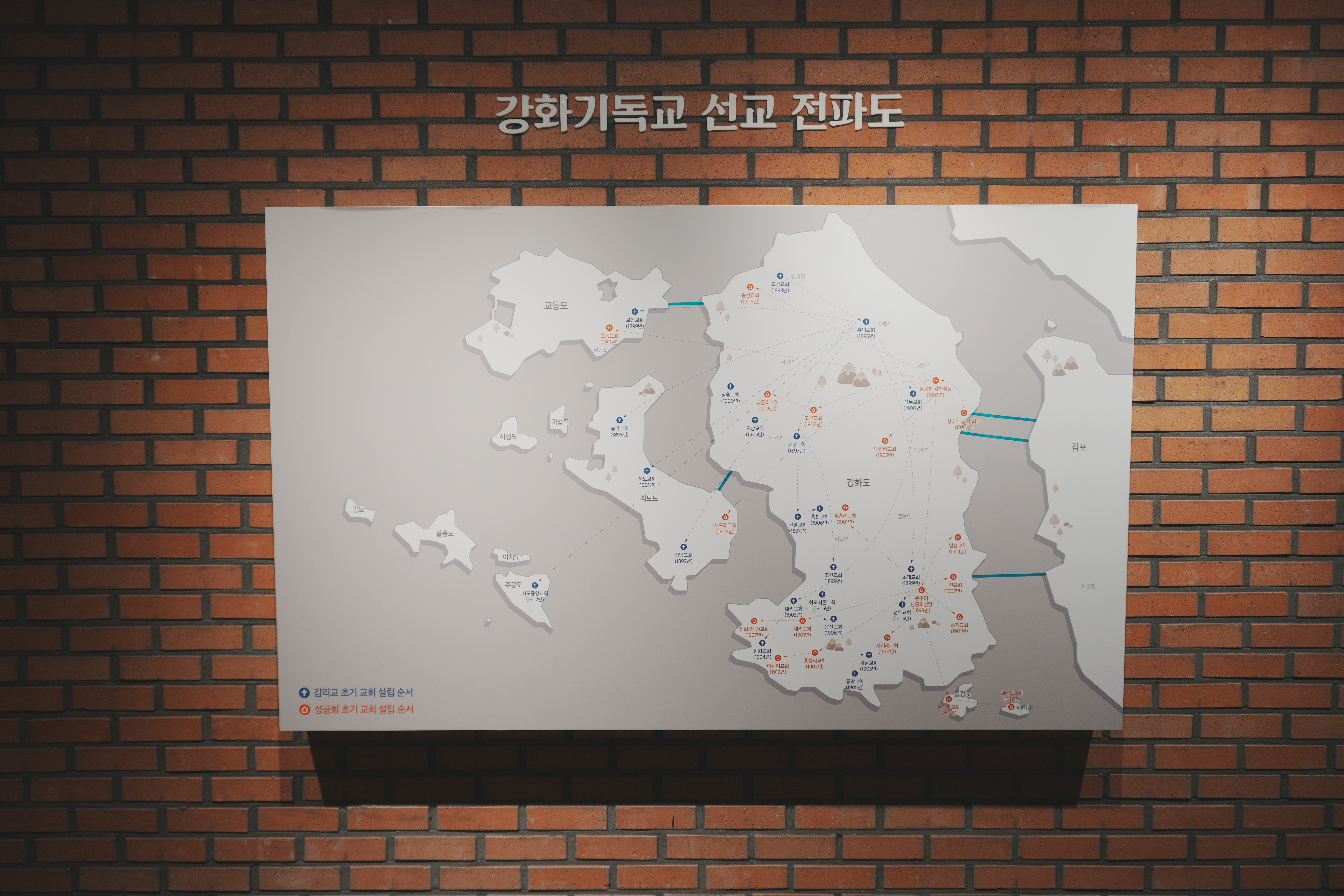
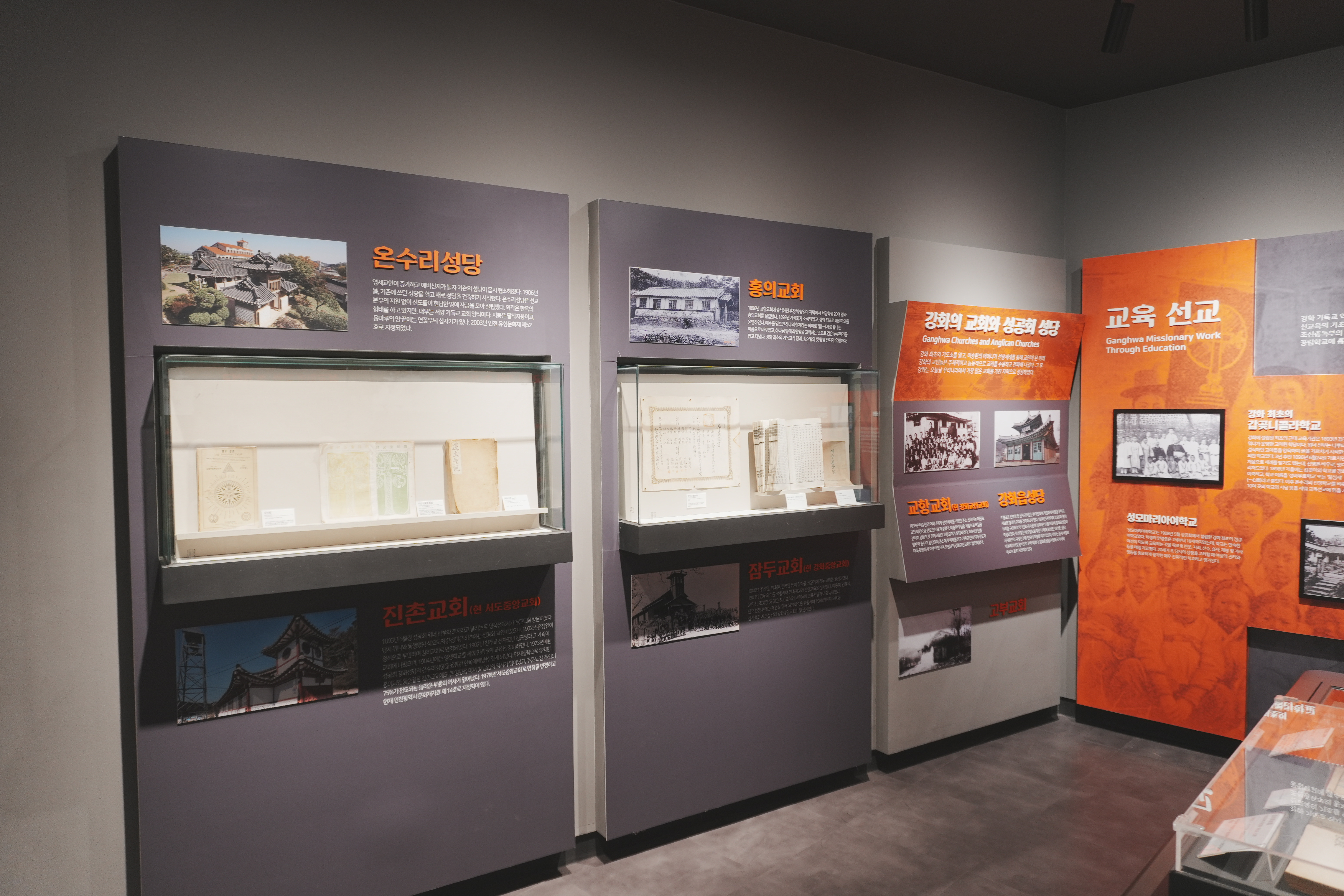

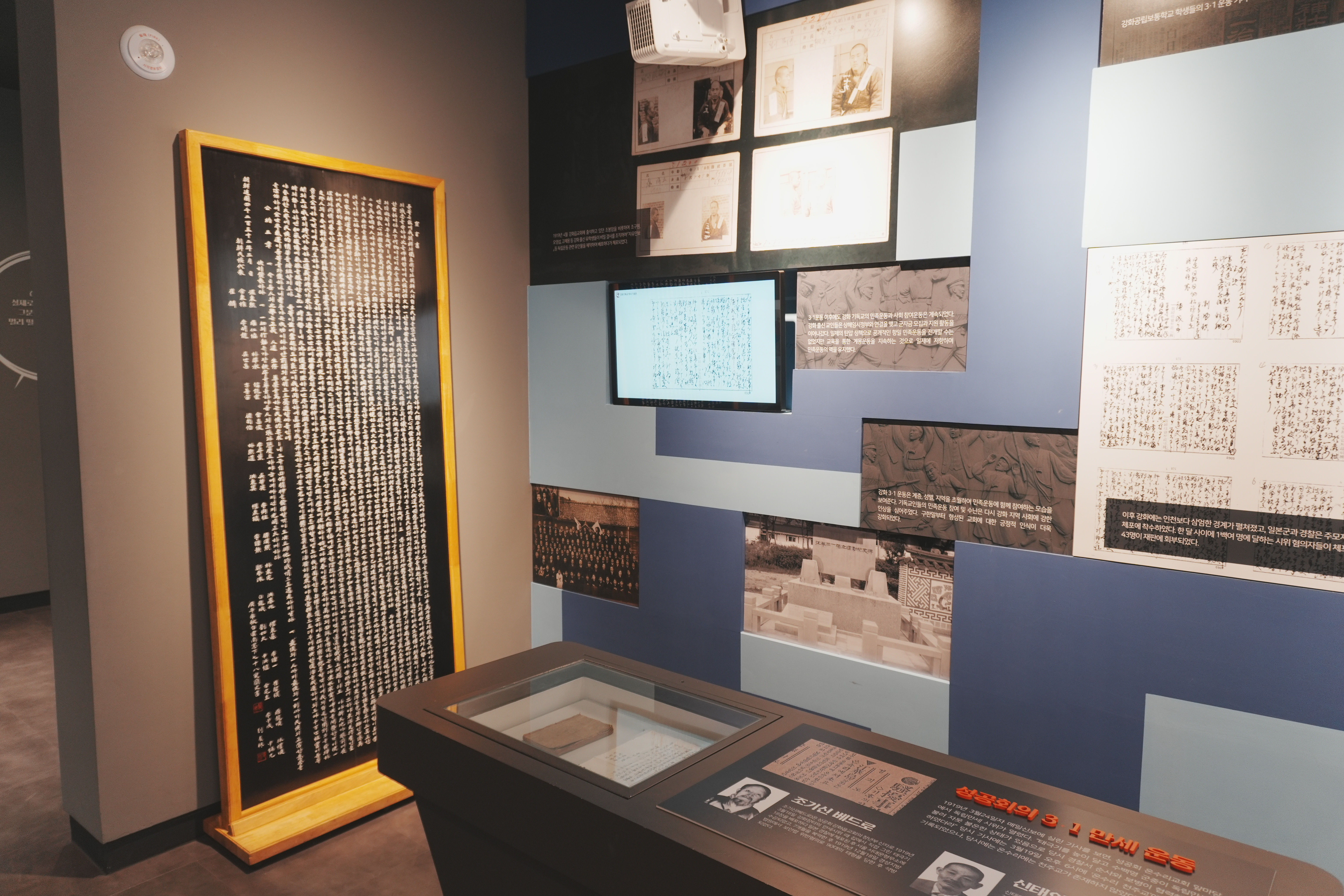
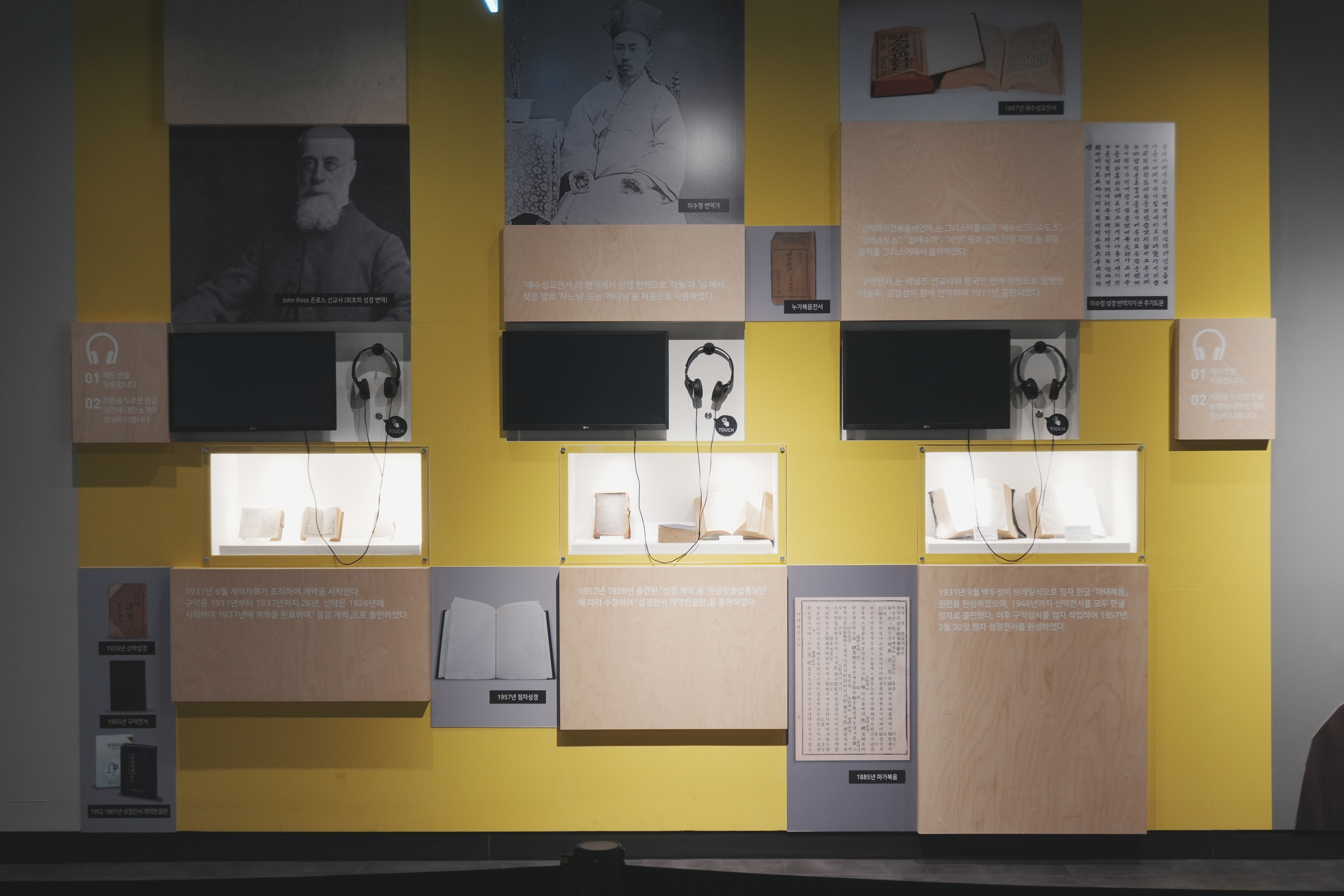
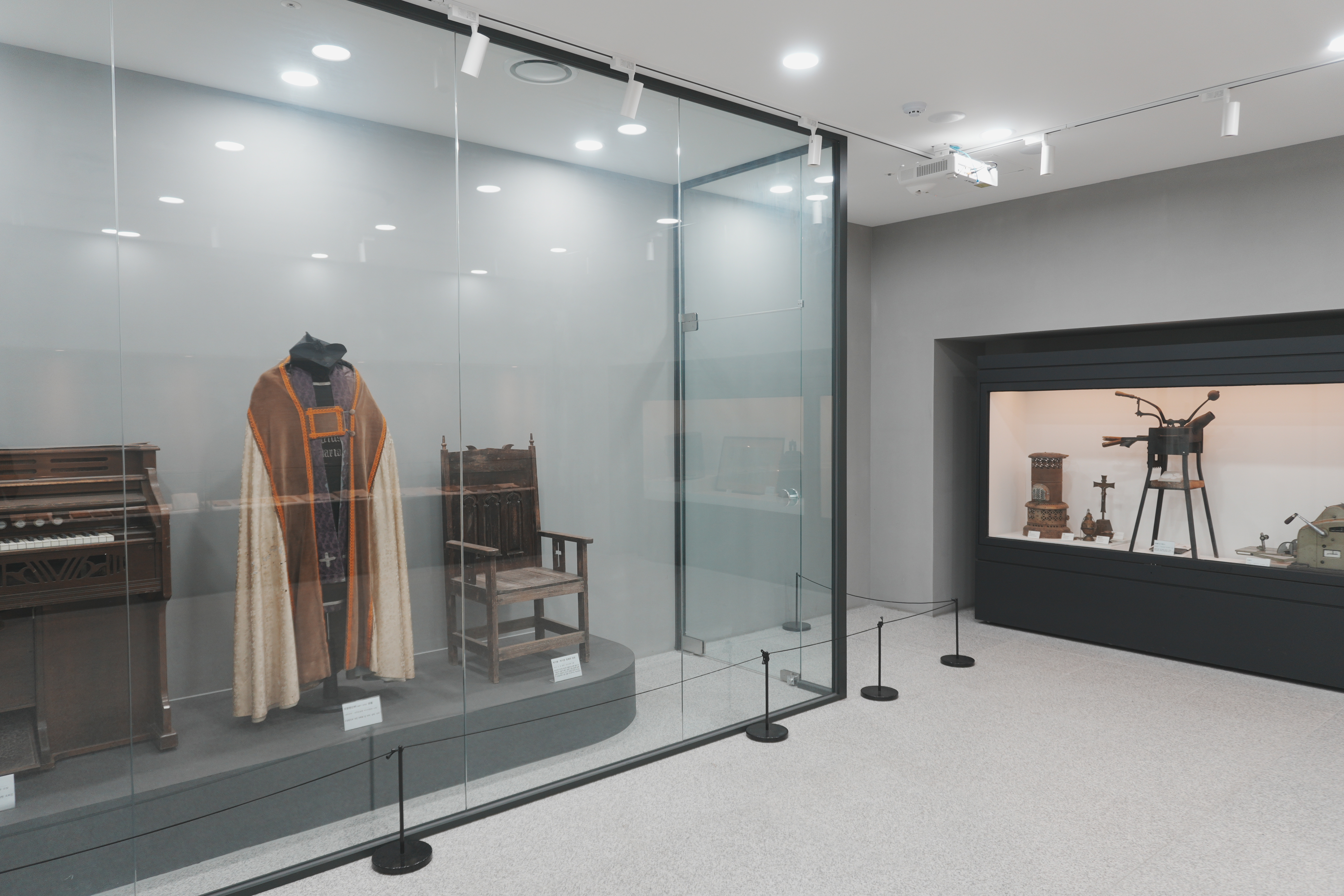
Of all the exhibitions in the museum, the one that held me longest was the display devoted to the Marisan Prayer Movement, found in the First Permanent Exhibition Hall on the second floor.
On May 10, 1915, a dawn prayer meeting at Onggam Church on Jangbong Island gave rise to what would become one of the most remarkable grassroots spiritual movements in Korean church history. Under the leadership of Elder Jeong Yun-hwa of Naeri Church, the gathering grew into a sustained series of convocations drawing participants from across the island, and eventually into the permanent Marisan Prayer Center. The movement spread beyond Ganghwa to Haeju in Hwanghae Province and to Gimpo in Gyeonggi.
It is worth pausing on what this movement was not. It was not led by missionaries. It was not organized by ordained clergy. It was a lay movement — one that emerged from the ordinary membership of the church and was sustained in large part by women. In the vocabulary of Reformed ecclesiology, this is precisely what the priesthood of all believers looks like when it functions not as a theological abstraction but as a living practice among a people who have grasped that access to God is not brokered by ecclesiastical rank.
And the movement did not remain inward. By 1919, the churches shaped by this sustained culture of prayer stood at the center of Korea's independence movement. In Ganghwa alone, more than ten thousand people took to the streets to demand liberation from Japanese colonial rule. The Korean church of this period offers a striking illustration of what the Reformed tradition has always insisted: Coram Deo — all of life lived before the face of God — is not a pious sentiment. It is a social and political reality. A church that prays with conviction will not long remain indifferent to the suffering of its neighbors.
Standing before this exhibition, I found myself asking what kind of church I belong to. Whether the prayers offered on Sunday are connected to anything I am willing to do on Monday.
Where the Pilgrimage Begins
The Ganghwa Christian History Museum serves as the official starting point for the Ganghwa Christian History Pilgrimage Trail, a seven-course walking route connecting the island's historic Christian sites. The Second Permanent Exhibition Hall offers individual profiles of the key figures in Ganghwa's Christian story — men and women whose lives, read carefully, become a sustained challenge to the faith of those who come after them.
My recommendation is simple: do not stop at the museum. Walk the trail. There is a difference between reading about a place and standing in it — between encountering history as information and encountering it as ground beneath your feet. The island has a story to tell, and it tells it best to those willing to walk slowly through it.
Begin here.
About Author

faith.log
A journal that connects faith and everyday life. In each small piece of writing, we share the grace of God and the depth of life together.


