Where the Word Becomes Art — Cheonghyeonjaei Art Center and Café & Living Shop
Christianity is a religion of the Book. God has revealed himself through the written Word, and it is through that Word — fixed, finite, and sufficient — that he continues to speak. So the Christian reads, meditates, and copies Scripture, returning again and again to the text as the primary means of grace. This installment of step.log introduces two spaces in Korea where that same Word is given a different kind of form: the art of calligraphy, woven into the fabric of everyday life.
A Ministry of the Written Word: Cheonghyeonjaei Malsseum-graphy Mission
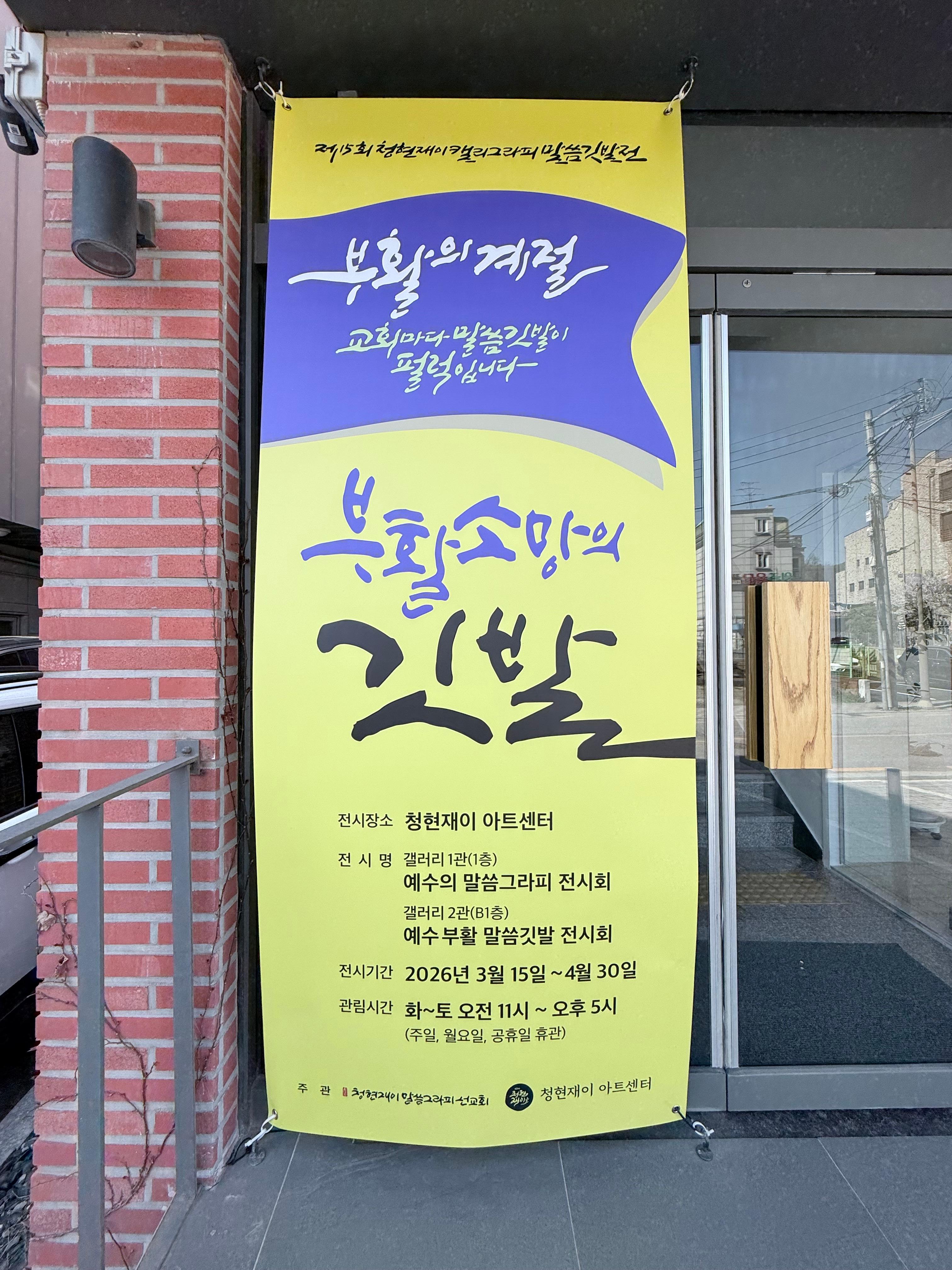
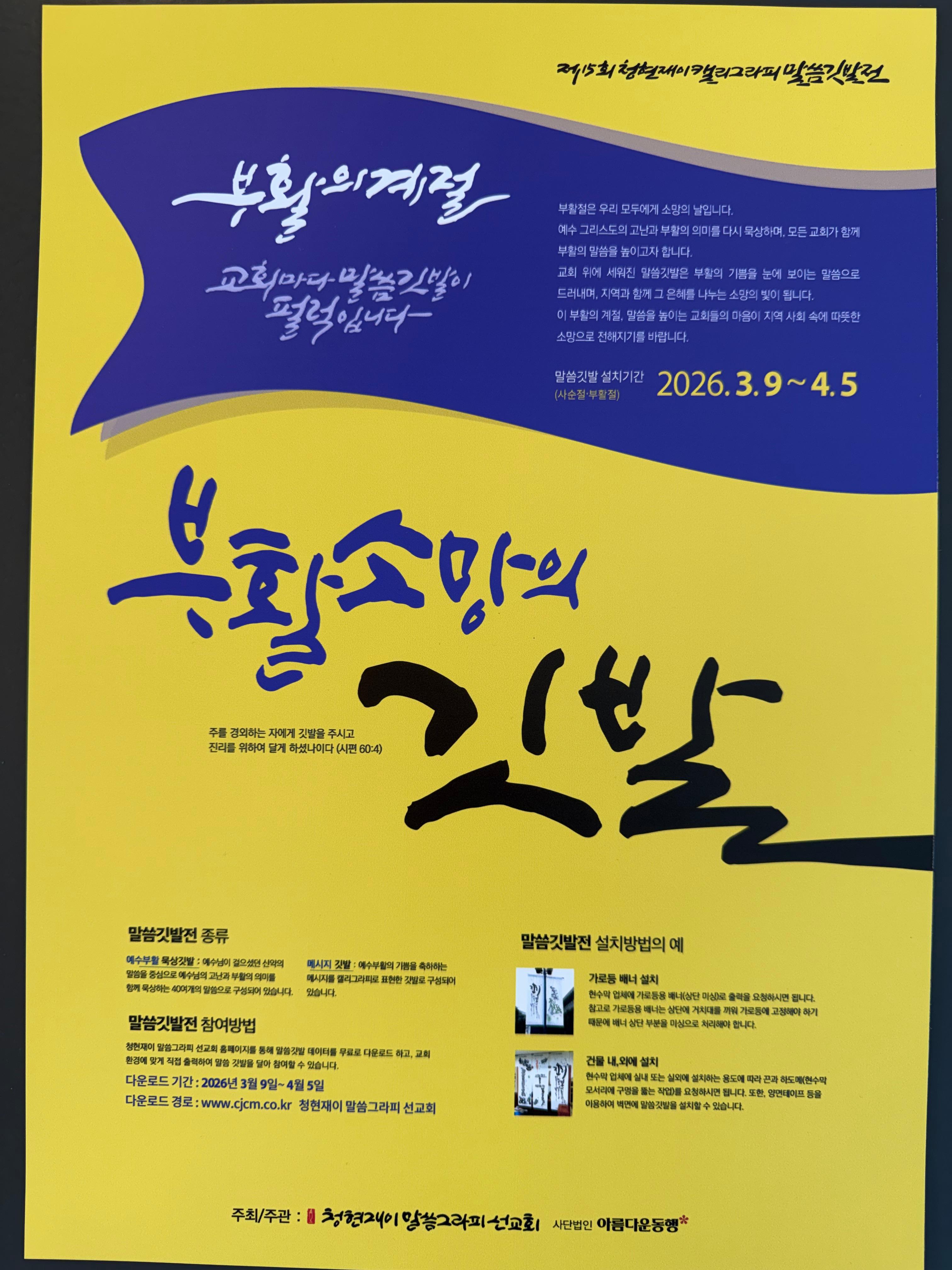
Cheonghyeonjaei Malsseum-graphy Mission is an organization whose missionaries hand-letter Scripture passages in calligraphy and share them directly with believers who desire to live by the Word of God. The premise is simple, but its theological instincts run deep. What distinguishes Christianity from other religions is not primarily its rituals or its institutions, but its posture toward the written word. God revealed himself in language. That revelation reached its completion in the canon of Scripture. The churches of the Reformation took this seriously — Sola Scriptura was not merely a polemical slogan but a confession that the written Word is the norming norm of all Christian life and thought. In that light, a ministry devoted to rendering Scripture in calligraphy is more than an artistic enterprise. It is an expression of the Reformed conviction that the Word belongs at the center — seen, handled, and dwelt upon.
A Space Shaped by the Cross: Cheonghyeonjaei Art Center
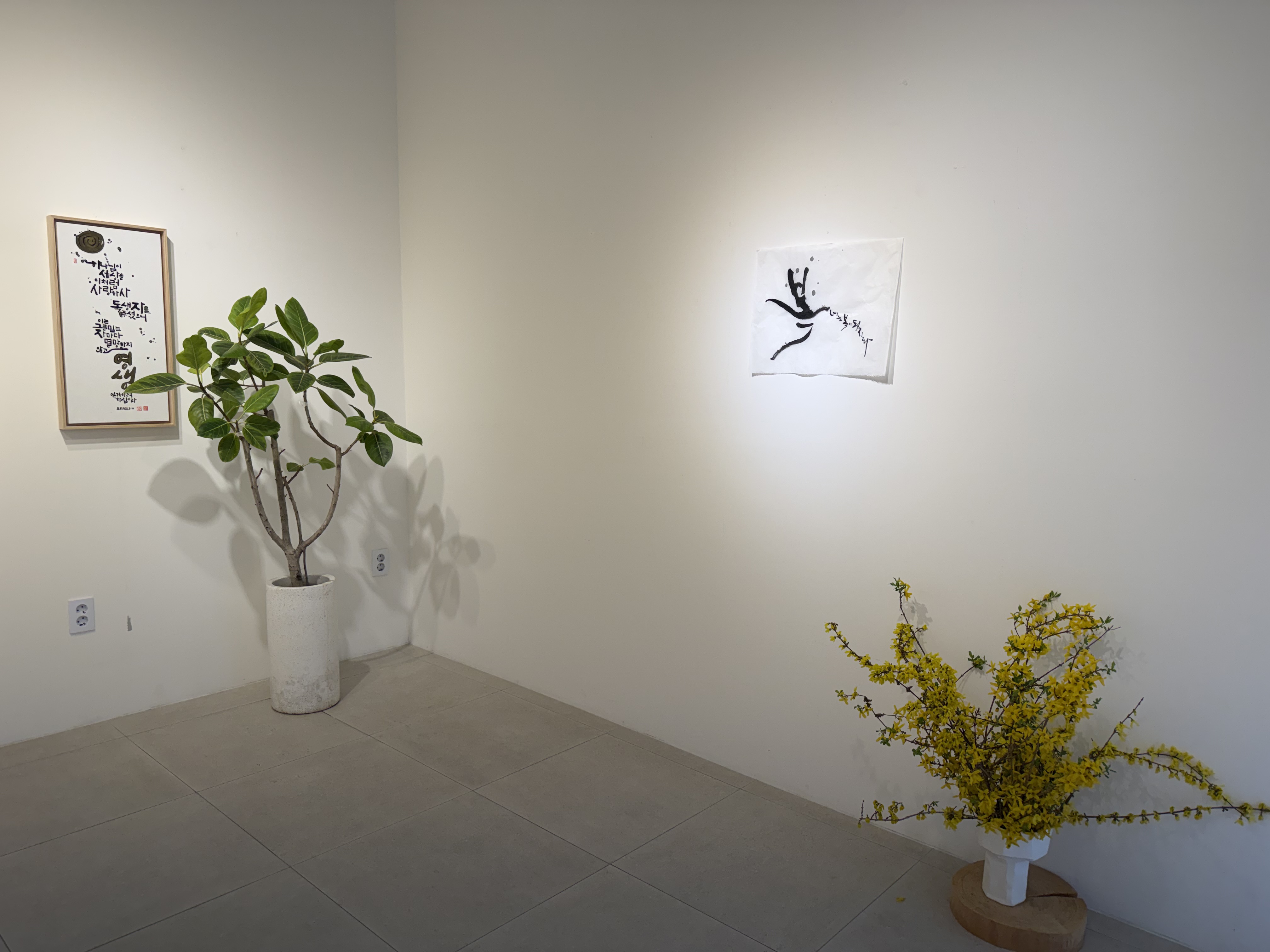
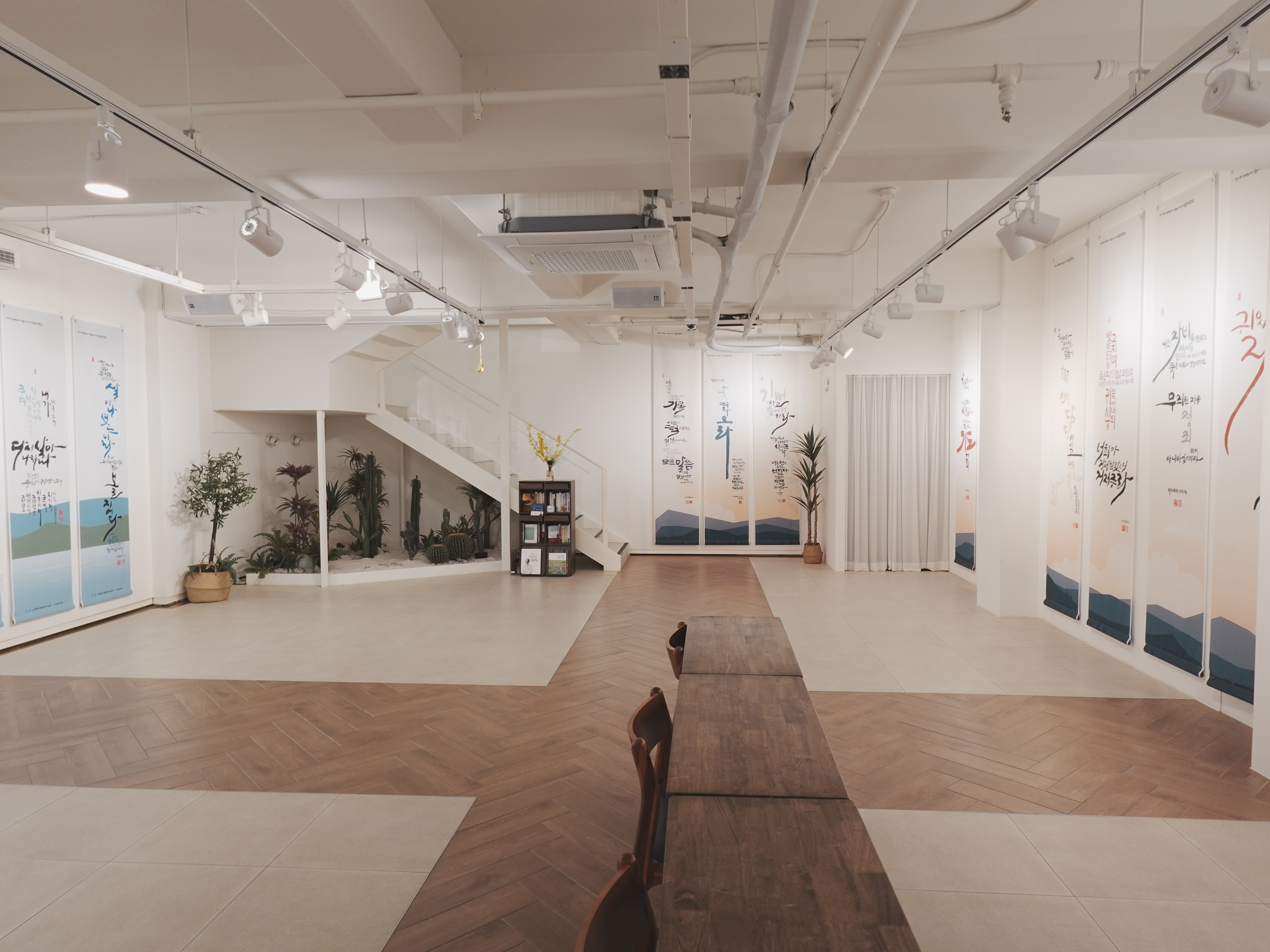
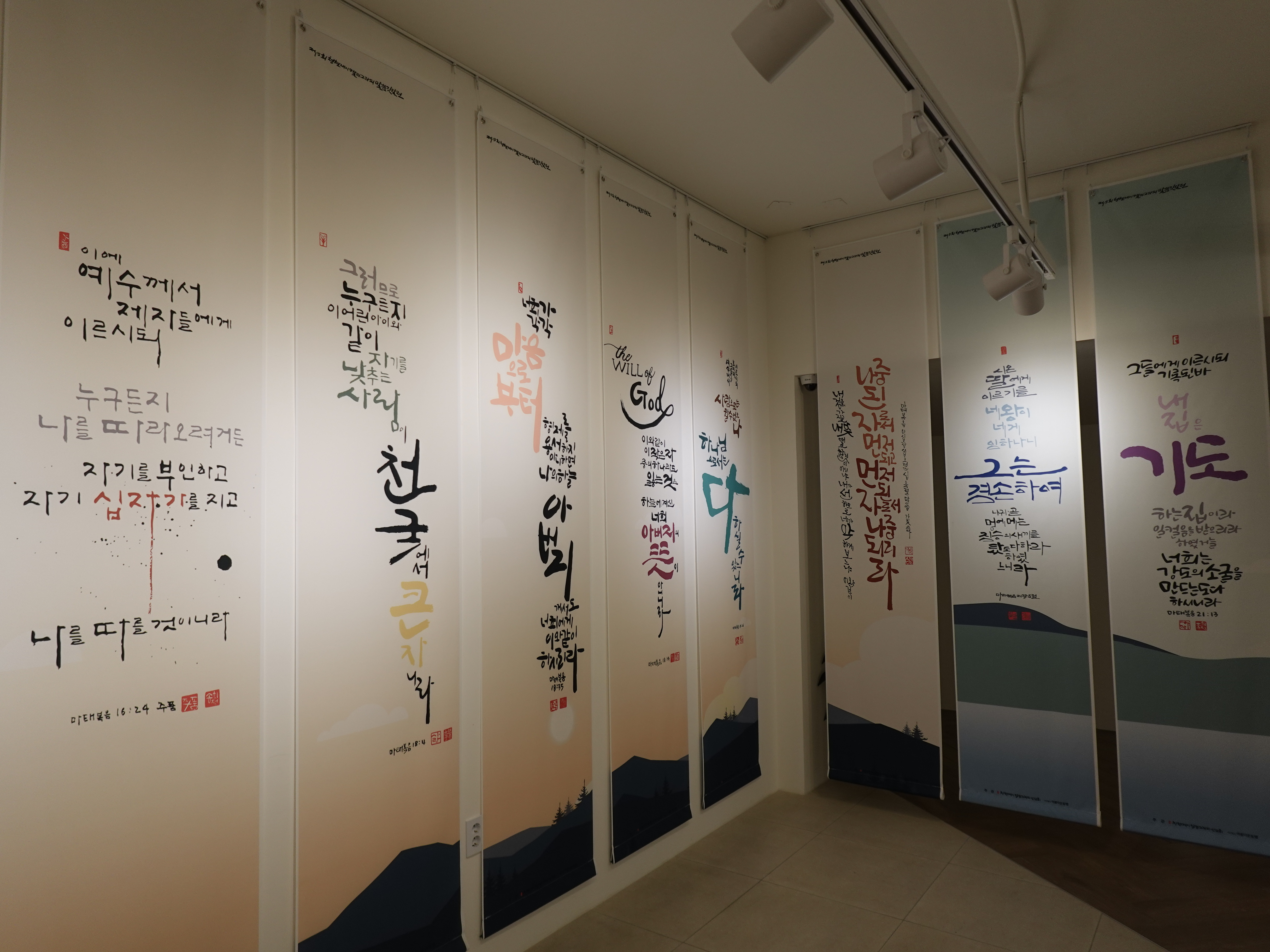
The primary venue for encountering Cheonghyeonjaei's calligraphic works is the Art Center, located in Anyang. The building is clad in red brick — a deliberate architectural choice made under the concept: "Built by the grace of the Lord's blood, resting in the warmth of God's embrace." The exterior is, in other words, a theology in masonry.
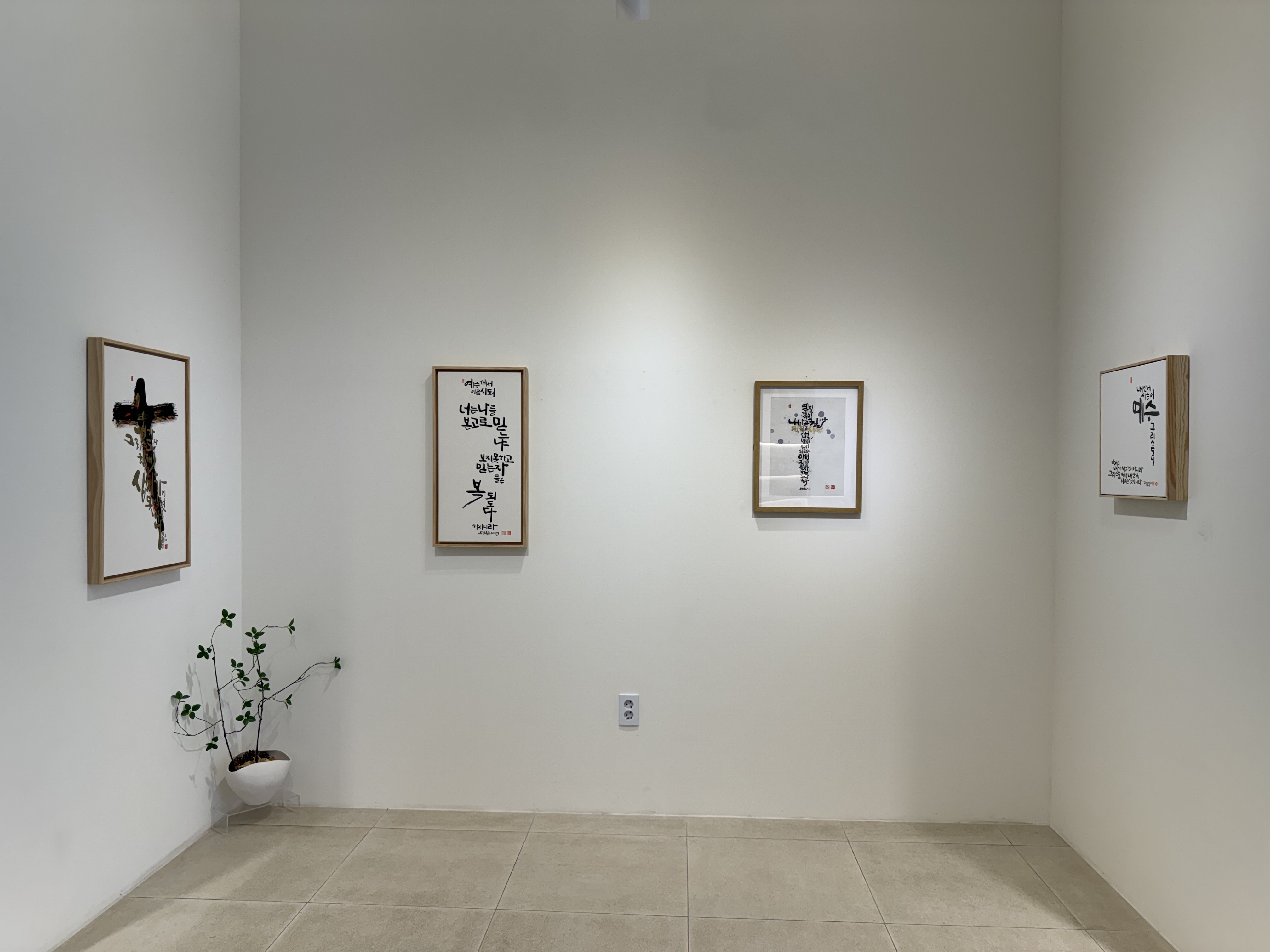
Stepping through the entrance on the ground floor, one enters Gallery Hall 1, where Scripture passages rendered in calligraphy cover the walls in their entirety. The current exhibition is Jesus Malsseum-graphy Exhibition. Among the works on display, one in particular draws the eye: a composite piece in which multiple individual works together form the shape of a single cross. It is a quietly powerful piece — a visual argument that the whole of Scripture converges on the redemptive work of Jesus Christ. The arrangement is not decorative. It is confessional.
Descending the staircase to the basement level, one arrives at Gallery Hall 2, currently presenting the Jesus Resurrection Malsseum Word Banner Exhibition. Here too, the cross appears — this time in the geometry of the floor itself. The space seems unwilling to let the visitor forget what stands at the center of everything. Given that the visit coincided with the Easter season, an exhibition filled with resurrection texts carried a particular weight. The timing felt less like coincidence and more like liturgical rhythm.
The Word in the Everyday: Cheonghyeonjaei Café & Living Shop
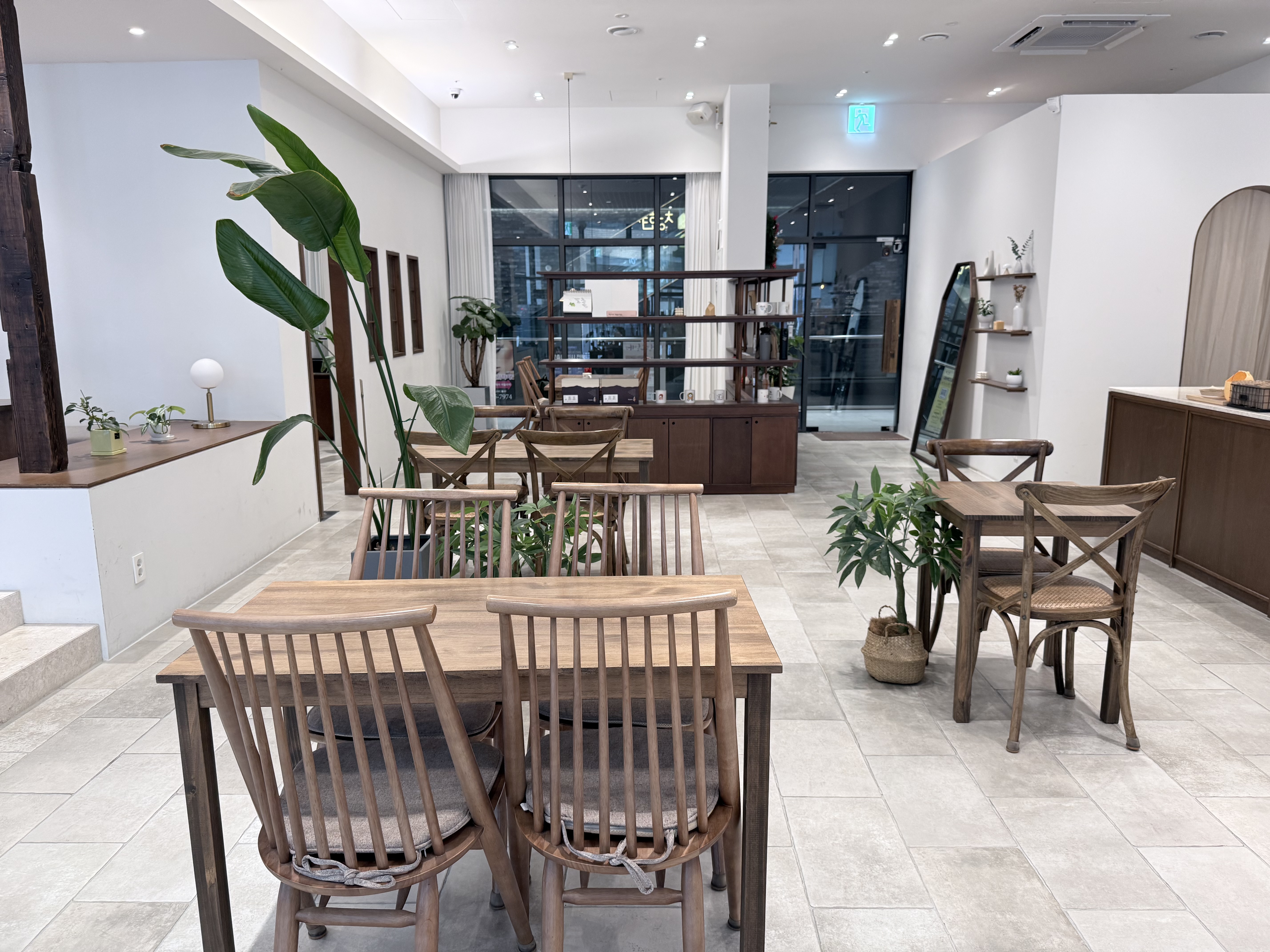
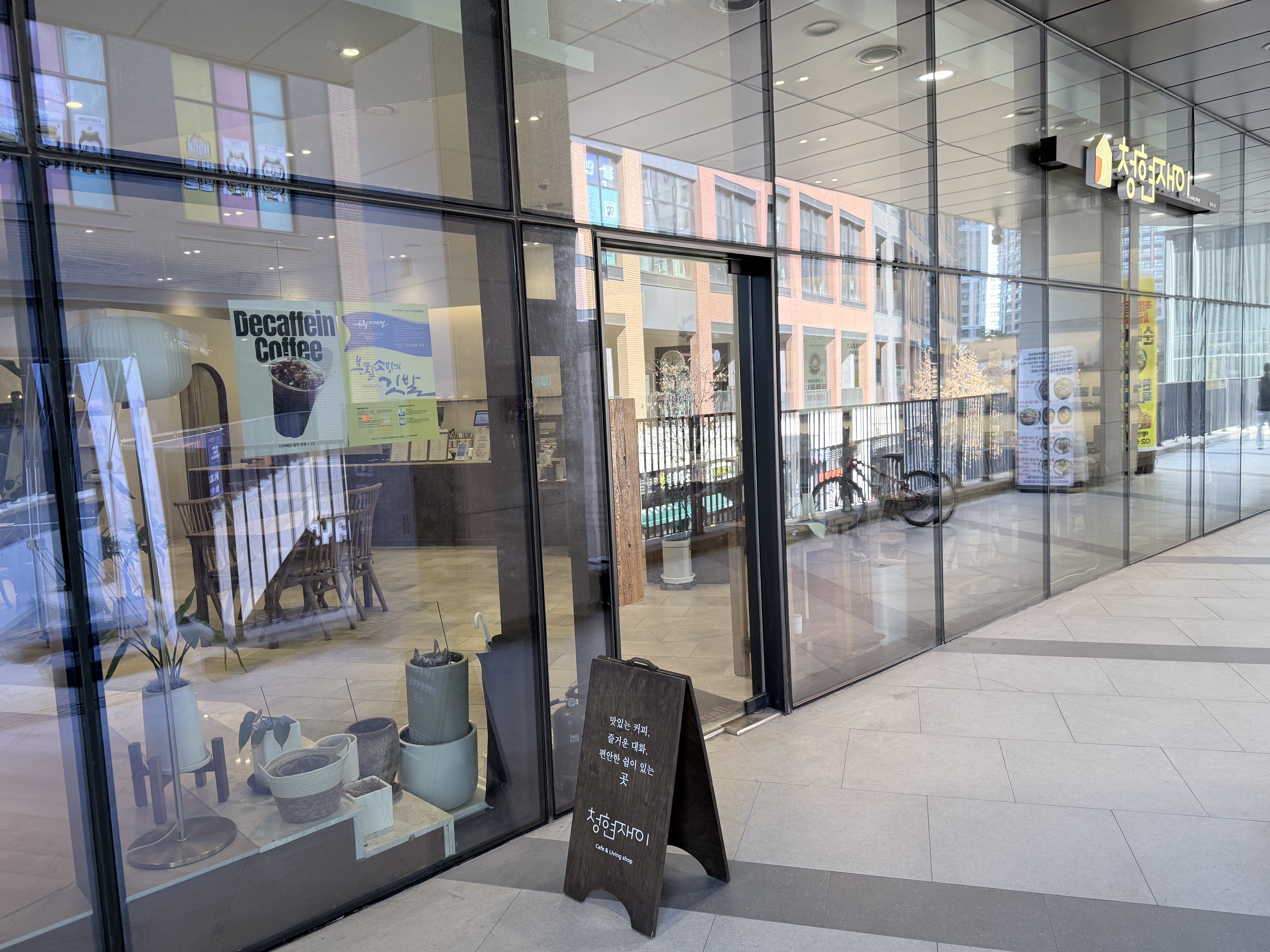
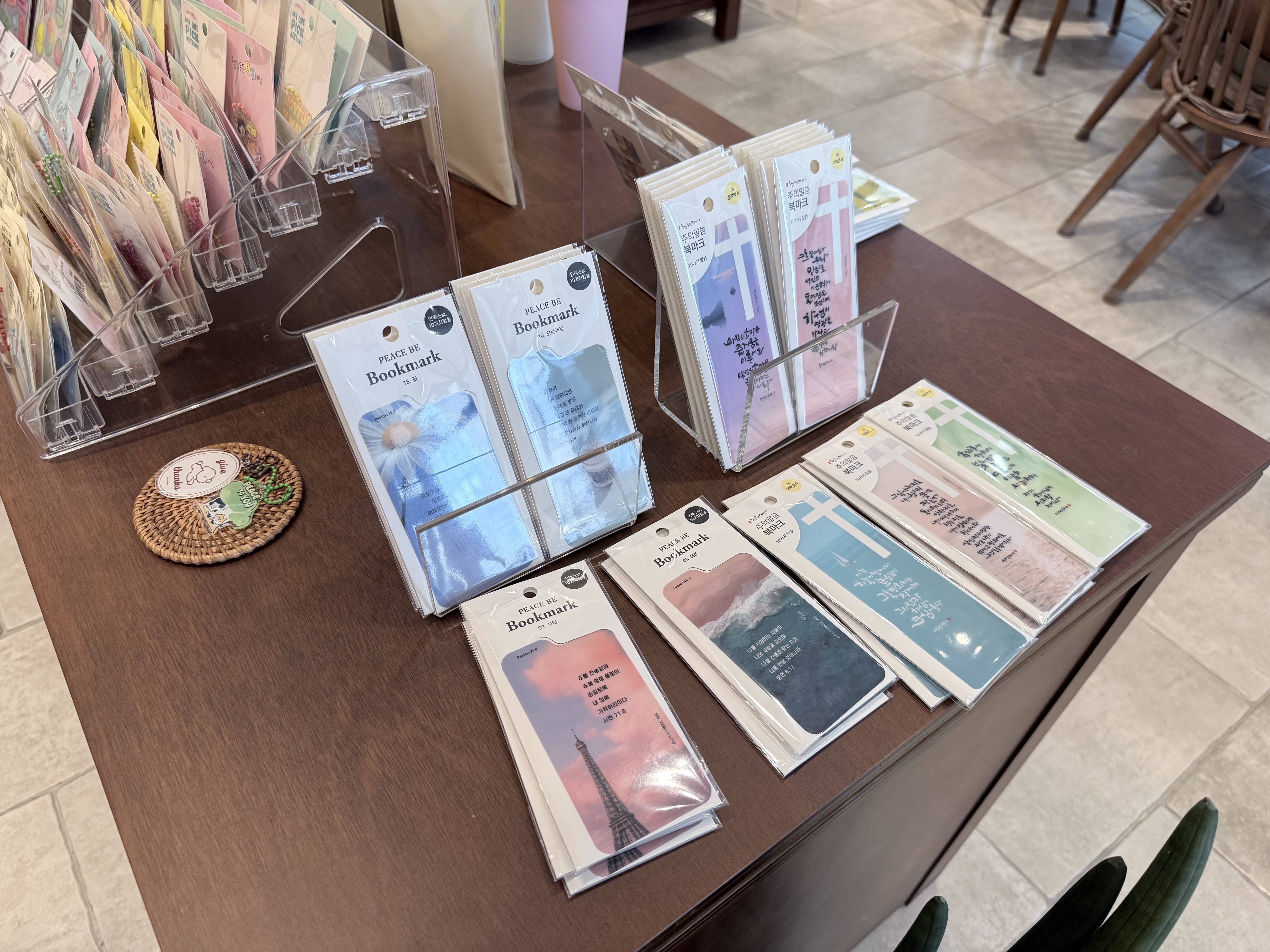
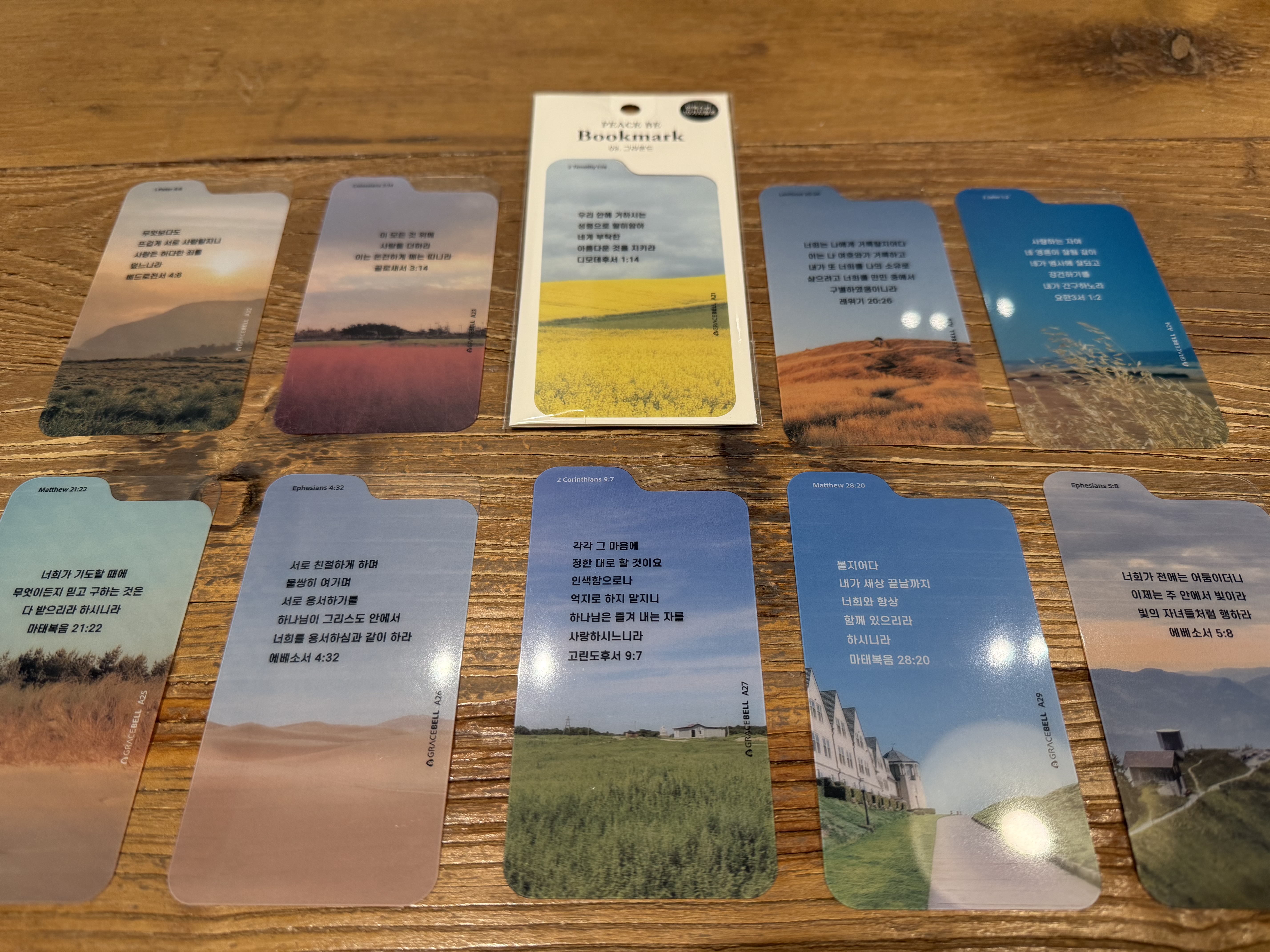
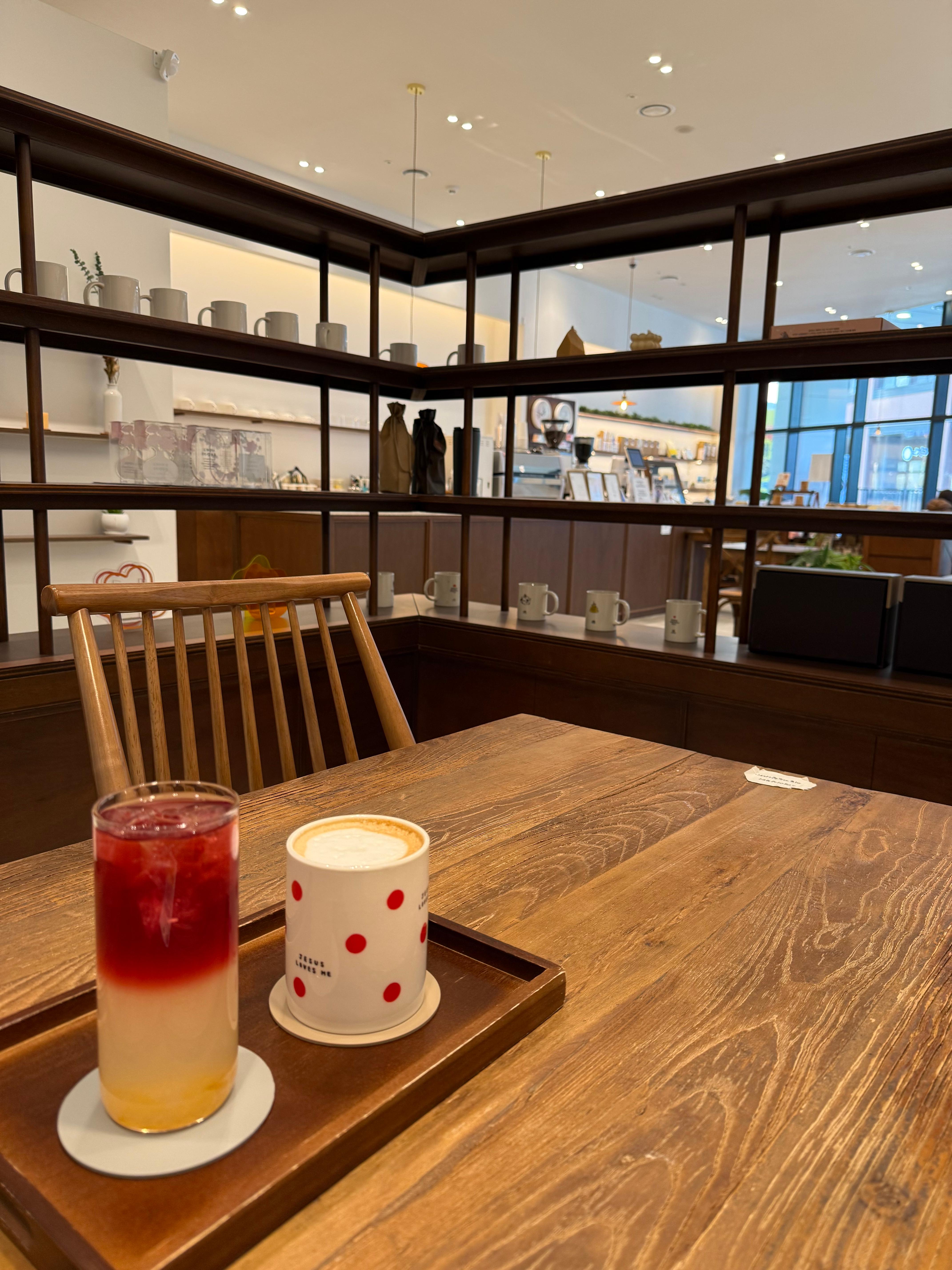
The Mission also operates a second space, located in Gwangmyeong: the Café & Living Shop. Where the Art Center makes no concessions to its Christian identity, the Café & Living Shop occupies a more accessible register. Believers and non-believers alike can walk in without any particular threshold to cross. It is the kind of space where someone unfamiliar with the faith might linger over coffee and find themselves, almost without noticing, in proximity to the Word — a low-pressure point of contact that is not without its own quiet evangelistic logic.
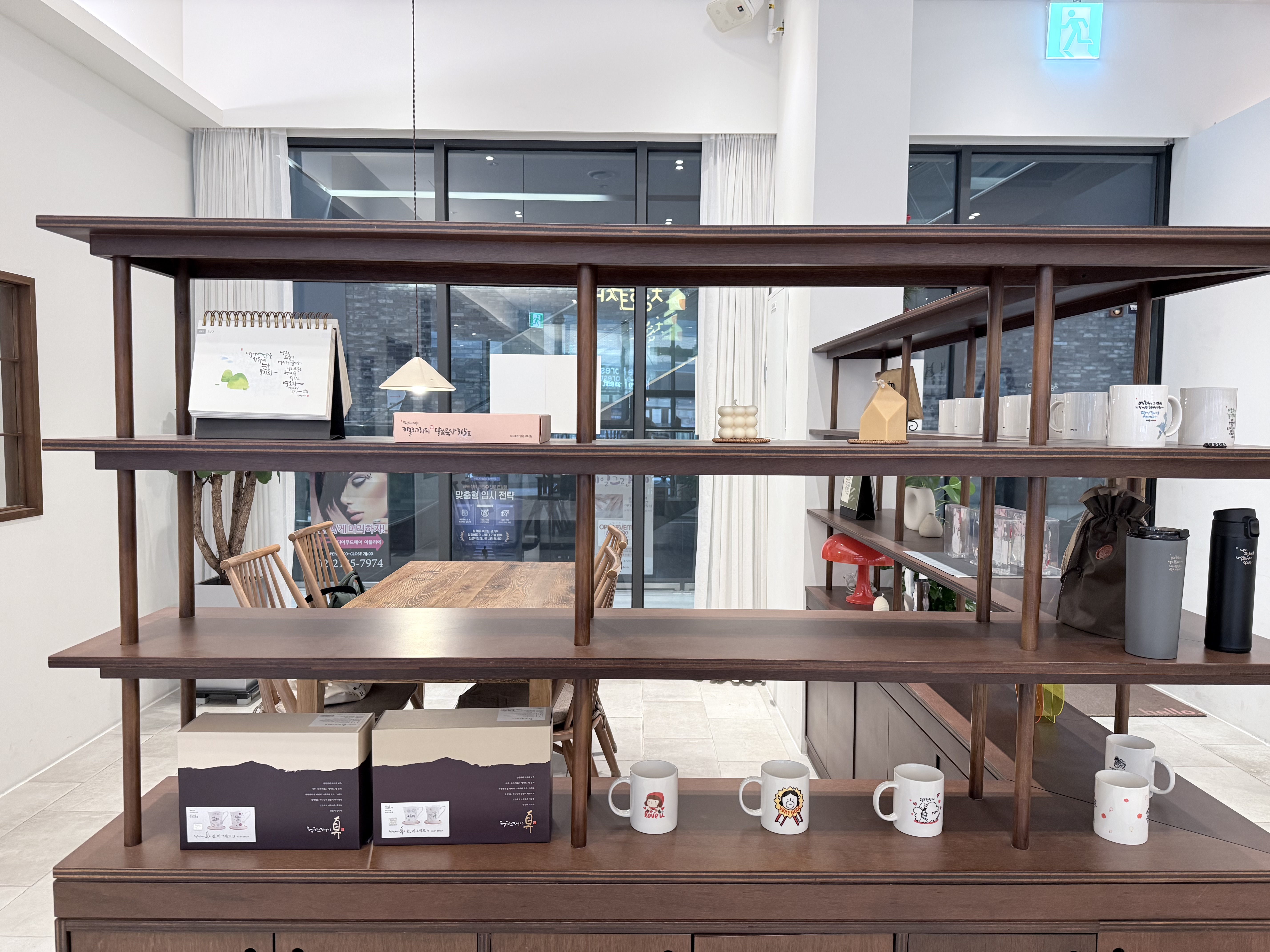
The merchandise selection here is considerably broader than what is available at the Art Center: framed pieces, stationery, Scripture cards, bookmarks, and a range of other items suited either to personal use or as gifts. For those looking to furnish their daily environment with objects that quietly point toward something larger, the shop offers a well-curated range of options.
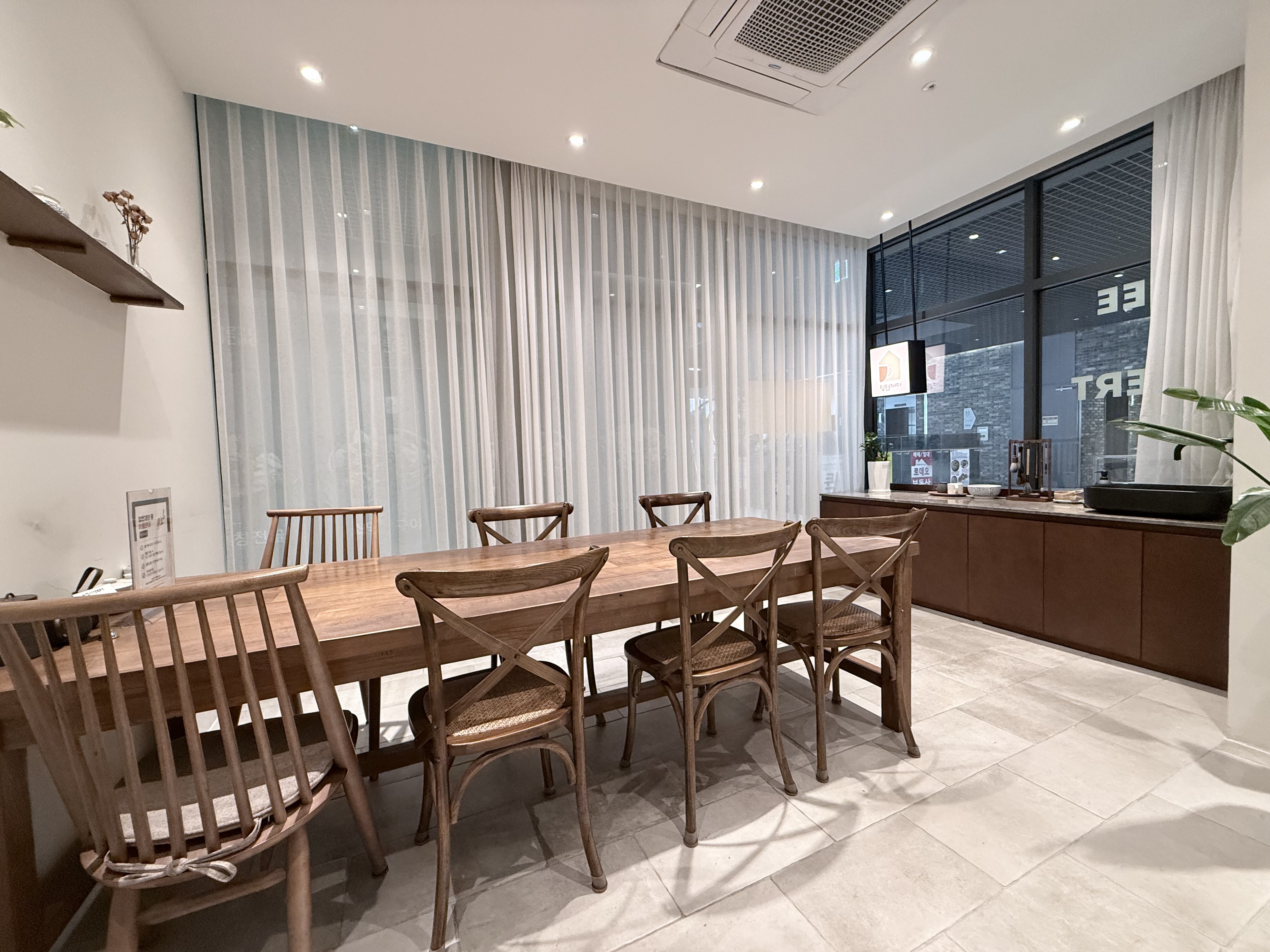
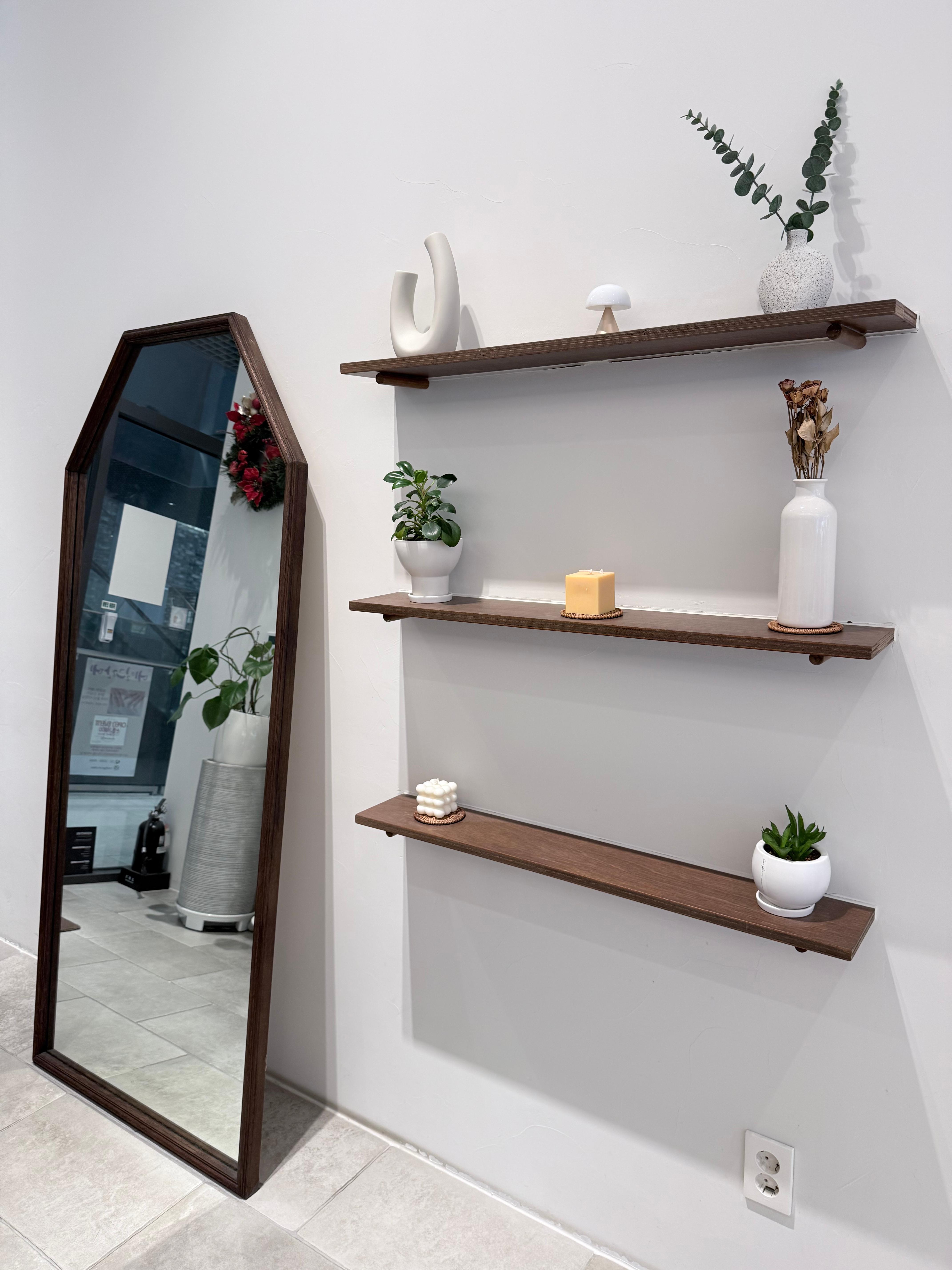
The interior is warm and unhurried. Window seating, tables for two and four, and a sofa corner give the space a flexibility suited to different kinds of visits. The predominance of wood throughout ties the atmosphere together — a material that ages and breathes, not unlike the tradition it quietly serves.
Coram Deo: On Encountering the Word in Ordinary Life
Reading and copying Scripture remains the most essential form of engagement with God's Word. Nothing replaces it. But the Calvinist instinct — that all of life falls under the lordship of Christ — implies something further: that the Word may be encountered not only at the desk or in the pew, but in the spaces we inhabit and the objects we handle. Coram Deo, the sense of living always before the face of God, is not a posture reserved for formal acts of devotion. It is the texture of an entire life. Cheonghyeonjaei Art Center and Café & Living Shop do not replace the means of grace. But they do offer something genuinely useful — spaces and objects that keep the Word in view, quietly, in the ordinary hours of an ordinary day.
About Author
faith.log
A journal that connects faith and everyday life. In each small piece of writing, we share the grace of God and the depth of life together.


