The Dark Ages: A Time When the Seeds of Reformation Began to Grow
In this root.log, we will focus primarily on the Reformation and the Puritans. The reason is simple: I believe the era we are living in today is not so different from the time of the Reformers or the Puritans, when faith was being rebuilt on the foundation of God’s Word. Many say we are living in the “end times,” but history reminds us that the church has often walked through ages of darkness and crisis. The essential question is not whether we face darkness, but how the people of God respond to it.
Thus, reflecting on the lives of the Reformers and the Puritans is not merely an exercise in historical curiosity—it is a mirror for our own time. Their witness speaks directly into how we might faithfully live in the places God has set us today.
Europe in Darkness at the Close of the Middle Ages
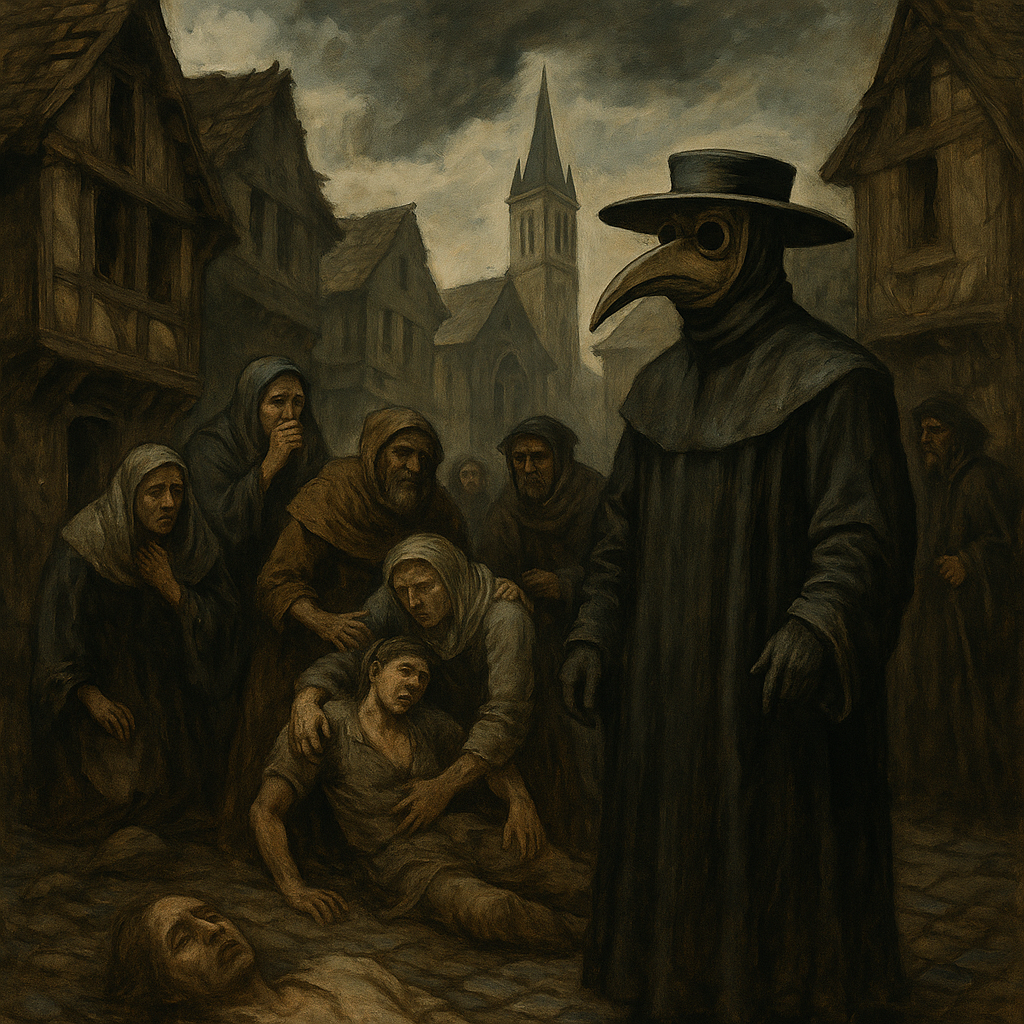
From the 14th to the mid-15th century, Europe was in turmoil. The Black Death swept across the continent, taking countless lives. Wars raged, leaving behind plunder, fire, and devastation. And the church, which should have shone the light of Christ, was instead mired in corruption and moral collapse. From a human perspective, this was an age deserving the name “the Dark Ages.” Yet it was within this very darkness that God was preparing the seeds of Reformation.
Historians generally point to four major factors that paved the way for the Reformation: Renaissance humanism, technological advancements, the rise of nationalism, and the corruption of the church.
1. Renaissance Humanism and Christian Humanism
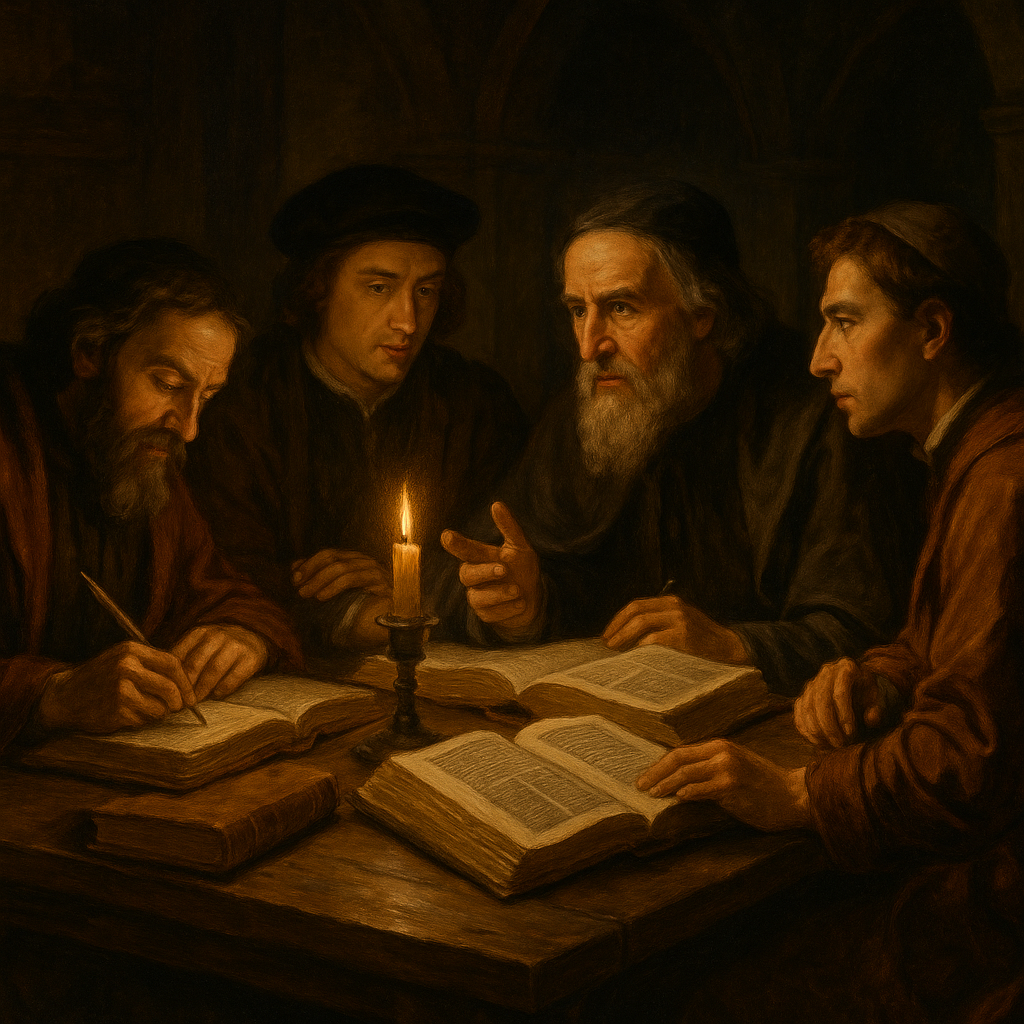
Renaissance humanism emphasized the dignity and potential of humanity, urging a return to the wisdom of the classical world. While the Italian Renaissance carried a distinctly secular character, the Northern Renaissance developed differently. Rooted in Scripture and the writings of the early church fathers, it blossomed into what came to be known as “Christian Humanism.”
It was this intellectual soil that gave rise to Reformers like Luther and Calvin. Their ability to study and interpret the Scriptures in their original languages revealed just how far the Roman Church had strayed from the truth of God’s Word. Thus, the Reformation took root not in Italy but in Northern Europe, where biblical humanism had flourished.
2. Technological Advancements and the Spread of the Word
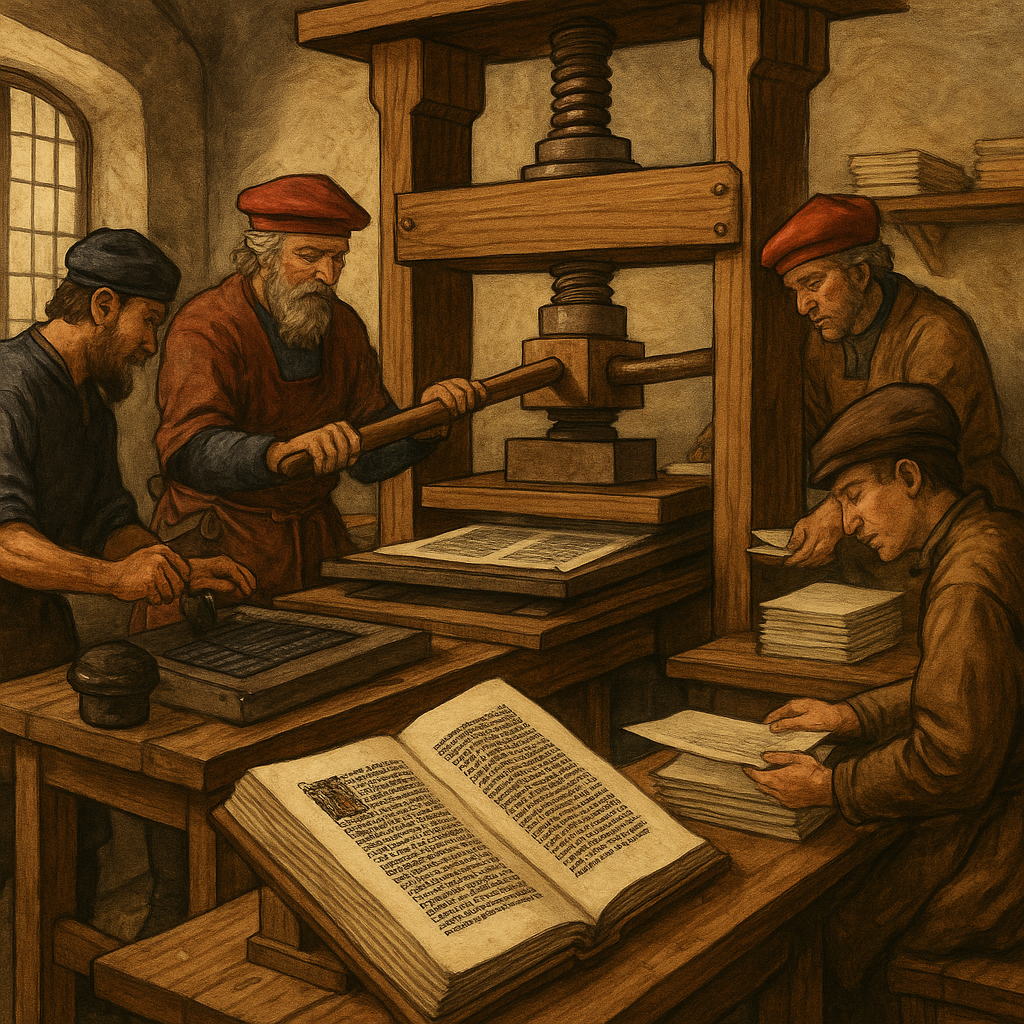
Technology also played a decisive role. Eyeglasses extended scholarly study. The compass opened the way for new worlds. Mechanical clocks shaped a culture of productivity and efficiency. But above all, Gutenberg’s printing press became the single most important technological development for the Reformation.
Through the press, Bibles and theological works could be mass-produced and distributed at unprecedented scale and speed. Literacy rates climbed, revolutionary ideas spread, and the authority of God’s Word began to break through the monopoly of church tradition. Earlier reformers had been martyred for their convictions; now, with the aid of the printing press, the message could not be silenced.
3. Nationalism and the Rise of the Modern State
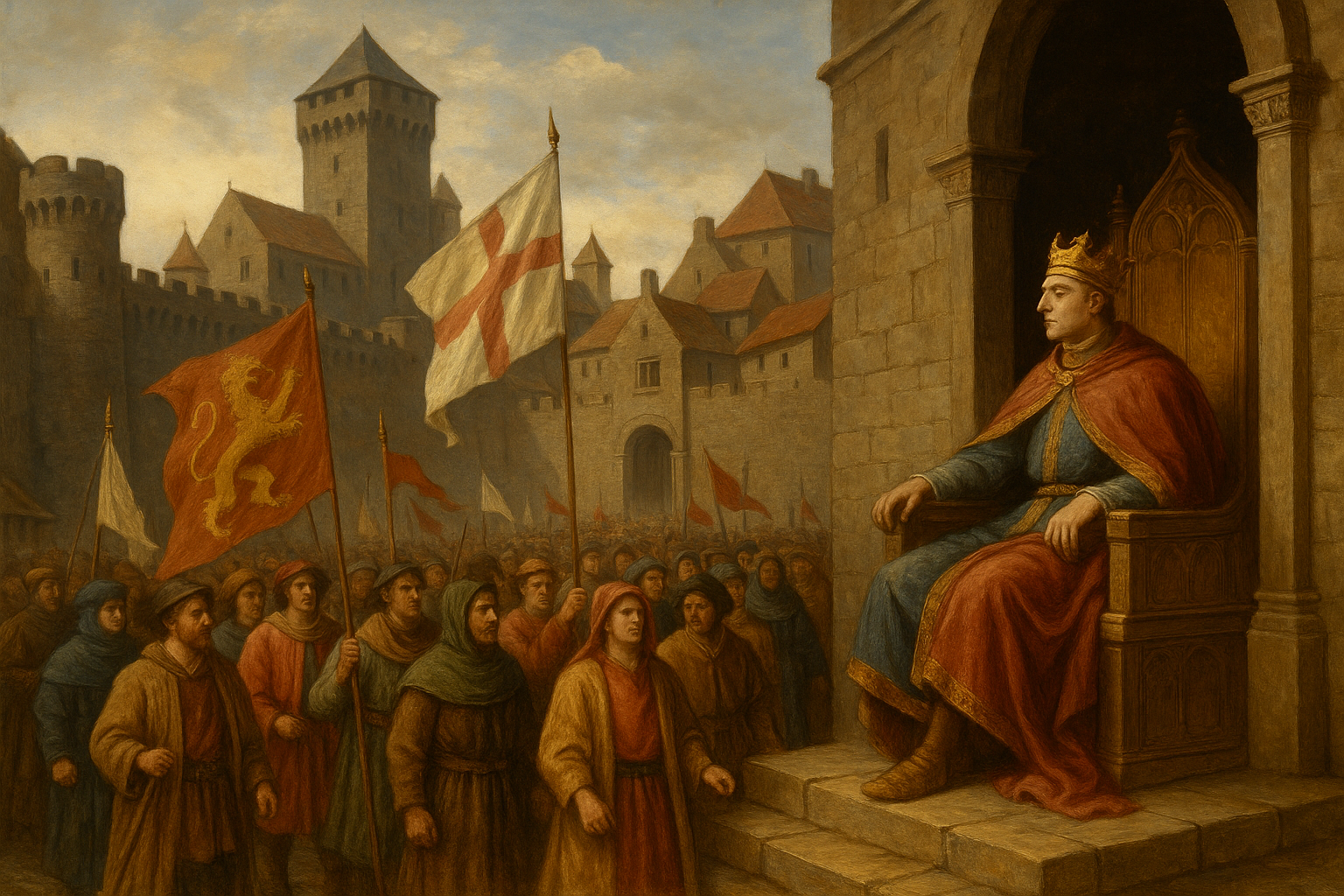
The Reformation was never purely a matter of private piety. It unfolded against the backdrop of massive social and political change. The rise of nation-states weakened the grip of papal authority and the power of the Holy Roman Emperor. This new political landscape provided Reformers with space to act and speak more freely. In God’s providence, even the shifting structures of power became instruments preparing the way for gospel renewal.
4. The Corruption and Decline of the Church
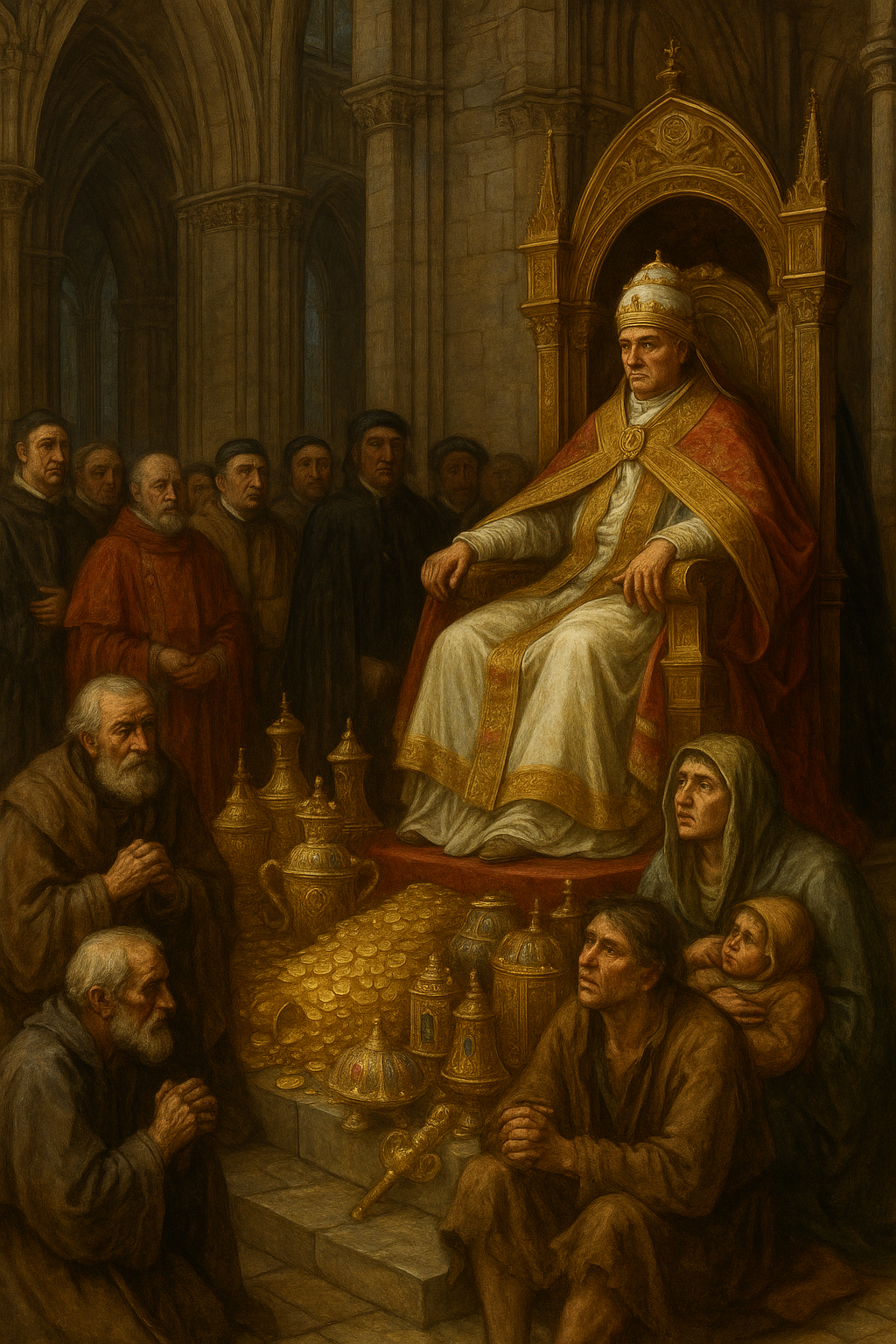
The failure of the Crusades, followed by the Babylonian Captivity of the Papacy in Avignon, exposed the deep fractures within the church. The papacy, entangled in politics and wealth, became increasingly detached from spiritual leadership. During the Black Death, priests abandoned their duties, leaving the people disillusioned. As literacy spread, laypeople began reading Scripture for themselves and saw the stark contrast between the holy life Scripture demanded and the corrupt lives of many clergy. Trust in the church’s authority crumbled.
God’s Providence in Preparing the Reformation
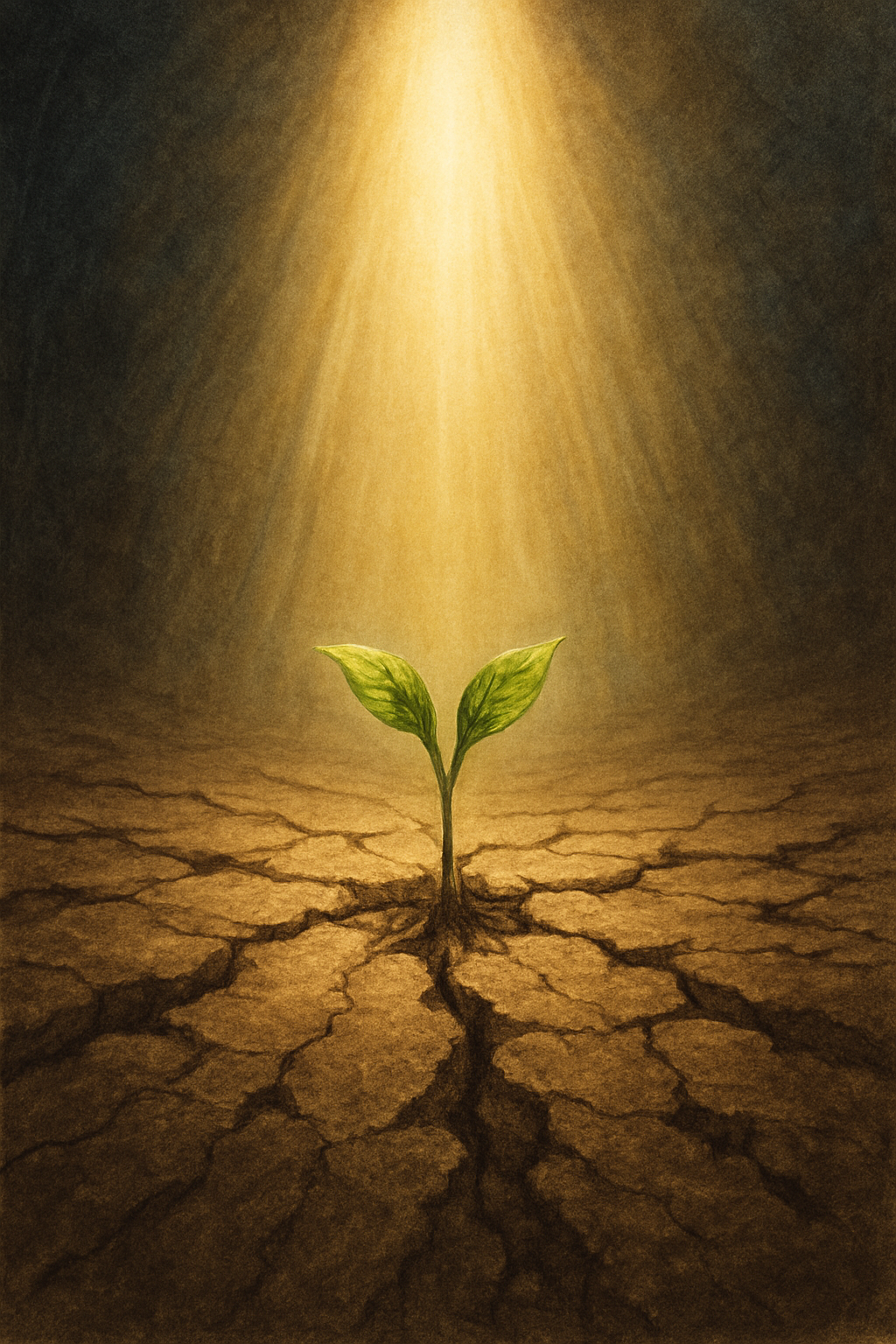
The Reformation was not a sudden eruption, but the fruit of centuries of divine preparation. Like spring flowers breaking through after a long winter, the seeds of renewal had been sown long before. Even in the darkest of ages, God was at work.
As John Calvin reminds us, God’s providence is so complete that even human wickedness becomes an instrument of His sovereign will. In the corruption of the church, in the decay of society, God was preparing to raise up Reformers to call His people back to His Word. The gospel, once again, would shine with purity and power.
A Question for Our Time
Today, many speak of the need for a “second Reformation.” If that is true, then our calling is clear. Like the Reformers, we must return to the Word, build our lives on its truth, and trust in God’s providence even in the midst of a dark and uncertain age.
So here is the question: Where is your faith rooted today? Do you look at the darkness of the world and despair, or do you trust the God who is even now preparing renewal for His church?
✍️ As the first entry in root.log, we have traced the context of the Reformation and allowed it to cast light on our present age. History shows that God always prepares light in the midst of darkness. So too, in this root.log series, we will continue to explore the stories of the Reformation and the Puritans, seeking wisdom for how to live faithfully in our own time.
About Author

faith.log
A journal that connects faith and everyday life. In each small piece of writing, we share the grace of God and the depth of life together.


