『What Are We Dreaming of Here and Now?』
Encountering a Christian Worldview Through Scripture
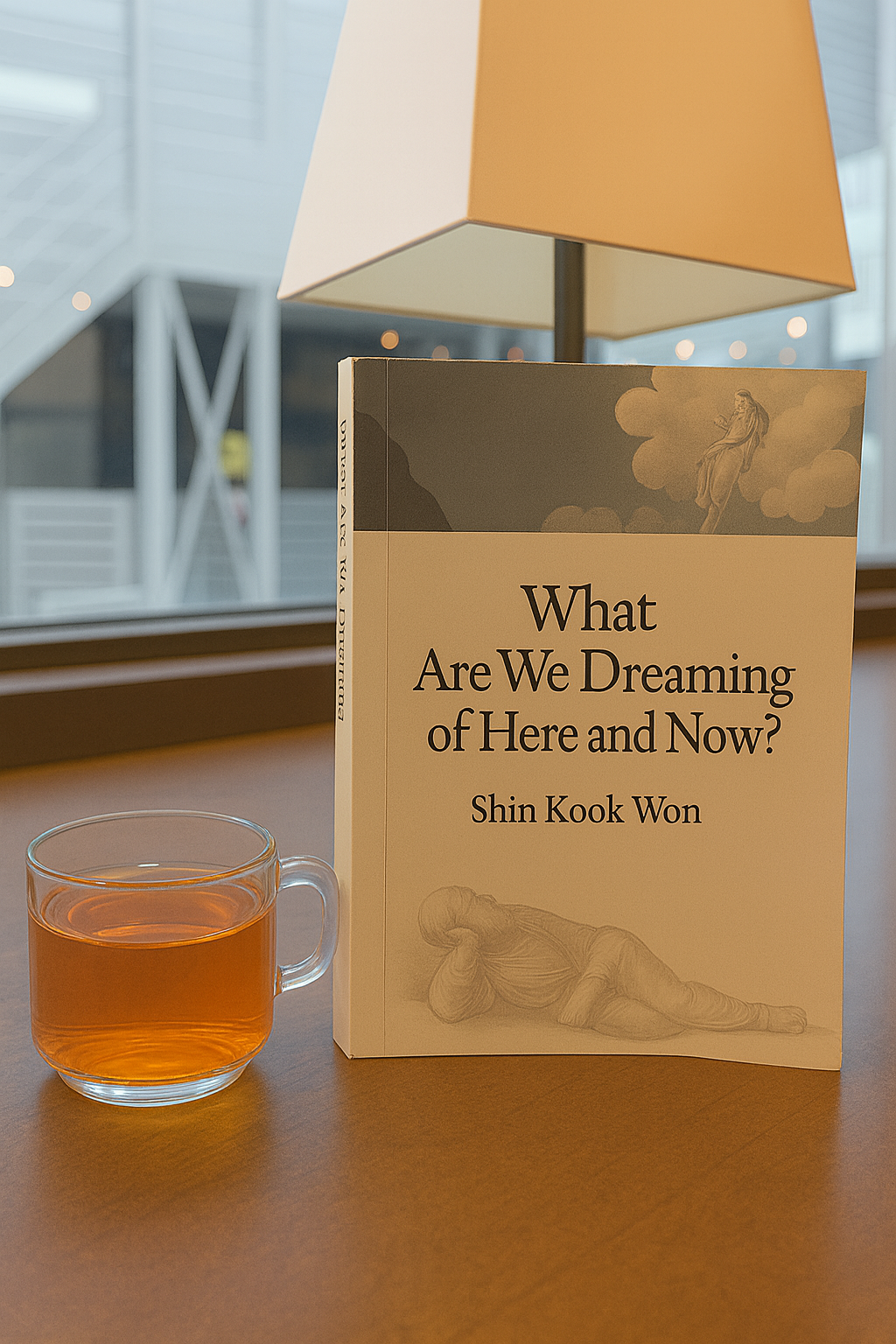
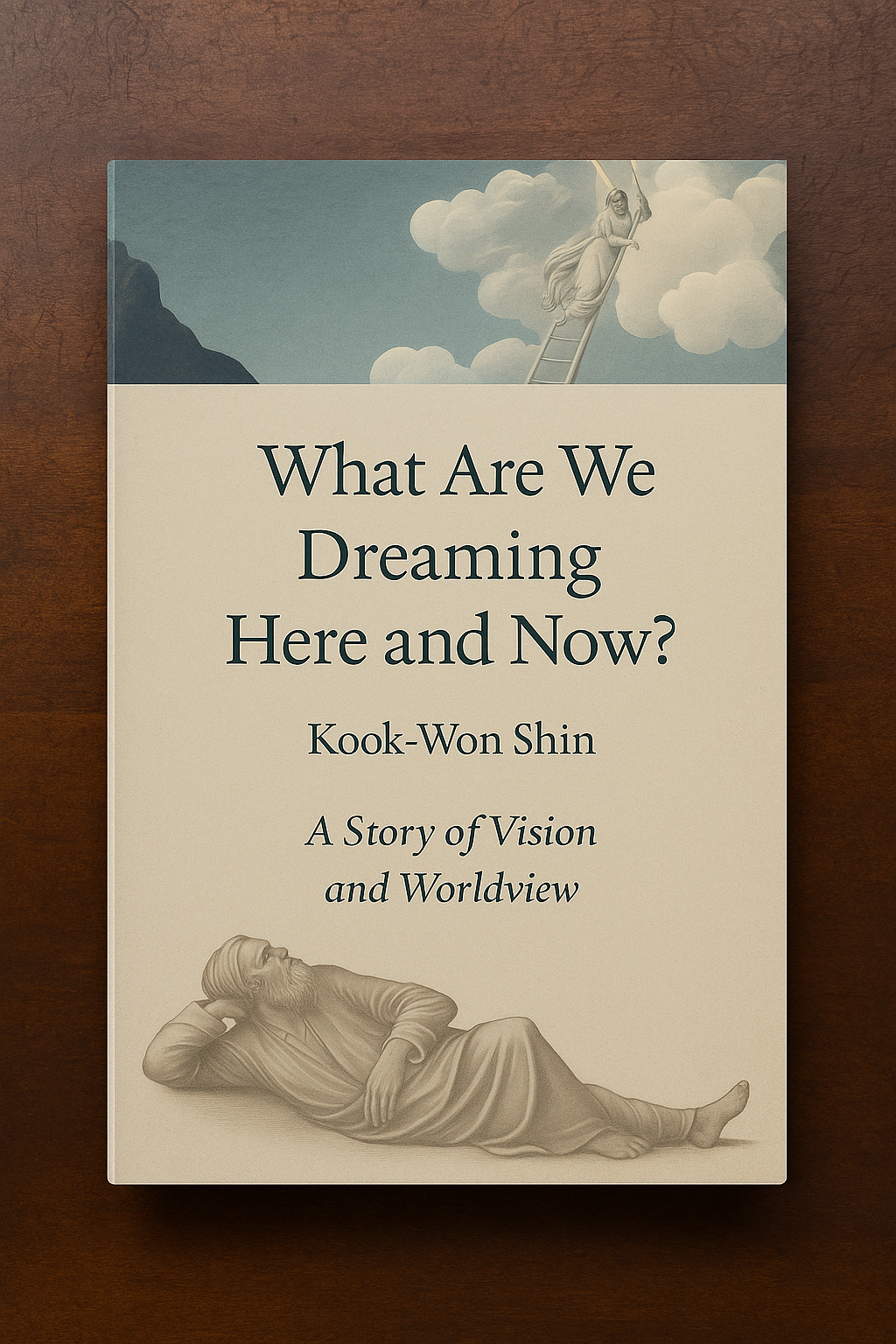
Today, there are countless books on the Christian worldview. From dense philosophical works to more popular-level introductions, the shelves are full. Yet when someone asks where they should begin, the choice is not always obvious. Without hesitation, I recommend Shin Kook Won’s What Are We Dreaming of Here and Now? as the first book to read.
Professor Shin is also widely known for his earlier work, Nicodemus’s Glasses. That volume is valuable in its own right. But having read both, my conclusion is clear: among the many books on worldview, the one that most faithfully and clearly presents a biblical foundation is What Are We Dreaming of Here and Now.
The Christian Worldview Begins with Scripture
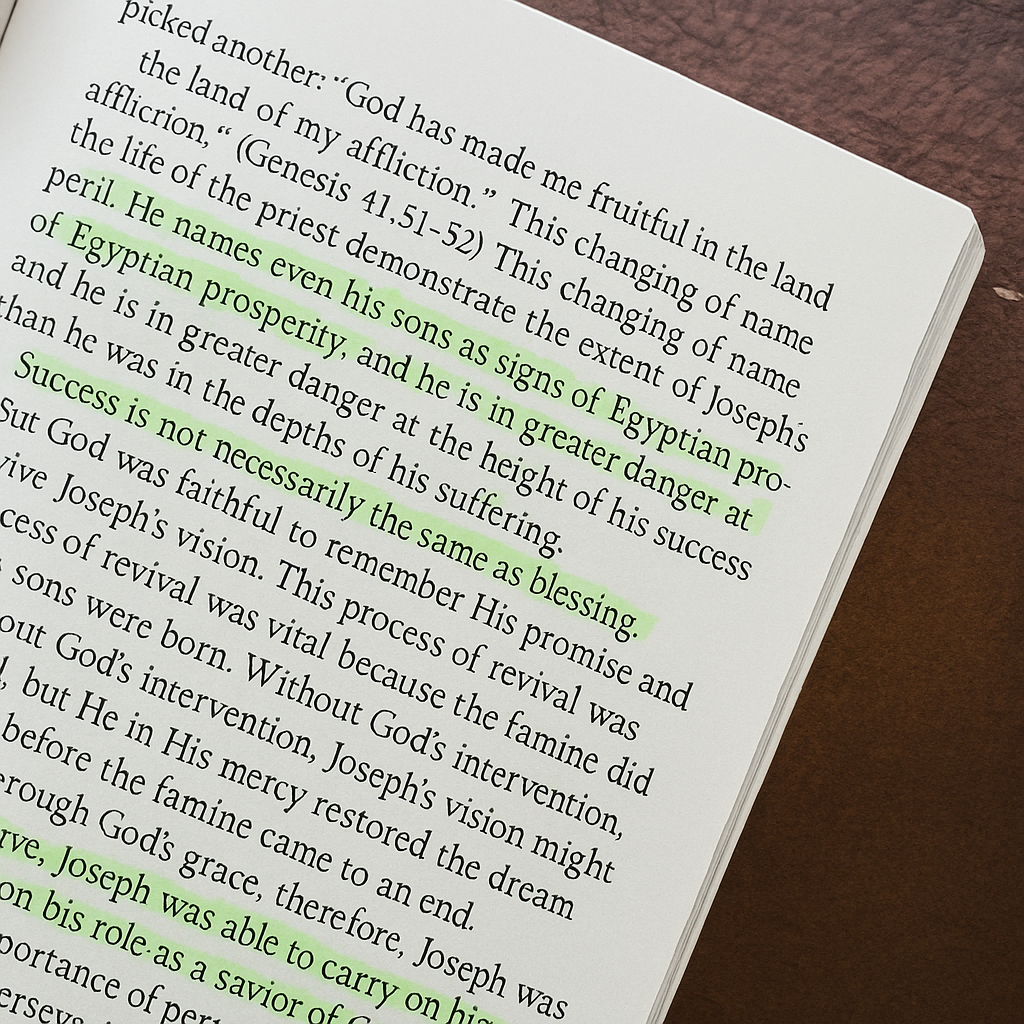
Many works attempt to explain the Christian worldview through philosophical reasoning or theoretical frameworks. Such efforts have their place. But the true starting point of worldview must always be Scripture.
This is where Shin’s book stands out. It does not simply advance human speculation; it unfolds God’s vision through the narratives of Scripture. It shows that a Christian worldview is nothing less than “living according to God’s vision.” This conviction resonates deeply with the Reformed tradition. A worldview is not something constructed by human initiative but a way of life revealed under the sovereign providence of God.
God’s Vision Revealed in the Biblical Story
The book traces the grand biblical story—from Eden to Noah, Abraham, Joseph, Moses, David, the prophets, and ultimately Christ and His apostles. Along the way, it demonstrates how God accomplishes His vision through His people.
The central truth is unmistakable: God’s vision is not achieved by human effort but brought to completion by God Himself. Too often we reduce worldview to “living by Christian values rather than worldly values.” But Shin presses us deeper: the protagonist of the Christian worldview is not humanity but God Himself. Despite our failures and limitations, God never abandons His purpose.
A Theological Re-reading of Joseph
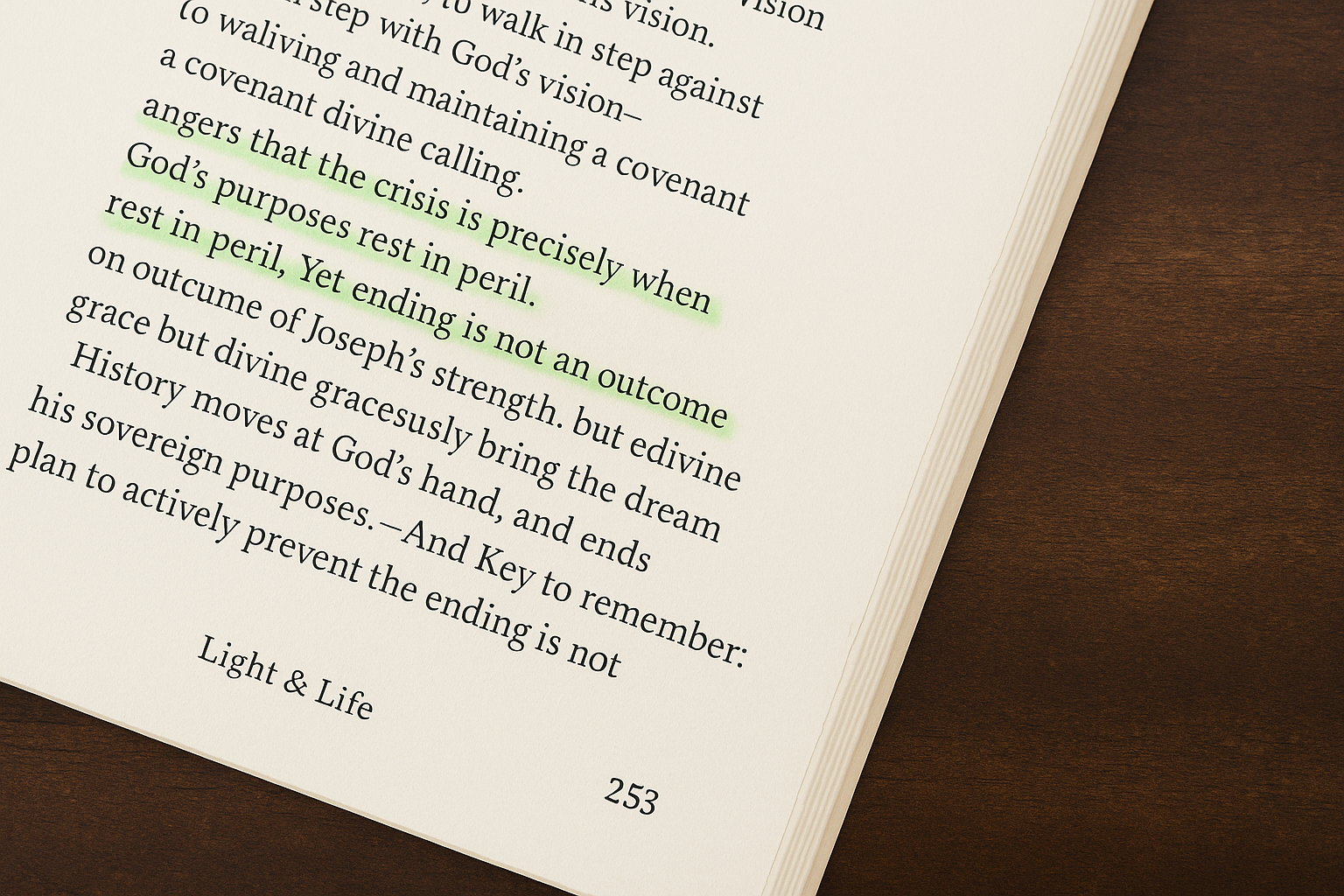
One of the most striking sections is the reinterpretation of Joseph’s story. Many remember Joseph as a success story—a model of perseverance through suffering who rose to power as Pharaoh’s prime minister. Yet Shin reminds us that this position of power was, in fact, the moment of Joseph’s greatest spiritual peril.
Joseph adopted an Egyptian name, married into the priestly caste, and even gave his children names that reflected assimilation and ambition. “Manasseh” (forgetting affliction and family) and “Ephraim” (fruitful in a foreign land) signaled a dangerous drift from God’s covenant promises. But God intervened, recalling Joseph to His dream and His vision.
The lesson is sobering: what the world hails as success may, from God’s perspective, be the very brink of spiritual crisis.
A Compass for Our Time
We live in an age where material prosperity and worldly success are idolized. Tragically, even many believers clothe those same ambitions in Christian language. Yet the Reformed faith insists that every sphere of life must be understood under God’s sovereign rule and interpreted through His vision.
Shin’s book is powerful precisely because it does not speak in abstractions. It unfolds theological truth through the drama of Scripture itself, guiding the reader to see that the Christian worldview is not an idea to be debated but a life to be lived under God’s reign.
Conclusion
What Are We Dreaming of Here and Now? restores the Christian worldview to its proper ground: not in human philosophy but in the story of Scripture. At the same time, it embodies the Reformed conviction that the Christian life is God-centered—shaped by His sovereignty and directed by His vision.
For those beginning their journey into the study of worldview, this book is more than an introduction. It is, in truth, a compass that reorients the believer toward God’s dream and God’s way in the world.
About Author

faith.log
A journal that connects faith and everyday life. In each small piece of writing, we share the grace of God and the depth of life together.


