Walking Through the Footsteps of Christian Mission in Incheon, Korea
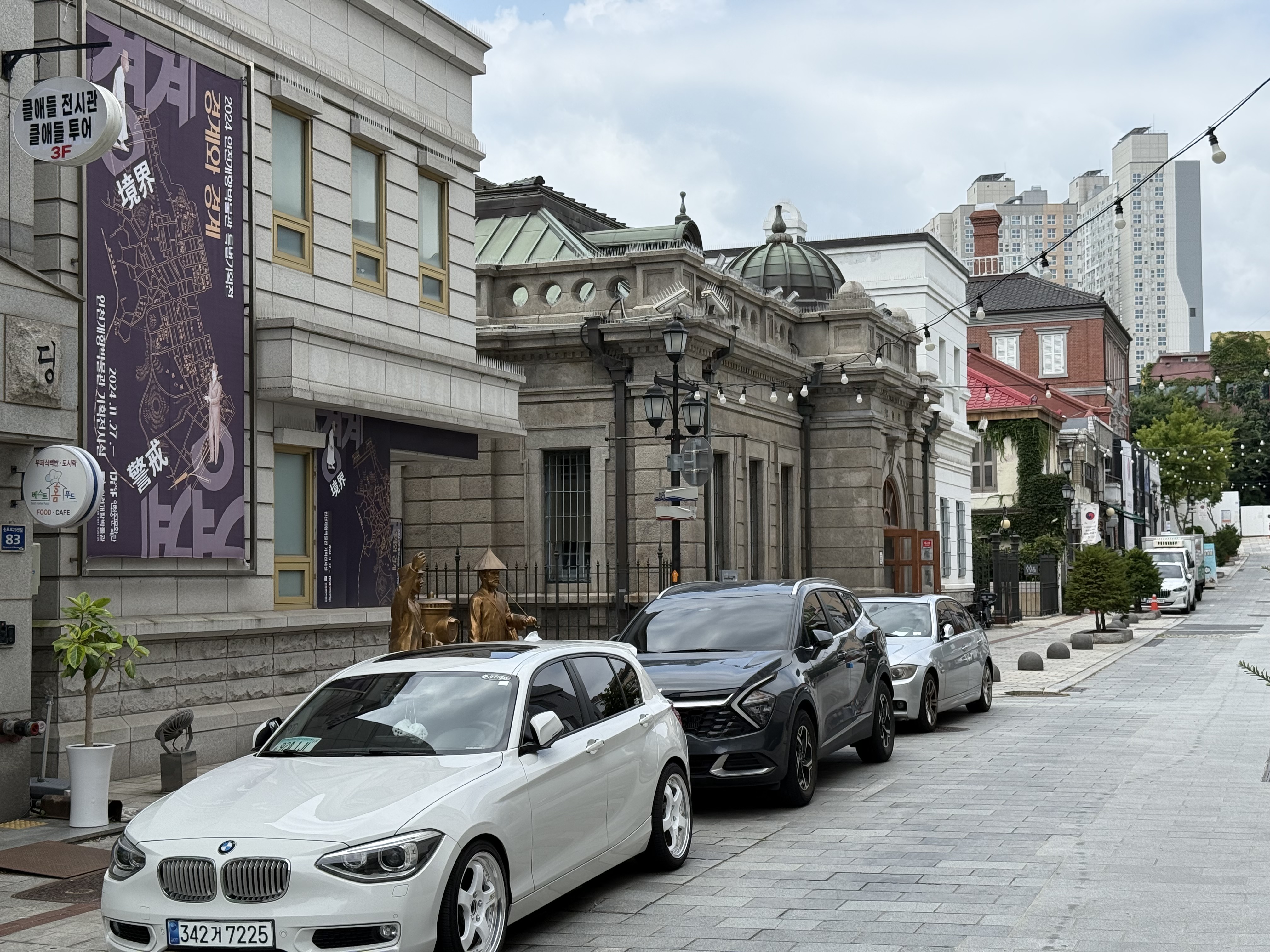
Incheon, once home to the treaty ports of Jemulpo and Dong-Incheon in the late Joseon period, was more than a gateway for Western culture. It became the entry point for Christianity to set foot on Korean soil. Interestingly, the early history of Korean Christianity was unique: long before missionaries arrived, both the Bible and Korean believers were already present. Yet there was an urgent need for pastors who could guide them in sound biblical truth. That need was soon met when missionaries entered through Incheon, marking the beginning of Christian mission and the expansion of the Korean church.
Today, walking through the old port area of Incheon, we find several places that preserve the story of these beginnings. Let us revisit three sites that still carry the footprints of the gospel’s arrival.
Naeri Methodist Church – The Seed of the Gospel in a Thatched House
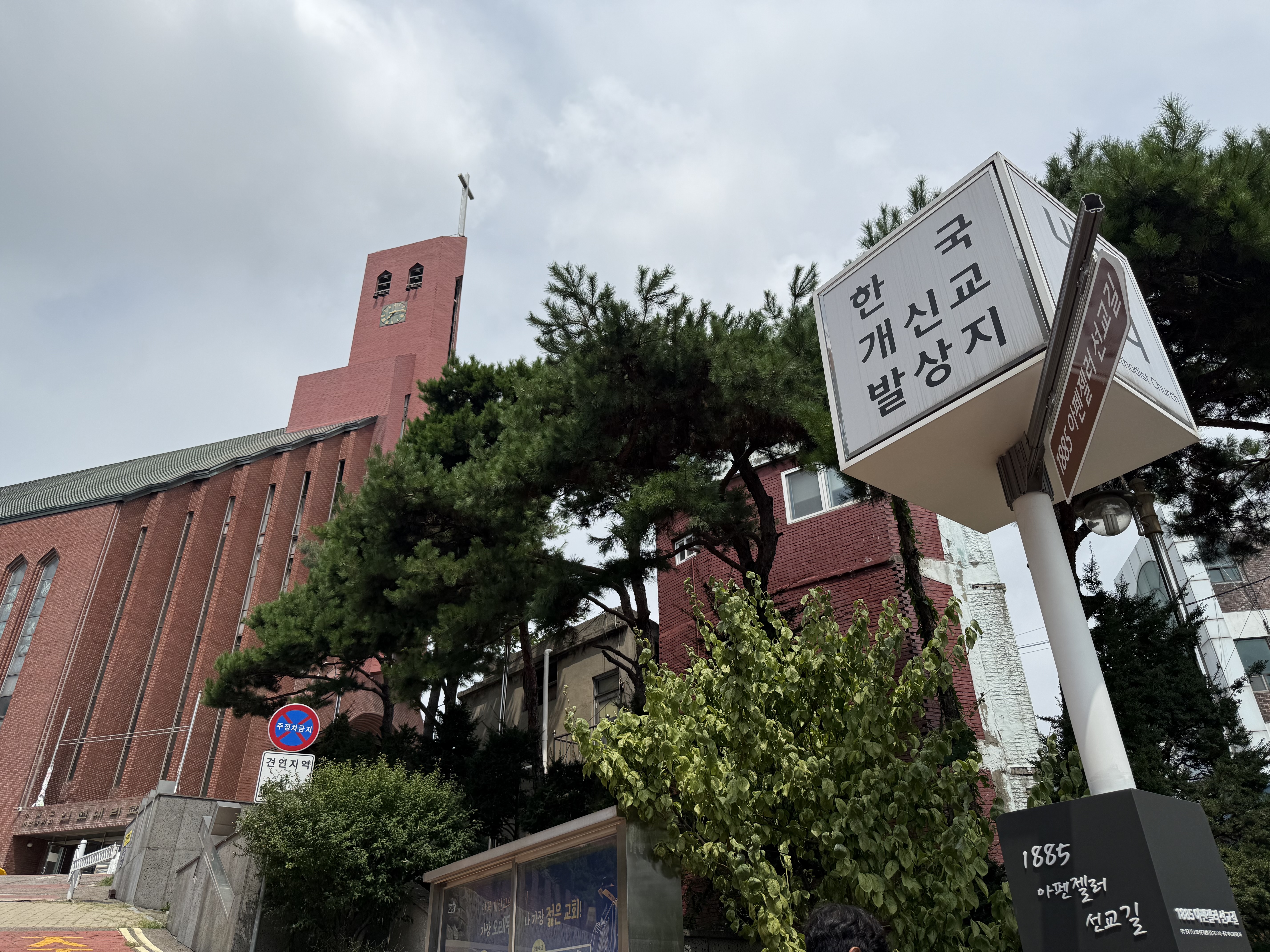
Naeri Church stands as the first Christian congregation rooted in Incheon. In 1885, Henry Appenzeller arrived in Jemulpo and began preparing for ministry. Even today, the “Appenzeller Mission Trail” stretches before the church, allowing visitors to walk the very path where he once carried the gospel, leaving behind comfort for the sake of Christ.
The beginnings were humble. In 1890, worship was first offered in a simple thatched cottage in Angol (Naeri). In an age where many equate the church with grand sanctuaries, the image of believers gathering in a small cottage raises a question for us: Do we hold on to mission before form?
By Christmas of 1901, the first Western-style church building in Incheon, the “Jemulpo Wesley Church,” was dedicated. When Rev. Kim Ki-beom later became its pastor, the mission expanded beyond Incheon to Ganghwa, Yeonan, and Haeju. Standing before the restored cross-shaped building today, we are reminded to ask ourselves: Does the structure of my own life reflect the cross of Christ?
Naedong Anglican Church – The Spirit of Healing and Service

Naedong Church marks the first Anglican parish in Korea, founded in 1890 by Bishop Charles John Corfe (known in Korea as Goyo-han). Alongside him, Dr. Landis established St. Luke’s Hospital, weaving medical care into the work of mission. Statues of Bishop Corfe and Dr. Landis now stand in the church garden as reminders of their devotion.
The current church building, rebuilt in 1965 after war damage, carries a distinctive medieval stone design. Its most striking feature is the side window shaped like a cross, through which sunlight pours into the sanctuary. Inside, the cross-shaped light symbolizes the grace of Christ breaking through the world’s darkness.
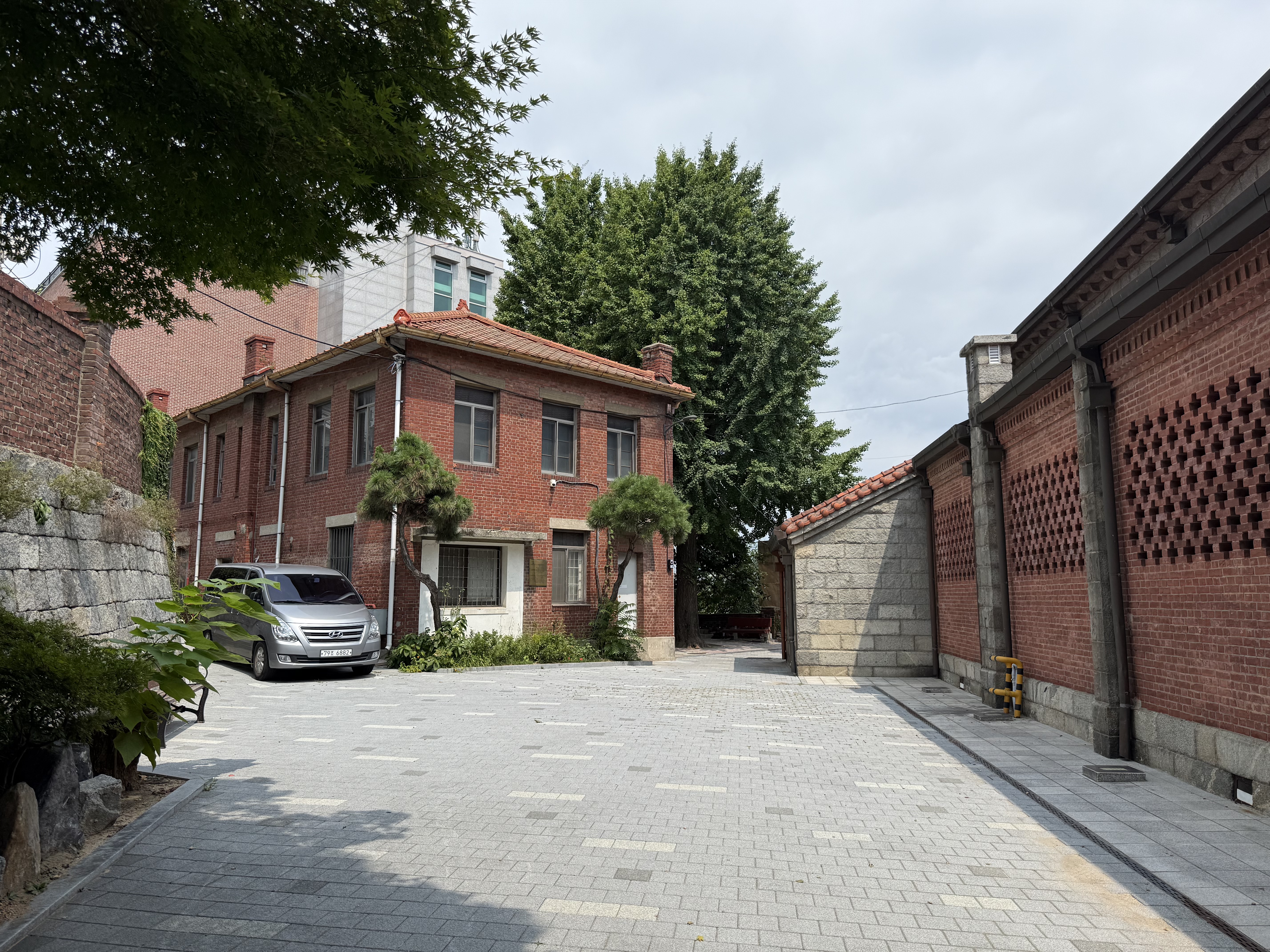
The sanctuary remains open to all, welcoming visitors into silence and prayer. Historic photographs displayed inside recall the early days of mission, while the church continues its legacy of service through the St. Michael Social Welfare Center, offering education, counseling, and community care. Such a witness challenges us: Does the grace we receive in worship overflow into the rhythm of our daily lives?
The Centennial Memorial Tower – From Memory to Mission
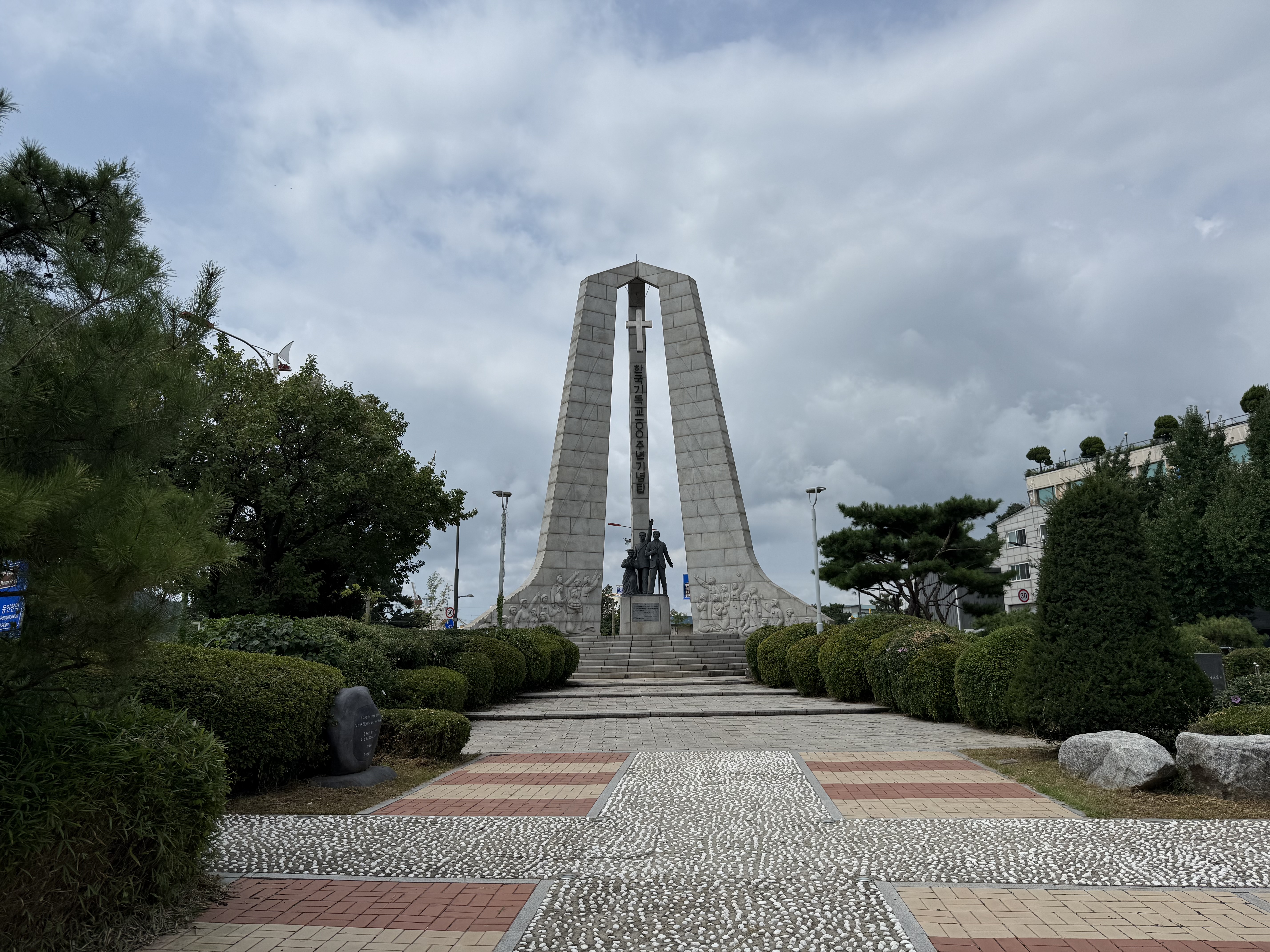
In 1985, the “Centennial Memorial Tower of Korean Christianity” was erected in Incheon, a seventeen-meter monument that engraves into the city’s memory the first step of the gospel in 1885. With three spires and the form of a bell, the tower symbolizes the resounding of the gospel across the seas to the world.
Carved into the monument are the faces of Appenzeller, his wife, and Horace Underwood. Below, one finds the prayer offered on Easter morning, 1885, as they first set foot on Korean soil:
“O Lord, who has broken the bars of death and risen again, grant that these Korean people, oppressed in darkness, may receive the bright light and freedom of Your gospel.”
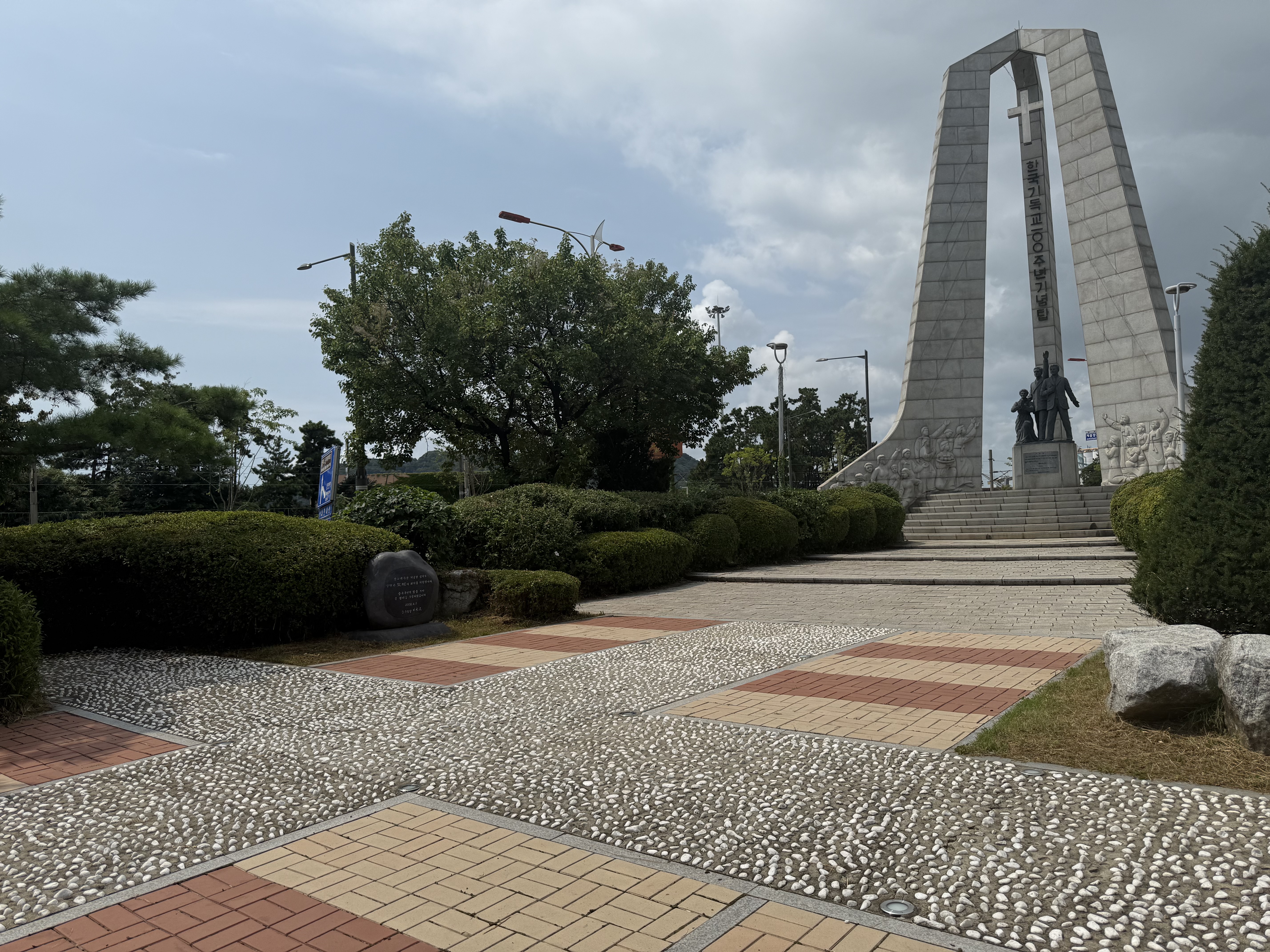
This tower is more than a commemoration of a hundred years. It is a declaration of vocation: that the Korean church, indebted to the missionaries who brought the gospel, must now take its turn in carrying that light to the nations. Memory, then, is not mere nostalgia—it is a renewal of sending. Standing before this monument, we cannot help but ask: How am I carrying the debt of the gospel today?
Conclusion
The old port of Incheon is not just a relic of modern history. It is a living testimony, soaked with tears, prayers, and footsteps of those who first bore the gospel to Korea. The cottage of Naeri, the cross-shaped light of Naedong, and the prayer at the Centennial Tower all echo a single truth: the gospel is not about form but about mission, not about commemoration but about new beginnings.
Walking through these sites, may we rediscover our calling as those who are sent—messengers of Christ to our time and place.
About Author

faith.log
A journal that connects faith and everyday life. In each small piece of writing, we share the grace of God and the depth of life together.


