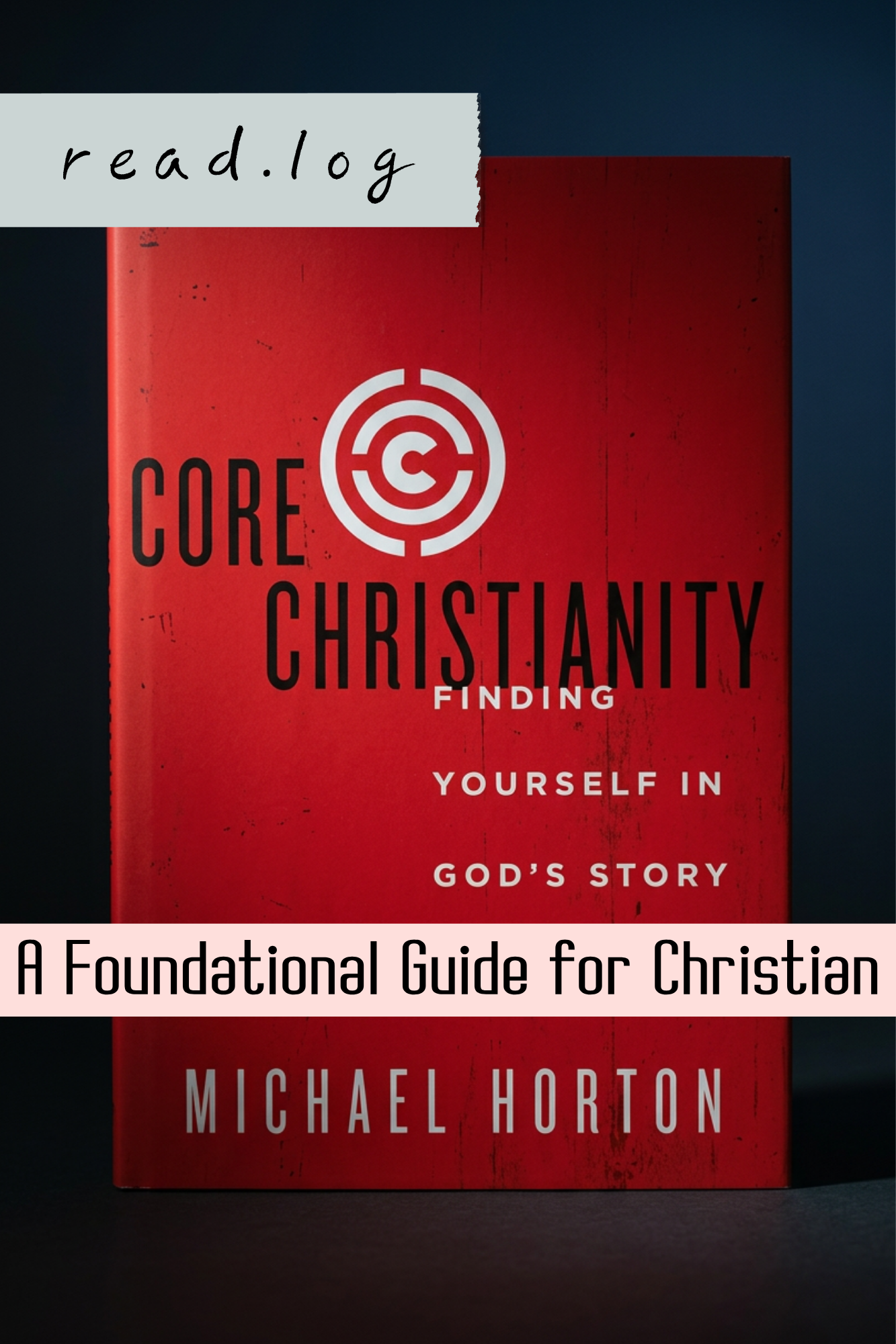
Core Christianity: Finding Yourself in God's Story — A Foundational Guide for Those Who Want to Live Differently
There are moments in life when you realize, only after a friendship has deepened, that someone you've known for years is a Christian. What makes these moments striking is not the revelation itself, but the fact that nothing about them had suggested it. No visible difference in how they carried themselves, how they spoke about the world, or how they ordered their lives. That absence of distinction is worth sitting with — because it points to something quietly troubling about the state of faith in our time.
Everyone operates from a worldview. Most people couldn't articulate theirs if asked, yet it shapes everything: what they pursue, what they fear, how they treat others, and what they ultimately live for. Christians, by definition, are those whose understanding of reality has been reordered by the gospel. A Christian worldview is not a lifestyle preference or a subcultural identity — it is a fundamentally different account of who God is, who we are, and what this world is for.
So why do so many Christians move through the world in ways that are functionally indistinguishable from their non-Christian neighbors? The uncomfortable answer is that many have never replaced a secular worldview with a Christian one. They've added religious activity to an otherwise unchanged framework. And that raises a harder question: in what meaningful sense can a Christianity that makes no claim on how we actually see and live be called Christianity at all?
Building a Christian Worldview Begins with Knowing What You Believe
The starting point, then, is clarity about what one actually believes — not in vague, general terms, but with enough substance to shape thought and action. You cannot live out convictions you cannot name.
Many Christians assume they're theologically grounded because they know the broad contours of the biblical narrative: Adam, Noah, David, the cross, the resurrection. But this much is common cultural knowledge. What distinguishes a genuinely Christian mind is not familiarity with biblical stories, but a formed understanding of the God those stories reveal — Father, Son, and Holy Spirit. The doctrine of the Trinity is not a theological technicality; it is the very shape of the reality Christians inhabit.
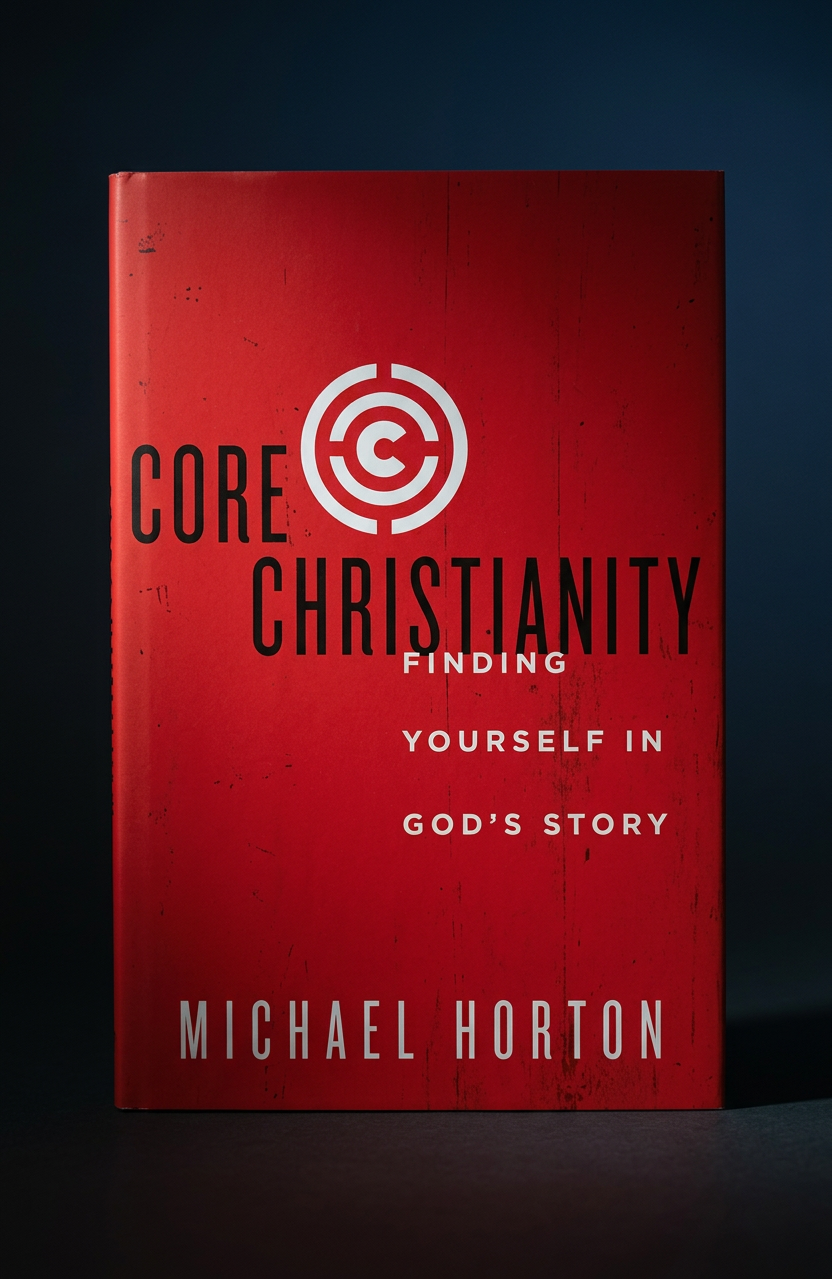
This is precisely where Core Christianity: Finding Yourself in God's Story by Michael Horton proves its worth. It is not a survey of biblical events. It is a book about the God we confess — Triune, sovereign, and gracious. It opens up what it actually means to believe in the Father who creates, the Son who redeems, and the Spirit who renews, and in doing so, gives readers the theological scaffolding to understand what they have received and why it changes everything.
A Christian Worldview Looks Beyond the Present Moment

But Horton doesn't stop at doctrine. Core Christianity also presses into the question of how Christians are to live — and, just as importantly, what they are to hope for. The book's later chapters, particularly chapters nine and ten, address both the calling of the Christian in this world and the eschatological horizon that gives that calling its meaning.
Horton invokes the tradition of the Dutch vanitas painters — those artists who placed skulls and the words memento mori ("remember that you will die") within their compositions — not as a morbid gesture, but as a corrective to our relentless presentism. We are a culture that has largely lost the capacity to reckon with mortality, and with it, the ability to live with genuine perspective.
"Today's culture is distorted, leading us to live independently of our Creator — separated from the God who made us for himself.”
Against this distortion, Horton calls Christians to a faith large enough to hold resurrection and return. Our gaze cannot be fixed only on the present; it must extend toward the new creation, toward the communion of love we will share with the Triune God in the life to come.
"I consider that our present sufferings are not worth comparing with the glory that will be revealed in us." (Romans 8:18)
Loving God and Neighbor in the Ordinary Places of Life
Core Christianity is equally insistent that right doctrine and right living are inseparable. The gifts of God are meant to become doxology. Faith is meant to issue in works. The drama of redemption is meant to produce gratitude — not as moral performance, but as the natural overflow of people who have understood what has been done for them.
"We see them through the lens of the gospel as our neighbors — not threats to our happiness, but people with whom we can exchange gifts.”
This vision of the neighbor transforms the texture of ordinary life. Not every Christian is called to vocational ministry. Most are called to love and serve in the everyday places God has placed them — in their work, their studies, their households, their communities. These are not lesser callings. They are the primary terrain on which a Christian worldview is either practiced or abandoned. God is not indifferent to the shape of our daily lives; he intends to make them meaningful, and he does so through us.
A Guided Course in Christian Conviction

One practical strength of this book is that it comes paired with a companion study guide — making it well-suited for individual study or small group use. The guide includes QR codes linking to video lectures by Horton himself, which allows readers to hear the material explained by its author and to engage it more deeply through guided discussion questions.
My own recommendation: read each chapter first, then watch the lecture, then work through the study questions in writing. Whether you do this alone or alongside others, the effect is something like taking an introductory theology course — structured, cumulative, and clarifying.
If you've never been entirely sure what you believe, or if you sense that the Christianity you practice has not yet become the Christianity you live by, this book is a worthy starting point. It may be the first step toward a worldview that actually shapes the way you see — and the way you live.
About Author

faith.log
A journal that connects faith and everyday life. In each small piece of writing, we share the grace of God and the depth of life together.


