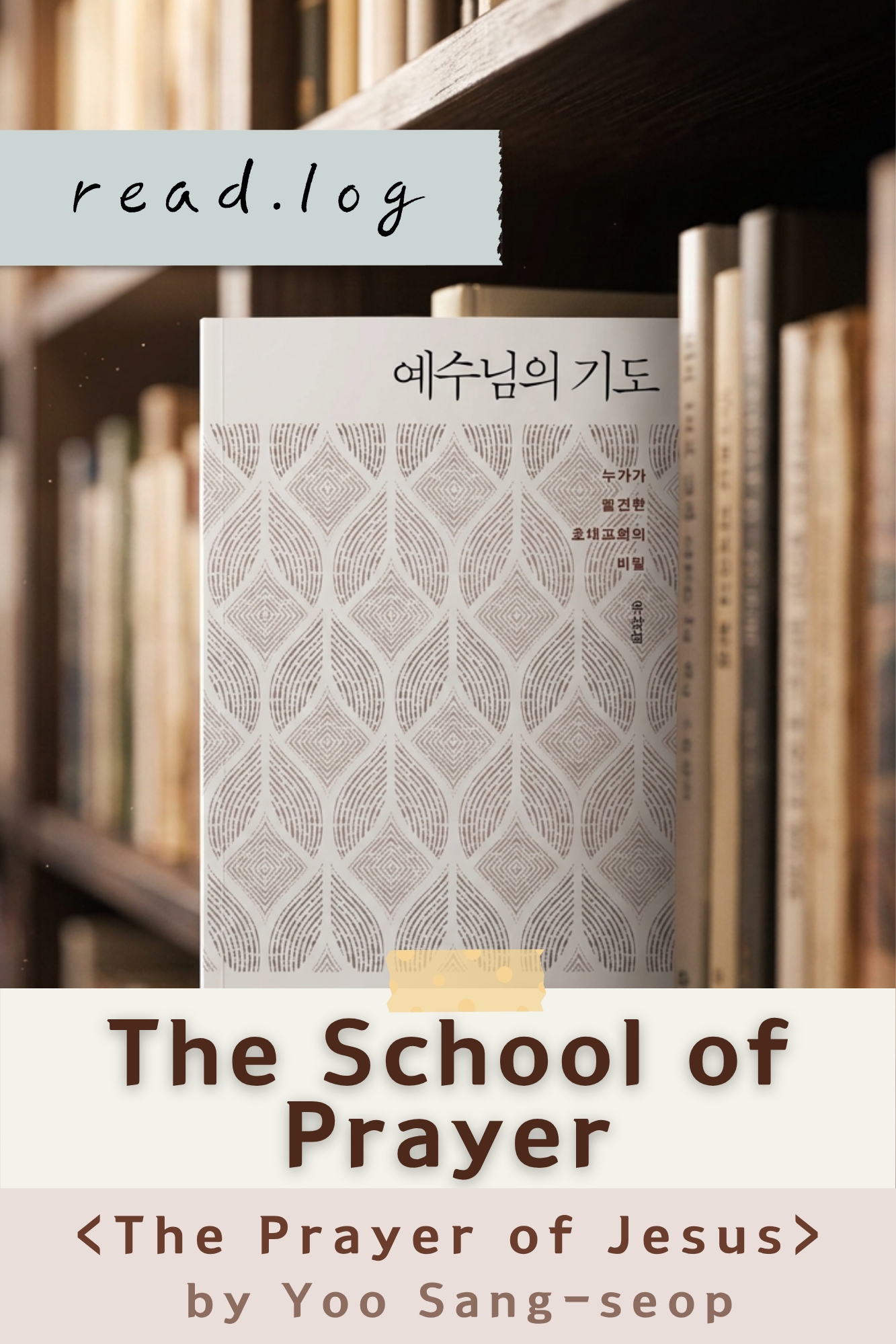
The School of Prayer: The Prayer of Jesus by Yoo Sang-seop
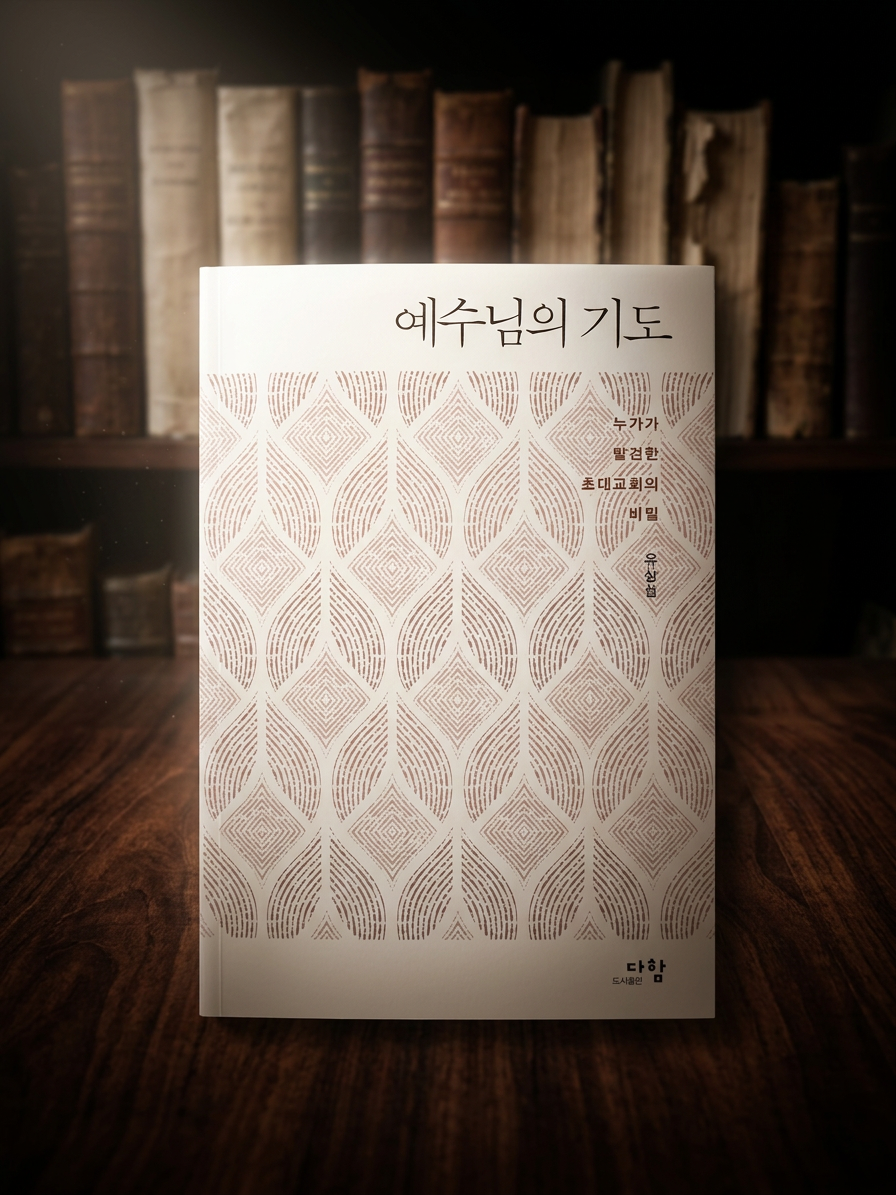
Every human being breathes, eats, and sleeps — the body demands its due. Strip away those rhythms and life simply stops. The Christian life has its own such rhythms, and anyone who has sat under faithful preaching knows what they are: the Word and prayer. Of the two, the Word has its disciplines — daily reading, memorization, careful study — structures that give the beginner somewhere to stand. Prayer is harder. We know we must pray; we are far less certain how. It is into that uncertainty that Yoo Sang-seop's The Prayer of Jesus, published by Daham, arrives as a welcome guide.
The Praying Christ in Luke's Gospel
When we do not know how to pray, the surest teacher is Jesus himself. The Prayer of Jesus divides into two broad movements: the first traces how Jesus prayed, drawing out what his practice teaches us; the second follows the disciples and asks what happened when they finally learned — and practiced — those lessons.
Yoo's entry point is the Gospel of Luke. More than any other evangelist, Luke records Jesus at prayer, returning to the scene again and again with a persistence that is clearly intentional. Yoo works carefully through those episodes and the explicit teaching Jesus offers, building a portrait of what prayer looks like when it is done as Jesus did it.
The Rhythm That Runs Through a Life
The first lesson Yoo draws from Luke is deceptively simple: prayer was not something Jesus turned to in crisis. It was habit. Yoo notes that Luke's use of the Greek imperfect tense signals something ongoing, ingrained — not a response to circumstances but a settled pattern of life.
Even at the height of his public ministry, when crowds pressed in from every direction, Jesus withdrew. He found hillsides and lonely places and kept his appointment with the Father. We tend to read success as permission to do more; Jesus read it as a reason to pray more. That inversion is worth sitting with.
From his baptism to his last breath on the cross, the arc of Jesus' life traced what Yoo calls a "rhythm of prayer" — begun in prayer, sustained in prayer, concluded in prayer. The implication for us is not subtle: a Christian life shaped by anything other than that rhythm is a life out of tune.
Not My Will: The Prayer of Obedience
The second lesson concerns surrender. Yoo names it, pointedly, "the prayer of God" — a phrase Luke uses to describe Jesus spending a night on the mountain in the prayer of God, as though prayer were not merely an activity Jesus engaged in but a sphere he inhabited. Every petition was shaped by the Father's will, not his own.
The full weight of that comes to rest at Gethsemane. There Jesus does not simply ask to be spared — he prays himself into obedience. The cup does not pass; the will is submitted. Yoo argues that this is the pattern our own prayers must follow. We begin, inevitably, with our needs, our fears, our wants. But prayer that matures does not stay there. It moves, as Jesus moved, from what I want toward what you will. The Westminster Larger Catechism defines prayer as "the offering up of our desires unto God." Yoo's point, put differently, is that the desires themselves must be slowly conformed.
Fellowship Before Function
The third lesson may be the most countercultural. Prayer, Yoo insists, is not primarily instrumental — not a technique for moving God, not a spiritual productivity tool. It is communion. Jesus called God Abba, Father, and the intimacy in that address is the key to everything.
This is why, even as people waited to be healed, Jesus walked away. The ministry could wait; the Father could not. And when Jesus prays with the greatest joy — in Luke 10, where the disciples return from their first mission — what moves him is not their success rate. It is that their names are written in heaven. That they are children of God. The Holy Spirit stirs in him over a fact of identity, not a record of achievement.
The challenge to our efficiency-driven spirituality is direct. We have learned to treat prayer as the fuel that runs the engine of ministry. Jesus modeled something different: the relationship is the point, and everything else — including the ministry — flows from it.
What the Disciples Teach Us
Yoo structures the second half of the book around a sharp contrast. The disciples in Luke's Gospel hear all of this. They watch Jesus pray. They receive the Lord's Prayer when they ask for it. And then, at the critical moment, they do none of it. They sleep in Gethsemane. They scatter at the arrest. Knowledge without practice is, in the end, no knowledge at all.
The disciples in Acts are barely recognizable as the same people. Weeks removed from their failure, they are bold, steady under interrogation, unbroken by imprisonment. What changed? Yoo's answer is that they finally prayed — the way Jesus prayed. The miracles that mark Acts are, in his reading, the fruit of a community that had moved from learning about prayer to actually praying. The reader who recognizes the disciples of Luke in themselves — and most honest readers will — cannot escape the application.
A Book That Asks Something of You
The Prayer of Jesus is not a theology of prayer kept at arm's length. It is a call. Yoo uses the disciples' failure and transformation not to condemn but to show what becomes possible when prayer moves from the notebook to the knees.
Whether you have never known how to begin, or have known for years and keep stopping, or simply want to pray as Jesus taught — this book will find you where you are. The prayer of the disciples in Acts was not a new technique. It was the old lesson, finally lived. May we be among those who live it.
About Author

faith.log
A journal that connects faith and everyday life. In each small piece of writing, we share the grace of God and the depth of life together.


