Martin Luther’s Theology: The Roots of the Reformation and the Uncomfortable Questions It Leaves for Us Today
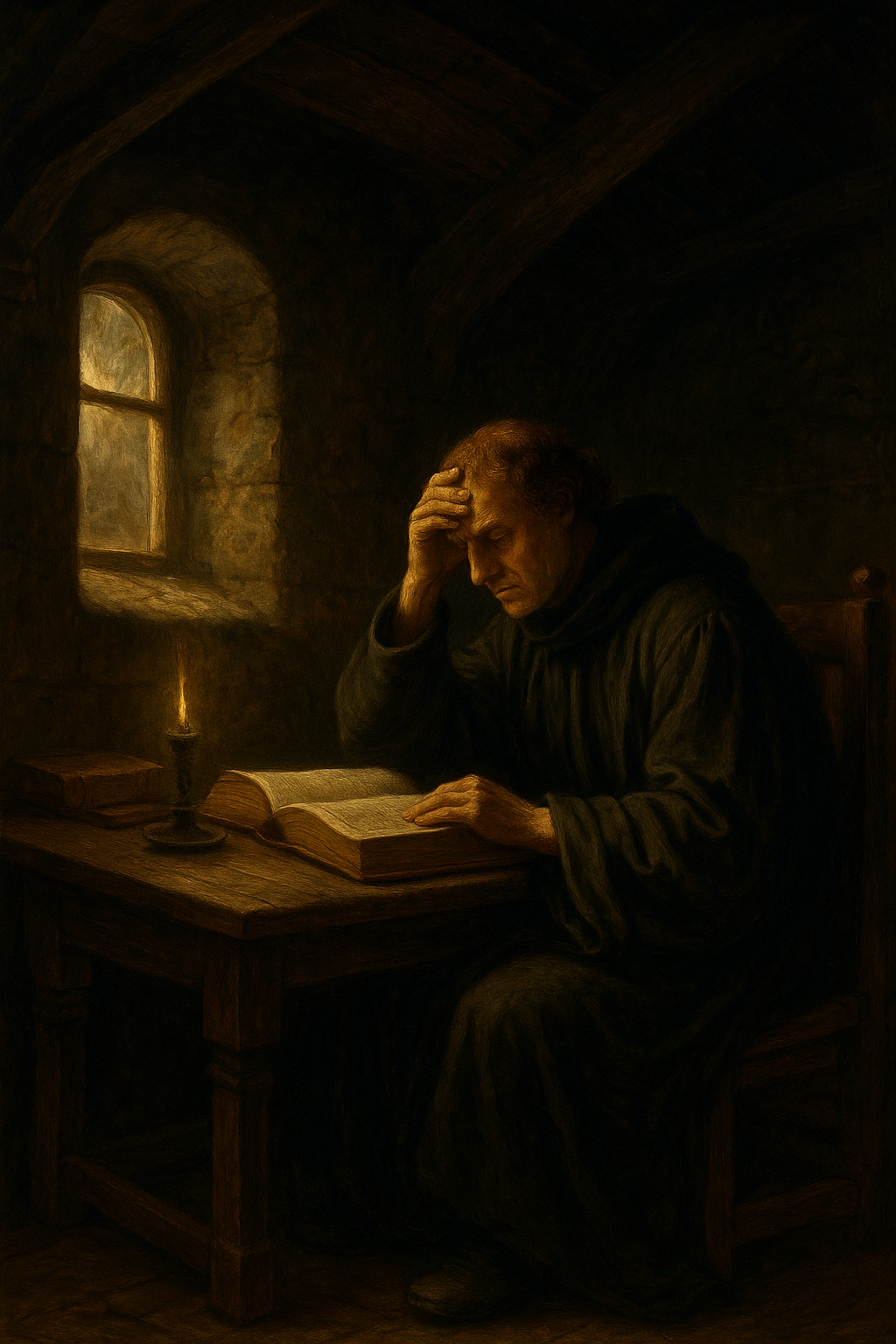
When we talk about the Reformation, many of us immediately picture the Ninety-Five Theses nailed to the church door in Wittenberg. But Luther’s true theological awakening began not in public protest but in a far quieter, lonelier place—a cold attic room in the Wittenberg monastery. There, weighed down by guilt and desperation, a young Augustinian monk wrestled with the book of Romans. And in that dim room, the words “The righteous shall live by faith” shattered his old world and reshaped the religious landscape of Europe.
In this issue of root.log, we move beyond the historical journey traced in the previous article and focus on Luther’s theology itself—his doctrine of humanity, Scripture, the Church, and the Lord’s Supper. Yet this is more than a survey of doctrines. Luther’s theology presses questions upon our age as urgently as it did upon his own. History, after all, is a mirror through which we learn to see the present more clearly.
A Humanity Under Sin — Luther’s Anthropology
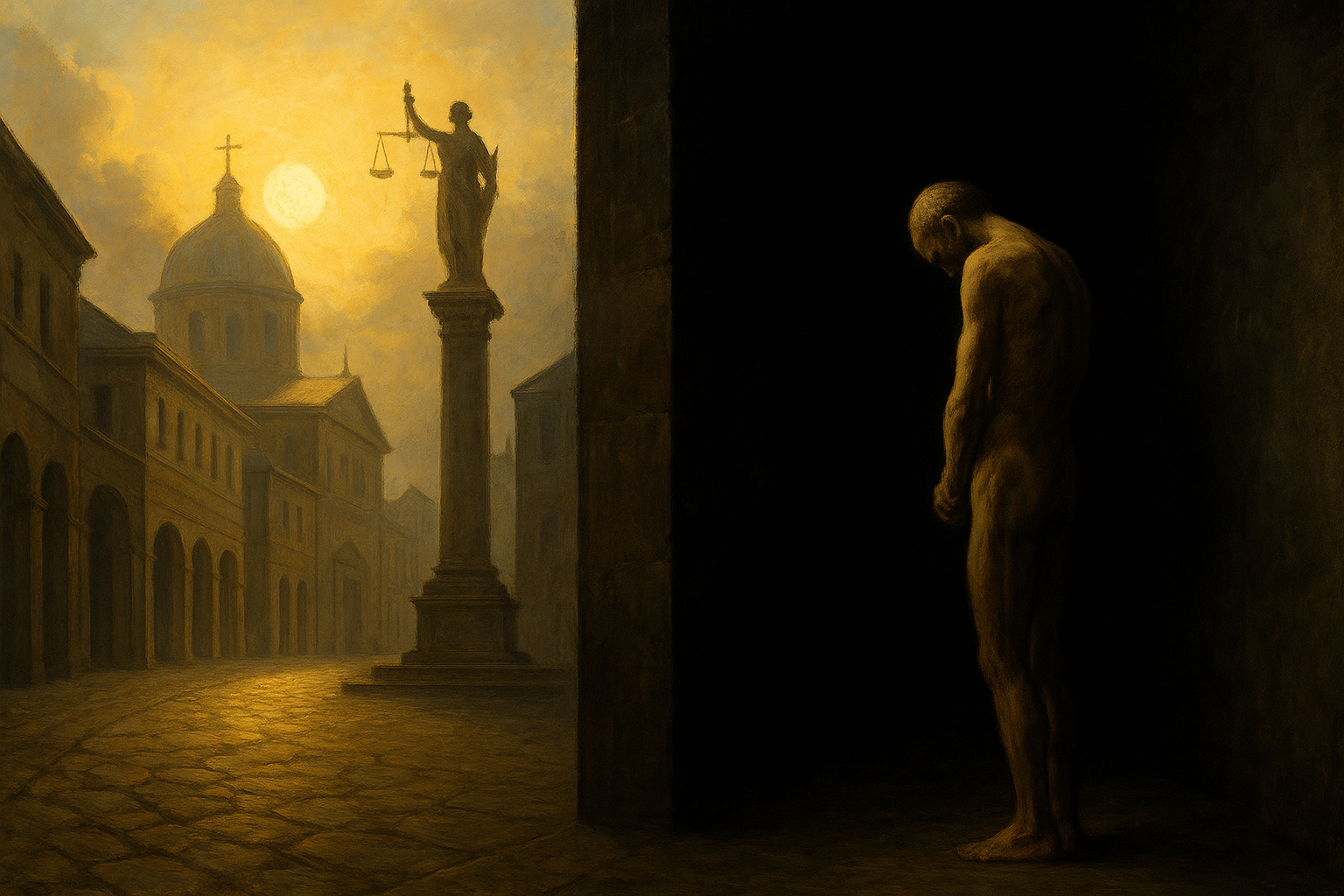
For Luther, the human condition is far darker than we often admit. Human beings are incapable of grasping the depth of their own corruption. Sin is not merely an action but a disorder rooted in the very fabric of our being. Without the illumination of God’s Word and the work of the Spirit, we do not even recognize how blind we are.
This is why Luther distinguished between two “courts” or tribunals: the civic court, where moral deeds and social virtue may be recognized, and the theological court, where the whole person stands exposed before a holy God. Before the latter, humans are utterly helpless.
It is here that Luther fiercely challenged the idea of free will. The very claim that one can “turn to God by one’s own choice” is, for Luther, evidence of pride and blindness. Grace does not assist our autonomy—it replaces it. Salvation begins with God’s unilateral intervention in a powerless soul.
John Calvin later developed this insight into the doctrine of total depravity, but at its heart, the two Reformers agreed: even the desire to “turn” toward God is itself a work of God. The deeper the darkness, the more radiant the light of grace becomes.
The Authority of Scripture — Luther’s Doctrine of the Word
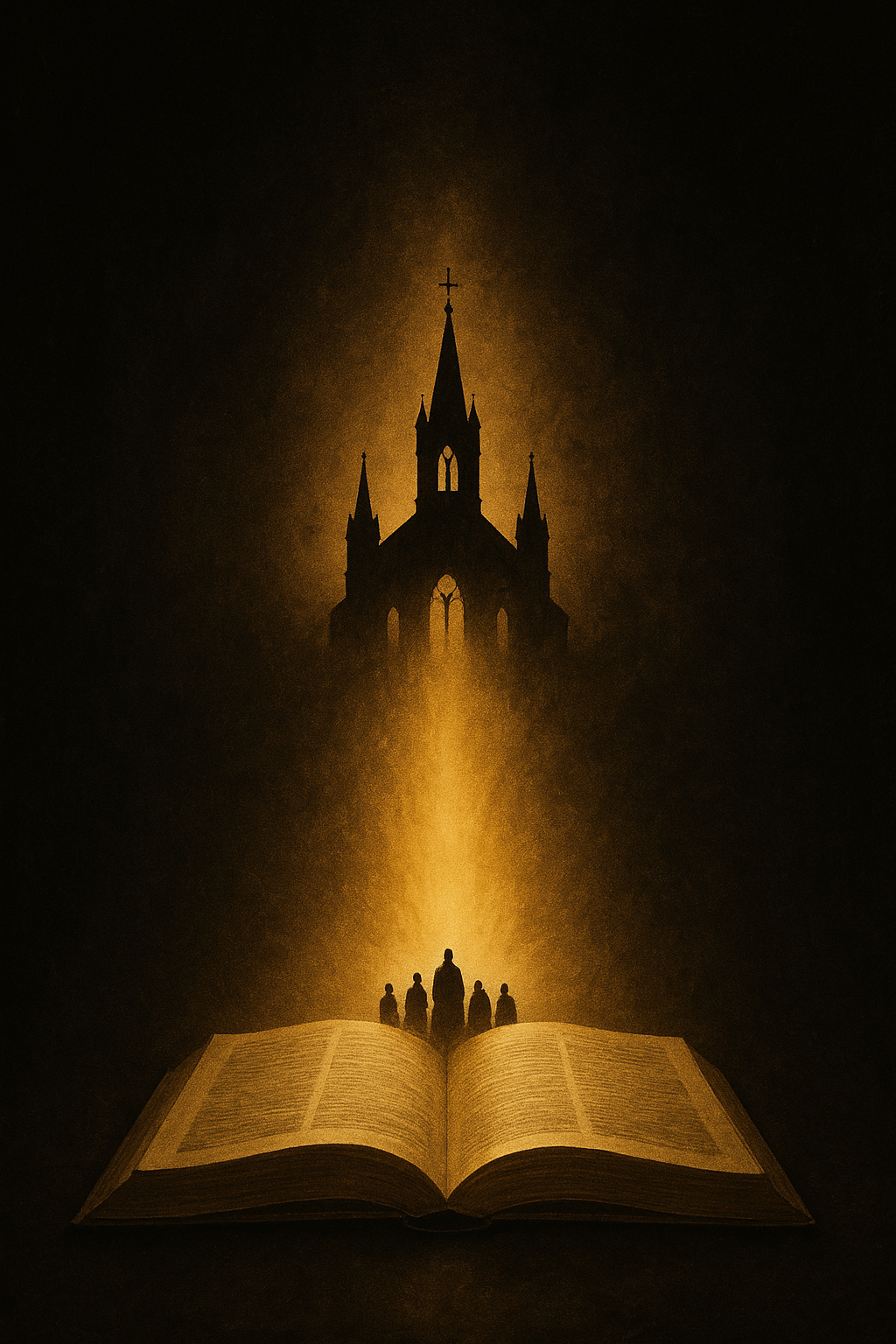
Luther’s theology of Scripture sits at the very center of the Reformation.
“Sola Scriptura.”
This was not a slogan meant simply to topple church authority. It was a call to return all Christian teaching to the one decisive source—the Word of God.
He emphasized two characteristics of Scripture:
1. The sufficiency of Scripture: Everything necessary for salvation is already contained in Scripture. No tradition need be layered upon it.
2. The clarity of Scripture: Against the Catholic claim that Scripture is obscure and must be interpreted by the magisterium, Luther insisted that Scripture interprets itself. Its essential message is accessible to all believers.
Calvin would later refine this with the doctrine of the Spirit’s “inner testimony,” but the two Reformers shared a conviction: Scripture’s authority stands above the Church, above tradition, and above every teacher—including themselves.
And at the heart of Scripture, Luther said, is one message: Christ Himself. The entire Bible—law and gospel, Old and New Testaments—bears witness to Him. Only the gospel of Christ unlocks the true meaning of Scripture.
This raises a question that confronts us with alarming force: Do we truly submit to Scripture as our highest authority? Or do our emotions, cultural assumptions, and personal experiences quietly sit above the Word?
The Church as Mother — Luther’s Ecclesiology
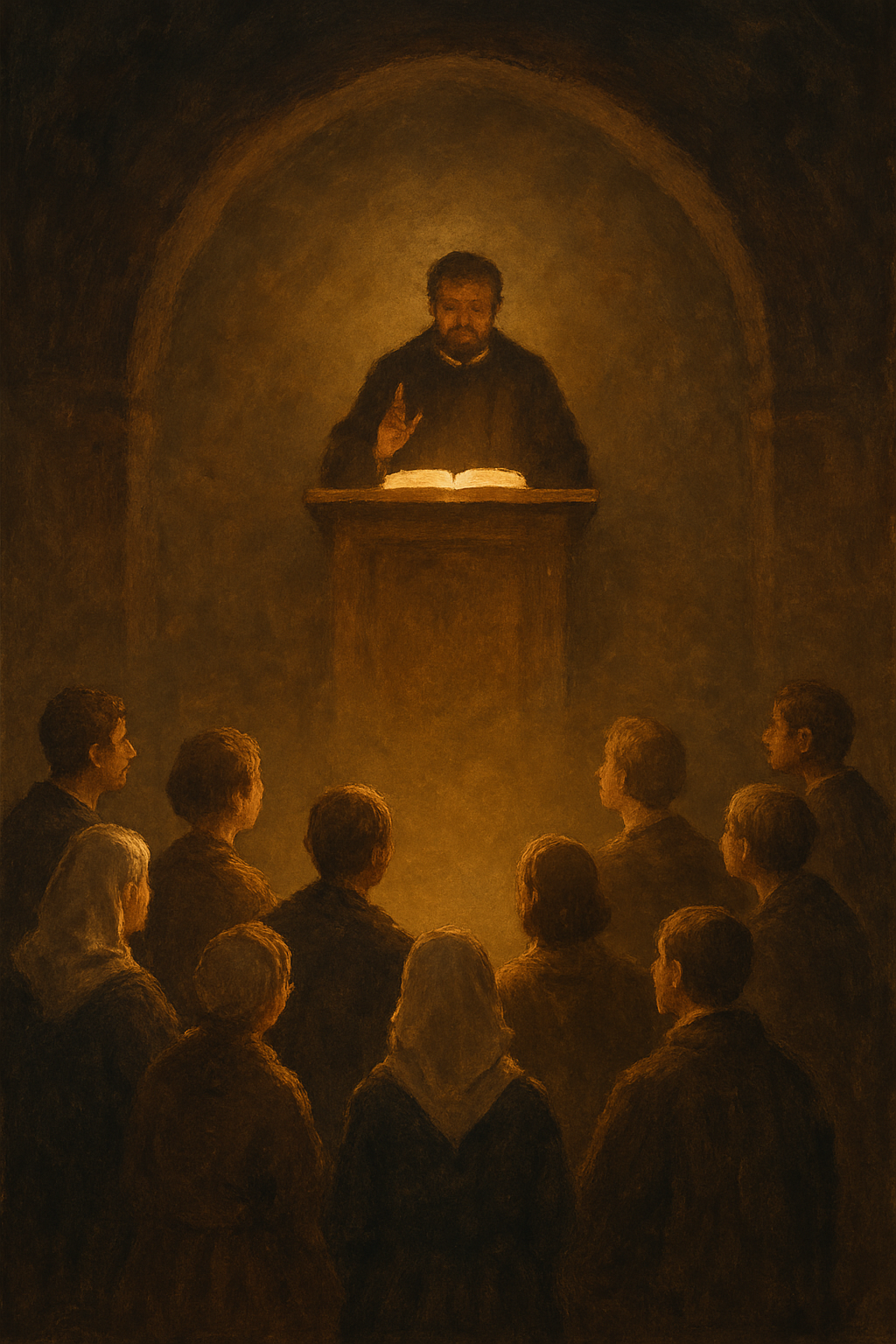
Luther once wrote, “The Christian Church is your mother, who brings you to birth through the Word and nourishes you in faith.” He was not glorifying institutional power. He was redefining the Church: not as a structure or hierarchy but as a community gathered under the Word.
For Luther, the marks of the true Church were profoundly simple: the faithful preaching of the Word and the obedient hearing of it. Later Reformed theology—especially in Calvin—would expand this into the three marks: Word, sacraments, and discipline. But the foundation remains the same:
“A true church is a church under the Word.”
Luther’s doctrine of the priesthood of all believers might appear individualistic, but he never meant it as a rejection of ordered ministry. He warned that the public proclamation of the Word is a weighty calling, not something to be taken lightly. In this, he anticipated the Reformed emphasis on ordered eldership and ecclesial accountability.
What Luther sought was not the exaltation of the individual but the recovery of a community where believers serve one another as priests—each building up the other in the body of Christ. In a time like ours—marked by radical individualism and religious consumerism—Luther’s vision feels almost prophetic.
Bread and Cup, the Visible Gospel — Luther’s Sacramentology
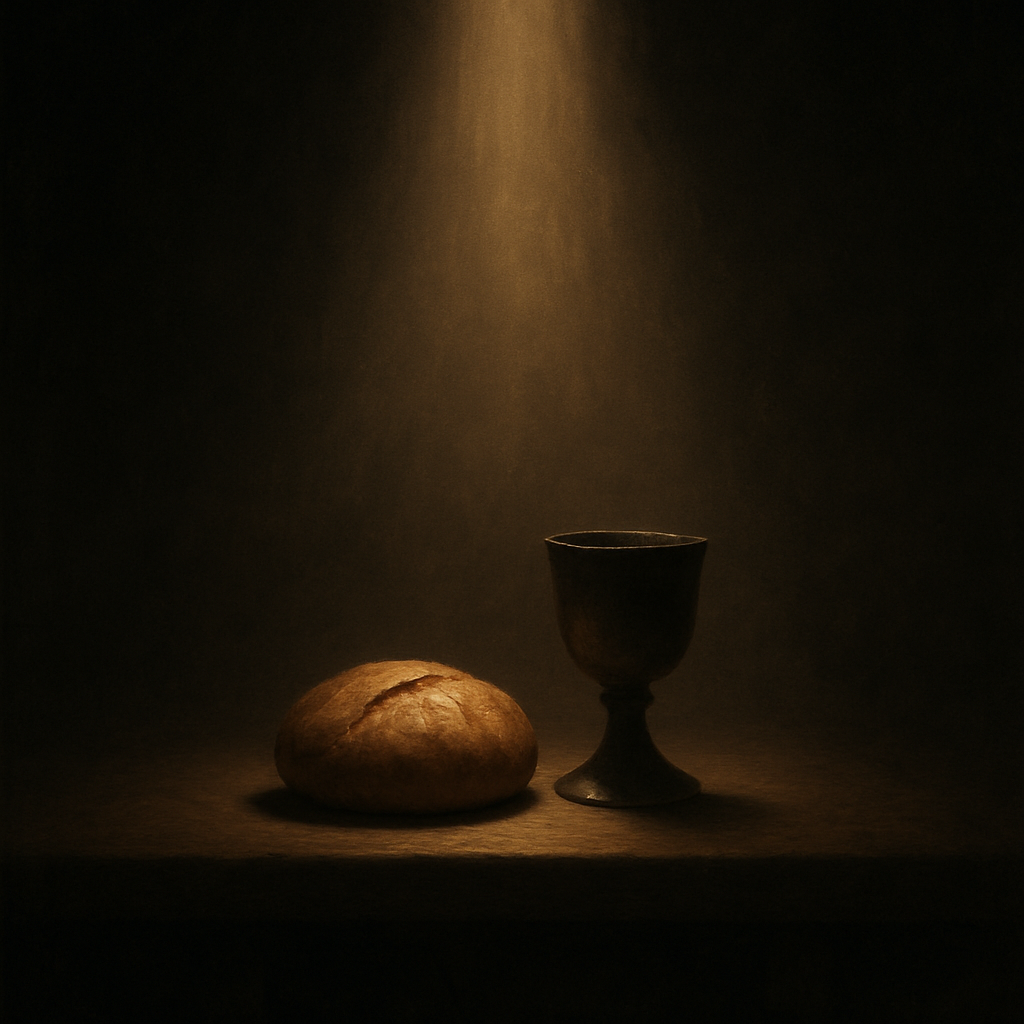
The Lord’s Supper was the most divisive theological issue among Reformers. Luther insisted that Christ’s body and blood are truly and substantially present “in, with, and under” the bread and wine. Later theologians would call this the doctrine of consubstantiation.
Calvin, taking a different path, taught that Christ is spiritually—and truly—present by the power of the Spirit. Zwingli emphasized the Lord’s Supper as a memorial. All three sought to be faithful to the Scriptures; all three wrestled with the mystery.
But Luther’s enduring insight is this: the Lord’s Supper is not merely a memory; it is the gospel made visible.
It is the Word in sacramental form—Christ meeting His people through simple, earthly elements.
Even if we disagree with Luther’s metaphysics of presence, his reverence for the sacrament challenges the casual way the modern church often approaches the Table.
The Questions Luther Still Asks Us
Luther lived in the sixteenth century, but his questions refuse to stay there:
- Are we still clinging to our “civic righteousness” as though it could stand in God’s courtroom?
- Do we actually submit ourselves to Scripture—or have we quietly placed ourselves above it?
- Is our understanding of church shaped more by organization and culture than by the Word?
- Have we reduced the Lord’s Supper to a ritual rather than receiving it as the visible gospel?
- And perhaps most unsettling: Are we still living under the illusion that we can return to God by our own strength?
The goal of root.log is not to recount historical theology as mere information. It is to let history interrogate us—to let the voices of the past bring clarity and conviction to our present. Luther’s theology does precisely that.
To read the Reformation is to prepare ourselves to live more faithfully today. The same verse that broke open Luther’s heart continues to speak with unyielding force:
“The righteous shall live by faith.”
About Author

faith.log
A journal that connects faith and everyday life. In each small piece of writing, we share the grace of God and the depth of life together.


