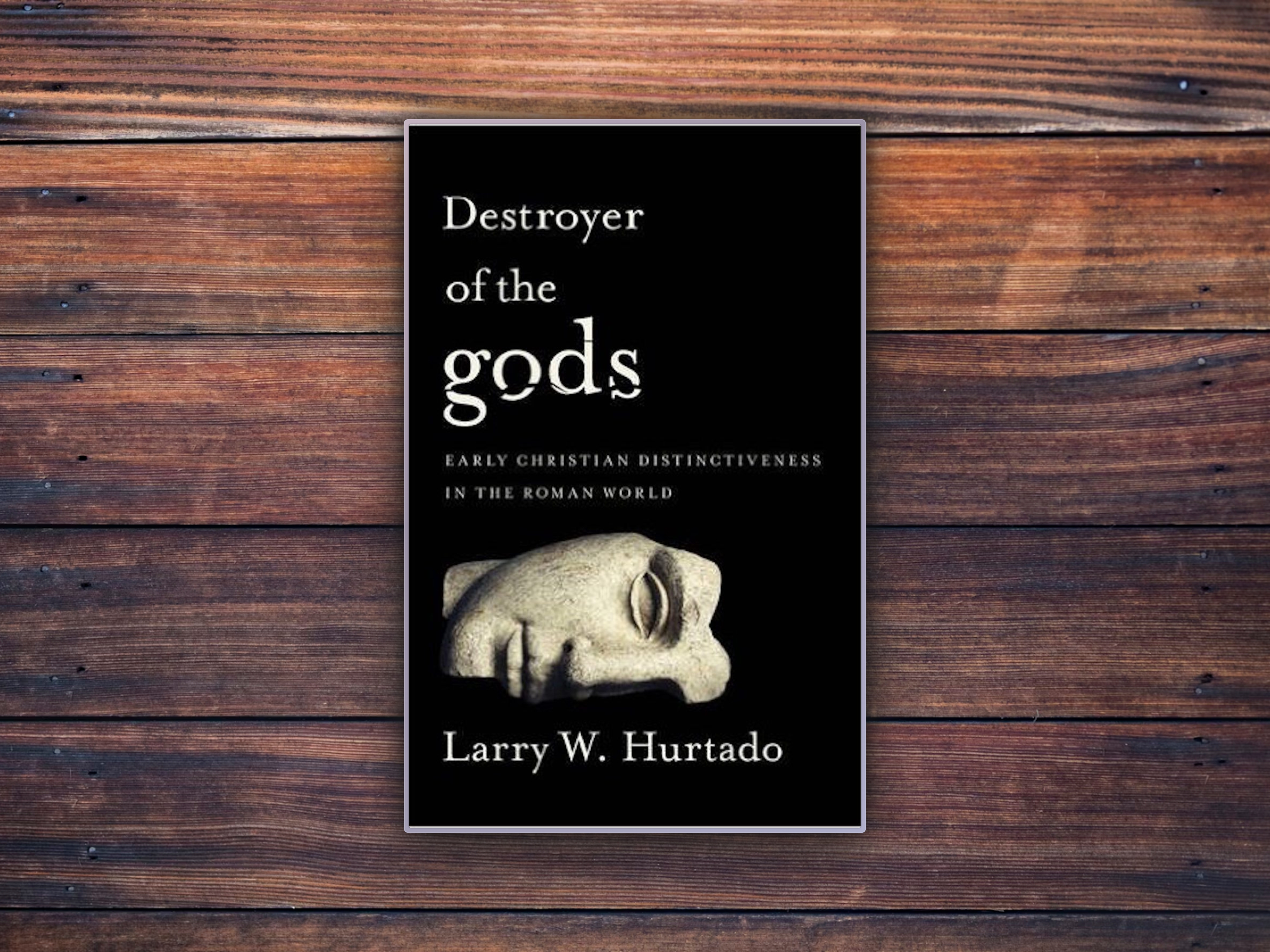
『Destroyer of the Gods』: Between the Faith of the Early Church and Our Place Today

We call ourselves Christians today. Yet the name did not originate with us. Nearly two thousand years ago, in the diverse and bustling city of Antioch, the followers of Jesus were first called Christians (Acts 11:26). But who were these people? And if we continue to bear the name they first received, are we living lives worthy of it?
This question is more than historical curiosity. It is an invitation to return to the foundations of our faith. If we hope to understand the challenges and fractures of the modern church, we must set our gaze again on those earliest believers. To see them clearly is to remember what we may have forgotten.
A Distinct People in a Demanding World

In 『Destroyer of the Gods』, Larry Hurtado offers a compelling portrait of how the early Christians lived and why they stood out. Scripture gives us glimpses of their lives, but Hurtado helps us see their faith as it collided with the social order of the Roman Empire.
The first-century world was a religious mosaic. Rome welcomed the gods of conquered nations and treated emperor worship as a civic duty—a test of loyalty. To refuse these practices was not a neutral act; it signaled defiance.
Christians refused. They acknowledged no divine emperor and confessed only one Lord—Jesus Christ. To Roman eyes, this made them exclusive, unreasonable, even subversive. Suspicion turned into hostility, and at times, hostility became persecution.
Yet Christianity grew. Hurtado insists this cannot be explained merely by human resolve. It was the power of the gospel working through ordinary men and women.
A People Formed by Text: Reading, Copying, Living the Word
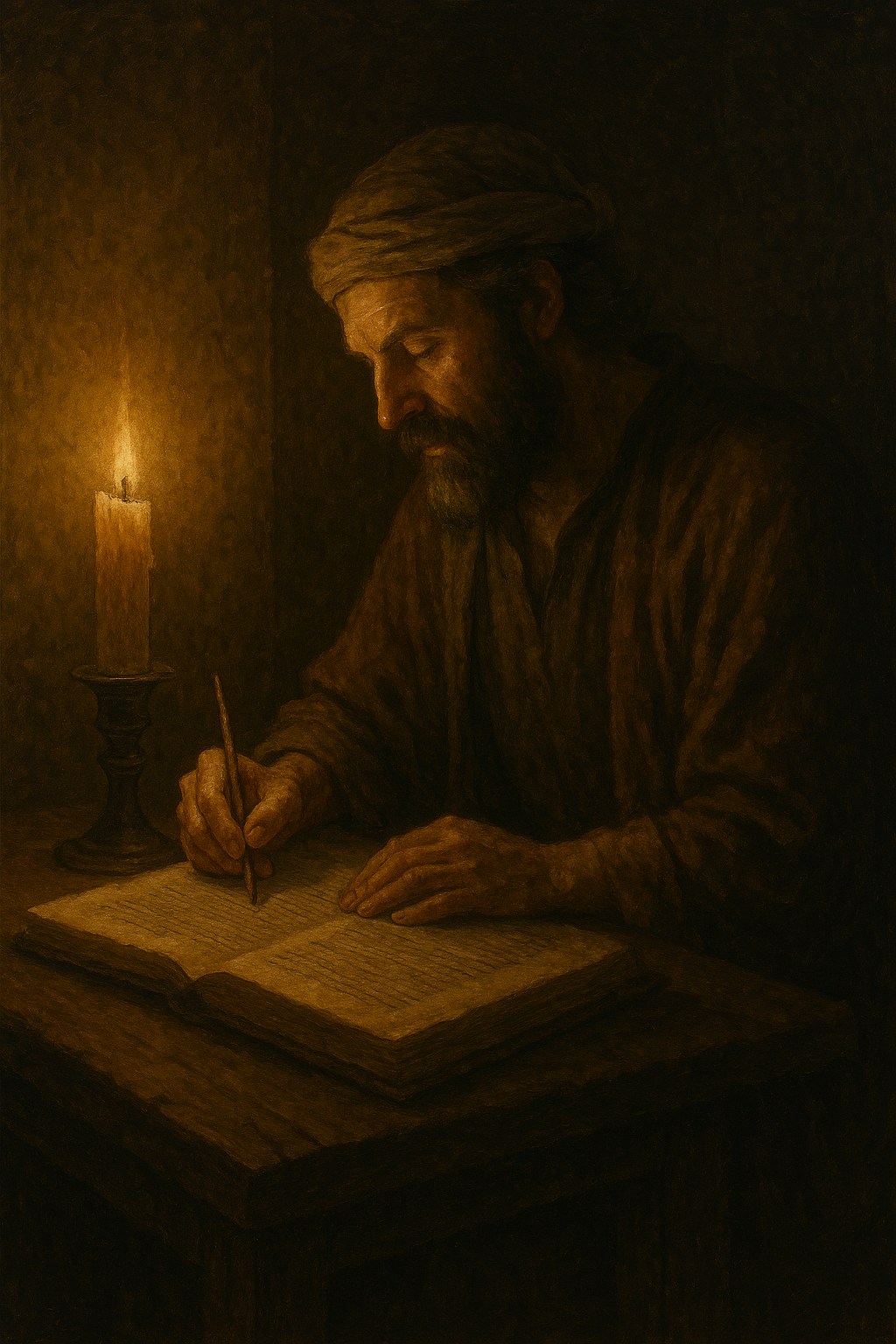
Hurtado shows that Christianity was, from the beginning, a “book-shaped” faith. The early church revolved around the reading, copying, and circulation of Scripture. Their gatherings gave central place to the public reading of the Word. They produced a remarkable volume of writings—far exceeding many philosophical movements of their time.
This was not literary ambition. It was worship. It was the way scattered believers across the empire shared one gospel, one story, one truth. Through written Scripture, the church became one people. Christianity was marked by devotion to a sacred text.
A New Ethic: A Different Kingdom on Display
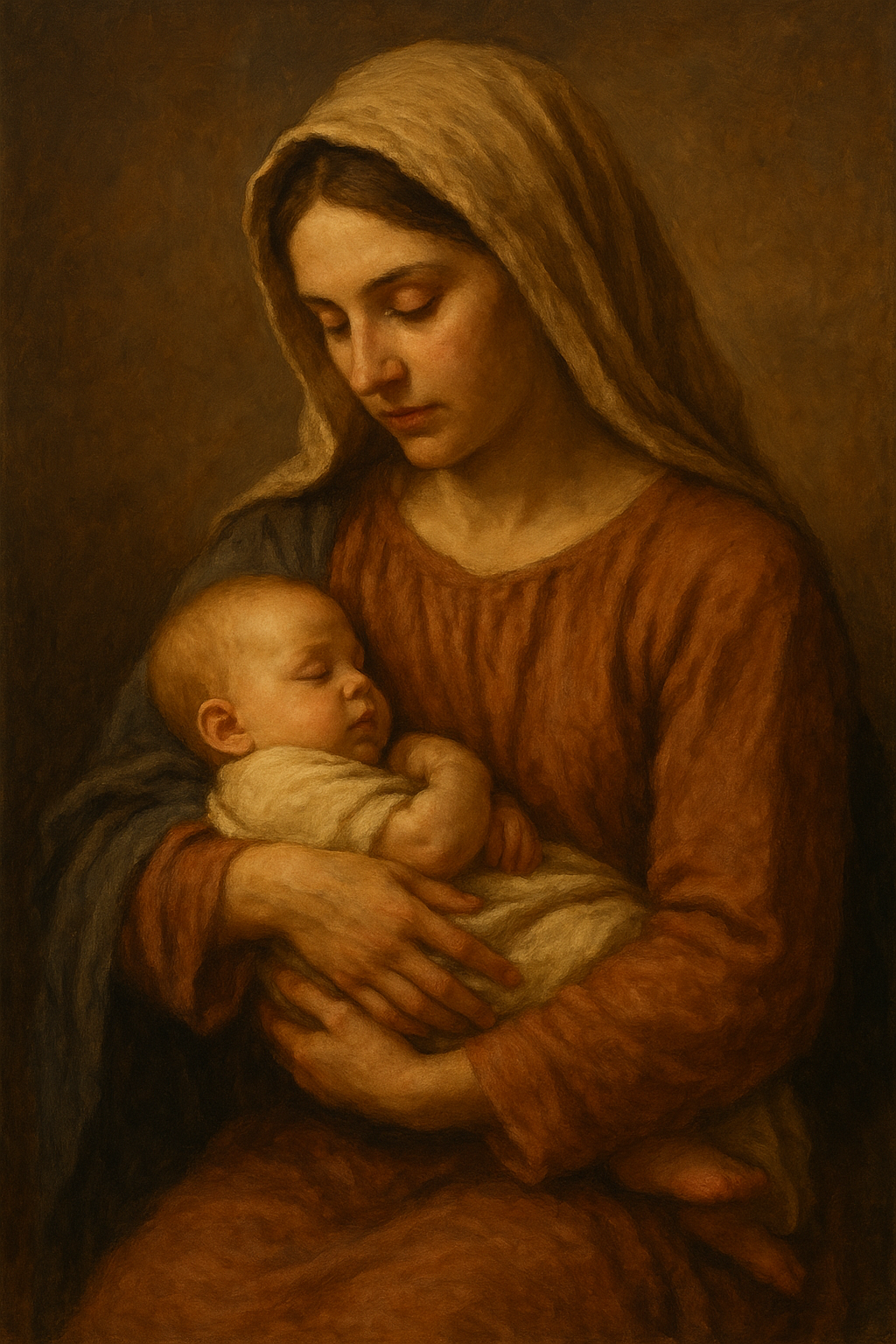
The early Christians also embraced a moral vision radically different from Roman norms. Their faith was not private sentiment; it reshaped their daily lives.
In Roman society, infant exposure—the abandonment of unwanted children—was widely practiced. Christians rejected this completely, taking abandoned infants into their homes. In a culture that granted men broad sexual license, Christians insisted on fidelity and chastity for both men and women. Their lives pointed to a different kingdom, a different allegiance.
Hurtado describes this as a new kind of social movement—rooted not in political power, but in the habits of a worshiping community. They proclaimed the Word, but they also embodied it.
Losing Our “Book-Shaped” Faith
Today, we still call Christianity a religion of the Book. Yet Scripture’s place in our lives has grown faint. For many believers, hearing a short passage on Sunday has become their entire engagement with the Word. The great gift recovered during the Reformation—the Bible in the hands of ordinary people—is often neglected with ease.
The earliest believers read, copied, meditated on, and lived the Word. We hear it, but often live no differently from the world around us. This is not a minor lapse; it reveals how far we have drifted from the center of our faith.
Returning to the Beginning
The message of 『Destroyer of the Gods』 is unmistakable: Return to the beginning. Just as the Reformers looked back to the early church and reclaimed the primacy of Scripture, we too must return to a life shaped by the Word. Let us read it again. Handwrite it. Meditate on it. Practice it. The early believers walked a path defined not by Rome’s values, but by God’s kingdom. When we walk that same path, the fragrance of true Christian witness becomes visible once more.
As I finish Hurtado’s book, one question lingers: Does my life resemble the lives of those who first bore the name “Christian”?
May we recover our first love and take one faithful step back toward the Word—toward the life from which our name, and our faith, first began.
About Author

faith.log
A journal that connects faith and everyday life. In each small piece of writing, we share the grace of God and the depth of life together.


