Meeting the Reformation Through a Book
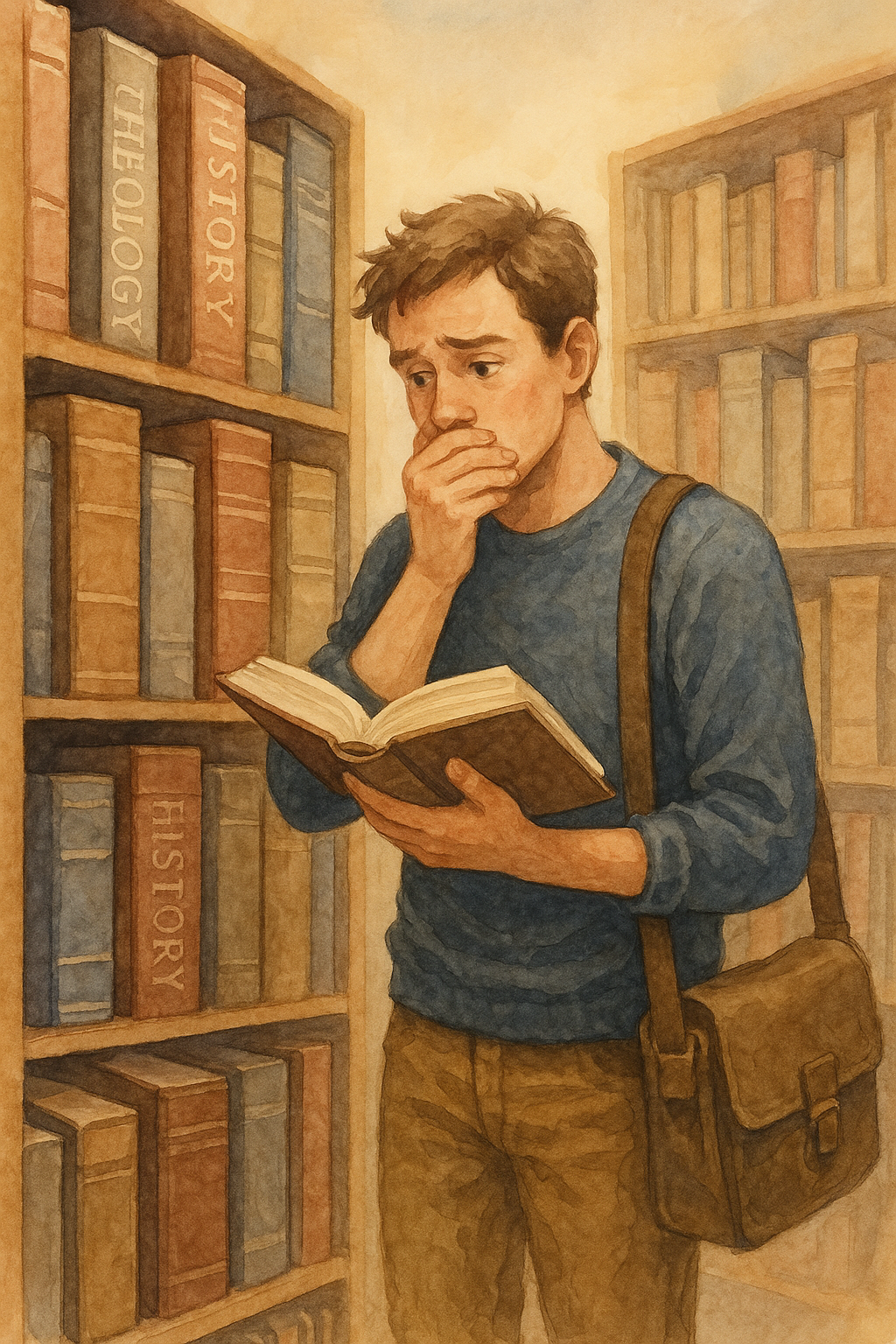
When you step into a bookstore with the intention of studying the Reformation, you quickly run into a wall. Most books are thick, dense, and written with scholars in mind. After a few pages, the unfamiliar terms and heavy historical background can leave you breathless, and you eventually set the book aside. Yet the story of the Reformation is not one we can avoid. Every October 31st, Reformation Day, the question still lingers: Why did Luther and Calvin take that path? And what does it mean for us today?
It is at this point that Stories of the Reformation Encountered on the Road finds its unique place. This book is not a scholarly monograph, but a travelogue that tells the story of the Reformation “on the road.” The author walked through Europe, camera in hand, collecting impressions and notes. The result is not a dry chronology but a lived experience—a chance to walk through history and learn from it along the way.
History that Speaks from the Ground
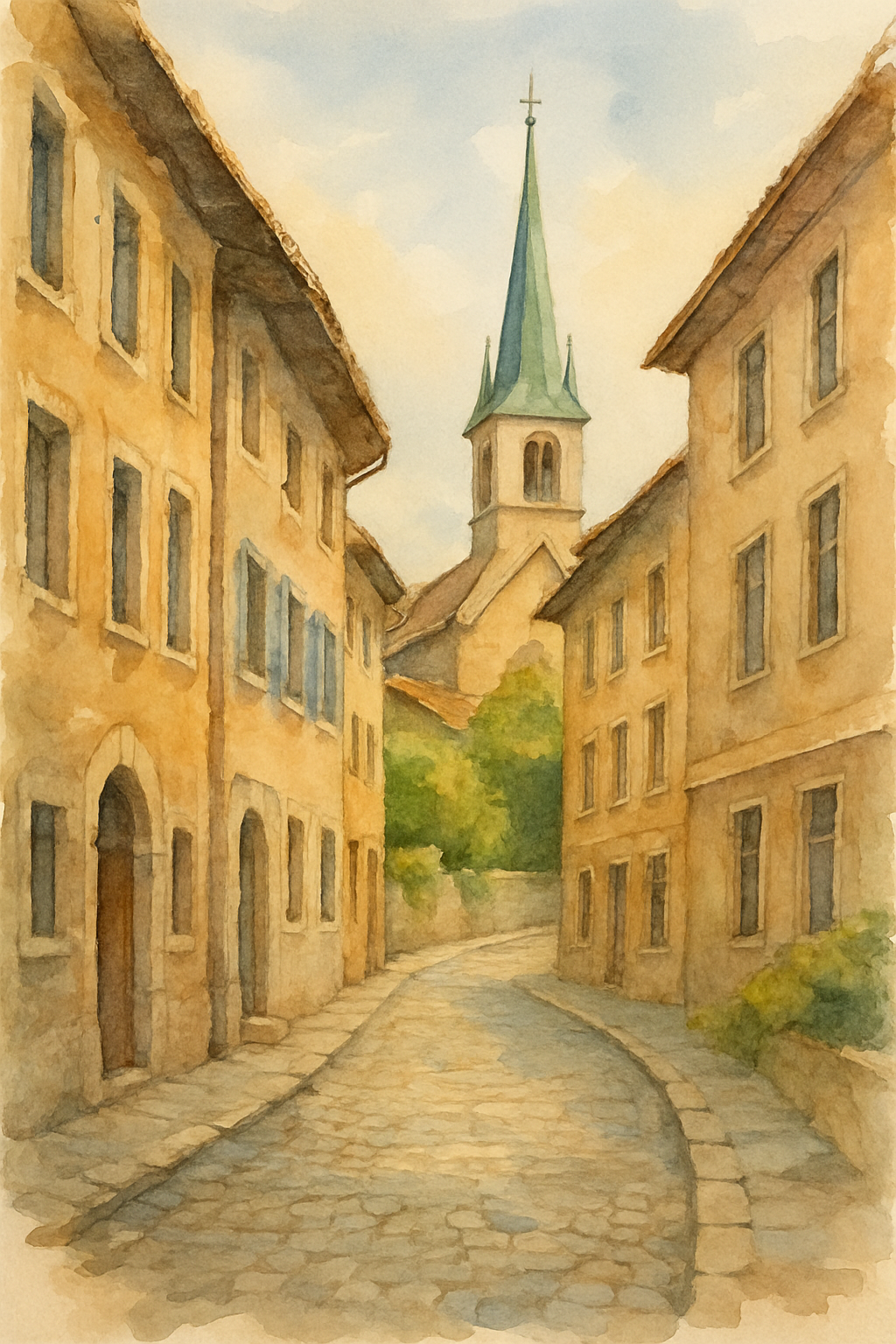
The first thing that strikes you in this book is the photography: the cobbled alleys of Geneva, the Castle Church door in Wittenberg, the riverside in Zurich. When the stories of the Reformers are placed alongside these images, history ceases to be a distant abstraction. It becomes a scene right before our eyes.
The author’s voice seems to echo this sentiment: “The Reformation is not a relic sealed in a museum; it is history we encounter again as we walk the road today.” As the pages turn, the photos move beyond documentation to become invitations to reflection. The longing arises: “One day, I want to walk this road myself.” That desire is no mere tourist impulse—it is the yearning of faith.
Reformers, and Their Questions
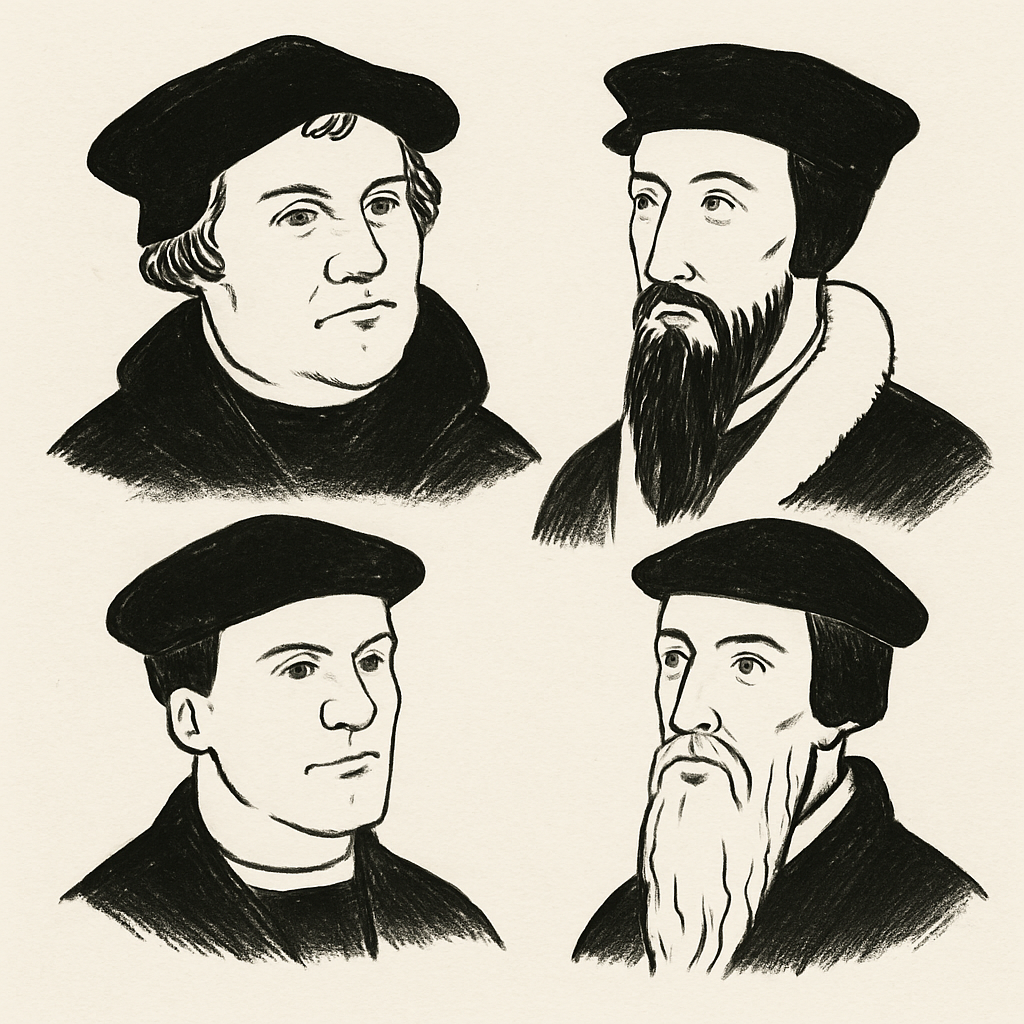
Another strength of this book is its wide range of characters. We often think only of Luther and Calvin, but the path of reform was broader and more complex. From forerunners like Peter Waldo, John Wycliffe, Jan Hus, and Savonarola, to the more familiar figures of Luther, Zwingli, Melanchthon, Farel, Bucer, Bullinger, Knox, and Beza—the book names them all, briefly sketching what kind of reform each one pursued.
As their stories unfold, an unavoidable question surfaces: “Why must we return to the Word again?”
That question was not only for the sixteenth century. It remains urgent in our time, when tradition often outweighs Scripture and social respectability often takes precedence over the gospel. The call of reformation rings out still.
Light Yet Weighty
This is not an academic tome. The explanations can be simple, even uneven at times. But that is not the book’s aim. Its purpose is clear: to provide an accessible doorway for those meeting the Reformation for the first time. And through that doorway, the reader hears a truth that cannot be taken lightly: “Our faith exists today because of their sacrifice and witness.”
This simple confession may be the book’s heaviest message.
An Invitation for Today’s Believers
For believers today, the Reformation must not remain a distant historical episode. It must meet us in the language and questions of our own time. As you read, take one photo from the book and let it speak to you. Write down the question it presses into your heart: “What must I reform in my life?” or “What must our community recover from the gospel?” Small reflections like these are the way the Reformation comes alive again in the present.
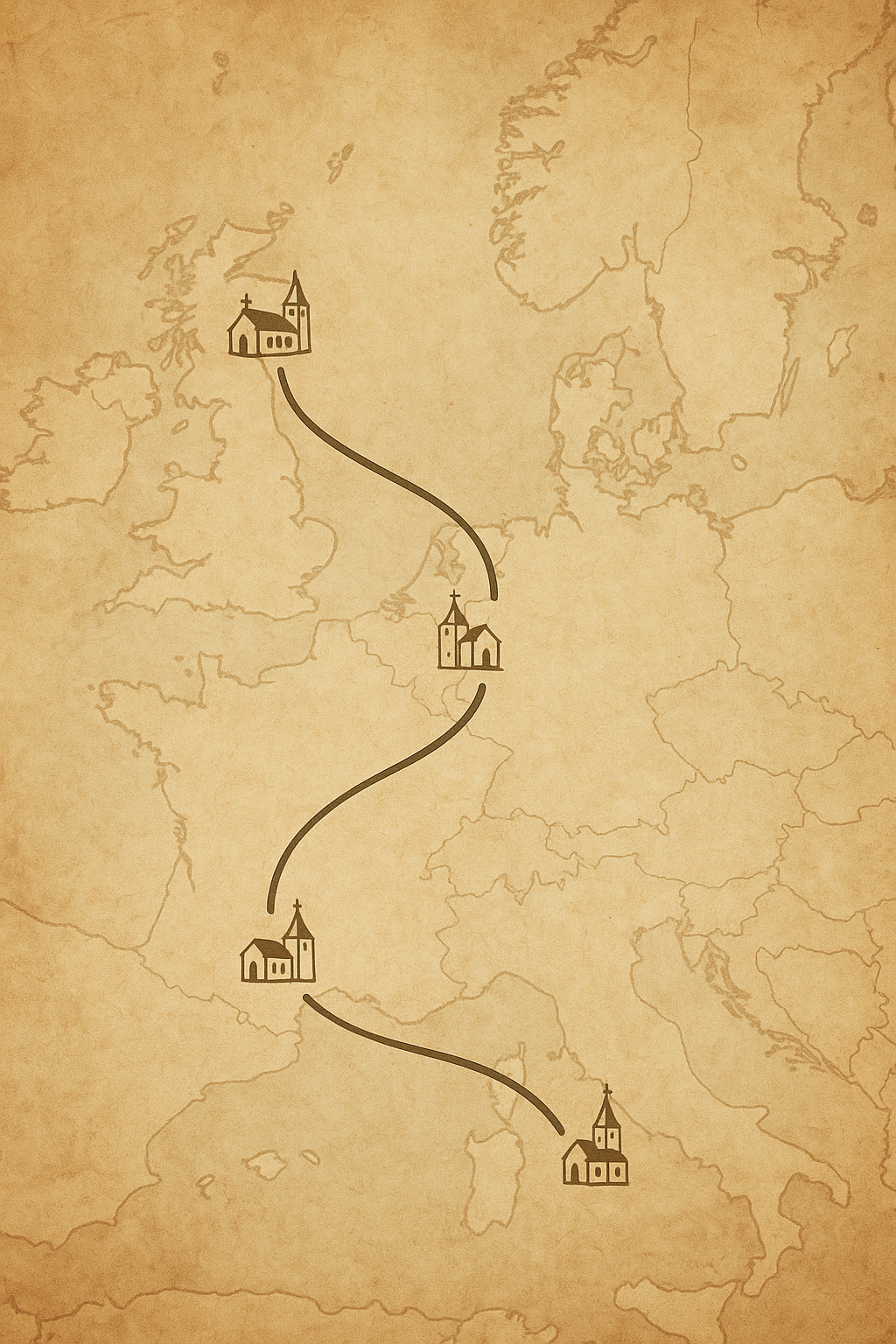
The book also functions as a travel guide. For those who dream of visiting Reformation sites, the photographs and historical notes provide a useful preview. But more than that, the book itself feels like an invitation—come and walk the road.
On the Eve of Reformation Day
The Reformation was not the invention of something new, but the recovery of the gospel in its purity. Luther’s declaration in Wittenberg still resounds:
“My conscience is captive to the Word of God. I cannot and I will not recant. Here I stand, I can do no other.”
As Reformation Day approaches, we must ask ourselves the same questions:
• Am I truly returning to the Word?
• Does the church still need to be reformed today?
• What must I let go of, and what must I hold fast, for the sake of the gospel’s purity?
Conclusion: Encountering the Reformation on the Road

Stories of the Reformation Encountered on the Road is a fine introduction for those approaching the Reformation for the first time. It brings together photos, history, people, and places, allowing the reader not just to “learn” but to walk along.
When you close the book, one confession lingers: “Our faith exists today because of their sacrifice and devotion.”
This year, as we remember the Reformation, take this book in hand. Let its images and stories help you walk the road once more. The Reformation met on the road calls us to begin our own small reforms today.
Soli Deo Gloria — To God alone be the glory.
About Author

faith.log
A journal that connects faith and everyday life. In each small piece of writing, we share the grace of God and the depth of life together.


