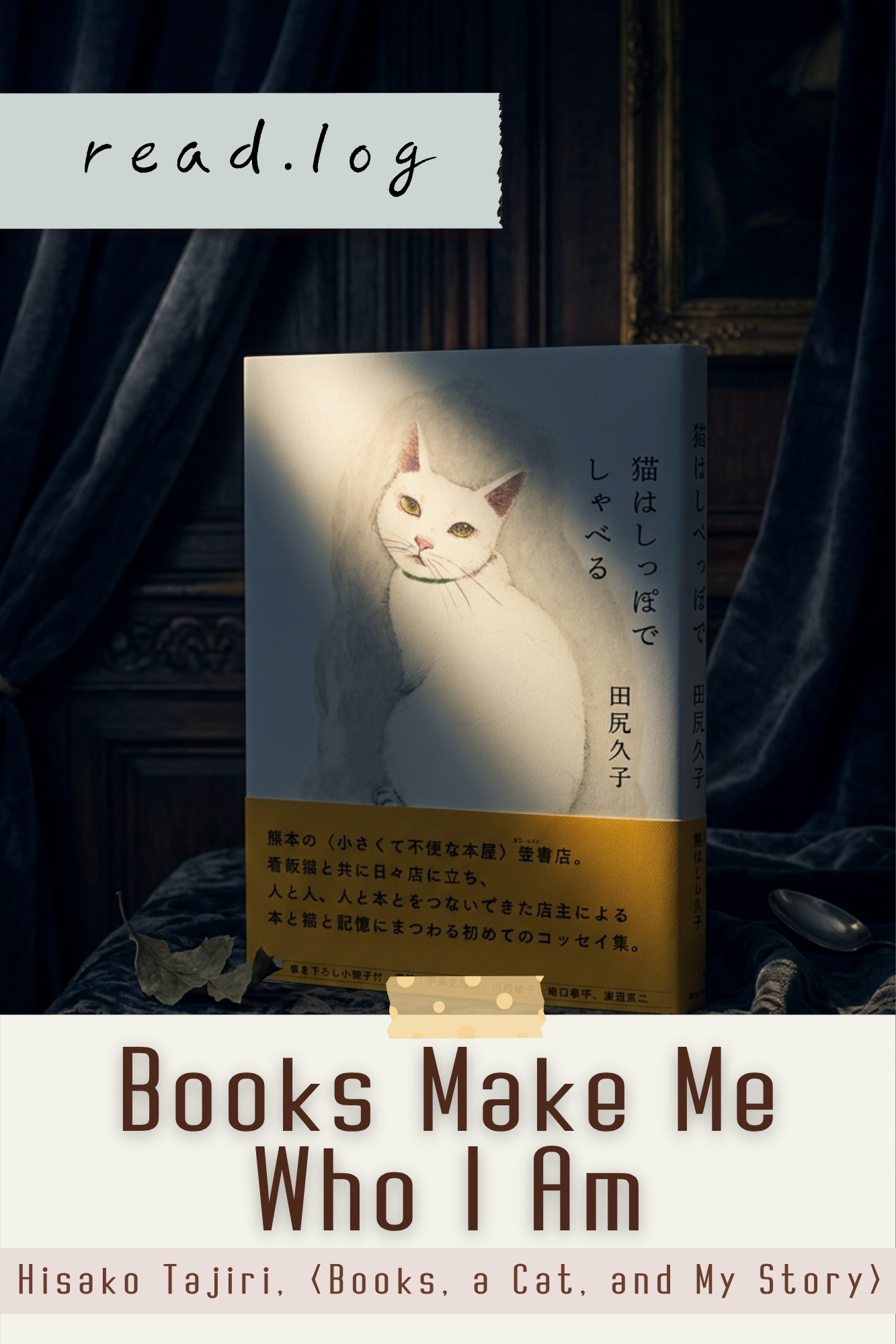
Books Make Me Who I Am |
Hisako Tajiri, Books, a Cat, and My Story

Regular readers of faith.log will remember Hisako Tajiri's At Daidai Bookshop, which I introduced back in April. Even after writing that piece, I found myself lingering in its atmosphere for days. It was only natural, then, to go looking for more of Tajiri's work — and that search led me to the book I'm introducing today: Books, a Cat, and My Story.
The book uses the phrase "print addict" at one point, and I lived up to that description, finishing it in two days flat. I pulled it out at every spare moment, even while out running errands. Like At Daidai Bookshop before it, this one demanded a place in read.log.
Where At Daidai Bookshop gathered a chorus of voices from the world of bookselling, Books, a Cat, and My Story turns the lens more squarely on Tajiri herself. Following the books she has read is, in effect, following the shape of her life — and that intimacy makes for unusually absorbing reading. The whole book rewards attention, but three passages in particular stayed with me.
Books Leave New Memories and Feelings
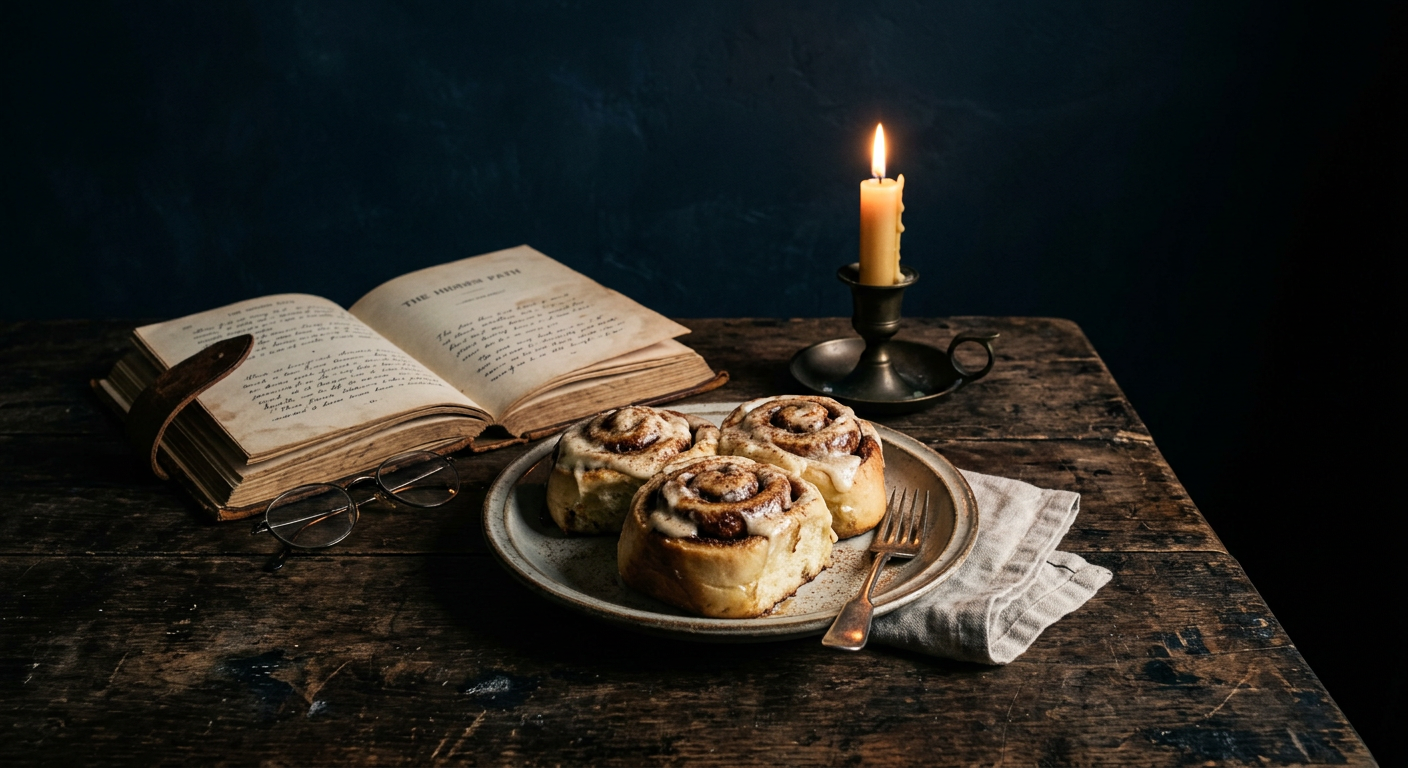
Tajiri introduces her readers to Rebecca Brown's The Gifts of the Body — a novel about an AIDS patient facing death and the home-care worker attending to him. What Tajiri lingers on is a small, recurring detail: cinnamon rolls. The caregiver had always brought them, because the patient loved them. Then one day, the patient decided to buy cinnamon rolls himself and present them to the caregiver — only to be taken away by ambulance before he could. The caregiver, returning to the apartment alone, finds them waiting.
Tajiri says that since reading this, she cannot see a cinnamon roll without that scene surfacing and a wave of grief rising before she can stop it. She lets the feeling brush past and moves on. I understood exactly what she meant. Anyone who has lost themselves in a book knows it: the characters' emotions become your own, and they don't entirely leave when you close the cover. The deeper the book, the truer this is.
As Tajiri suggests, a book gives you experiences you never lived through — and leaves you with the feelings that belong to them. When something in real life rhymes with what you've read, the book has already prepared you for it. That, as much as anything, is why books are worth loving.
My tear ducts haven't become loose. People often say they cry more easily as they get older, as if it were a sign of aging. I prefer to think of it as building up the muscle for weeping.
Books Reveal Who We Are
The book is full of Tajiri's reading life — books encountered, absorbed, returned to. Through it all, she keeps noting that the books she has read reveal who she is. Running a bookshop makes this especially visible, she says: a shelf she has curated is a shelf that exposes her.
That passage sent me straight to my own bookshelves. Running through the titles in my mind, I found myself confronted with a self-portrait I hadn't planned. Philosophy, intellectual history, and questions of worldview take up the most space — a record of an obsession that took hold in college and never quite loosened its grip. Those books describe me, whether I intended them to or not.
More recently, I've been drawn to essays like this one — books about books, about bookshops, about the quiet life of reading. A section of my shelf has started to fill with them, and I notice myself becoming, in some small way, the person those books describe: more attentive to atmosphere, more drawn to the small and particular. Books don't just sit on shelves. They make us.
A bookshelf reveals what kind of person its owner is. Some customers tell me they don't want to be seen. They say it's as exposing as being seen naked.
Memories Pressed Between the Pages
Books carry something else as well: the memory of when and where we read them. Tajiri demonstrates this through several books in her life. She was reading a novel called The Wheel of Life — a story about a great flood that swallows an entire village — at precisely the moment when her own neighborhood was devastated by flooding. Now she cannot think of that book without being carried straight back to those days.
Then there is the deeper memory. The day her father died, Tajiri had come home from the hospital and was reading The House I Cannot Return To — a novel about a protagonist estranged from her parents who must now nurse her father through dementia. The final pages describe that father's death. She finished the book, and the phone rang. Her father was gone. She says she cannot look at that book without returning to that night.
Most of us don't consciously catalogue which books hold which memories — but the connection is there. Pull out an old textbook, and you're back in a classroom. Flip through something you read in college, and the campus reappears. That may explain why so many people keep their college textbooks long after they've stopped being useful. For me, Harry Potter and the Sorcerer's Stone is inseparable from the friend who pressed it into my hands in middle school, face lit up, telling me I absolutely had to read it. I can still see that expression. Books don't only hold stories. They hold the people and the moments that surrounded them.
Books, Feelings, Memory
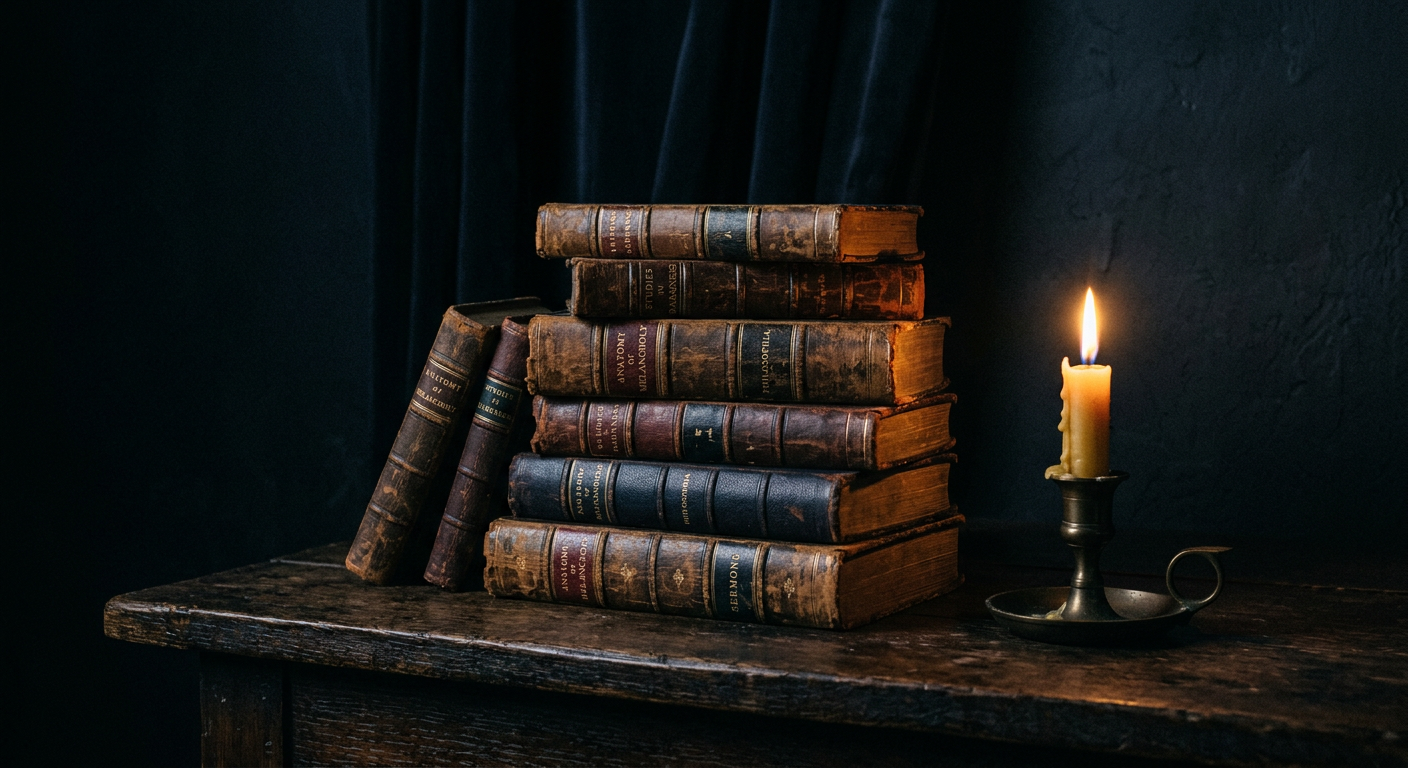
Reading Books, a Cat, and My Story, I felt as though Hisako Tajiri were leading me through her reading life the way a trusted friend might — not as a catalogue, but as a series of quiet confessions. Following her, I found myself thinking back through my own books: the years they span, the people who were nearby when I read them. A book gives you more than information. It gives you emotions you didn't earn through experience, and it keeps records of your life that you didn't know you were making. Thinking back over the titles my longtime reading group has worked through together, I found that each one came loaded with its own freight of friendship.
If you're asking yourself why you should be reading at all, or if you want to revisit the reading life you've already lived, or if you simply need a quiet hour to take stock of yourself — Books, a Cat, and My Story is the book to reach for. It will give you time to think about books, about what you feel, about what you remember. And somewhere in that thinking, you may find yourself again.
About Author

faith.log
A journal that connects faith and everyday life. In each small piece of writing, we share the grace of God and the depth of life together.


