Stepping Out in Mission Under Caesar’s Shadow: The Mission Was Never Ours to Begin With
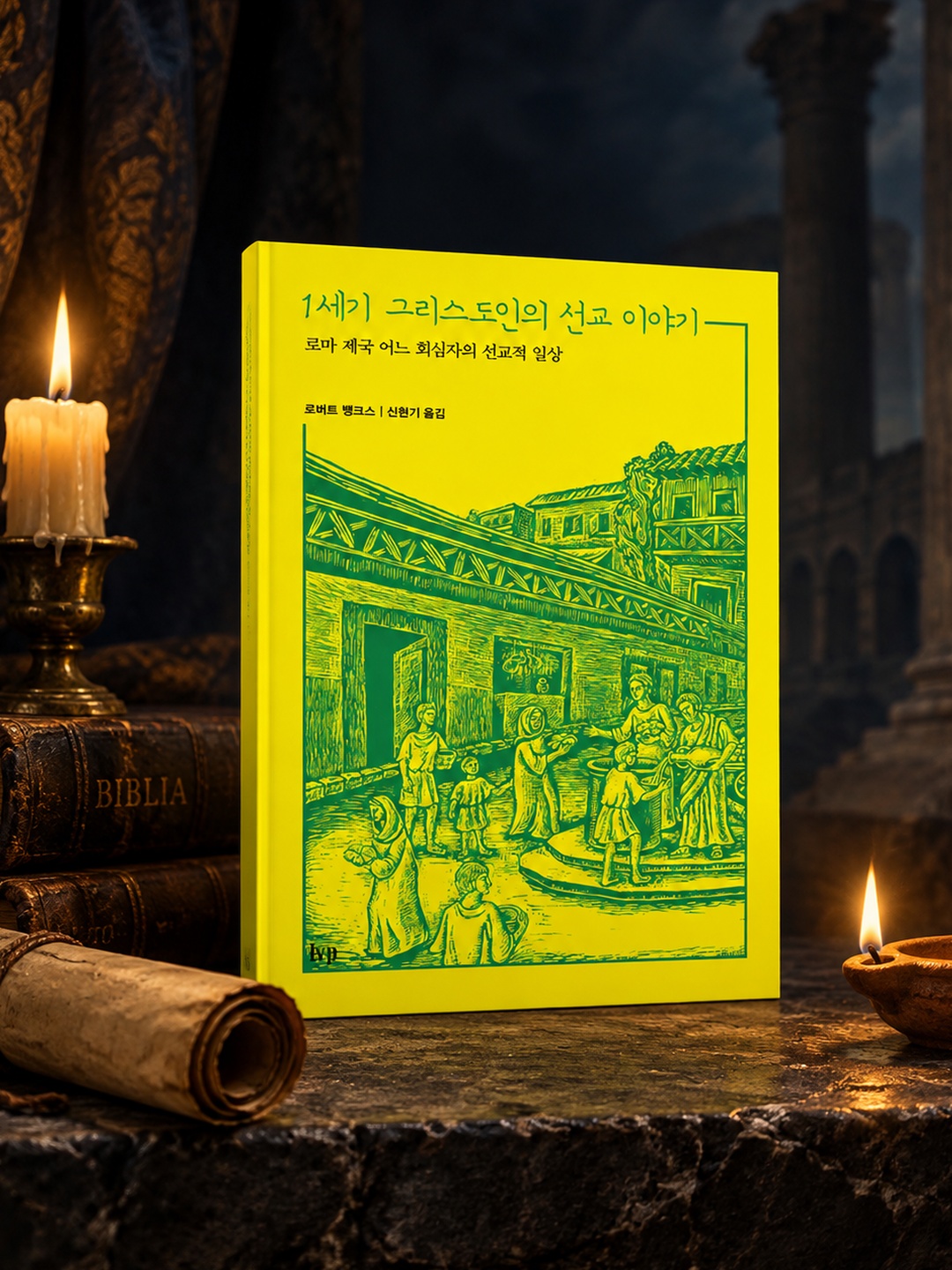
Over the past several months, read.log has been working through a set of books on the lives of first-century Christians. After Going to Church in the First Century and A Day in the Life of an Early Christian: A Personal Record, we come today to the final volume in Robert Banks’s series: Stepping Out in Mission Under Caesar’s Shadow: A Progress Report. Banks wrote both this book and its predecessor in English, but to date they have been published only in Korean, by IVP Korea (2018 and 2020). The quotations below are therefore my own renderings from the Korean edition, not Banks’s original wording.
I’ll confess I opened this one expecting something familiar, the kind of book that fills the evangelism shelf at any Christian bookstore. Strategies. Programs. A fresh model for outreach. That expectation didn’t survive the first few chapters. What I found instead was a quiet but searching rebuke of how worldly my own assumptions about evangelism and mission had become. My hope is that this review helps us recover what mission actually is.
Evangelism Is Not Marketing
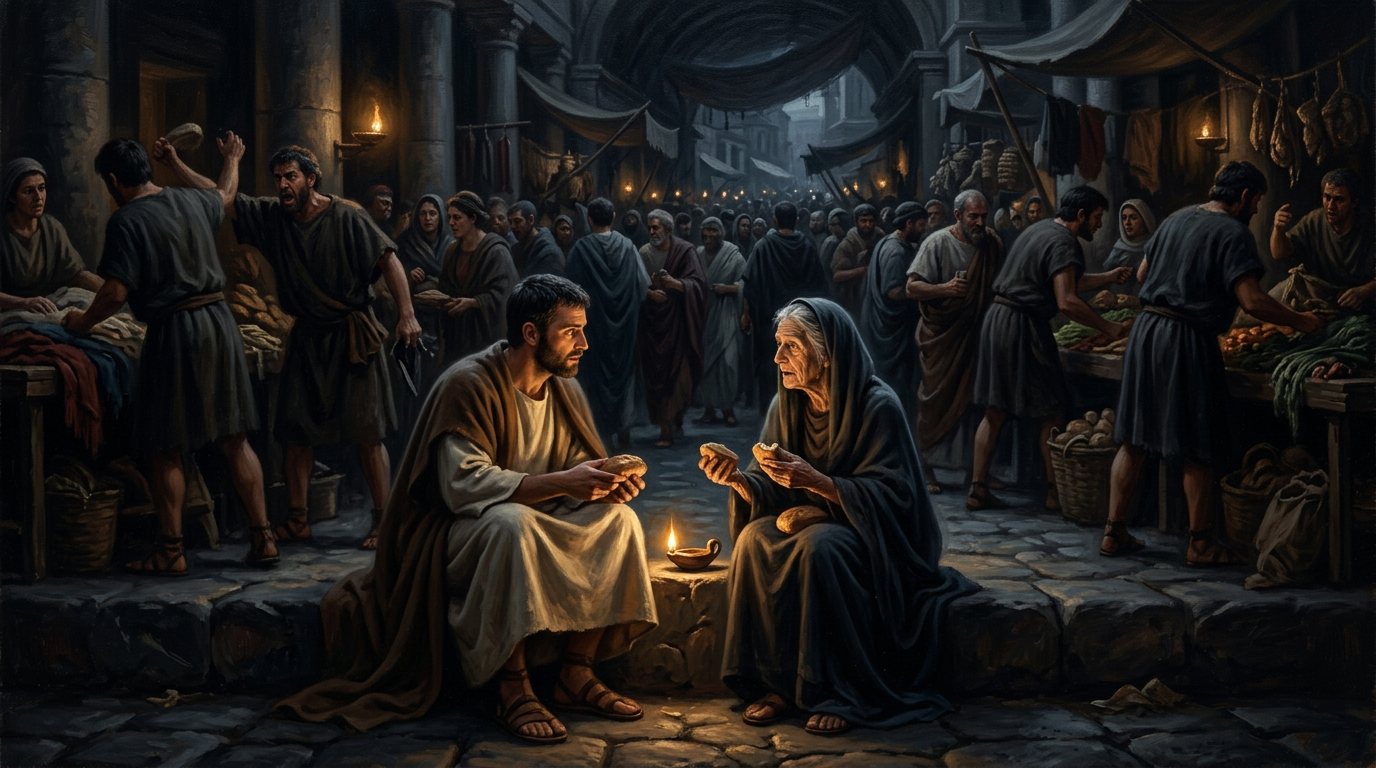
Banks tells the whole series through the eyes of one man, Publius. In the first volume, Going to Church in the First Century, Publius is still an unbeliever, invited for the first time to a gathering of Christians for worship. It is Christianity seen from the outside. The second volume meets him after his conversion and shows how sharply his new life differs from the one he left behind.
This final volume finds Publius a mature believer and follows him into his household, his daily routines, his civic life, and his business dealings. There are scenes in which he extends invitations to others, just as he was once invited. But most of the book simply shows him living as a Christian in the real world. If the second volume showed a changed life, this one shows a life lived according to God’s will in the middle of the world.
What makes this striking is that, for a book with “mission” in its title, almost none of what contemporary Christians associate with mission appears. There is no outreach event, no campaign, no program. We learn early in church life that evangelism and mission belong to our calling. The trouble is that we tend to understand that calling in thoroughly modern terms. To put it bluntly, we treat evangelism the way a company treats marketing, as a strategy for moving a product. This book makes it plain that such an approach is neither true evangelism nor true mission.
Christians Do Not Withdraw From the World; They Live in It
Even after his conversion, Publius knows he still lives in Roman society. He gathers with fellow believers for worship, but his Christian life does not end at the door of the house church. He keeps his occupation, and he continues to take part in civic life and in the gatherings his business requires.
The book notes that some converts, convinced that believers are sojourners in this world, tried to turn their backs on it entirely. That impulse has never disappeared. It surfaces in every generation of the church, including our own. Yet God does not call us to retreat. Our Lord did not pray that the Father would take his disciples out of the world, but that he would keep them from the evil one (John 17:15). We are to live alongside believers and unbelievers alike, sharing in the common life of society, and to live there as God would have us live.
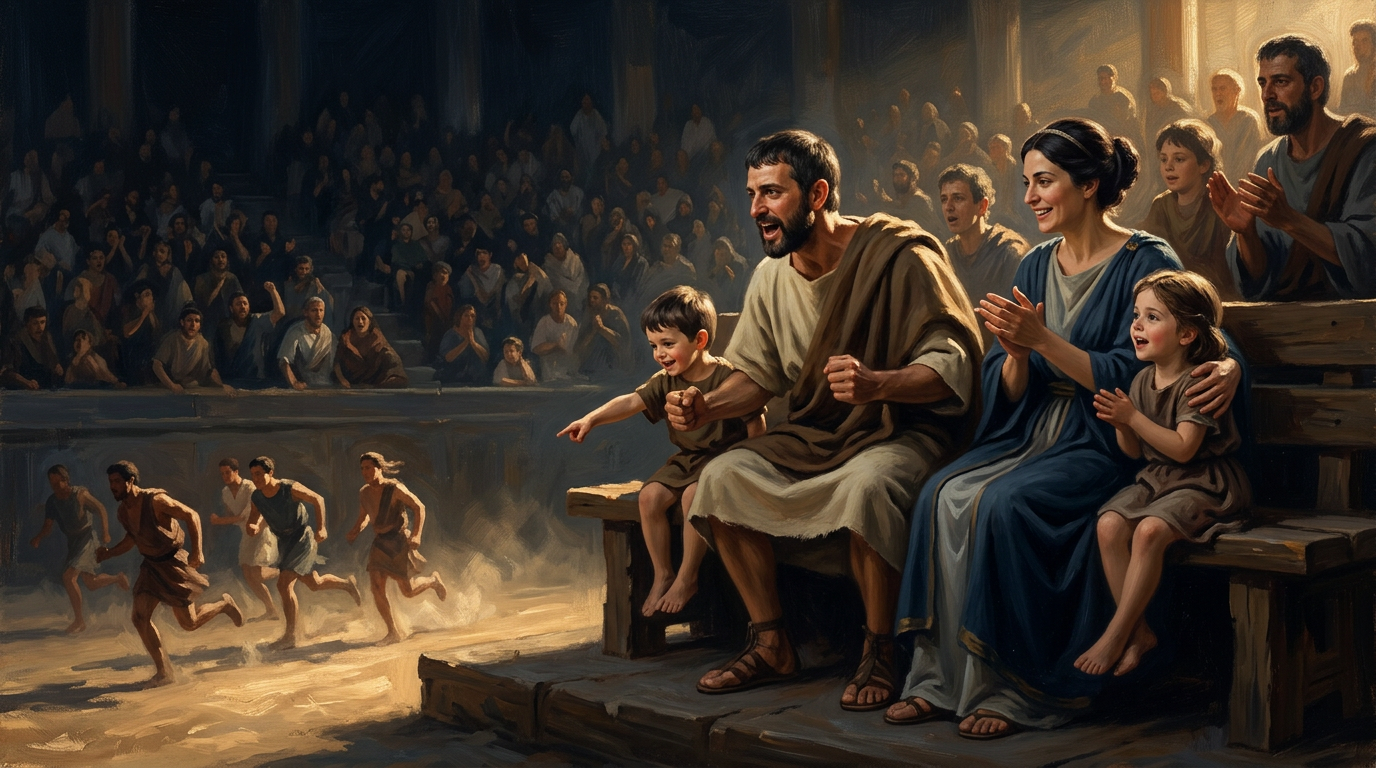
So Publius attends civic events, athletic contests, and public festivals. He cheers alongside his children at the footraces and boxing matches they love, and he makes sure his child can keep studying music. Christians are not people who live outside society, and we would do well not to forget it.
“Once I realized that faith wasn’t cut off from enjoyment, it became easier to share my faith with others.”
(Korean edition, p. 45)
Christians Live in the World Without Living Like the World
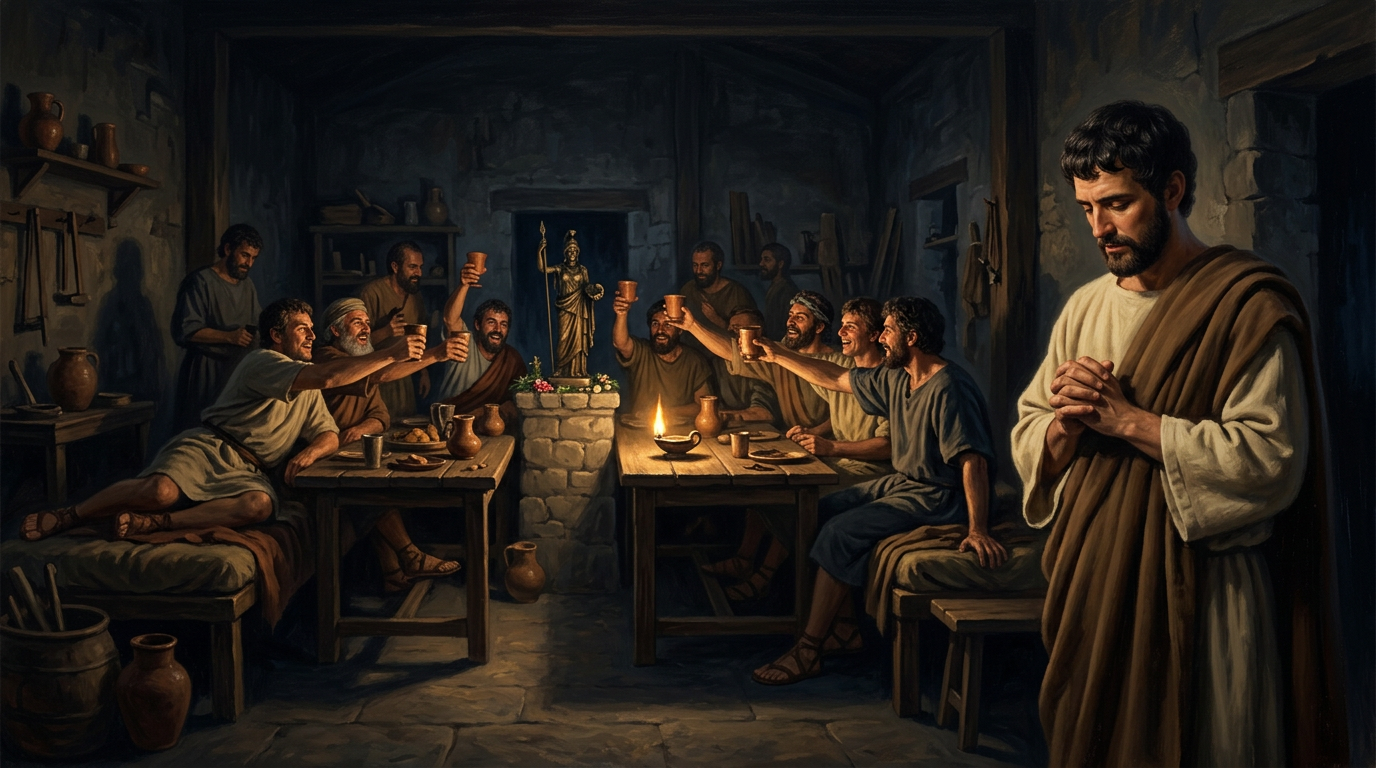
None of this means a Christian may live exactly as an unbeliever does. Publius goes with his family to the festivals and games, and he keeps attending business gatherings, but in each setting he is unmistakably different. Festivals and games in his day frequently included rites honoring the emperor as divine, and the trade guilds opened their meetings with ceremonies venerating the patron gods of each craft. Publius and his family study the festival and game schedules in advance and arrange to be absent when those rites take place. When the guild turns to honor its gods, he uses that moment to pray to the living God.
The book, then, does not tell Christians to exit the world, but neither does it tell them to absorb everything the world offers without discernment. There are things a Christian must not do and places a Christian must not go, and those must be refused. Yet the refusal itself requires wisdom. Here the book calls to mind the charge our Lord gave as he sent his disciples out into the world (Matthew 10:16).
“Do you remember what Jesus said about being as shrewd as snakes and as innocent as doves?”
(Korean edition, p. 41)
A Christian’s Life Itself Carries the Fragrance of Christ
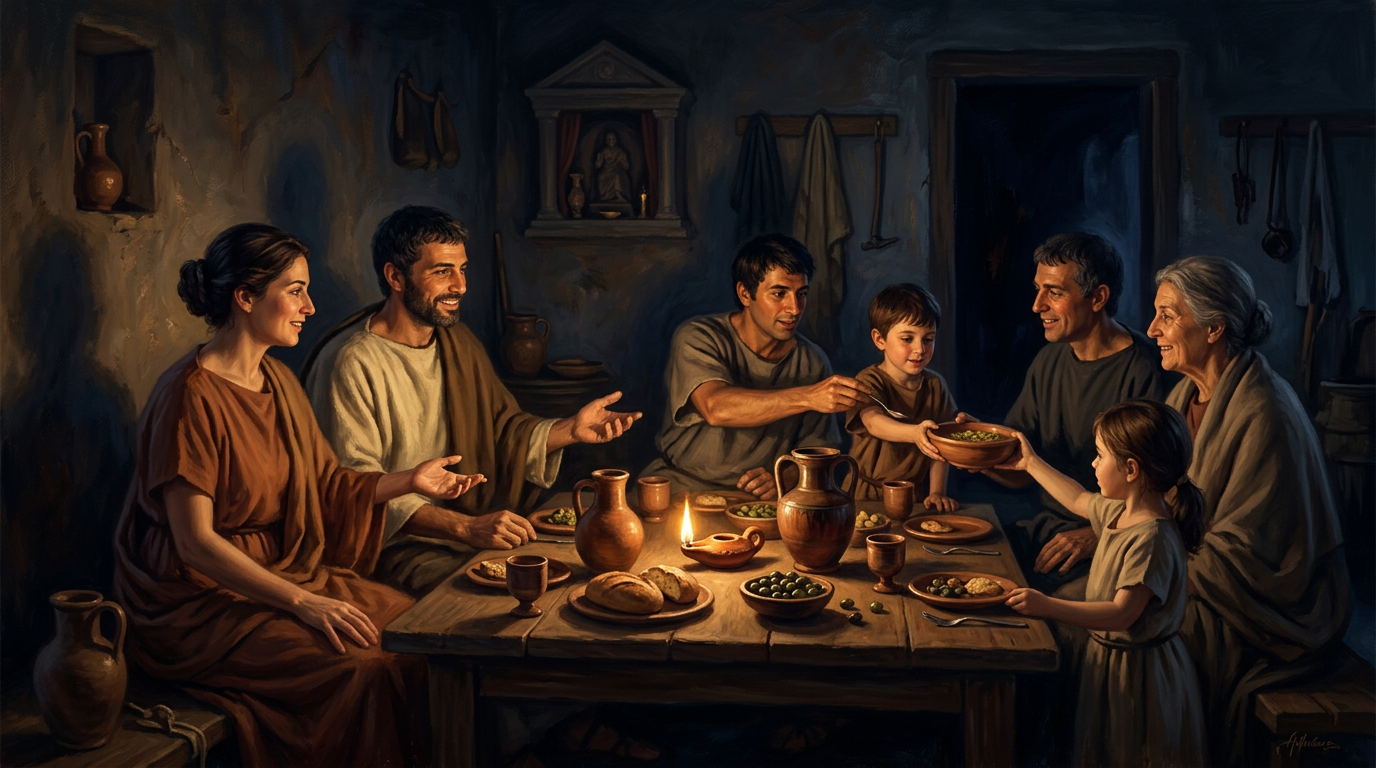
Where, then, is the mission in this book? It is in the life itself. On a business trip, Publius does not corner his traveling companion or press him toward a decision. He simply lets the man see how he lives and speaks honestly about the direction his life has taken, and in this way he makes God known.
As the second volume showed, Christians differed visibly from the surrounding society in how they treated slaves, how husbands and wives treated one another, and how they raised their children. Publius builds friendships with unbelievers and welcomes them to his table, letting them feel that difference for themselves.
This is how Christians, living ordinary lives in society, allow others to catch the fragrance of Christ (2 Corinthians 2:15). It matches what we saw earlier in Larry Hurtado’s Destroyer of the Gods: Early Christian Distinctiveness in the Roman World. The earliest believers did not win converts by approaching strangers and talking them into faith. They gave themselves to living by God’s Word and doing his will. Because that life was so plainly different from the world around them, the difference itself became the occasion for evangelism and mission.
Mission Begins With a Life and Is Completed by the Gospel
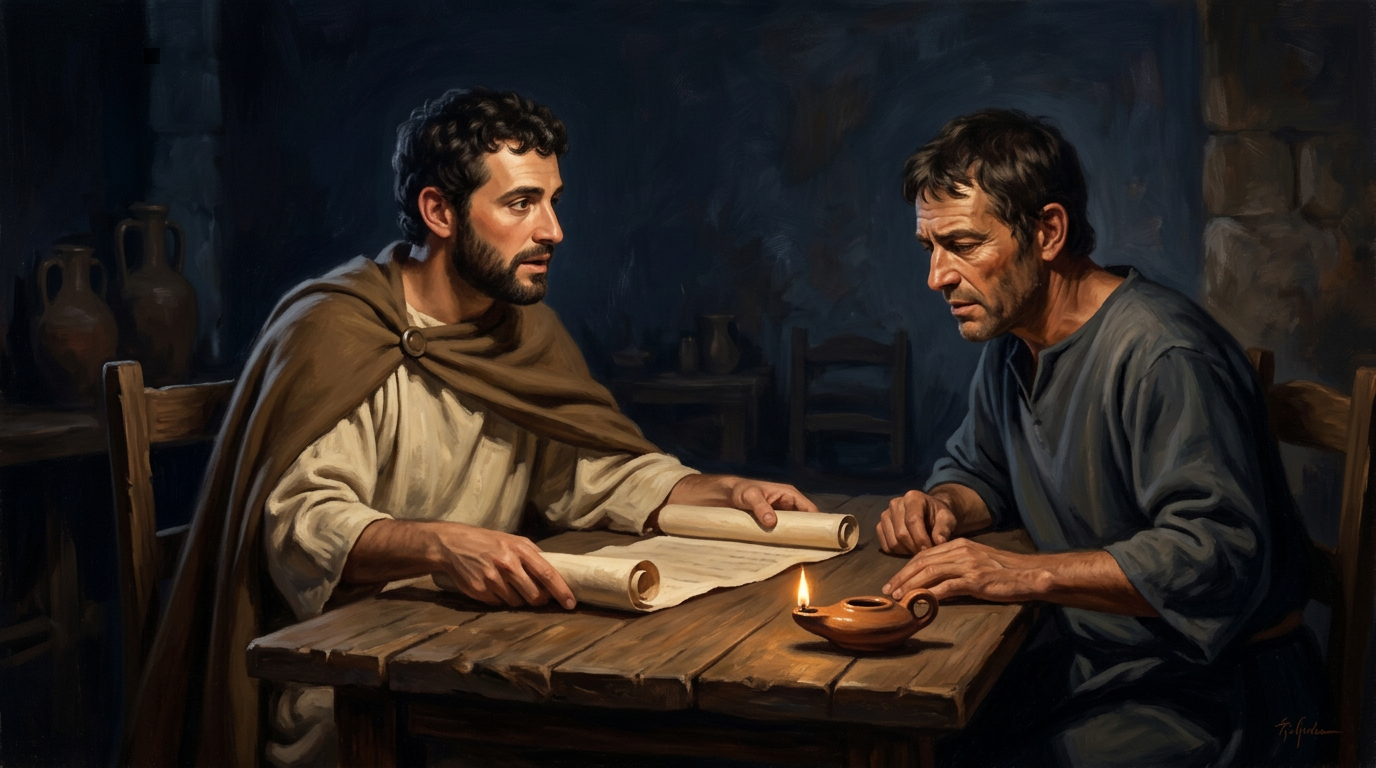
Here is a point we must not miss. When people watch Publius’s life and begin to ask what it means to be a Christian and what he actually believes, he tells them the gospel plainly. Approaching unbelievers with a marketer’s posture is a problem, as we have seen. But it is just as wrong to stay silent when someone, drawn by a life lived before God, comes asking. Faith comes by hearing, and hearing by the word of Christ (Romans 10:17).
The mission that began in Publius’s life reaches its completion in the proclamation of the gospel. Mission starts with following God and living as he desires, but when that life draws someone near, we must be able to tell them clearly what we believe.
So Publius explains in detail why his life has changed and states openly what he believes. Drawing on the Scriptures and the teaching of the apostles, he shows that the one he trusts is Christ and patiently unfolds what it means to live by faith in him. And he prepares for those moments in steady prayer. Peter’s exhortation to be ready to answer anyone who asks about the hope within us is lived out in his life (1 Peter 3:15).
Mission Is Not Our Work but God’s
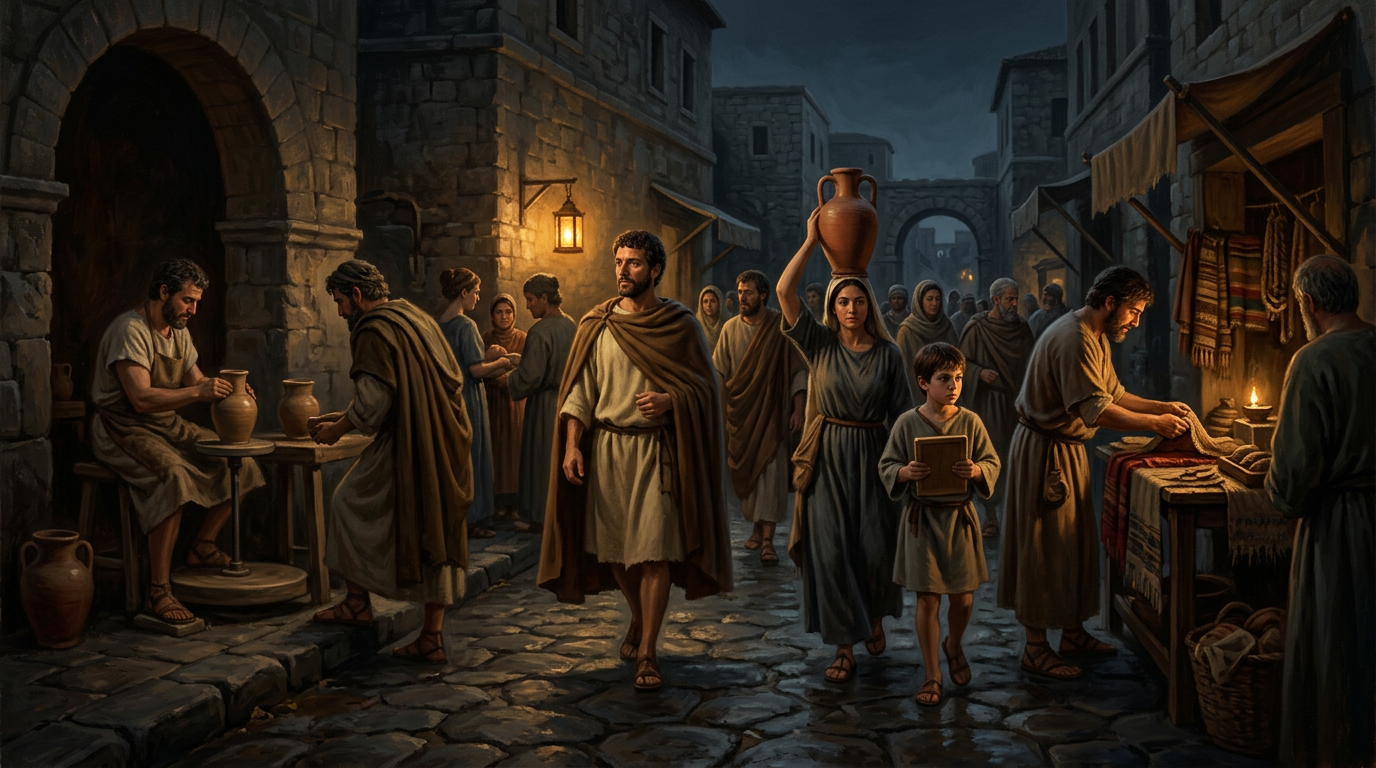
We are Christians who live in society, and wherever we stand in it is a post God has assigned. We may be students, employees, or business owners, or we may be serving within our homes. The Reformed tradition has long called this vocation. That post is no longer a stage for our own ambitions. It is the place where we live coram Deo, displaying what God desires and walking in his will. This is the evangelism and mission our lives are meant to carry. The mission belongs not to us but to God, and we are simply called to take part in it. I hope every Christian reading this will take up that posture. For readers who know Korean, I warmly commend Stepping Out in Mission Under Caesar’s Shadow. For everyone else, I hope an English edition is not far off. In the meantime, Going to Church in the First Century is a fine place to meet Publius for yourself.
“That isn’t a mission of our own; it’s the mission of God! You’re actually taking part in Jesus’ mission.”
(Korean edition, p. 79)
About Author

faith.log
A journal that connects faith and everyday life. In each small piece of writing, we share the grace of God and the depth of life together.


