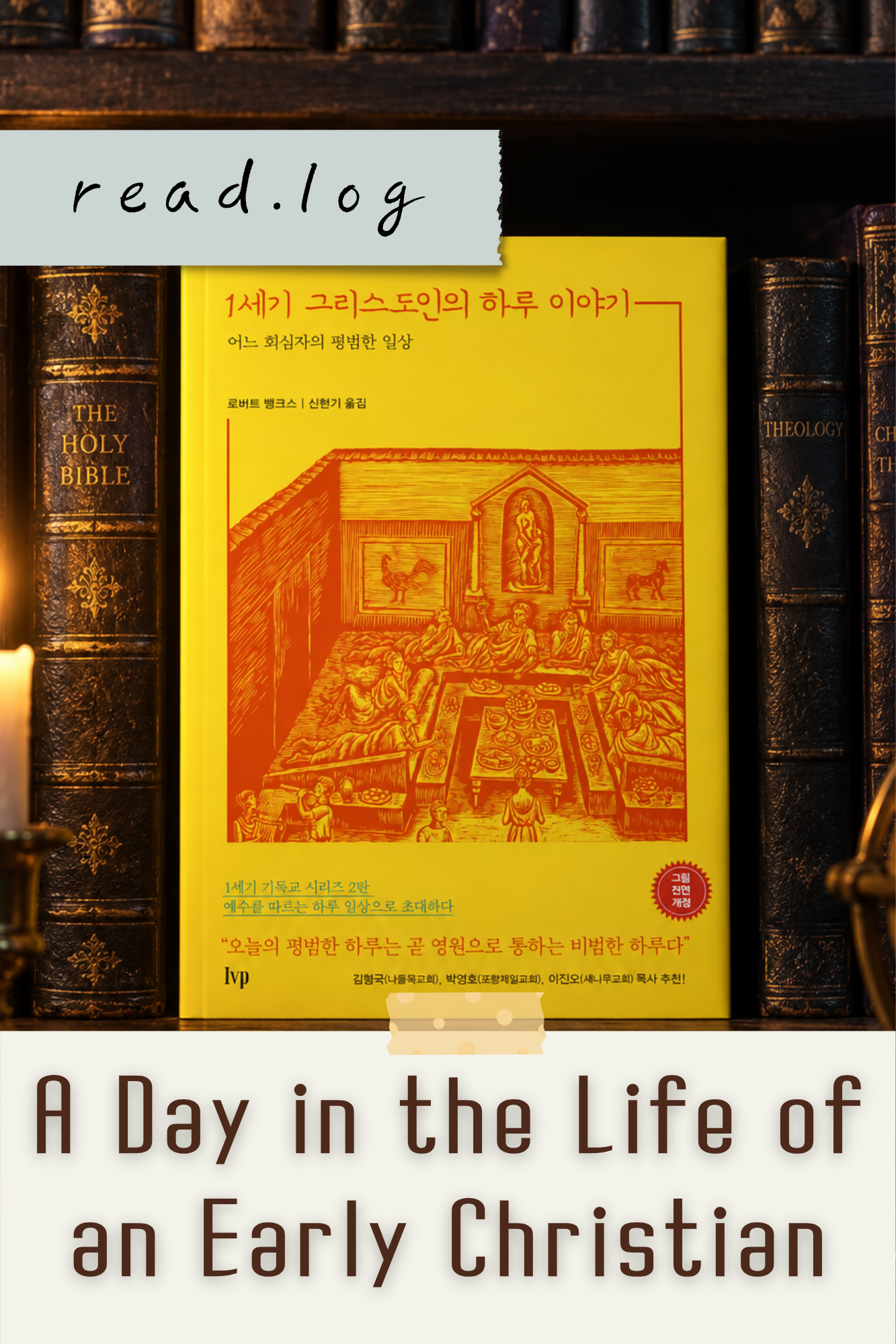
Living in the World but Not Like It: Robert Banks's A Day in the Life of an Early Christian: A Personal Record
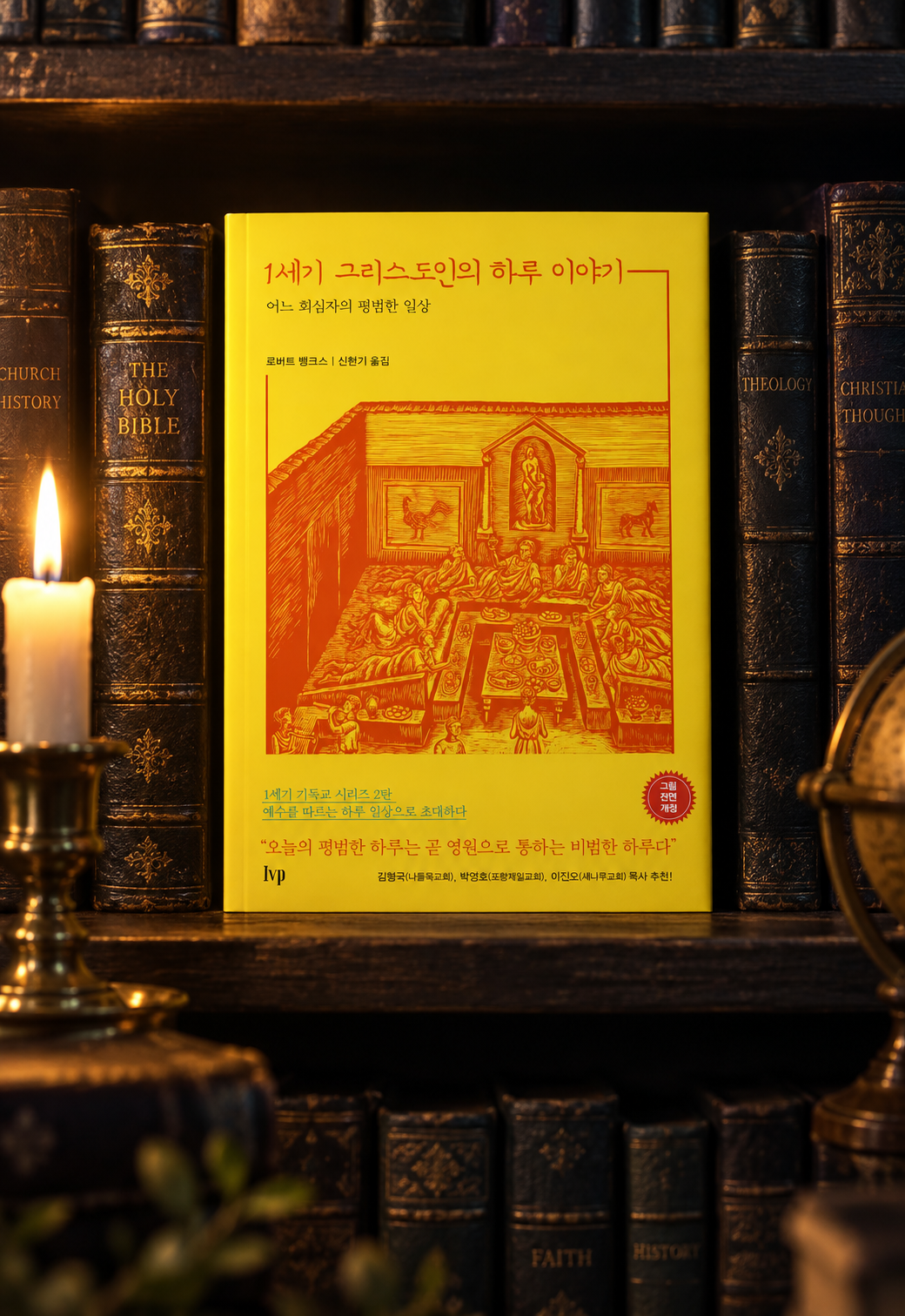
In my last read.log column, I introduced Robert Banks's Going to Church in the First Century: An Eyewitness Account, a short novel that looks at the early church through the eyes of a curious outsider. Following that skeptical Roman as he sat in on a house-church gathering, readers got an intimate glimpse of how the first believers worshiped, ate together, and lived. This time I want to turn to its sequel, A Day in the Life of an Early Christian: A Personal Record, also by Banks.
Publius, the unbeliever who once attended a Christian meeting out of curiosity, now returns as a convert. Written as Publius's own first-person account, the book follows him through a single ordinary day after his conversion, and in doing so it paints a vivid picture of how the earliest Christians lived within Roman society, and how that society, in turn, viewed them.
The Gospel First Reorders the Home
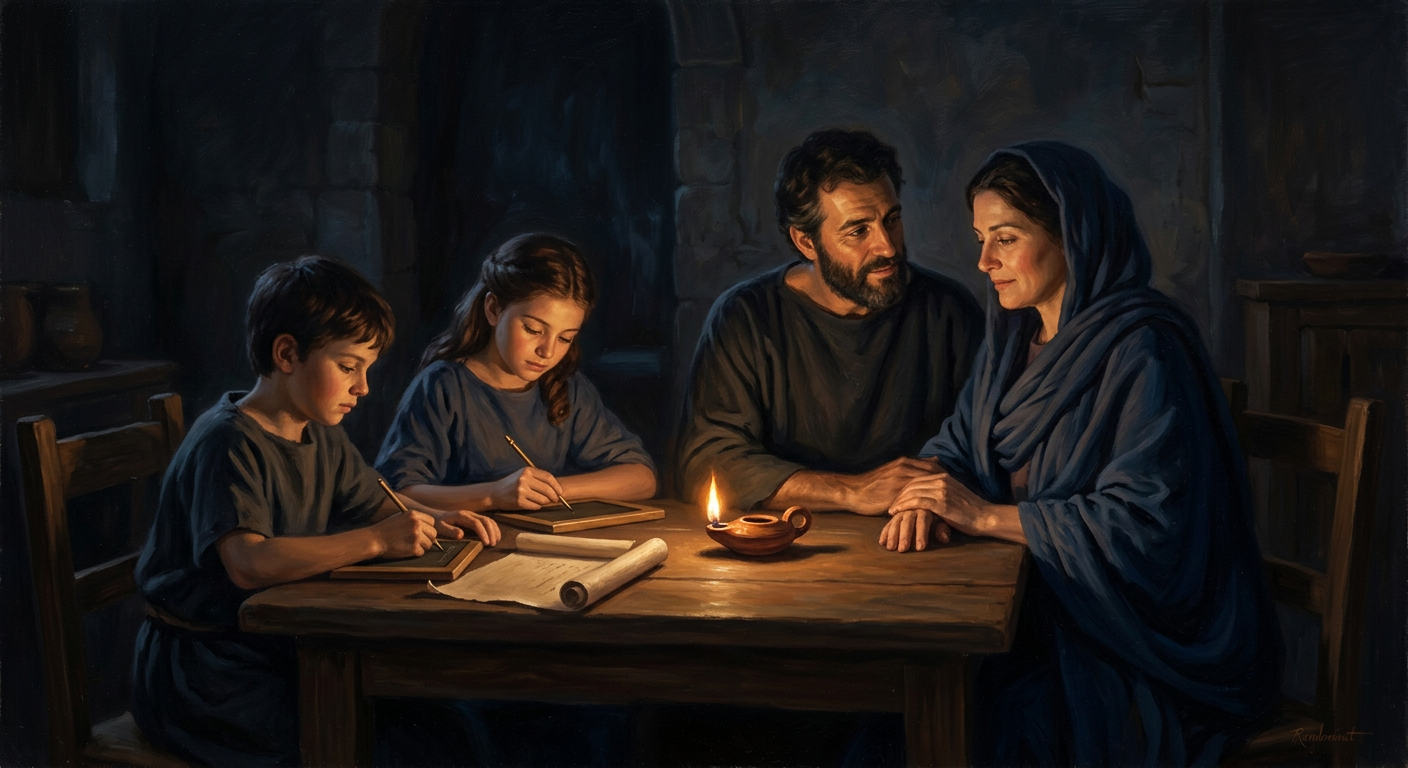
Publius's transformation shows up first at home, beginning with his marriage. In Roman society, husbands and wives did not stand on equal footing, and nowhere was the double standard sharper than in sexual ethics. Wives were held to strict fidelity, while a husband faced little social censure for liaisons with anyone, so long as she was not another Roman citizen's wife. Publius, now a believer, flatly rejects that arrangement and treats his wife as an honored partner who bears the image of God alongside him. That change ripples out into every corner of their household.
His relationship with his children changes as well. In the Greco-Roman world, sexual relationships between grown men and adolescent boys were tolerated, sometimes dressed up as a kind of "mentorship," undergirded by a cultural belief that love between males was the higher form of love. Publius and his wife, Junia, resolve to guard their son, Lucius, from ever being drawn into such a relationship. Whatever the culture applauded, if it contradicted the Word of God, it had no place under their roof.
Their decision about their daughter's education is just as striking. Girls in that era rarely received formal schooling, and before his conversion, only Publius's son attended school. Now he and Junia decide to send their daughter, Cumia, to the same school. In doing so, they open a wider future for her, one that does not depend solely on an arranged marriage.
Publius's household presses hard on Christian families today. We confess that husband and wife are both created in the image of God (Genesis 1:27), yet so often our homes fail to reflect that confession. The same is true of how we raise our children. Rather than helping them learn to serve God faithfully and make wise choices of their own, we push them toward material success, or we treat them as extensions of ourselves and script their lives according to our own ambitions. Setting the first-century Christian home beside our own, we need to ask honestly which one looks more like the household of faith.
"The view that love is not merely about drawing closer to others, but about putting their good first and laying down one's life for them, completely changed the way I looked at this matter.”
Conversion Hands Even the Smallest Habits Back to God
The change that began at home soon spills into the whole of daily life, starting with what Publius's family values. Before her conversion, Junia loved wearing gowns by the most fashionable designers of her day and adorning herself with elaborate hairstyles and jewelry. After becoming a Christian, she lays aside the extravagant hair, the ornaments meant for display, and the garments only a sliver of the elite could afford. Through the apostle Peter's teaching, she has come to see that such outward display does not please God.
The couple also removes the amulets that hung from their children's clothing, charms Romans believed would ward off evil spirits and accidents. Superstition gives way to faith that their children are kept not by a trinket but by the living God.
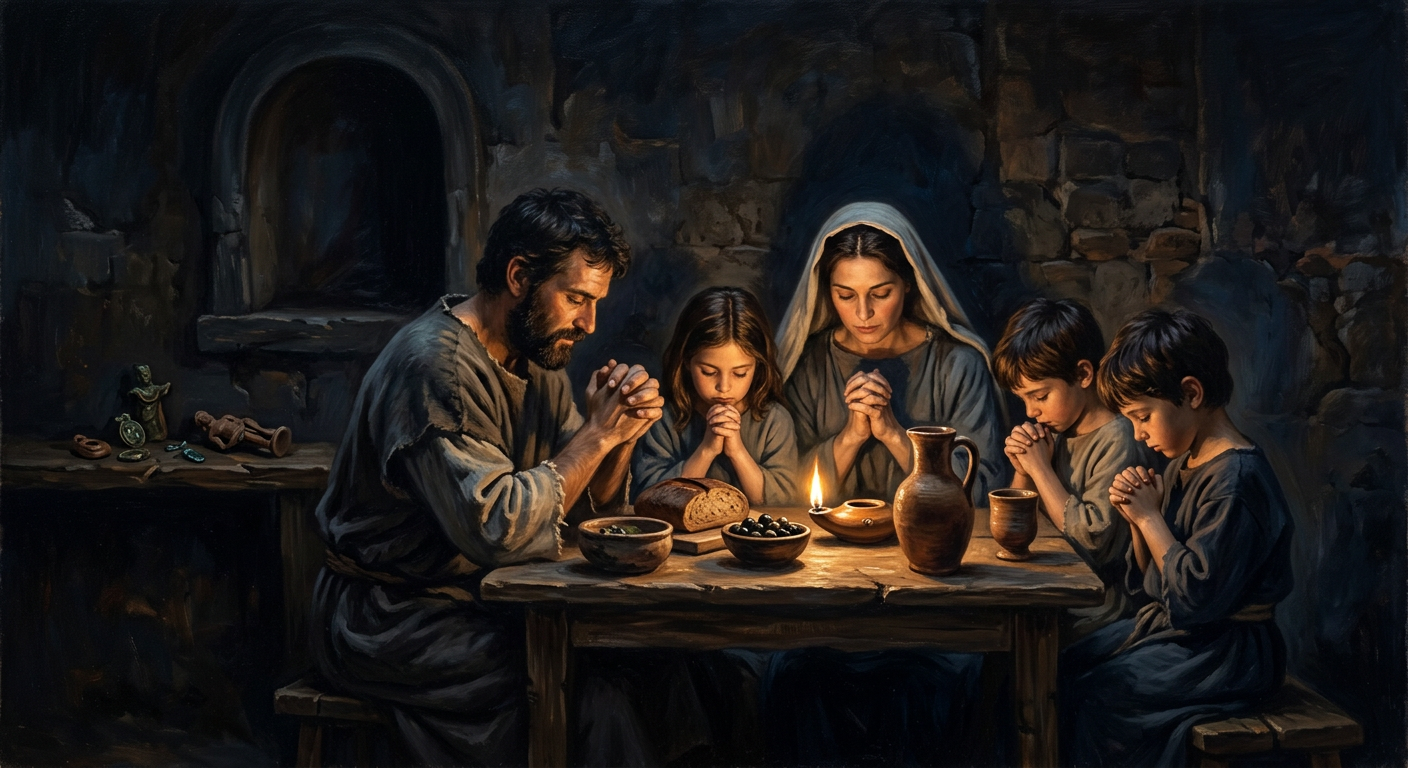
Even the dinner table looks different. Where the family once paid homage to the household gods before eating, they now give thanks to God for a restful night, for a new day, and for their daily bread before they share a meal.
Publius's family clearly lives differently after conversion. What about Christians today? Do our lives look meaningfully different from those of our neighbors? Sadly, we see far too many cases where the believer and the unbeliever are nearly indistinguishable. That a good number of Christians no longer pause to give thanks before a meal should give us real pause. As Calvin taught, the whole of the Christian life is lived coram Deo, before the face of God, and that reality tends to show itself not first in grand resolutions but in small habits, like a brief prayer at the table.
"Don't be concerned about the outward beauty of fancy hairstyles, expensive jewelry, or beautiful clothes. You should clothe yourselves instead with the beauty that comes from within, the unfading beauty of a gentle and quiet spirit, which is so precious to God." (1 Peter 3:3-4, NLT)
Christians Do Not Leave the World; They Live Differently Within It
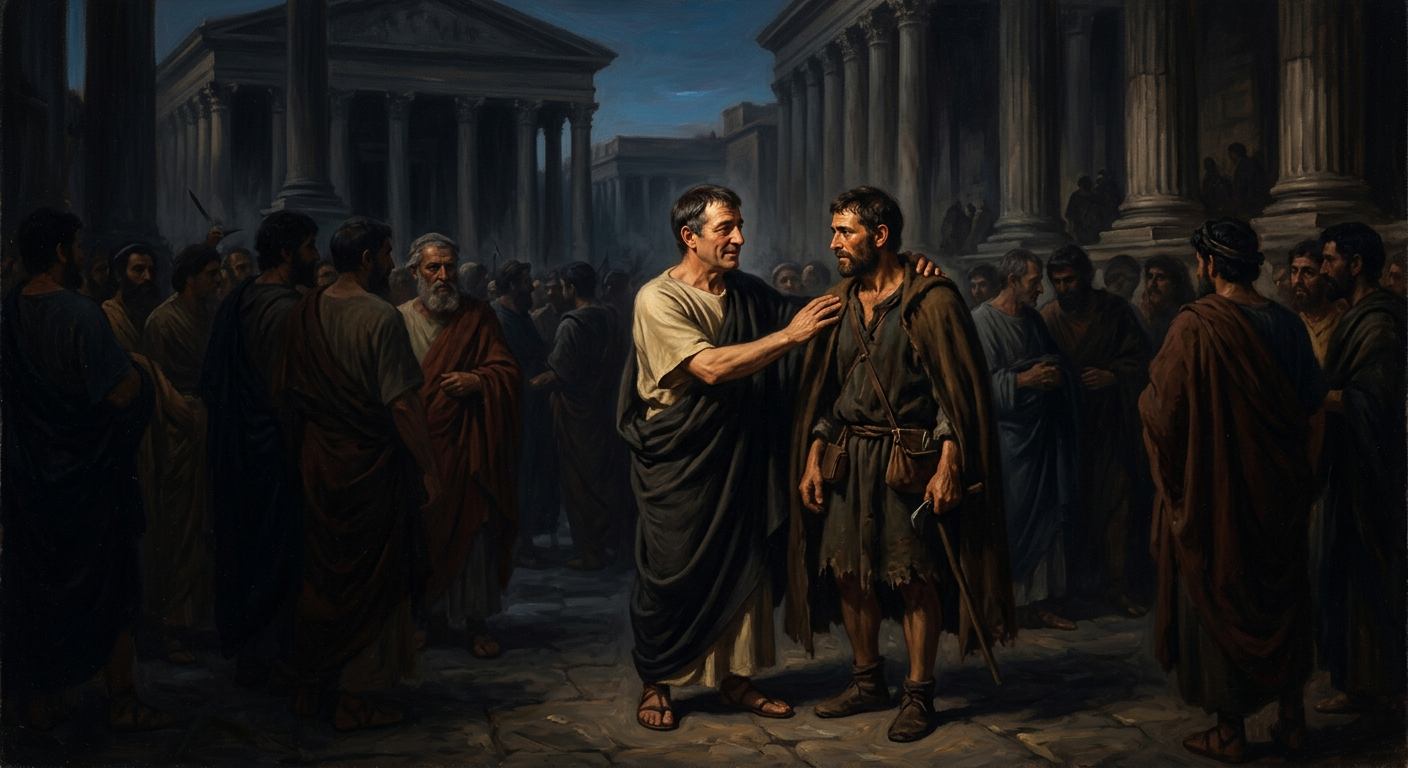
Some believers assume Christians ought to keep their distance from unbelievers, even in the workplace. A Day in the Life of an Early Christian shows a different way. The early Christians lived in sharp contrast to their pagan neighbors, but they did not wall themselves off. They stayed right where they were and let their transformed lives speak.
Roman society despised slaves, treated them as property, and routinely abused them, sexually included. Publius treats them in an entirely different way. He no longer regards them as slaves but as members of his household. He sets some free and supports them financially, and he hires others as employees in his business, working side by side with them.
What I find compelling is that Banks refuses to make Publius a flawless hero. In one scene, Publius tears into an employee over a mistake. When Junia gently asks whether that is really how God would have him act, he takes a hard look at himself and resolves to apologize to the man properly. That moment captures the heart of the Reformed doctrine of sanctification. Converted believers still stumble and fail in this life. Yet the Holy Spirit meets us in those failures, leads us to repentance, and conforms us, little by little, to the image of Christ. Sanctification is not an instant achievement but a lifelong, progressive work of grace.
Publius also spends time in the forum and the public baths, mingling with the people of his city. Even there, he refuses to go along with practices he knows are wrong and tries instead to steer others toward what is right. And he looks for every opening the day gives him to share the gospel.
Christians are not called to withdraw from the world. We are called to live in the very middle of it, alongside everyone else. Our Lord did not pray that the Father would take His disciples out of the world, but that He would keep them from the evil one, and then He sent them into the world (John 17:15, 18). Even so, we are sometimes tempted to retreat from our neighbors and hide within the walls of the church. That is not the life God has called us to.
"It is fascinating how the change that took place in us is producing a positive change in the way others regard us as well.”
Publius's Day Asks Us About Ours
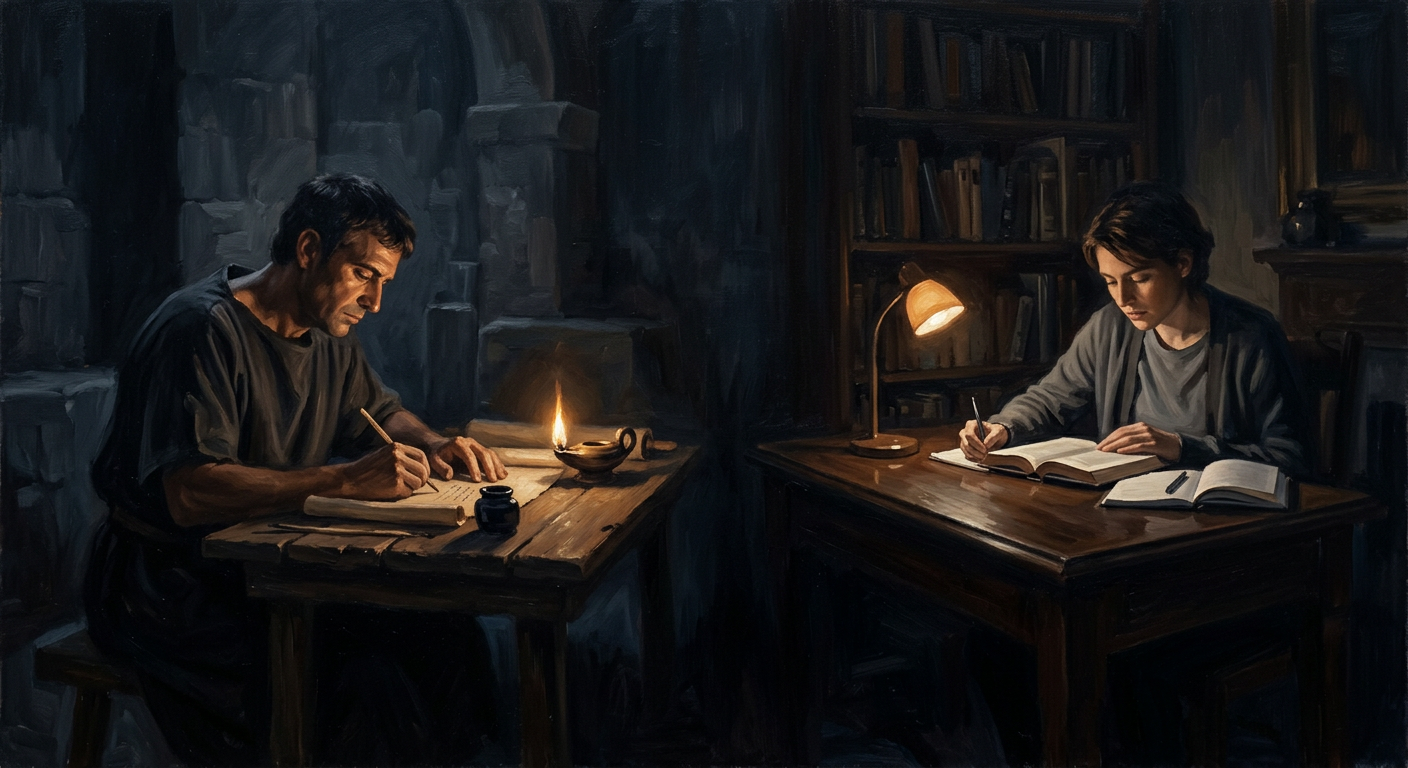
When I closed A Day in the Life of an Early Christian, I found myself setting my own life beside that of Publius, a first-century believer, and asking which one more faithfully reflects what it means to follow Christ. The book's greatest lesson is that we live in the world alongside everyone else, and that within it we are called to live not as the world does but as God desires. Retreating from the world is not faithful Christian living, and neither is blending into it. For any reader wrestling with what a truly Christian life looks like, A Day in the Life of an Early Christian will serve as an occasion to examine both faith and life afresh.
About Author

faith.log
A journal that connects faith and everyday life. In each small piece of writing, we share the grace of God and the depth of life together.


