Calvin’s Theology I: The Doctrine of Scripture - Sola Scriptura, the Spectacles That Bring God into Focus
In the previous two installments of root.log, this writer traced the life of John Calvin. With this column, we turn from his life to his theology, and we begin where Calvin himself began: with his doctrine of Scripture. Everything Calvin taught about God and humanity, about salvation and the church, rests on a prior question: What is Scripture, and what authority does it carry? Fittingly, this column appears on Reformation Sunday, with Reformation Day itself, October 31, only days away. There is no better season to ask what the Reformers risked their lives to recover.
Calvin Made Sola Scriptura the Starting Point of His Theology
To understand Calvin’s doctrine of Scripture, it helps to see where his fellow Reformers stood. Luther fought his battle at the fault line between Scripture and church tradition, and he emerged convinced that Scripture stands above tradition. Zwingli, trained in Christian humanism, came to Scripture in the spirit of ad fontes, “back to the sources.” For him, Scripture was older than the traditions layered on top of it and more reliable than any of them, and therefore the sole foundation of faith.
Calvin stood just as firmly on Sola Scriptura. Yet he did not stop at asserting Scripture’s authority. He patiently explained why, apart from Scripture, fallen human beings cannot rightly know God at all. According to Calvin, every human heart bears an awareness of God, a sensus divinitatis, that can never be erased. God has also engraved His glory so plainly across the created order that not even the most ignorant person can plead ignorance of Him.
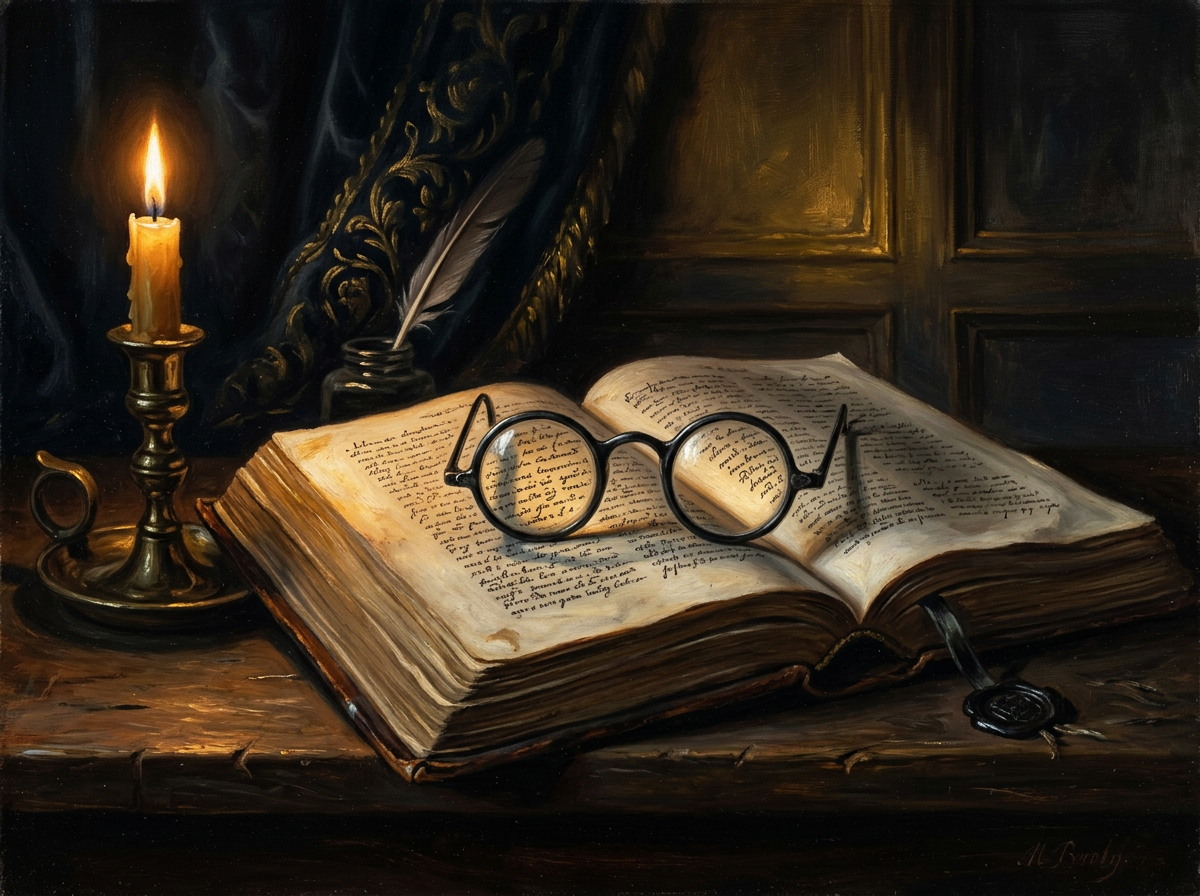
The problem lies on our side. Darkened by sin, we suppress the knowledge written on our hearts, and in place of the God whom creation proclaims, we worship idols and phantoms of our own making. If we are to know the Creator truly and distinguish Him from every false god, we must return to Scripture. Calvin illustrates this with a famous image:
“For as the aged, or those whose sight is defective, when any book, however fair, is set before them, though they perceive that there is something written, are scarcely able to make out two consecutive words, but, when aided by glasses, begin to read distinctly, so Scripture, gathering together the impressions of Deity, which, till then, lay confused in our minds, dissipates the darkness, and shows us the true God clearly.”
(Institutes of the Christian Religion 1.6.1, trans. Henry Beveridge)
Scripture’s Authority Comes from God, Not from the Church
Calvin took a clear stand against two camps that misunderstood Scripture in his day. The first was the Roman Catholic Church. Rome taught that because the church determined which books belonged in the canon, the authority of Scripture depended on the church’s endorsement. The church had approved Scripture; therefore, the church’s authority came first.
Calvin rejected this argument outright. Scripture did not acquire its authority because the church accepted it. As the Word of God, breathed out by the Holy Spirit, Scripture carried its own authority from the beginning, and the church simply recognized and received what was already there. Nor does our confidence that the Bible is truly God’s Word rest on any ecclesiastical decree. It rests on the inward testimony of the Holy Spirit. The same Spirit who moved the authors to write now assures the reader’s heart that these words have come from God.
Calvin then adds the testimony of Scripture itself. Paul tells us that the church is built on the foundation of the apostles and the prophets (Ephesians 2:20). If the teaching of the apostles and prophets is the church’s foundation, that teaching must have held authority before the church ever existed, just as a foundation is laid before the building rises upon it. The church did not establish Scripture. Scripture established the church.
The Spirit Gives No New Revelation Apart from Scripture
The second camp was the enthusiasts. Appealing to direct revelations of the Spirit, they dismissed Scripture as a “dead letter” and treated Bible reading as a lower rung of spiritual life. The simple faith of believers who held fast to Scripture was, to them, an object of ridicule. Calvin called them fanatics carried away by frenzy and opposed them without hesitation.
His rebuttal begins with the apostle Paul himself. Paul was caught up into the third heaven (2 Corinthians 12:2), yet he never stopped learning from the Law and the Prophets. He also urged Timothy, an exceptional teacher in his own right, to devote himself to the reading of Scripture (1 Timothy 4:13). If the apostle who received the most profound spiritual experience never moved beyond Scripture, no one today may invoke the Spirit as a pretext for doing so. Calvin concludes:
“The office of the Spirit, then, as promised to us, is not to form new and unheard-of revelations, or to coin a new form of doctrine, by which we may be led away from the received doctrine of the gospel, but to seal on our minds the very doctrine which the gospel recommends.”
(Institutes of the Christian Religion 1.9.1, trans. Henry Beveridge)
Calvin Never Separated the Word from the Spirit
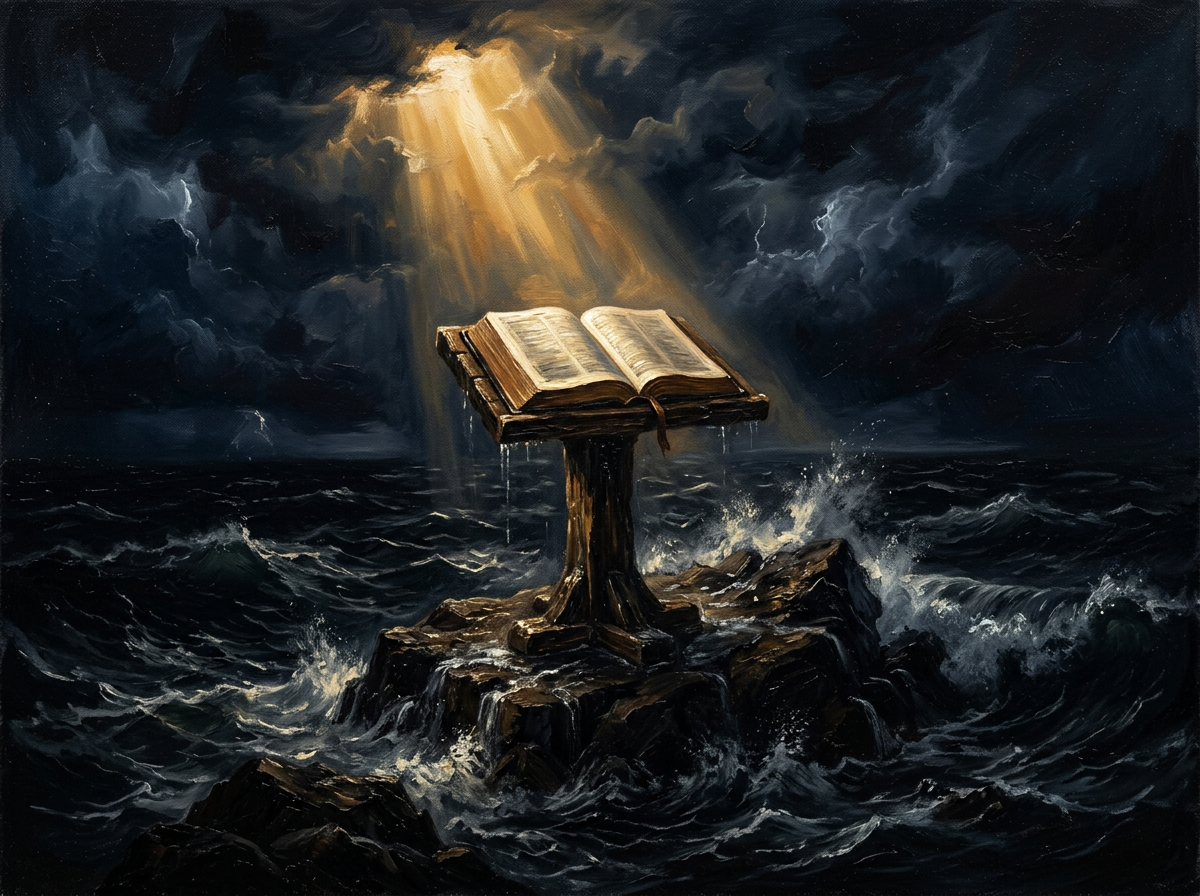
Luther and Calvin agreed on the essentials of the doctrine of Scripture. Both confessed it as the final authority for faith and life. Their emphases, however, differed. Luther read the Bible through a single governing question: Does it proclaim Christ (was Christum treibet)? The gospel and Christ formed the axis of his interpretation, and by that measure he could call the Epistle of James “an epistle of straw.”
Calvin, by contrast, held that the whole of Scripture, law and gospel, Old Testament and New, is equally the Word of God. No part of the canon carries less authority than another. His lifelong labor of preaching and writing commentaries on nearly every book of the Bible was the fruit of that conviction.
Above all, Calvin kept the Word and the Spirit together. Without the Spirit’s work, the Word never reaches the heart; without the Word, experience loses its way. This is why Calvin insisted that the inward illumination of the Spirit is indispensable whenever we read Scripture. Until the Spirit enlightens our minds, we drift on a sea of doubt. Every believer who opens the Bible, then, should first pray for the Spirit’s illumination.
Heirs of the Reformation Must Stand Again Before Scripture
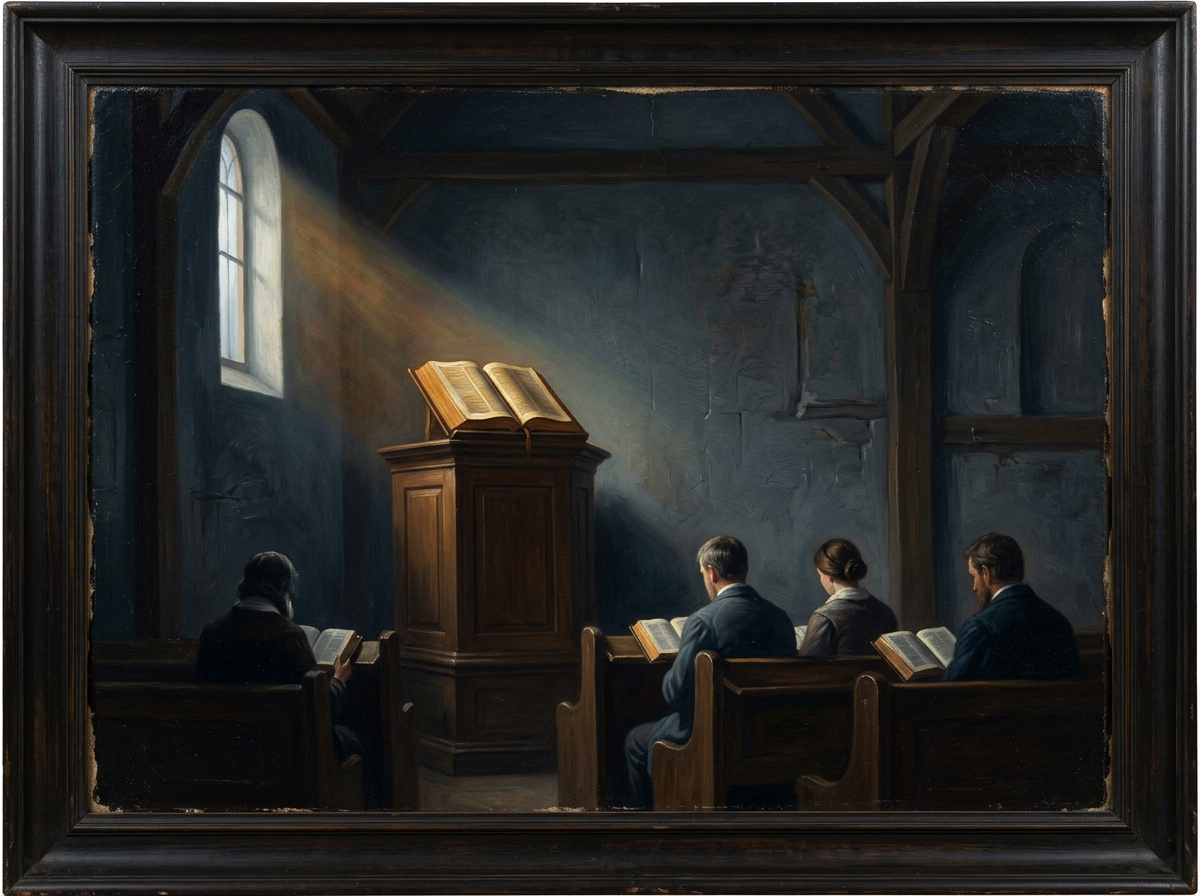
Calvin’s doctrine of Scripture is not a relic of a five-hundred-year-old debate. Within the church today, there are still voices that place tradition and custom above Scripture, and there are currents that prize mystical experience and emotion while treating the Bible lightly. The two extremes Calvin resisted have simply changed their clothes; they remain among us.
The Reformation was, before anything else, a movement that set the church once more before the Word of God. What Calvin held fast to was not a new theology but a return to the Word God had already given. On this Reformation Sunday, this writer invites every reader to stand coram Deo before two questions. Do I hold Scripture above every tradition and every experience? When I open my Bible, do I pray for the Spirit’s illumination? The confession that a Reformed church must always be reforming begins right here, before Scripture.
“Ecclesia reformata, semper reformanda.”
(The church reformed, always reforming.)
About Author

faith.log
A journal that connects faith and everyday life. In each small piece of writing, we share the grace of God and the depth of life together.


