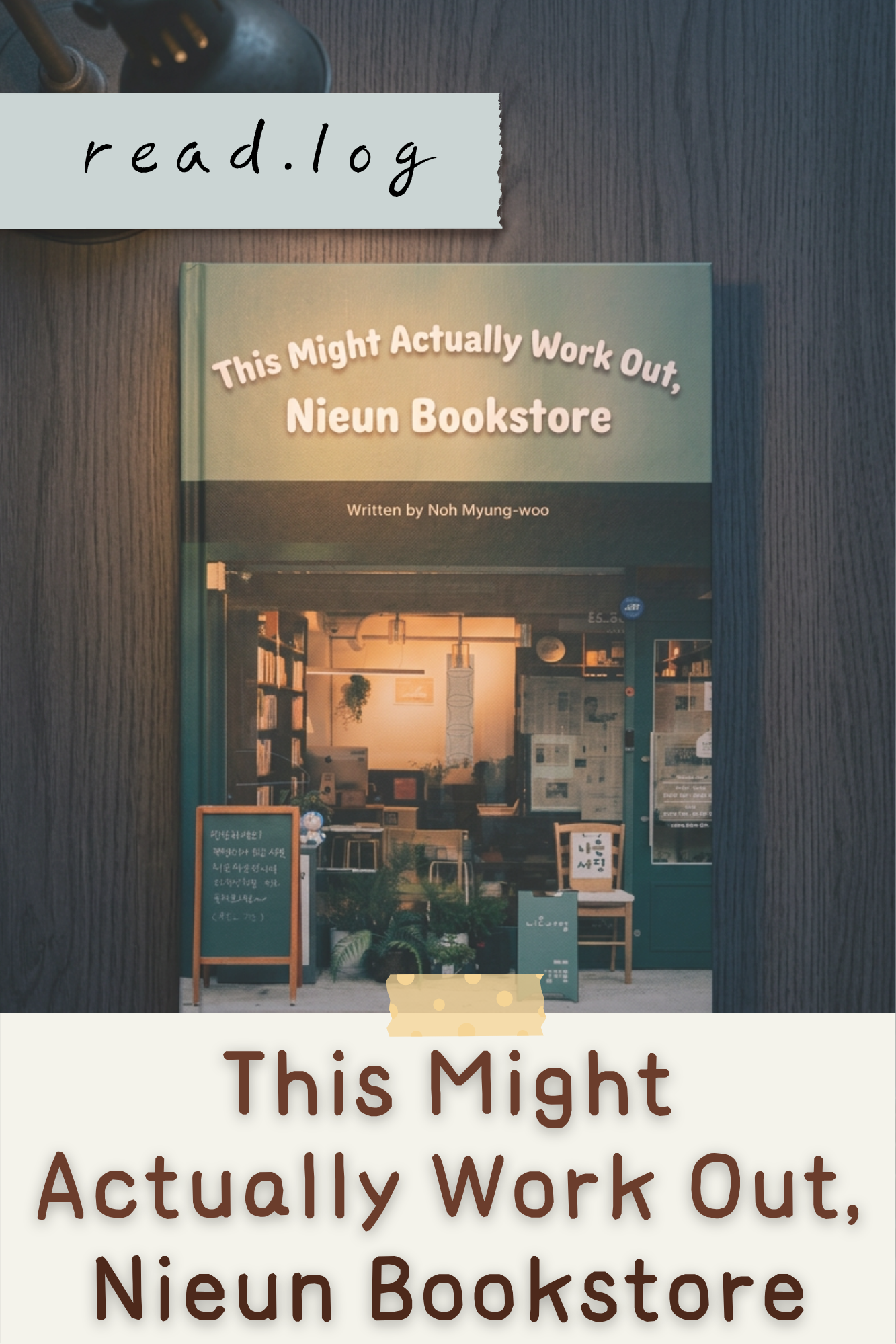
Why We Still Need Paper Books and Neighborhood Bookstores
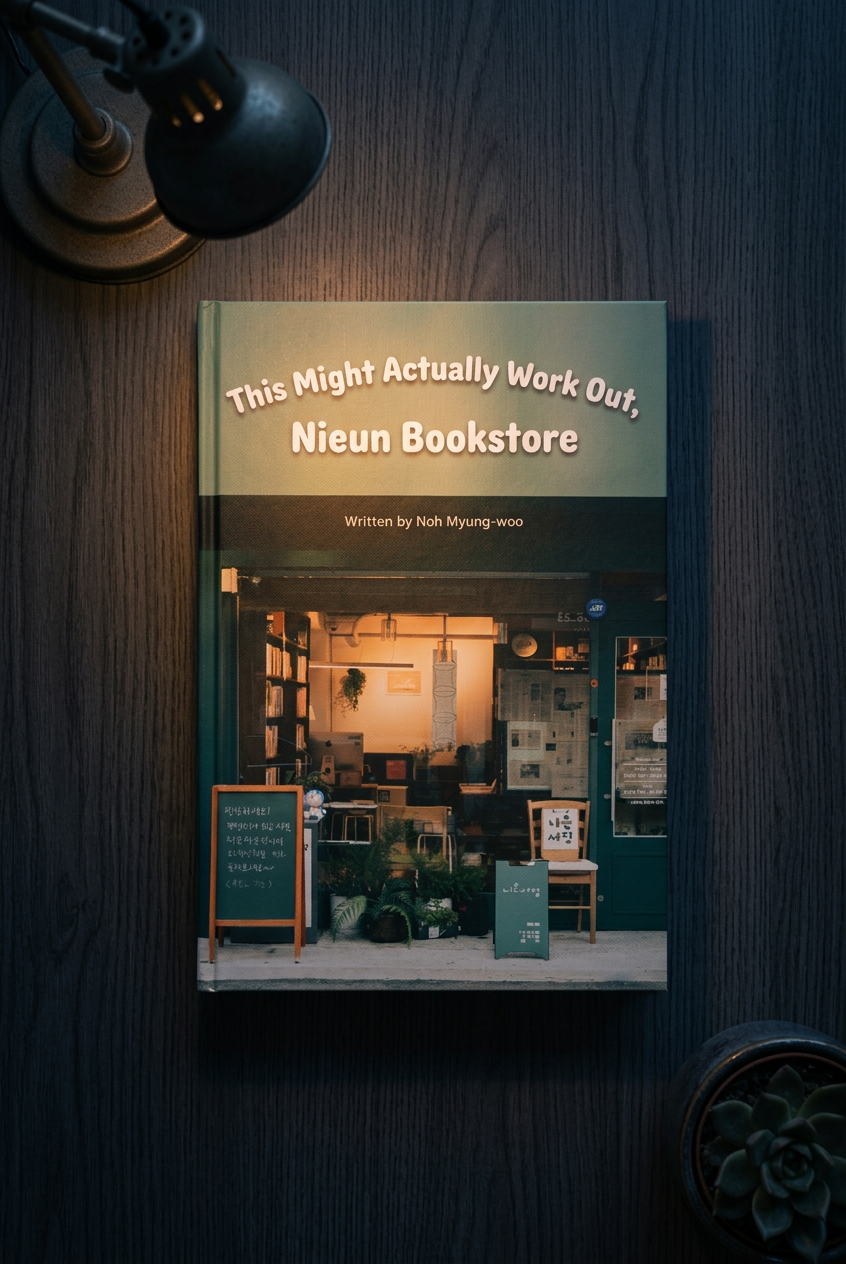
We live in an age when almost every headline about reading is bad news. The number of people who read books at all keeps shrinking, and the rise of e-books has only accelerated the decline of print. It has also become something close to common sense that books are bought almost exclusively from large online retailers now. All of this raises a question worth sitting with: why, in an age like this, do we still need paper books and neighborhood bookstores? This Might Actually Work Out, Nieun Bookstore is a good place to start thinking it through, and it is the book I want to introduce today.
Neighborhood Bookstores Still Matter in an Age That Doesn't Read

According to Korea's 2025 National Reading Survey, the annual reading rate among Korean adults stands at 38.5 percent. That means more than six out of every ten adults do not read a single book in a year. Even among those who say they do read, the average comes to just 2.4 books annually. So why aren't people reading? The survey's most common answer was simply "no time." But we all know that lack of time rarely stops us from doing the things we genuinely love. Pushed further, the excuse starts to lose its force: not reading a single book in an entire year is hard to pin on a busy schedule alone.
I remember that back when I was in college, in the early 2010s, it was still common to see people reading on the subway. Today, spotting someone with a book on a train is rare. Most people are looking at their phones instead, and with short-form video like Shorts and Reels now dominating, it is easy to sense how much harder people find it to sit with something that takes real time to get through and reach a conclusion, the way a book does.
On top of that, in Korea, encounters with books have often come through practical necessity, school, exams, career advancement, rather than genuine desire. People end up doing a kind of reading they never chose for themselves. It is not hard to see how that breeds resentment toward books, and how, once the exams are over or the promotion no longer requires it, people not only stop reading but come to actively dislike it.
And as large online retailers have become the dominant place to buy books, it has grown steadily harder to find an actual bookstore in your own neighborhood. When I first moved to my current neighborhood ten years ago, there were two or three bookstores nearby. Now there isn't a single one left, a small, sad fact I have had to accept. As This Might Actually Work Out, Nieun Bookstore points out, a neighborhood with no bookstore at all has become the default, not the exception.
Against this backdrop, author Noh Myung-woo makes the case that the bookstore still has a clear role to play, even in an age that has largely stopped reading. That role is twofold: to be a place where people can encounter books without any particular purpose in mind, and to be a space where readers can find meaning in a book and share that meaning with others. As the author recounts from personal experience, browsing shelves, stumbling onto a book that feels like it was written for you, and losing yourself in it, that kind of encounter is what keeps a person reading over the long run. Once you consider that, it becomes clear why a neighborhood still needs its bookstore, even now.
"Each of us had a different theory about why we'd drifted away from books. But we arrived at the same conclusion: if people could encounter books, this medium, more often, and if a bookstore could be the place where they find meaning in a book and share it with someone else, that might be an answer to the quiet emptiness so many of us carry.”
Print Still Holds Its Own in the Age of E-Books
As I mentioned above, the way we consume books is itself changing. Among readers in their twenties, the shift in preferred format is especially visible: the e-book reading rate (59.4 percent) has now overtaken the print reading rate (45.1 percent), and audiobook use is climbing as well. I will admit that even in my own case, I read more on-screen than on paper these days. And yet e-books cannot fully replace the physical book. Most people who read seriously would probably agree.
The author lays out several reasons print still holds real value. For one, it simply supports deeper reading. Underlining a passage that strikes you, jotting a thought in the margin, sticking a Post-it note on a page you want to sit with longer, these are things only a physical book allows.
Granted, some e-readers and PDF files let you highlight and annotate too. But how often do people actually go back and look at those markings again? Rarely, if we're honest. What we do while reading, marking, noting, reacting, is really a way of leaving our thinking and our experience inside the book itself. A physical book lets you return to that exact moment later and recover what you thought and felt at the time, almost like having a conversation with a past version of yourself. E-books rarely offer that. Compared with the print copies sitting on my shelf, I go back to e-books far less often, and that gap is hard to argue with.
It's also worth saying that print simply makes for more focused reading. Screen reading, whether on an e-reader or any digital display, measurably reduces comprehension, retention, and focus compared with reading on paper. Cognitive science has a name for this: screen inferiority effect. On that basis alone, print's usefulness hasn't gone anywhere, even now.
This is exactly why I reach for e-books when I'm reading something light or gathering material for a piece of content, but turn to print when I need to concentrate or dig deeply into a subject. None of this means e-books should be avoided altogether. It just means the claim that print has become unnecessary in an e-book era doesn't hold up either.
"E-books may be an answer to the limits that come with a book's physical form, but they can't replace the advantages that same physical form provides.”
Reading Still Matters, Even in a Digital Age
People still read plenty of text on their phones and other screens. Because of that, many assume they're keeping up their intellectual life even if they've stopped reading actual books. Unfortunately, scrolling through a screen isn't a substitute for reading in the fuller sense.
The reason behind the screen inferiority effect mentioned earlier also explains the gap between scrolling on a screen and genuine reading. The author points to two ideas: the "shallow processing hypothesis" and "F-pattern scanning." When our brains encounter text on a screen, they tend to switch automatically into a kind of scan mode built for consuming information quickly, skipping over the deep thinking and close attention that real reading requires. Eye-tracking research backs this up: when people read on screens, their eyes tend to skim in an F-shaped pattern, weighted heavily toward the upper left of the page. This is why the value of reading through a physical book hasn't diminished at all in the digital age.
The author goes further, arguing that becoming a genuine reader requires picking your own books, reading them, and sometimes getting it wrong. Most people, when they decide to read more, reach for a bestseller list or a curated recommendation. But that habit often gets in the way of developing a reading life of your own. Bestsellers can be useful if you're trying to understand the mood of a particular moment, but for reading in general, they're more likely to leave you not wanting to pick up another book. The same goes for recommendation lists, which tend to reflect the tastes of many different people at once, which is exactly why they so often miss what you personally would love. In the end, the path to becoming a real reader runs through picking out books you think you'll like, reading them, sometimes being disappointed, and gradually discovering your own taste along the way.
"Bestsellers reflect the mood of their moment. If you need to stay current with what's trending, then reading along with the bestseller list makes sense. ... But if that's not really your goal, you don't have to read bestsellers at all. For someone more interested in building their own way of seeing the world, what's trending isn't really the point.”
A Book Worth Reading If You Care About Reading, or About Bookstores
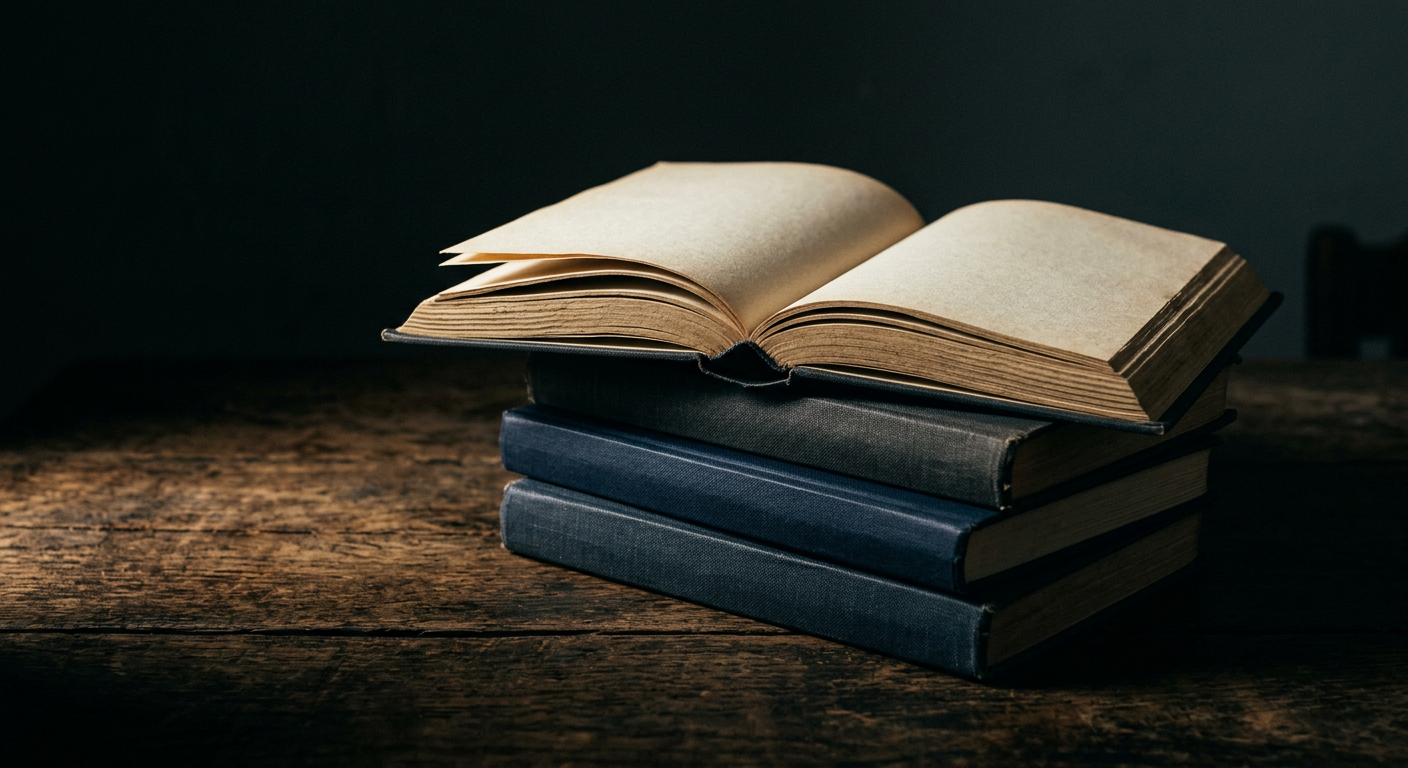
This Might Actually Work Out, Nieun Bookstore isn't a how-to guide for running an independent bookstore. It's better described as a book that gets you thinking about what reading is actually worth, and why physical books and neighborhood bookstores still matter, right now. It's a good read for anyone who runs a bookstore or dreams of running one, the way I do, but it's just as worthwhile for anyone who simply wants to think seriously about the value of reading, or who feels the quiet loss of watching neighborhood bookstores disappear one by one. I'd recommend picking it up and letting it lead you back to thinking about reading itself, something it's easy to forget to do.
About Author
faith.log
A journal that connects faith and everyday life. In each small piece of writing, we share the grace of God and the depth of life together.


