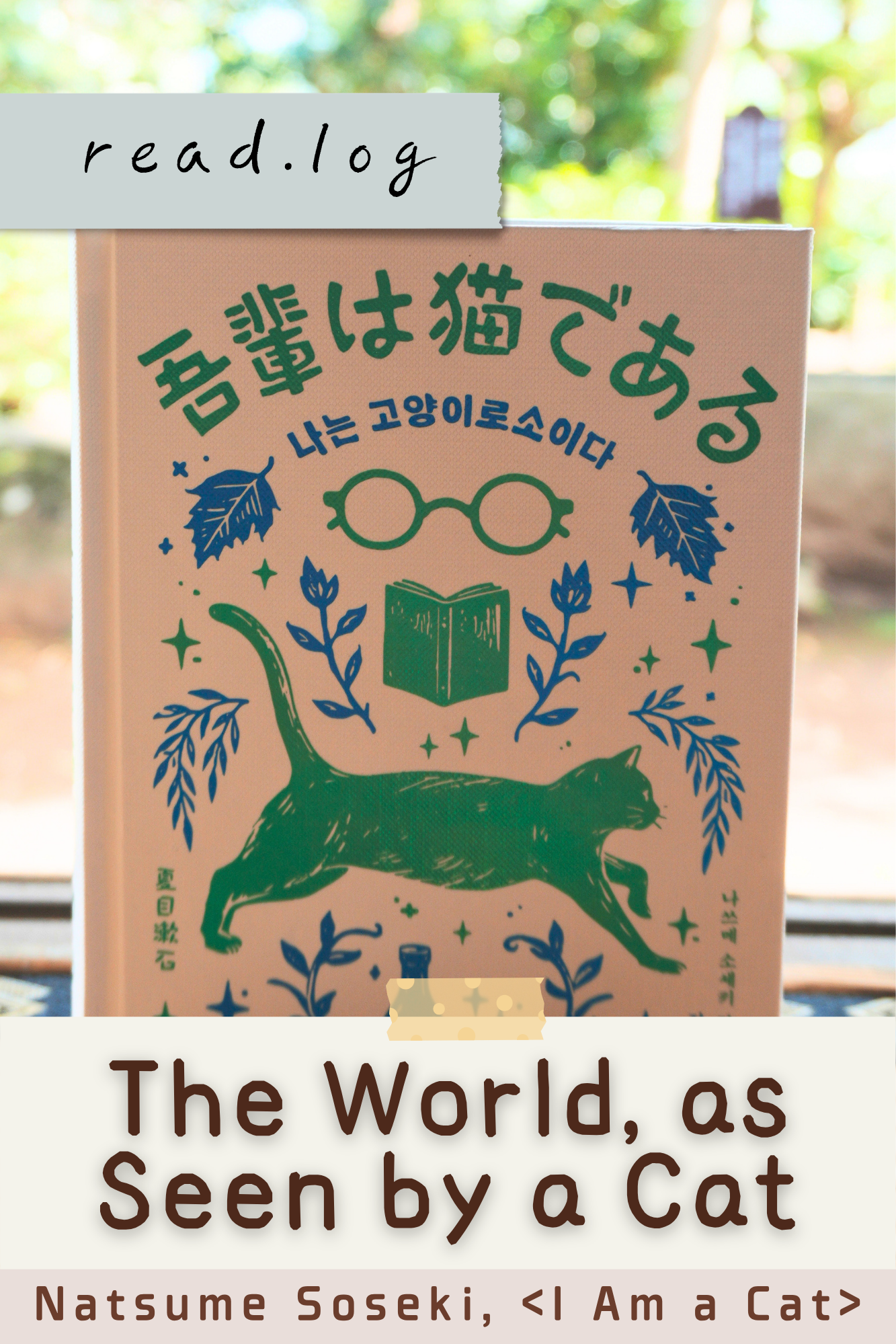
I Am a Cat: A Feline's-Eye Critique of the Modern World
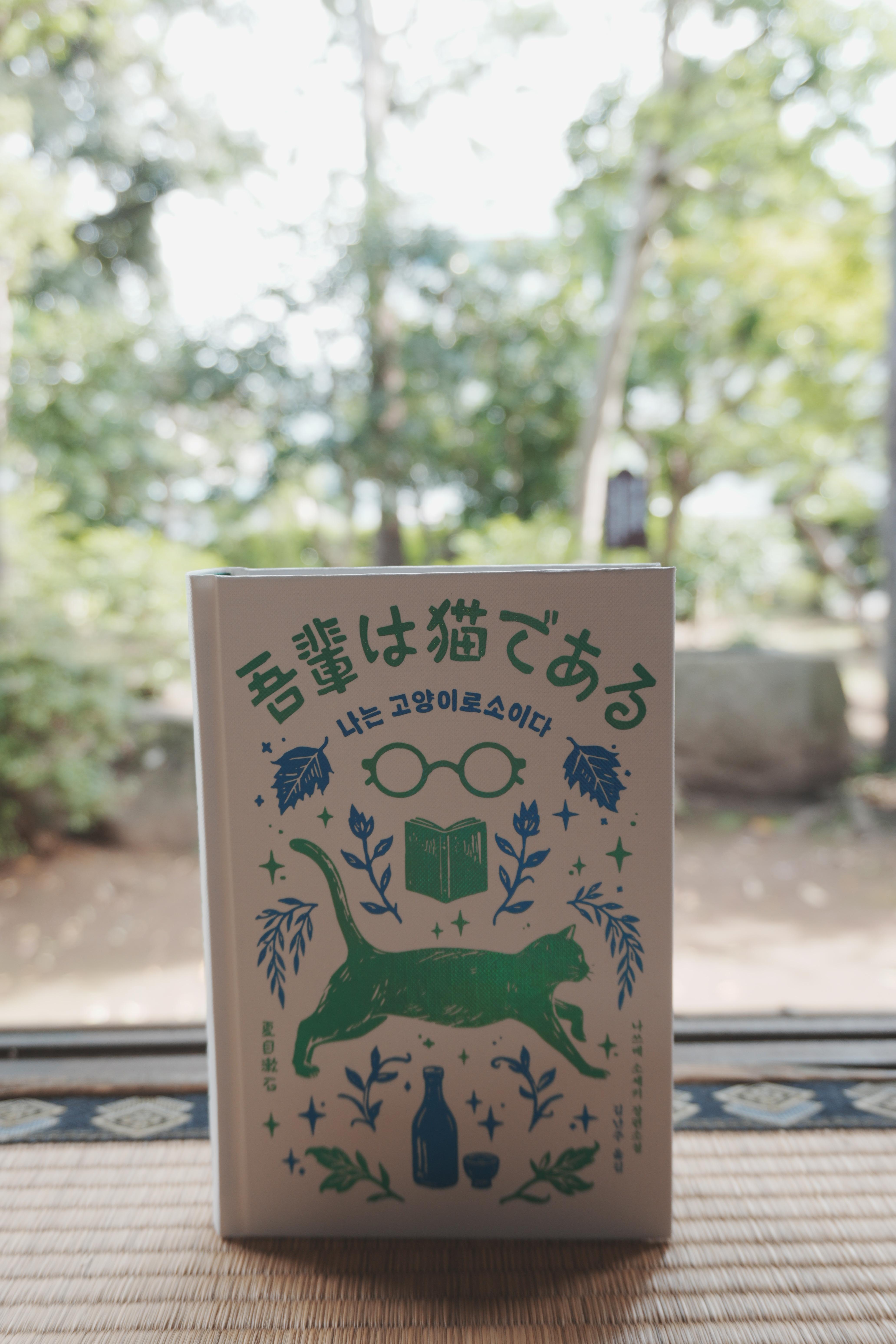
Plenty of people today sense that something in this world has gone quietly, seriously wrong. Recent headlines make the feeling hard to shake. The war in Ukraine, the fighting between Israel and Iran that drew in the United States, China's saber-rattling over Taiwan — watching it all unfold feels like watching the old ghosts of nationalism and militarism, the ones that dragged the world into two world wars, stir back to life. Add to that the political appetite for splitting societies into warring camps along every available fault line, and the picture only gets bleaker. Underneath it all sits an even older delusion: the conviction that human beings, acting boldly and directly, can simply solve every problem set in front of them — the same utopian confidence that has failed, repeatedly, throughout history. The novel I want to talk about today takes direct aim at exactly this kind of thinking. It's Natsume Soseki's sprawling comic novel, I Am a Cat.
The World, as Seen by a Cat
The boldest move in I Am a Cat is its premise: the entire human world, narrated by a cat. Everything the reader learns arrives filtered through what this cat sees, hears, and puzzles over while living among people — and the device still feels fresh. Soseki more or less invented a genre with it; the wave of animal-narrator fiction that followed in the decades after owes something to this book. There's real craft in the choice, too. Seeing human civilization through a non-human observer creates just enough distance that the reader senses the author's own detachment — Soseki isn't just describing his era, he's holding it up at arm's length for inspection.
That said, the device doesn't hold all the way through. In the first half, the cat's perspective is vivid and consistently present. Past the midpoint, though, the human characters increasingly just talk to each other, and the novel starts to read like ordinary dialogue-driven fiction with a cat somewhere in the room rather than narrating it. The originality that hooks the reader early on fades, and the back half loses some of its bite as a result.
Critiquing the West, Reaching for the East
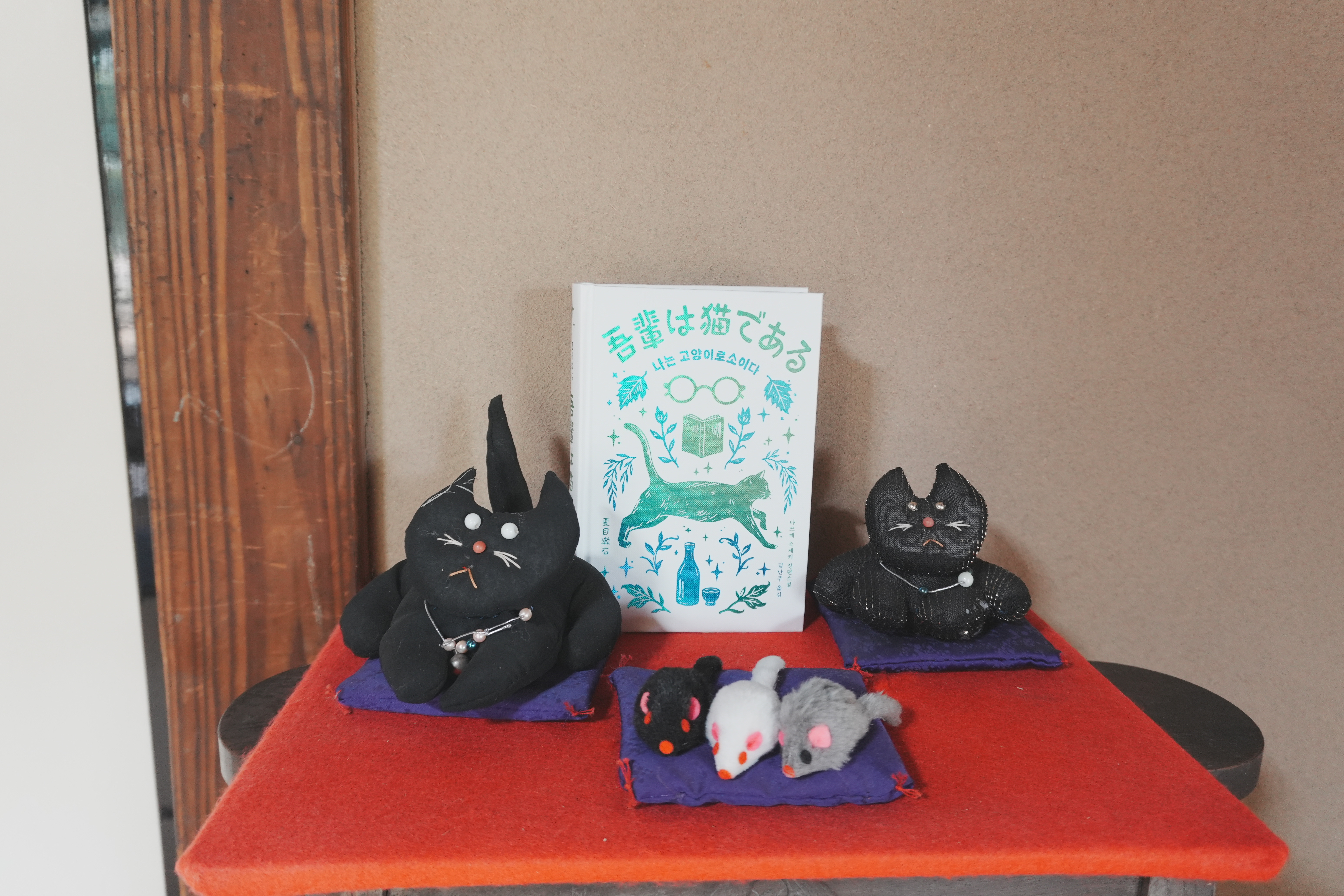
Soseki set the novel in Japan at the turn of the twentieth century, a period when Western learning, institutions, and culture were pouring into the country. It was also a moment when many Japanese intellectuals, dazzled by the assumed superiority of everything Western, were beginning to discard the traditions and values they'd inherited. Soseki writes directly into that moment. Through his characters' conversations, he turns the people affecting Western logic and rhetoric into objects of gentle ridicule, while the cat's own owner — a schoolteacher who serves as the novel's real protagonist among the humans — becomes the mouthpiece for a critique of Western thought and a search for an alternative rooted in Eastern ways of seeing.
The sharpest target of that critique is the West's appetite for aggressive, human-centered problem-solving: the instinct to treat nature and tradition as obstacles to be conquered and cleared away rather than as things worth living alongside. Soseki insists this instinct is simply mistaken. One of the novel's clearest illustrations involves a mountain standing between two villages. One response is to blast a road straight through it. The other — the one Soseki clearly prefers — is to decide you don't actually need to visit the next village, and to find real contentment in leaving the mountain standing.
What strikes me, reading this more than a century later, is how far ahead of its time the critique now looks. Not just Japan and Korea, but Europe and America — the very civilizations that built their modern identity on conquering nature and discarding tradition — are increasingly turning back to Eastern frameworks to address the wreckage that mindset left behind. Soseki saw the problem before most of the West did.
"The Western way is aggressive — that's exactly why it's so fashionable these days. But it carries a serious flaw."
Satirizing Nationalism, War, and the Governments That Sell Both
I Am a Cat began as a serial in Hototogisu, a haiku literary magazine — not, as it's sometimes assumed, in a newspaper. Its run started while the Russo-Japanese War was still raging, and that context bleeds through the book constantly. Soseki takes repeated aim at the way authority and lofty rhetoric get used to move ordinary people, and at governments that dress up mobilization as noble cause.
One of the sharper moments has a character read a letter soliciting donations for soldiers celebrated as war heroes, then crumple it and toss it in the trash. Elsewhere, while the whole country is swept up in victory euphoria, Soseki's characters remain pointedly unmoved — even skeptical. It isn't hard to read into these scenes exactly what Soseki thought of a government willing to use its own citizens as fuel for war, and to profit from the fire.
What makes the book sting, more than a century on, is how little has actually changed. We still watch politicians carve up the public by gender, generation, and party, then whip up the fragments for their own gain. We still watch national leaders march their citizens into wars justified by little more than "our country first." Reading Soseki is a useful reminder of why it's worth staying skeptical of anyone in power — and a reminder that skepticism takes real, ongoing effort.
"No one keeps quiet about it, yet no one has actually seen it. Everyone has heard of it, yet no one has ever met it face to face. This talking soul — is it some kind of ghost?"
A Cat, a Water Jar, and a Quietly Devastating Ending
The ending of I Am a Cat lands harder than almost anything else in the book. After a lifetime spent watching people talk and pose and perform, the cat finally looks past the performance and sees the sadness sitting underneath even the most carefree faces. Having discovered it, the cat does something almost human: it drinks. Tipsy and unsteady, it stumbles into a large water jar. It struggles for a while, then simply gives up and lets the water take it. As endings go, this one is bleak — a creature that spent the whole novel observing and quietly judging human society changes nothing in the end, and exits that society without a sound. Soseki, having spent hundreds of pages sharpening his critique of civilization, war, and power, turns the same satirical eye on himself in the closing pages, refusing to spare even his own narrator the joke.
"Even the calmest-looking people, if you knock on what's inside them, give off some kind of sad sound.”
A Satire That Still Reads Like the Morning News
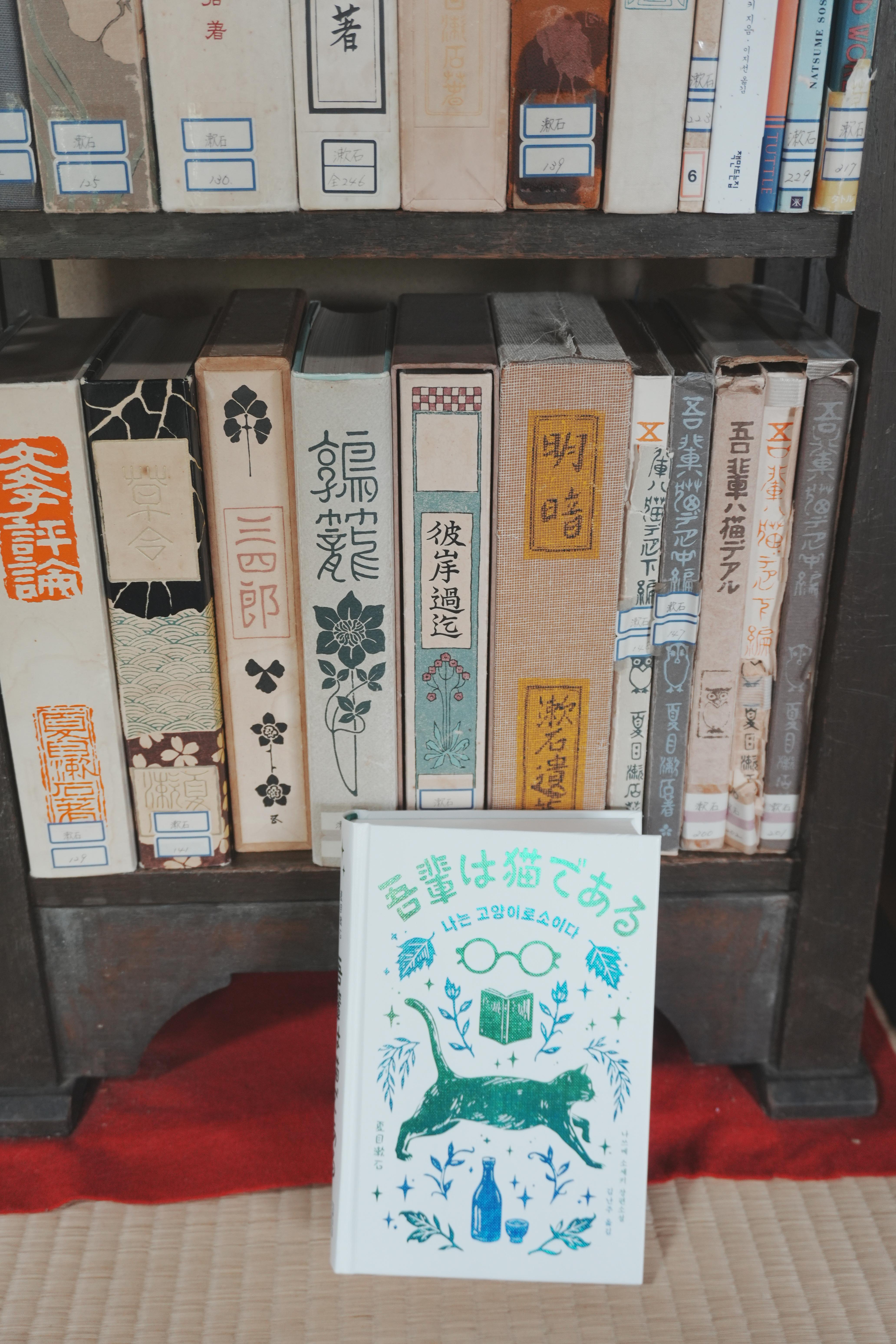
I Am a Cat uses satire to make readers see problems in their own society more clearly — modernization, war, and power, all filtered indirectly through a cat's watchful eye. What makes the book genuinely painful, in hindsight, is that this kind of clear-eyed intellectual dissent did nothing to stop Japan's slide into militarism and empire a few decades later. For anyone watching nationalism resurface, wars multiply, and social groups turn on each other today, this novel — approached purely as fiction — still has plenty to say.
About Author

faith.log
A journal that connects faith and everyday life. In each small piece of writing, we share the grace of God and the depth of life together.


