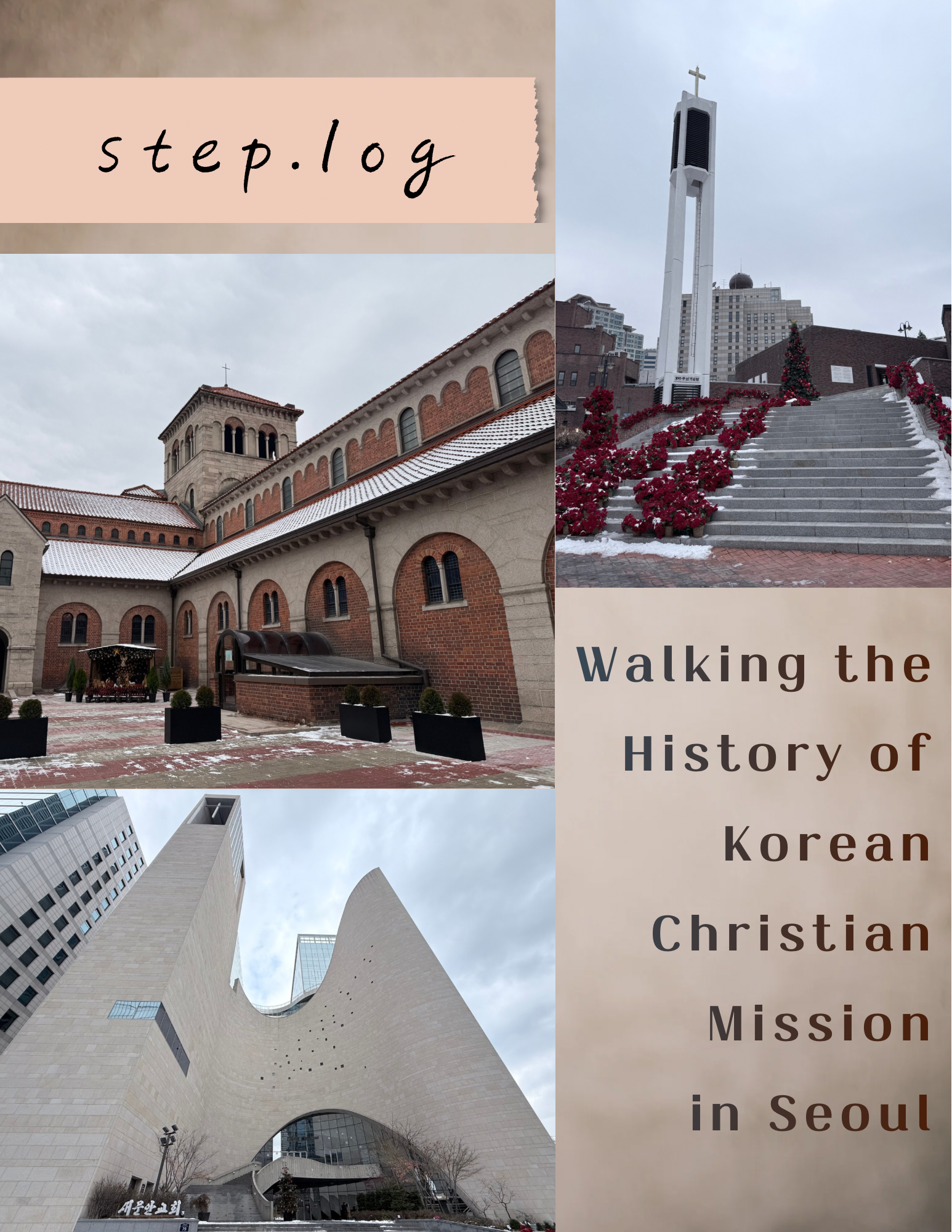
Walking the History of Korean Christian Mission near Seoul City Hall: The Anglican Cathedral Church of St. Mary and St. Nicholas · Jeongdong First Methodist Church · Saemoonan Church
When you walk past Seoul City Hall, it becomes clear that this place is far more than the administrative center of Korea. Layers of political change, diplomatic encounters, early modern education, and the rise of the press all converge here. But woven into the same streets is another story: the early steps of the gospel on Korean soil.
Jeongdong and the Saemoonan area mark the beginning of Protestant and Anglican mission in Korea. Here, faith was not merely constructed as institutions; it was lived, questioned, translated, and slowly embodied within a society undergoing profound transformation.
In this step.log, we walk through three historic churches near City Hall and trace how the early mission unfolded—and what theological weight these stories carry today. The Anglican Cathedral, Jeongdong First Methodist Church, and Saemoonan Church represent distinct denominational traditions, yet each reveals a shared commitment to letting the gospel take root in the life of a people.
1. The Anglican Cathedral of St. Mary and St. Nicholas: Where Tradition Meets Inculturation—The Face of the “One Holy Catholic and Apostolic Church”
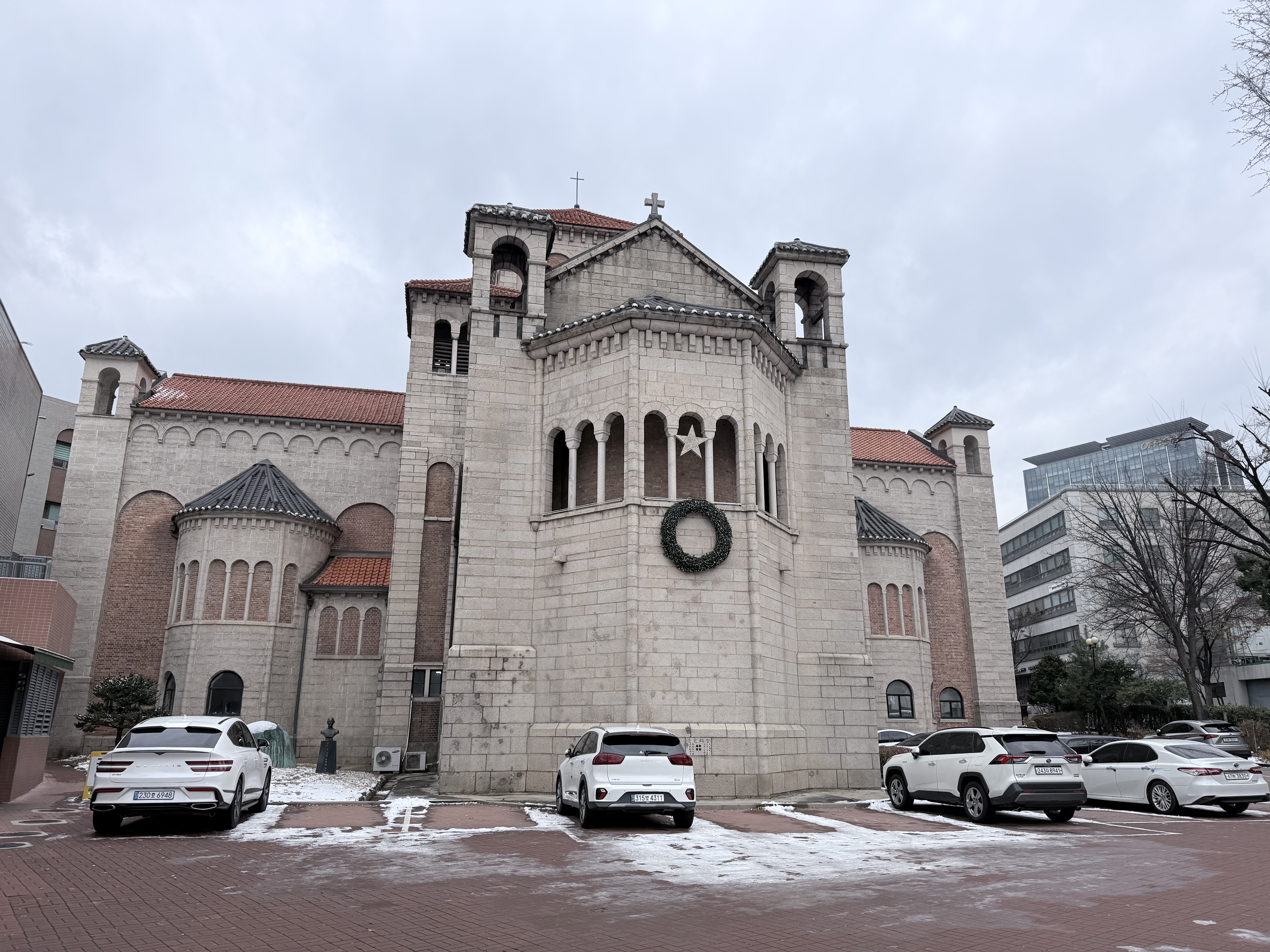
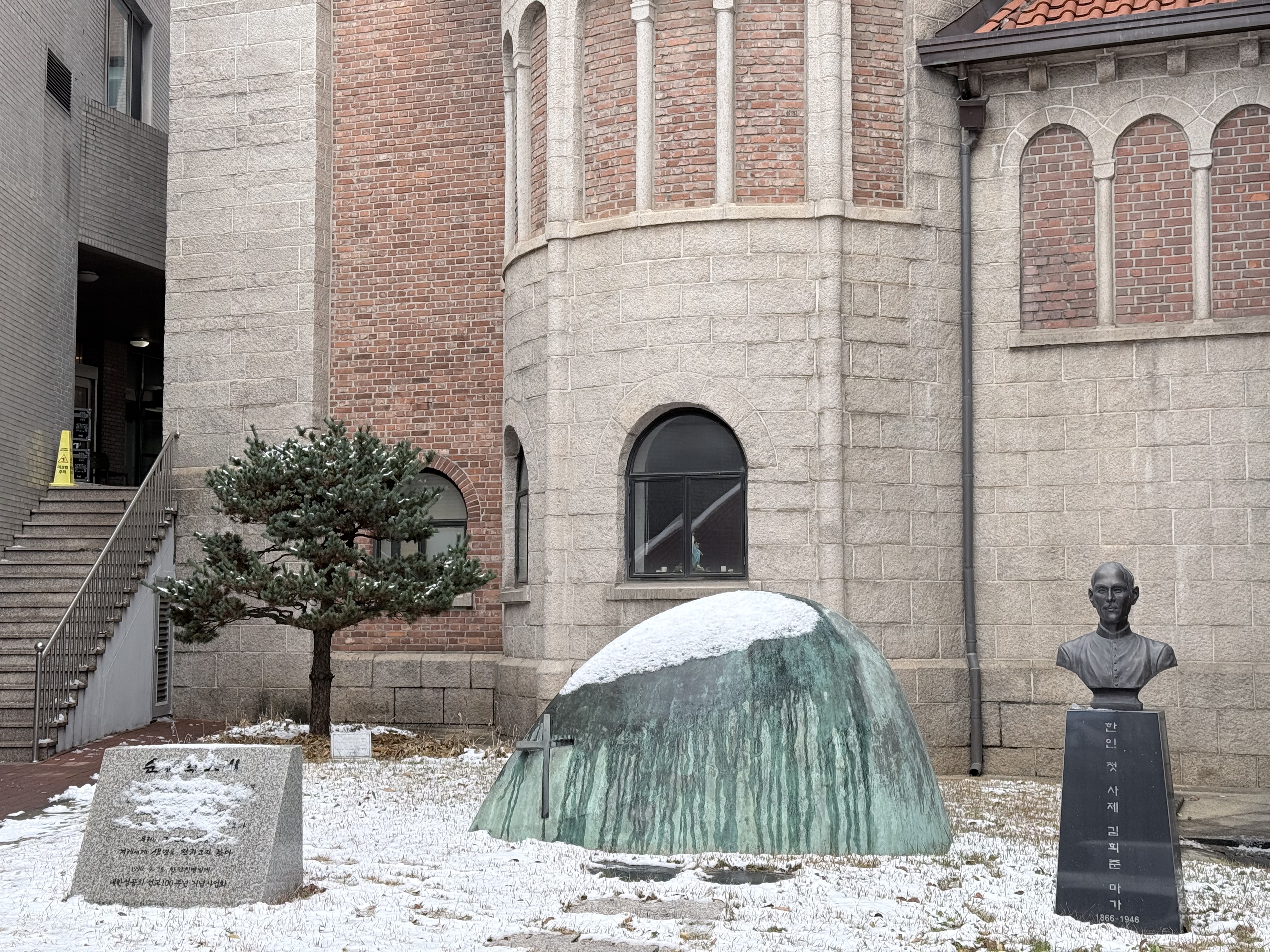
Known commonly as the Seoul Anglican Cathedral or the Jeongdong Cathedral, this church began in November 1890 when Bishop Charles John Corfe purchased a Hanok and secured land for worship. On December 21 that same year, under the name “Jangrim Church,” the first Christmas Eucharist was celebrated. By 1891, regular Sunday Eucharistic worship had begun.
The present sanctuary reflects the vision of British architect Arthur Dixon of the Royal Institute of British Architects. Groundbreaking began on September 24, 1922, but financial constraints allowed only a partial completion by 1926. Then, in 1993—almost by providential accident—the original architectural plans were discovered in a library in England, allowing the cathedral to be completed according to its intended design.
The Gothic structure stands out in contrast to traditional Korean worship spaces. Yet the nearby clergy house and convent building were intentionally built in Korean Hanok style. Anglican mission here was not a simple transplantation of Western architecture but a thoughtful effort to honor universality while engaging local culture.
Seen from above, the entire cathedral forms the shape of a cross. The building itself becomes a theological statement: worship belongs to God, and worshipers are sent into the world. From a Reformed perspective, which emphasizes the seamless unity between worship and life, this site speaks a quiet but firm message—faith is never limited to a single hour or a single building.
2. Jeongdong First Methodist Church: The Beginning of Korean Protestantism—and a Debt of Grace We Must Remember
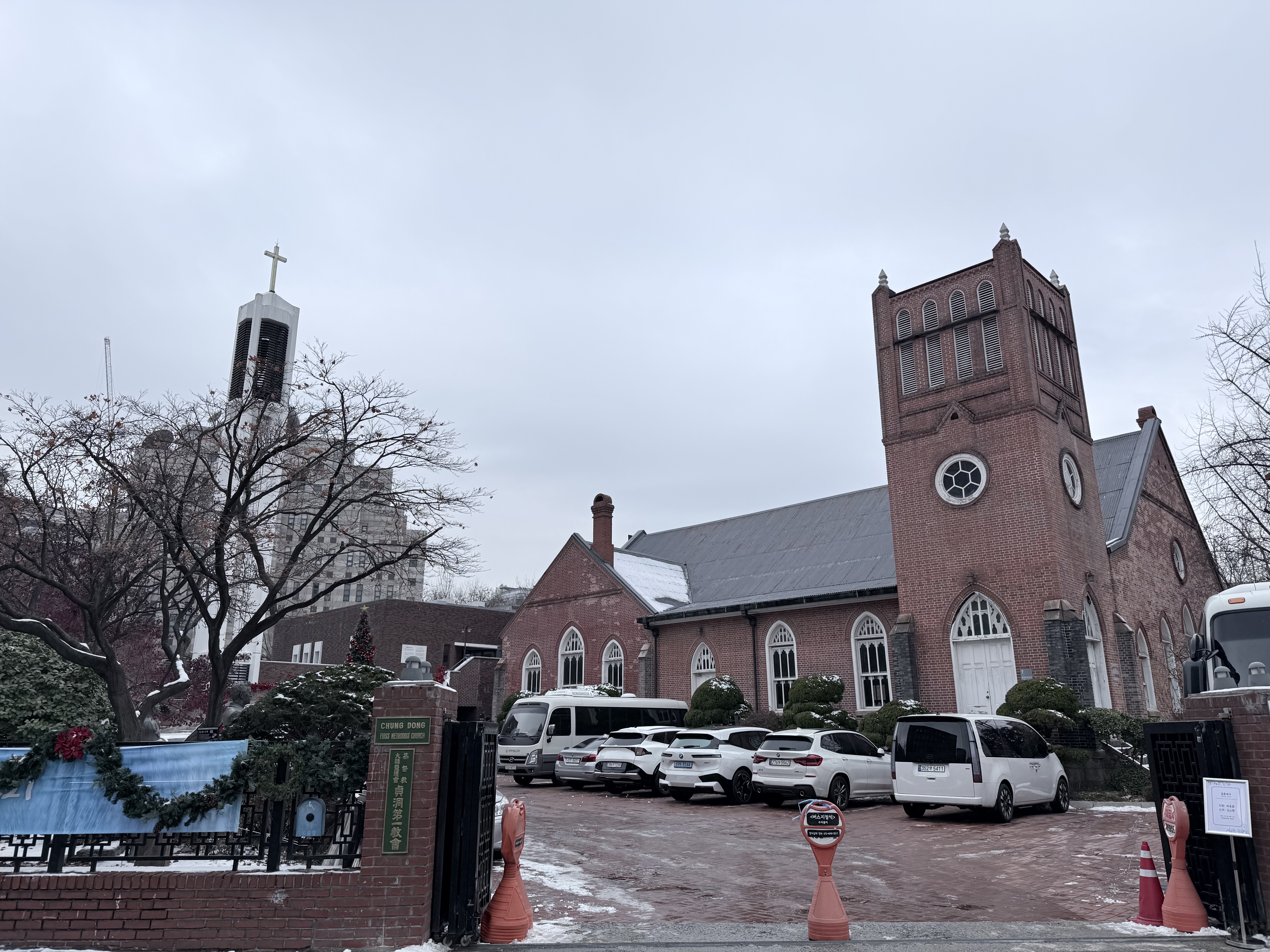
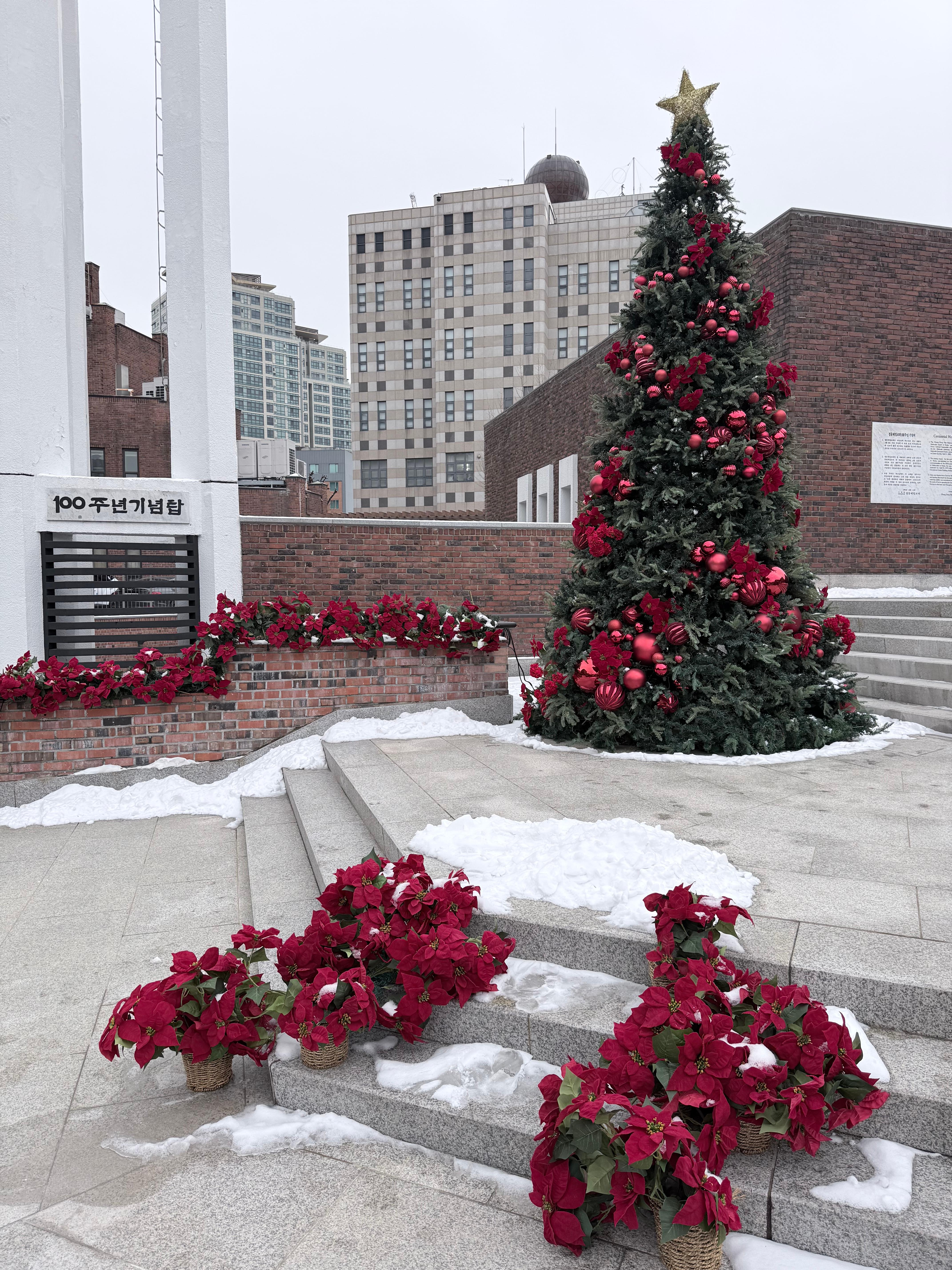
Jeongdong First Methodist Church traces its roots to 1885, when Methodist missionary Henry Appenzeller arrived in Jemulpo. Later that year, he conducted what is remembered as the first Communion service of Korean Protestantism. By 1887, worship was held in a Hanok near Namdaemun, known as the Bethel Chapel.
From the earliest years, this community linked worship with education and discipleship. In 1888, Korea’s first men’s and women’s Sunday schools began here—an embodiment of the Methodist conviction that the gospel is open to all, regardless of status or gender.
The Western-style brick church standing in Jeongdong today began construction in 1895 and was dedicated on December 26, 1897. Recognized as Korea’s first Western-style Protestant church building, it is designated Historic Site No. 256. Its restrained architecture mirrors the early missionaries’ commitment to simple, Scripture-centered worship.
A centennial monument was erected in 1992—more than a memorial, it is a reminder of the missionaries who poured out their lives for the gospel in Korea. It also stands as a quiet call: the Korean church, once the recipient of sacrificial mission, now bears a responsibility to extend that same grace outward.
In the Reformed tradition, the church does not exist for itself. It exists for God’s kingdom and for the world into which it is sent. Jeongdong’s stones still speak that truth.
3. Saemoonan Church: The Word, the Printed Page, and the Vocation of the Urban Church
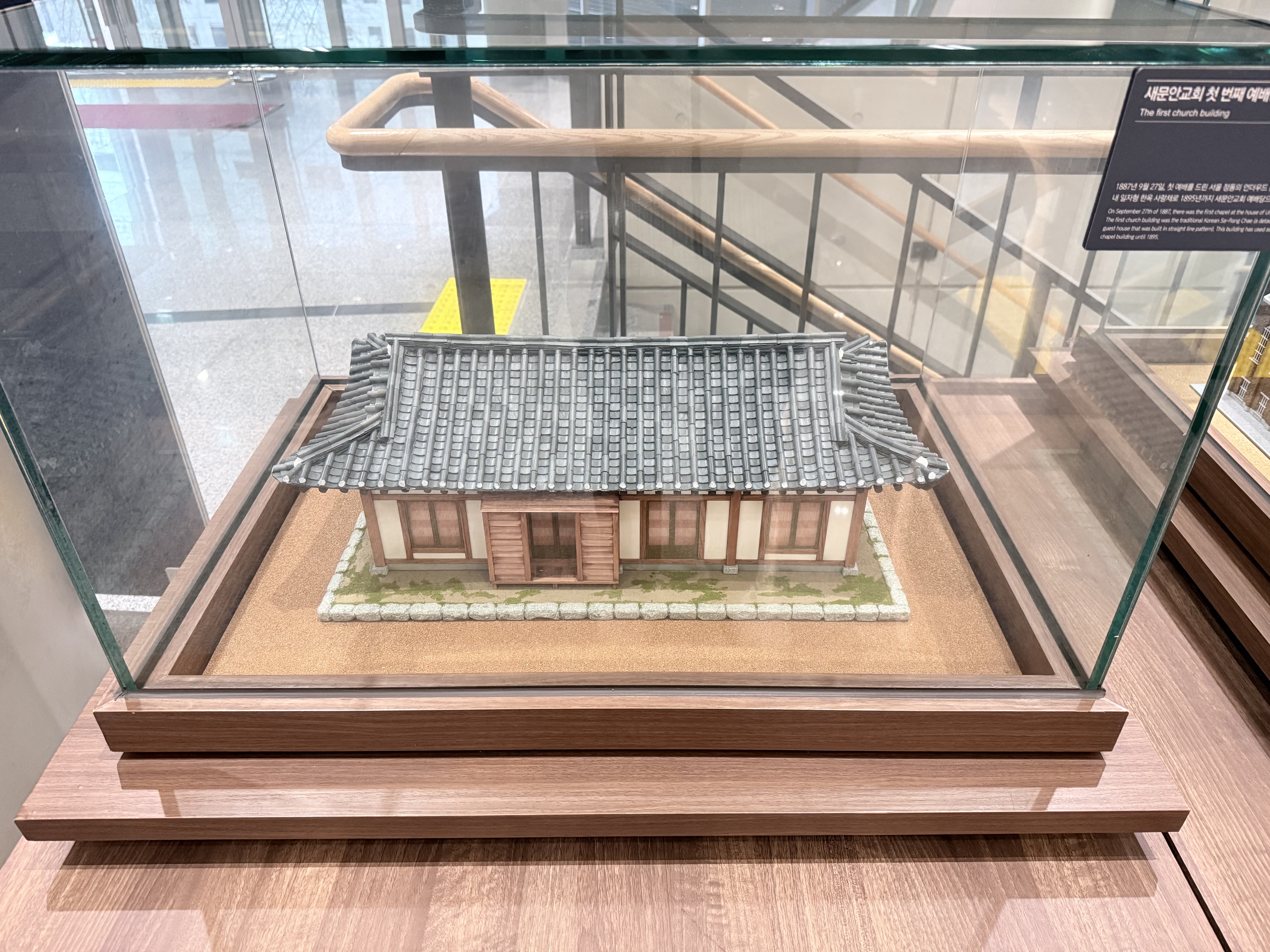
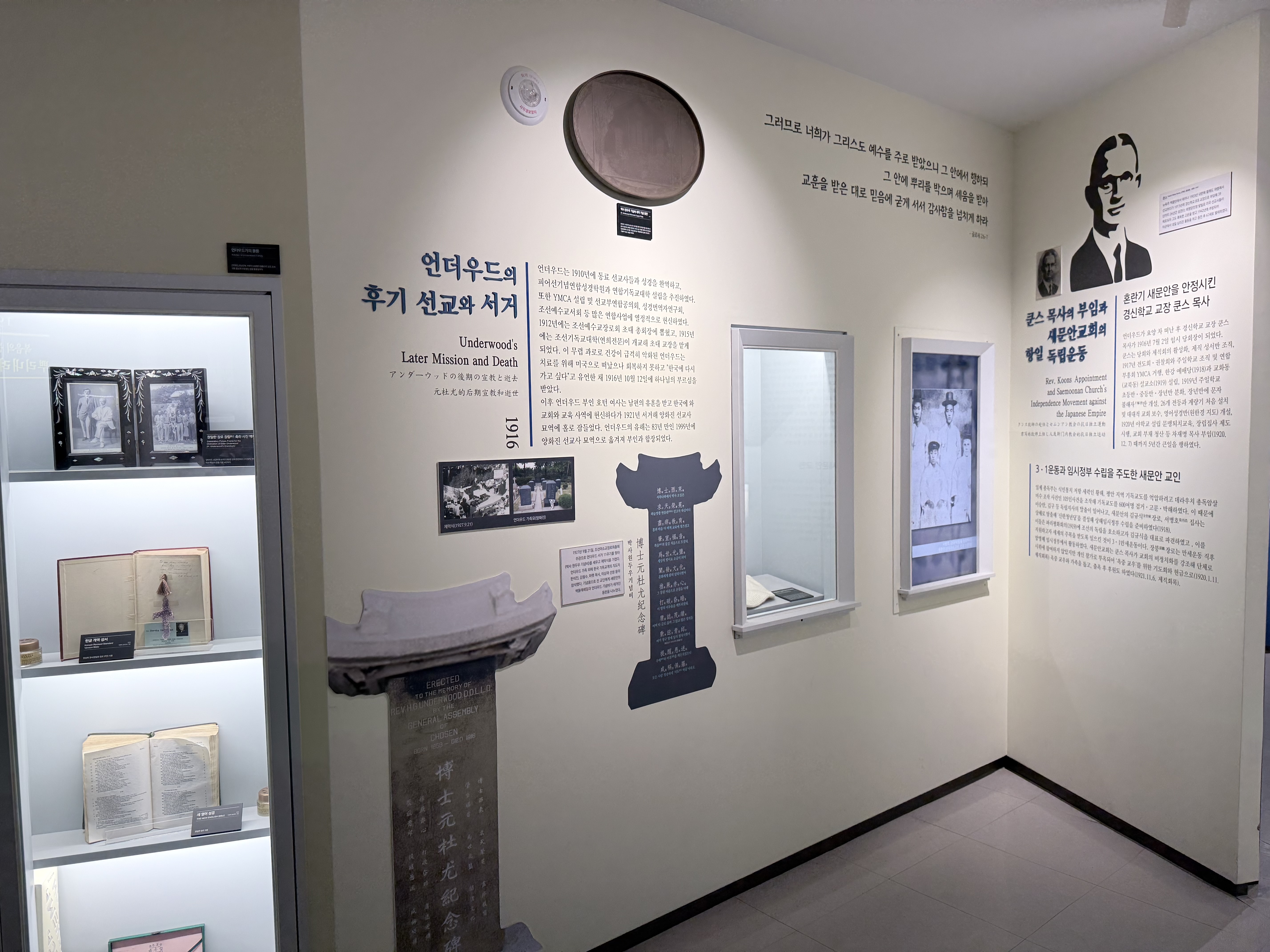
Saemoonan Church began when Presbyterian missionary Horace Underwood held Sunday worship in Jeongdong in 1885. Initially an English-speaking fellowship, it became a formally organized church in 1887 with fourteen Korean believers—a moment marking not only a mission station but the early formation of the Korean church.
Underwood’s ministry was shaped by a deep commitment to the ministry of the written word. He believed that the gospel could not truly take root without language, literacy, and education. His legacy includes a Korean–English dictionary, a Korean grammar text, and key contributions to the publication of the Hangul Bible.
Here, the Reformed emphasis on the centrality of Scripture extended beyond the pulpit and into the shaping of a society’s linguistic and cultural foundations.
Saemoonan moved to its present site in 1907, built its brick church in 1910, rebuilt in 1972, and finally dedicated its current sanctuary in 2019. While the original structures no longer remain, the church’s history museum preserves both architectural models and Underwood’s legacy. The museum is not merely archival—it is the church’s way of remembering its own beginning.
Every church is tempted to focus only on the present ministry. Yet a church that forgets its beginnings easily loses its direction. Self-examination, a theme treasured in the Reformed tradition, begins with remembering.
Faith on Foot, Memory in Stone
These three churches near Seoul City Hall are not attractions for tourists. They are witnesses—silent yet persistent—to the struggle, creativity, and faithfulness that shaped the early Korean church. Here, the gospel confronted culture, was translated into local life, and slowly became the language of a people.
To walk this path as a step.log is not to indulge nostalgia but to ask better questions of the church today. "Are we faithfully stewarding this heritage?" "The buildings remain—but is the missionary tension, courage, and responsibility still alive within us?"
A quiet walk through Jeongdong and Saemoonan can still become a pilgrimage of honest reflection, one that calls us to live out the gospel with the same devotion shown by those who first planted the seeds.
About Author

faith.log
A journal that connects faith and everyday life. In each small piece of writing, we share the grace of God and the depth of life together.


