The Crown of Creation — and the Question It Cannot Escape
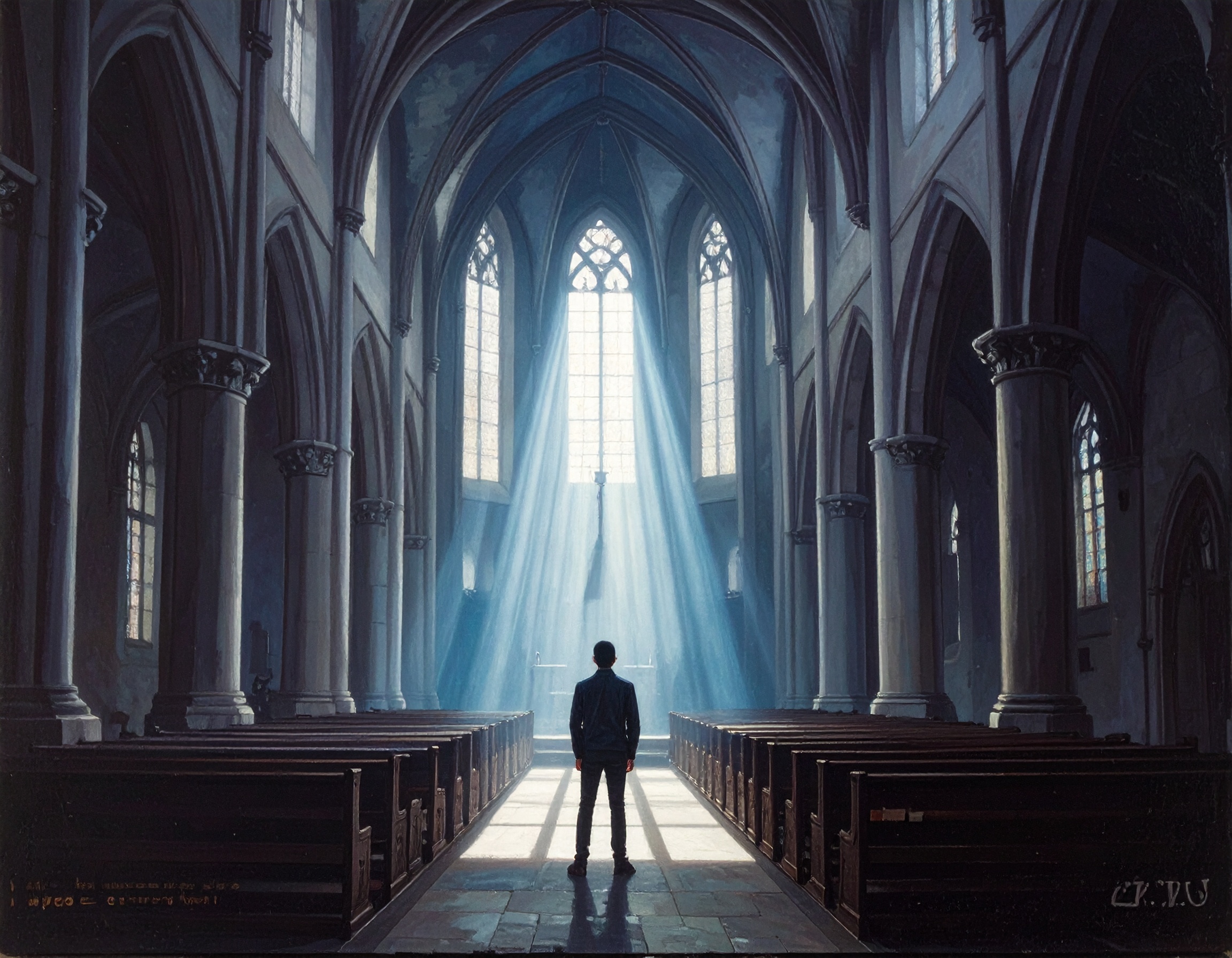
We have long called humanity the crown of creation. Of all living creatures, human beings alone wield language, reason, and tools — building civilizations, composing symphonies, unraveling the mysteries of the cosmos. By any measure, the record of human achievement is extraordinary.
And yet the very greatness of that achievement raises an unsettling question. Socrates placed it at the heart of philosophy: Know thyself. Before we celebrate what humanity has accomplished, we must reckon honestly with what humanity is. History has never lacked for answers. The Confucian tradition debated whether human nature is inherently good or inherently corrupt. Western philosophy has swung between optimism and pessimism about the human condition. Some held that we are born neutral — blank slates shaped by environment and experience. Others insisted that good and evil are woven together in us from the start, and that education alone determines which prevails.
These are serious inquiries. But none of them reaches the root.
So what does Christianity say about the nature of man?
A Glorious Creation, A Catastrophic Fall
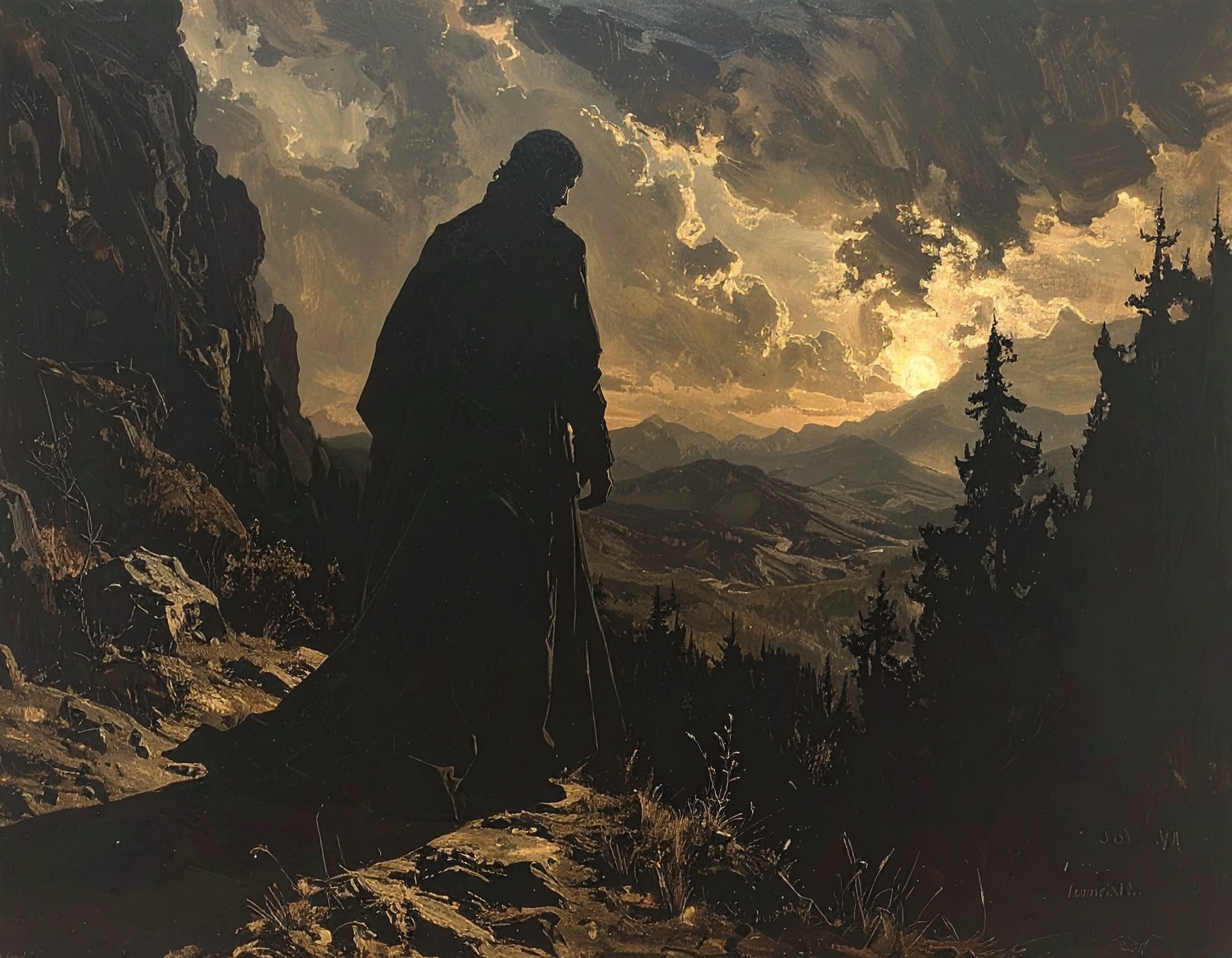
The book of Genesis opens with a declaration that sets the human being apart from every other creature: man and woman alone are made in the image of God — Imago Dei. This is not a minor detail. It is the foundation of everything. Because we bear God's image, we possess intellect, emotion, and will — the capacity to know, to love, and to choose. We were created not merely to inhabit the earth, but to rule it as God's stewards: to cultivate, to govern, and to care for the world He made.
It is a breathtaking dignity. And it makes the fall all the more devastating.
Adam and Eve — representatives of all humanity — were not content with the glory given to them. Tempted by the serpent's promise that they could be like God, they reached beyond their creaturely limits and defied the one command their Creator had given. That act of rebellion was not a minor infraction. It was a declaration of independence from God Himself.
The consequences were catastrophic. The relationship between God and man was severed. The image of God — though not entirely erased — was shattered and defaced. And in its place, corruption took root. The entire history of human violence, hatred, envy, and cruelty is not an accident of circumstance. It is the bitter fruit of a race that has turned away from its Maker. Scripture does not soften this diagnosis: "The heart is deceitful above all things, and desperately sick" (Jeremiah 17:9). Jesus Himself taught that defilement comes not from what enters a man, but from what pours out of his heart. And the Apostle Paul, in Romans 3, delivers the verdict without appeal: "None is righteous, no, not one; no one understands; no one seeks for God." All have sinned, and all fall short of the glory of God.
The Cross — Hope Found at the End of Despair
Most of us resist this verdict. We look at the worst of humanity and quietly console ourselves: I am not like that. But it is God — not we ourselves — who sits in judgment. And the standard He applies is not relative.
Jesus laid it bare in the Sermon on the Mount: to hate your brother is to be guilty of murder; to look at a woman with lust is to commit adultery in the heart. The Bible gives us vivid examples. Cain nursed resentment toward his brother Abel until it consumed him — and he became a murderer. David caught a single glance of Bathsheba and let desire lead him into adultery and the blood of an innocent man. These are not cautionary tales about exceptional wickedness. They are mirrors held up to every human heart.
Scripture presses this point with such relentless precision for one reason: every man and woman must come to see, without excuse or evasion, that they stand before God as a sinner, and that apart from grace, judgment is all that awaits them. As Psalm 49:20 declares — "Man in his pomp yet without understanding is like the beasts that perish." Created for glory, yet perishing for want of wisdom. That is the human condition apart from God.
But the Christian message does not end there.
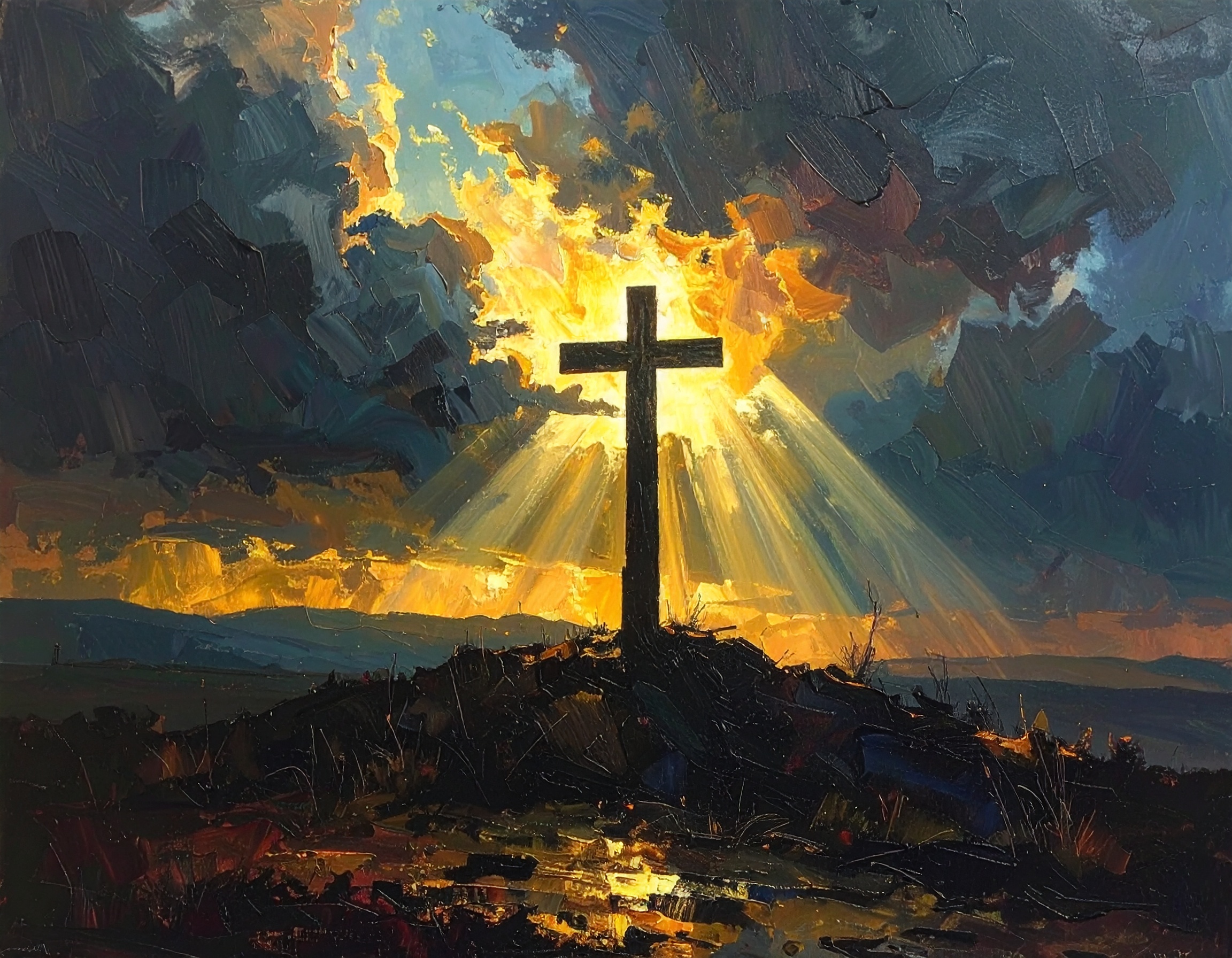
What no human being could accomplish, God in His mercy determined to do. He sent His only Son, Jesus Christ, into the world — not to condemn it, but to rescue it. Jesus bore on the cross the full weight of the judgment that we deserved. He died in our place, as our substitute, so that every person who truly sees their sin, turns from it in repentance, and trusts in Christ alone, receives the forgiveness of God and the right to be called a child of God. This is justification — not moral improvement, but a verdict declared from heaven: righteous, for Christ's sake. And with it comes the gift of eternal life and the restoration, begun now and completed in glory, of the image of God in which we were first made.
This is the Gospel. This is what Peter proclaimed at Pentecost when the crowd, cut to the heart, cried out: "What shall we do?" His answer has not changed: "Repent and be baptized every one of you in the name of Jesus Christ for the forgiveness of your sins, and you will receive the gift of the Holy Spirit." (Acts 2:38)
So the question comes to each of us. Do you know what you are? Not what you have achieved, or how you compare to others — but what you truly are before a holy God? The one who faces that question honestly, and finds the answer in Christ, will discover not condemnation but grace — and not the end of their story, but its true beginning.
About Author

Choi Jong Eui
Pastor, teacher, and writer committed to connecting Christian faith with everyday life. He writes with the hope of praising the Lord and faithfully completing the mission entrusted to him, bearing good fruit to the glory of God.


