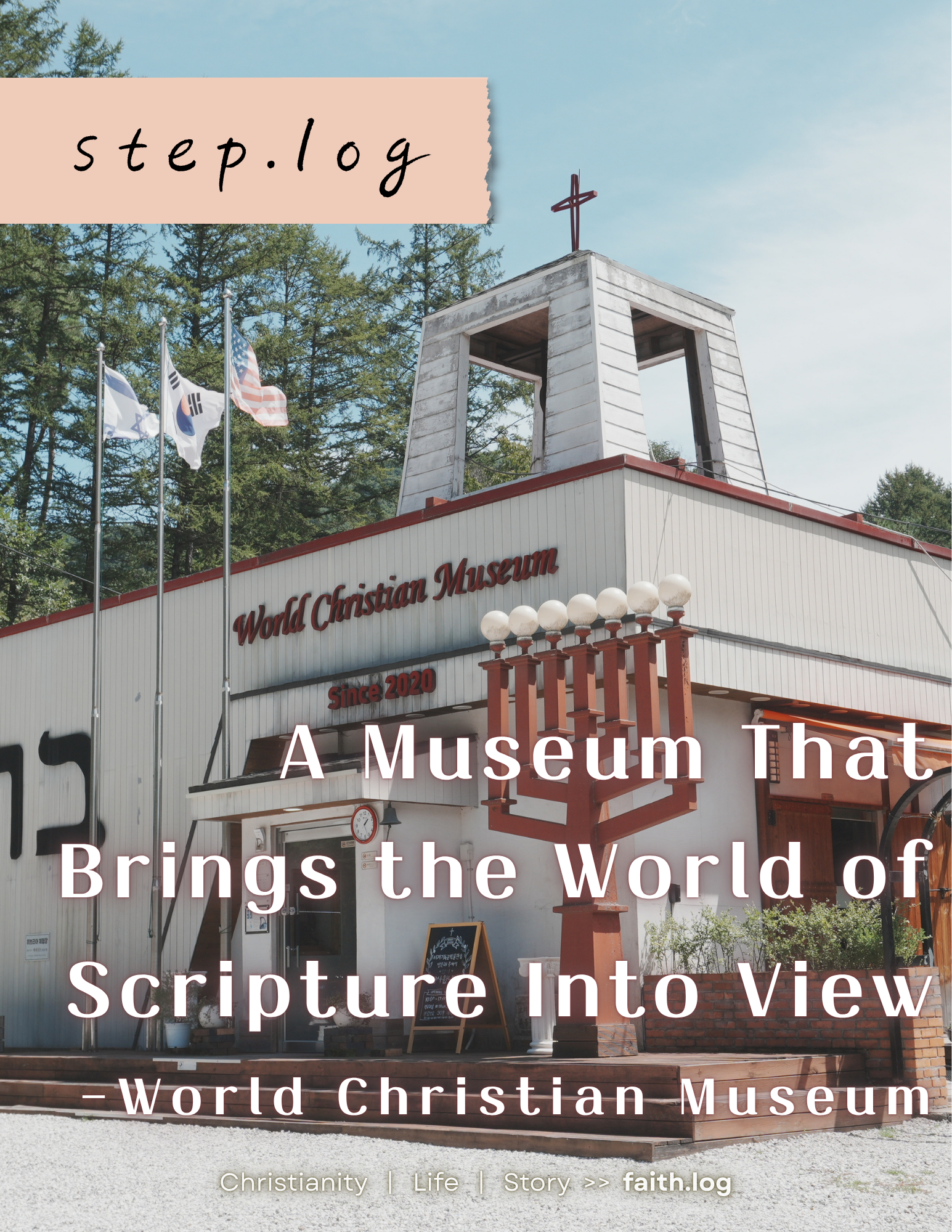
A Museum That Brings the World of Scripture Into View
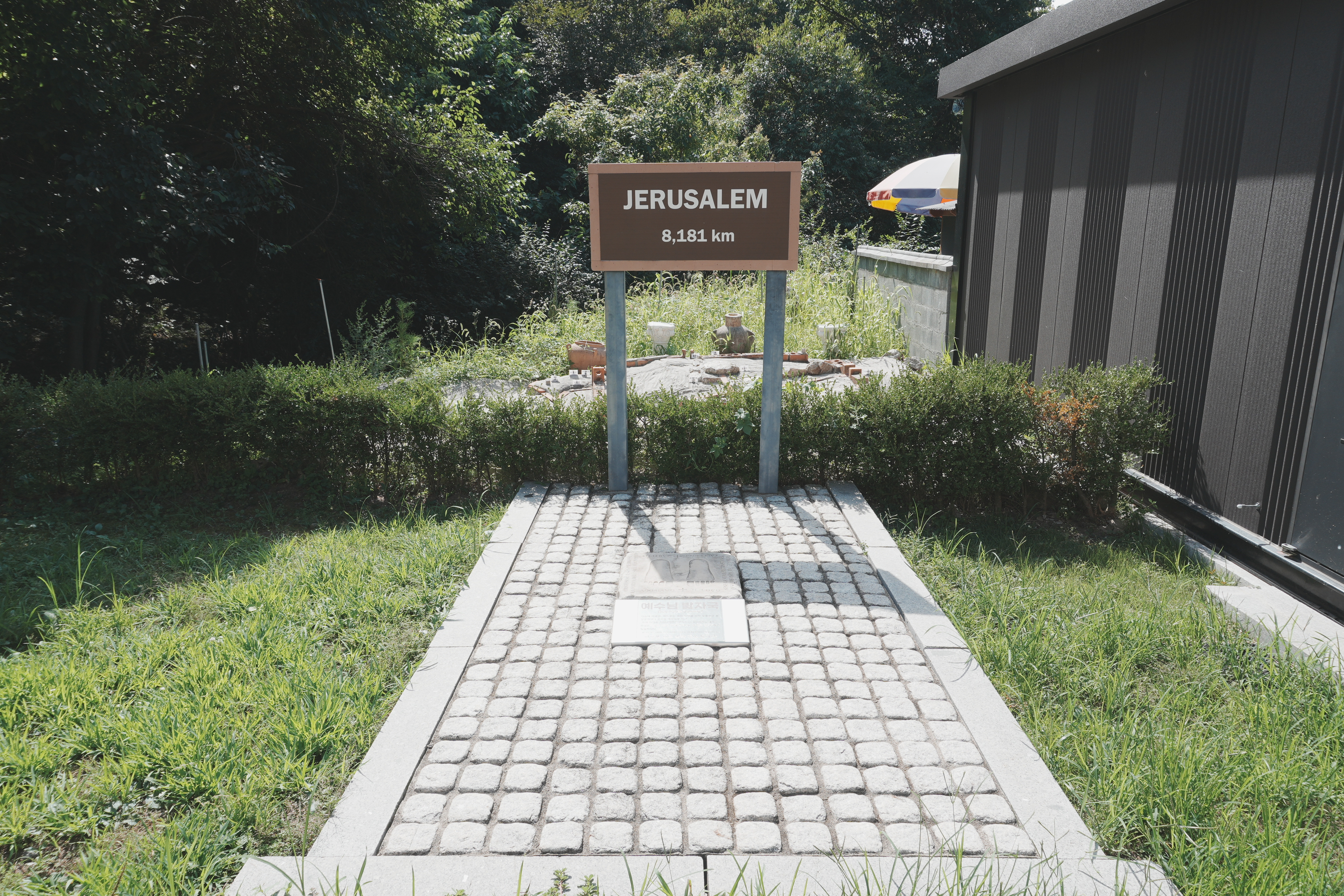
The events of Scripture unfolded in a small strip of land called Israel, thousands of years before our own time. That distance, in both geography and history, is the very thing that keeps modern readers from grasping the Bible in full. To read Scripture well, one needs some grounding in the world it came from: its historical setting, its cultural fabric, its physical geography. Gaining that grounding through books or academic study alone is no small task. There is, however, a place that closes some of that gap. It sits in the city of Jecheon, South Korea, and it goes by the name World Christian Museum.
The Exhibit Halls Put Biblical Events in Three Dimensions
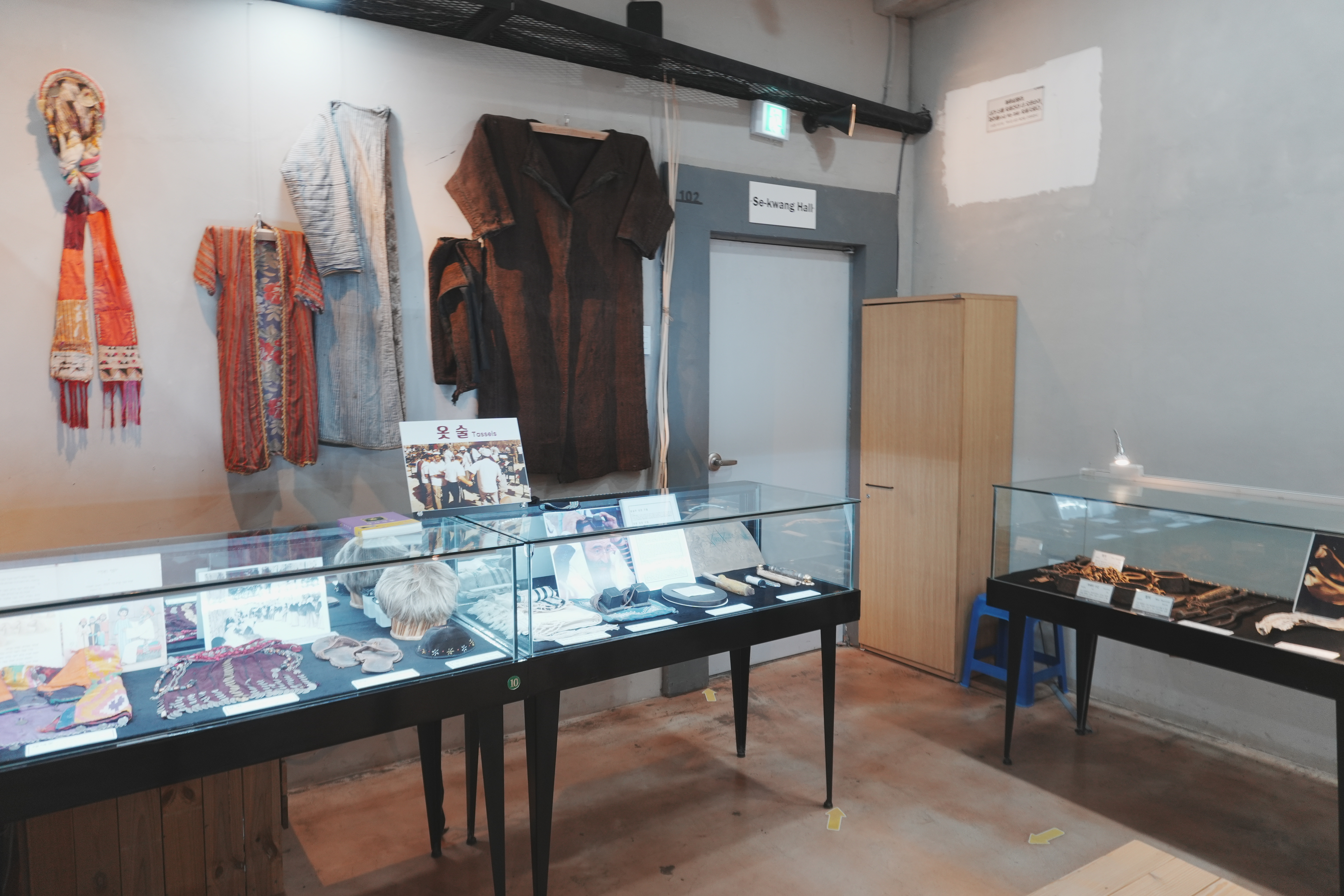
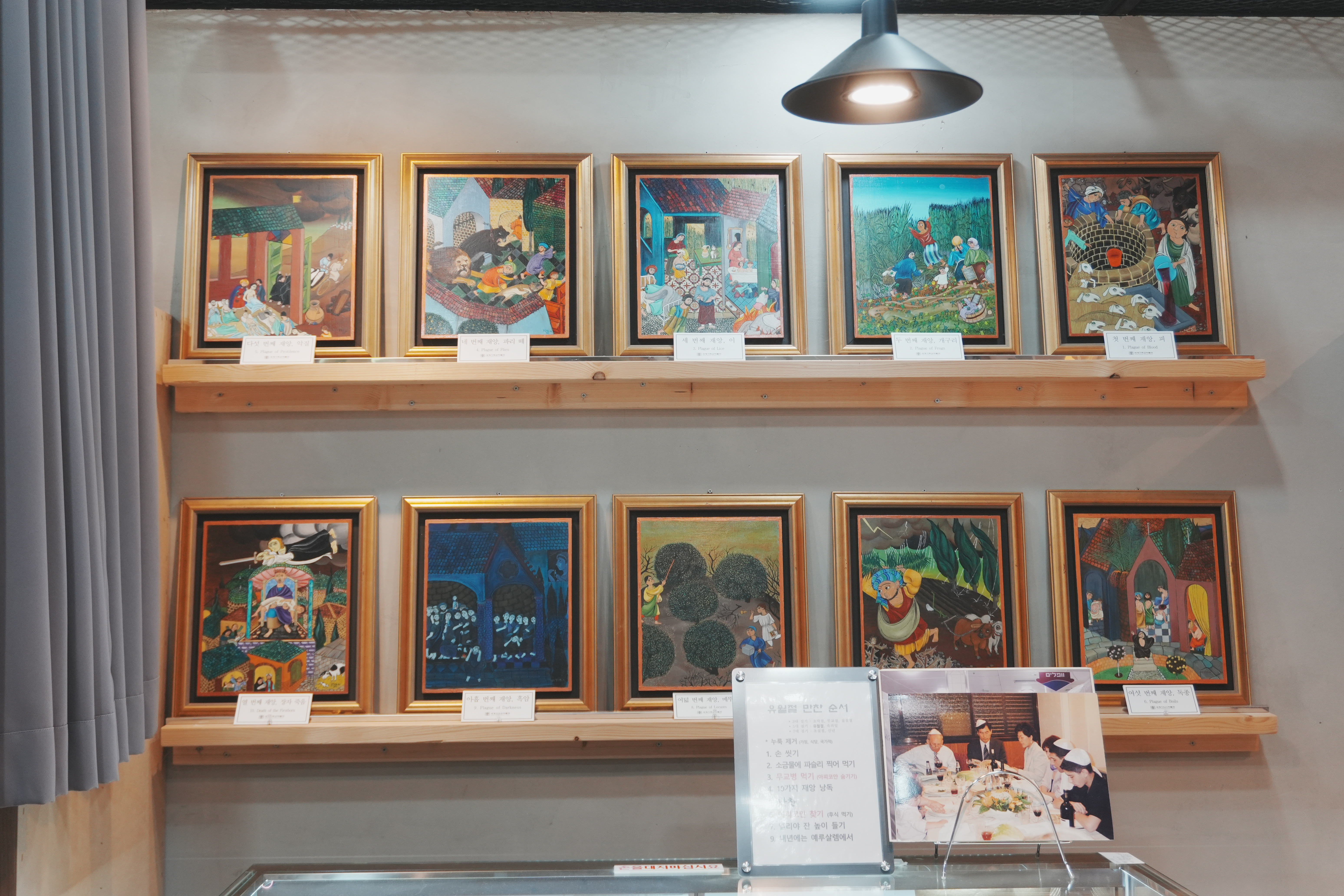


The World Christian Museum renders the world of Scripture in artifacts and models. Without setting foot in Israel, a visitor can walk through reconstructions of the social and cultural world the biblical writers inhabited. Seeing these objects firsthand does more for biblical literacy than reading about them ever could.
Each hall is organized by theme, and together they trace the texture of daily life in ancient Israel. One display walks through the tableware and food of the Passover meal and what each element signifies. Another shows how a Torah scroll is made and used. These exhibits give real substance to the feasts and the faith practiced by the people of Israel, the kind of substance a footnote in a study Bible cannot supply.
Elsewhere, the halls display gemstones named in Scripture and a manger of the kind used at Christ's birth. Standing before these objects, the events of the Gospels stop feeling distant. A reconstruction of the Church of the Nativity, built to resemble the one in Bethlehem, lets a visitor experience something of a pilgrimage without leaving Korea.
Not every object mentioned in Scripture appears here, and the museum makes no claim to theological or academic completeness. Even so, its collection sharpens biblical understanding and gives Scripture a weight it did not have before. On that count alone, the museum earns its place on a visitor's itinerary.
The Bible Garden Makes Israel's Geography and Plant Life Tangible
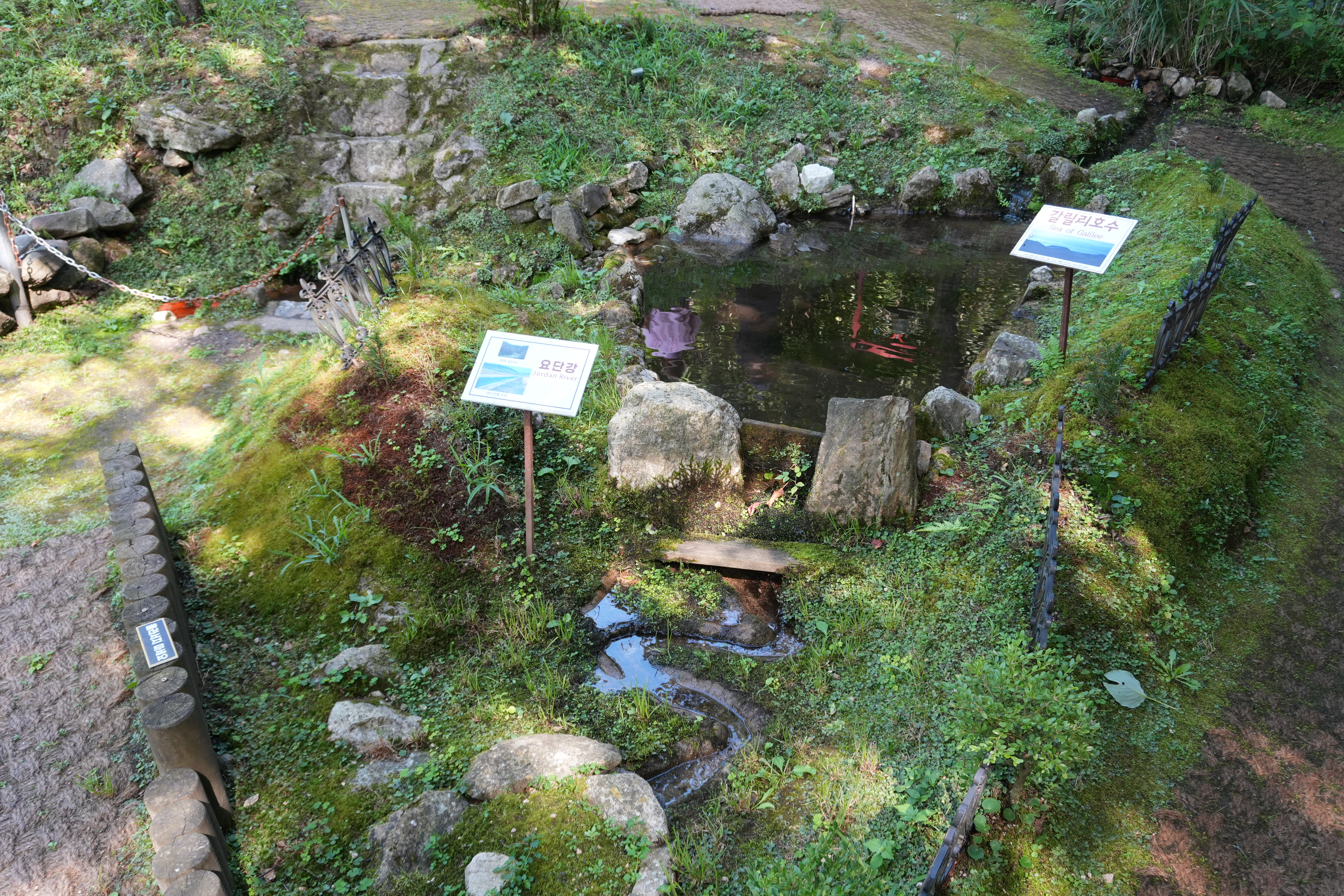
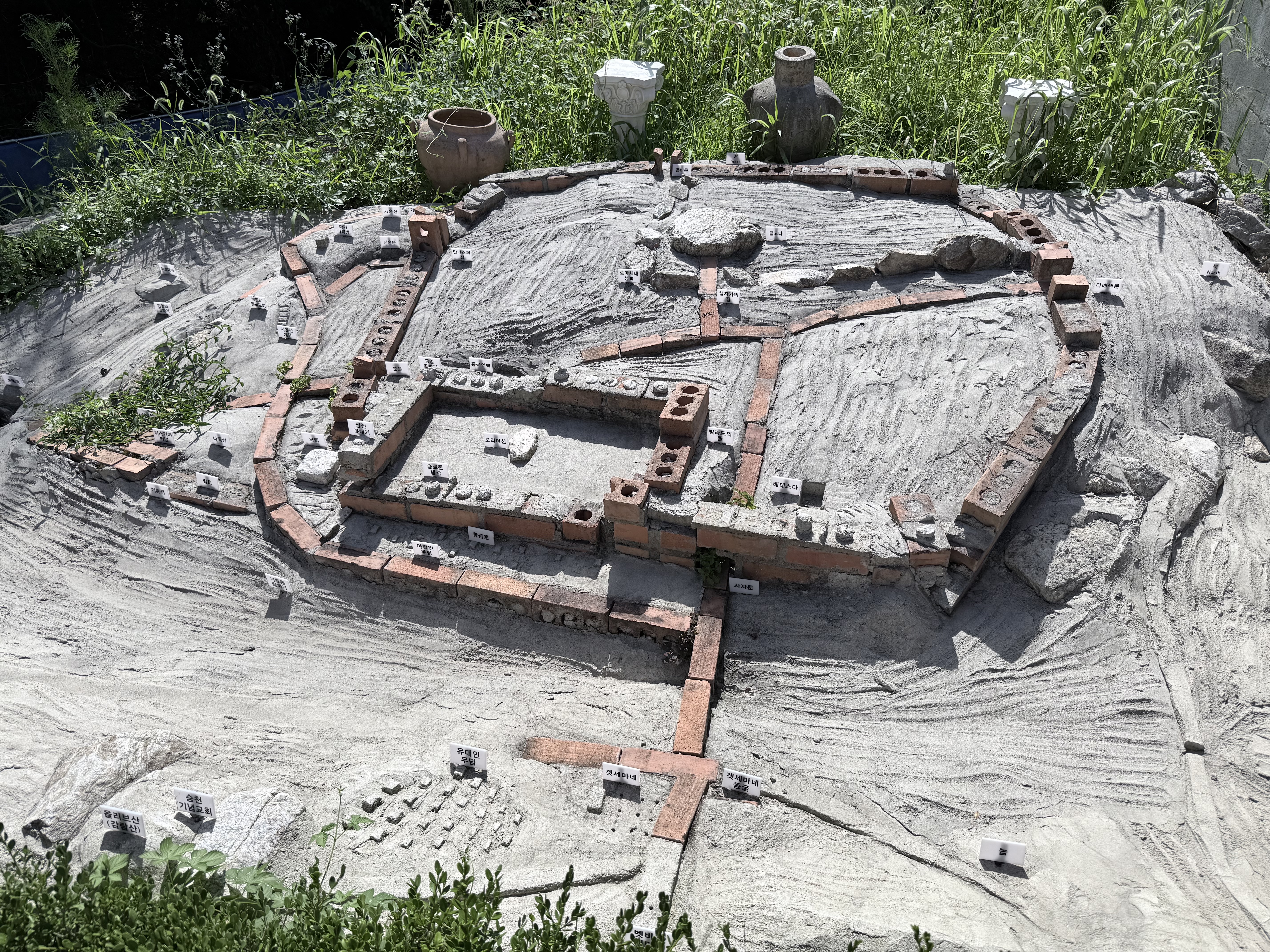
Past the exhibit halls lies the museum's outdoor complement: the Bible Garden. Its layout is unusual by design. The terrain has been shaped to mirror the geography of Israel in miniature. Walking through it, a visitor can locate the places named in Scripture and see how the land of Israel was actually arranged. Place-names stop functioning as abstractions and start carrying real position and real distance.
True to its name, the Bible Garden also grows the plants of Scripture. Among them are specimens tied to the produce the Israelites carried back from Canaan at Kadesh-barnea, and the kind of gourd vine that shaded Jonah as he waited outside Nineveh. A visitor can even see, with their own eyes, just how small a mustard seed is, the very image Christ used for faith. Scenes long known only through the text take on a firmer, more concrete meaning once the plants themselves are in front of you.
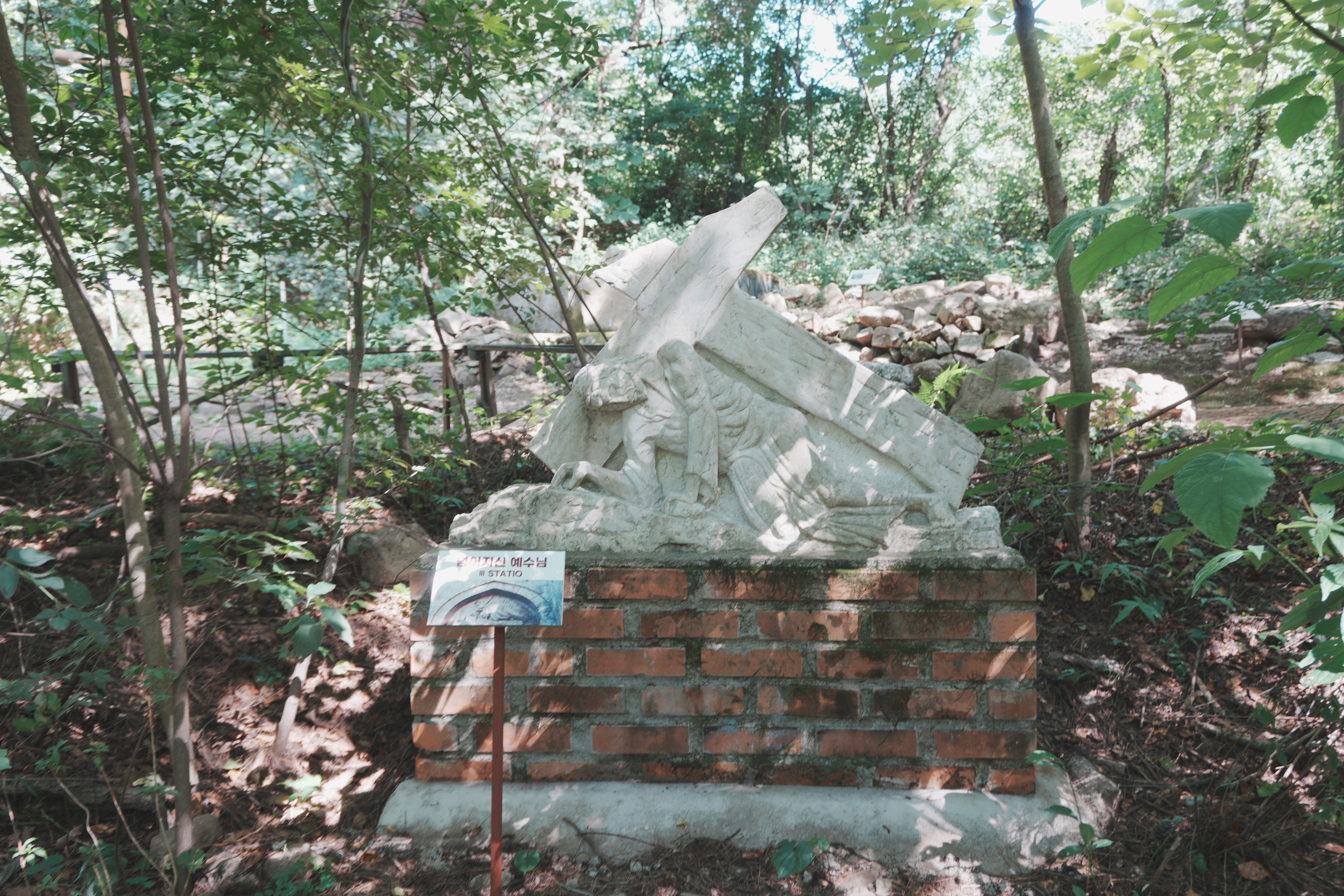
The outdoor space also lets visitors trace something of Christ's Passion. Models recreate the ground of Gethsemane and the pavement before Pilate's court, along with a replica of the tomb. Together they render Christ's suffering, death, and resurrection with a clarity that words alone rarely achieve.
The Guided Tour Adds Real Depth
The exhibit halls and the Bible Garden reward a visitor even on a solo walk-through. But for anyone who wants a fuller grasp of what these objects mean and the social and cultural world behind them, the museum's guided tour, offered twice daily, is worth the time. A guide walks visitors from the first hall through to the Bible Garden, explaining what each object is and where it surfaces in the biblical text. For anyone without formal training in theology or history, the guide fills in what would otherwise stay out of reach.
A guided visit runs longer than walking through alone. But most visitors will only make it to this museum once. Taking the fuller route on that single visit is the better use of the opportunity, and it yields a deeper understanding of the objects and plants Scripture describes.
A Museum That Deepens Biblical Understanding
This writer came away from the visit well satisfied with the range of what the museum has to offer, in both artifacts and plant life. Joining one of the two daily tours (10:30 a.m. and 1:30 p.m.) made for a far more thorough visit than walking through alone would have. The museum is not run by a large institution, and its halls do not have the polish or the comfort of a major museum. That said, what fills those halls is genuinely rich and varied, and it extends biblical understanding beyond the intellectual into the experiential. For any believer who wants Scripture to feel less like an abstraction and more like a lived reality, the World Christian Museum is worth the visit.
About Author

faith.log
A journal that connects faith and everyday life. In each small piece of writing, we share the grace of God and the depth of life together.


