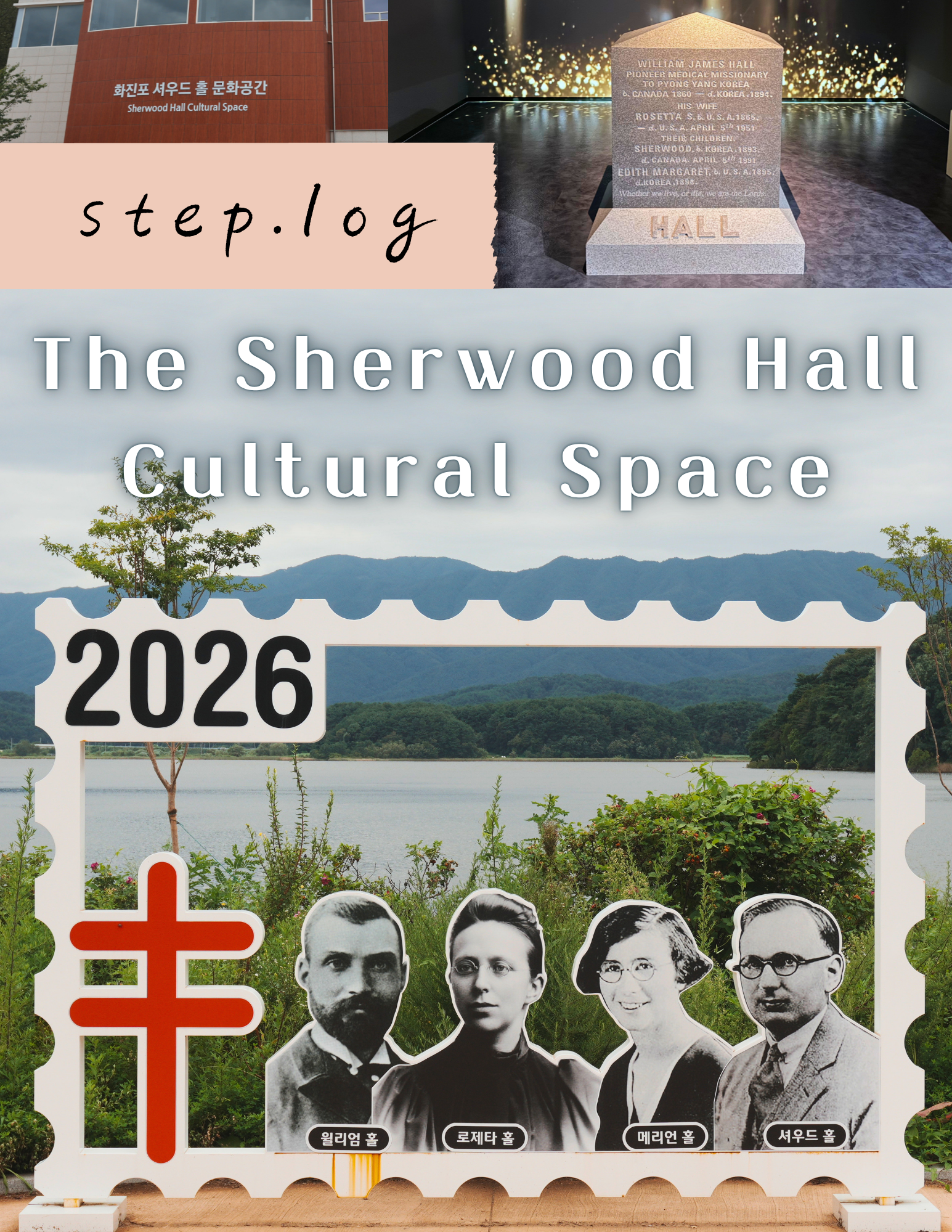
A Christmas Seal and Two Generations of Calling: The Sherwood Hall Cultural Space at Hwajinpo, Korea
Every December, this writer remembers buying Christmas Seals at school. From grade school through high school, it was a small Advent ritual: two seals each year, one for a growing collection and the other pressed beside the stamp on a Christmas card. Many American readers will know the same little stickers from the envelopes the American Lung Association once mailed every holiday season. Yet for years this writer never asked who first brought the Christmas Seal to Korea, or what kind of life that person lived there. This installment of step.log visits the place that answers both questions: the Sherwood Hall Cultural Space on the shore of Hwajinpo, in Goseong County at the northeastern edge of South Korea.
Hwajinpo Remembers Where Korea’s Christmas Seal Began
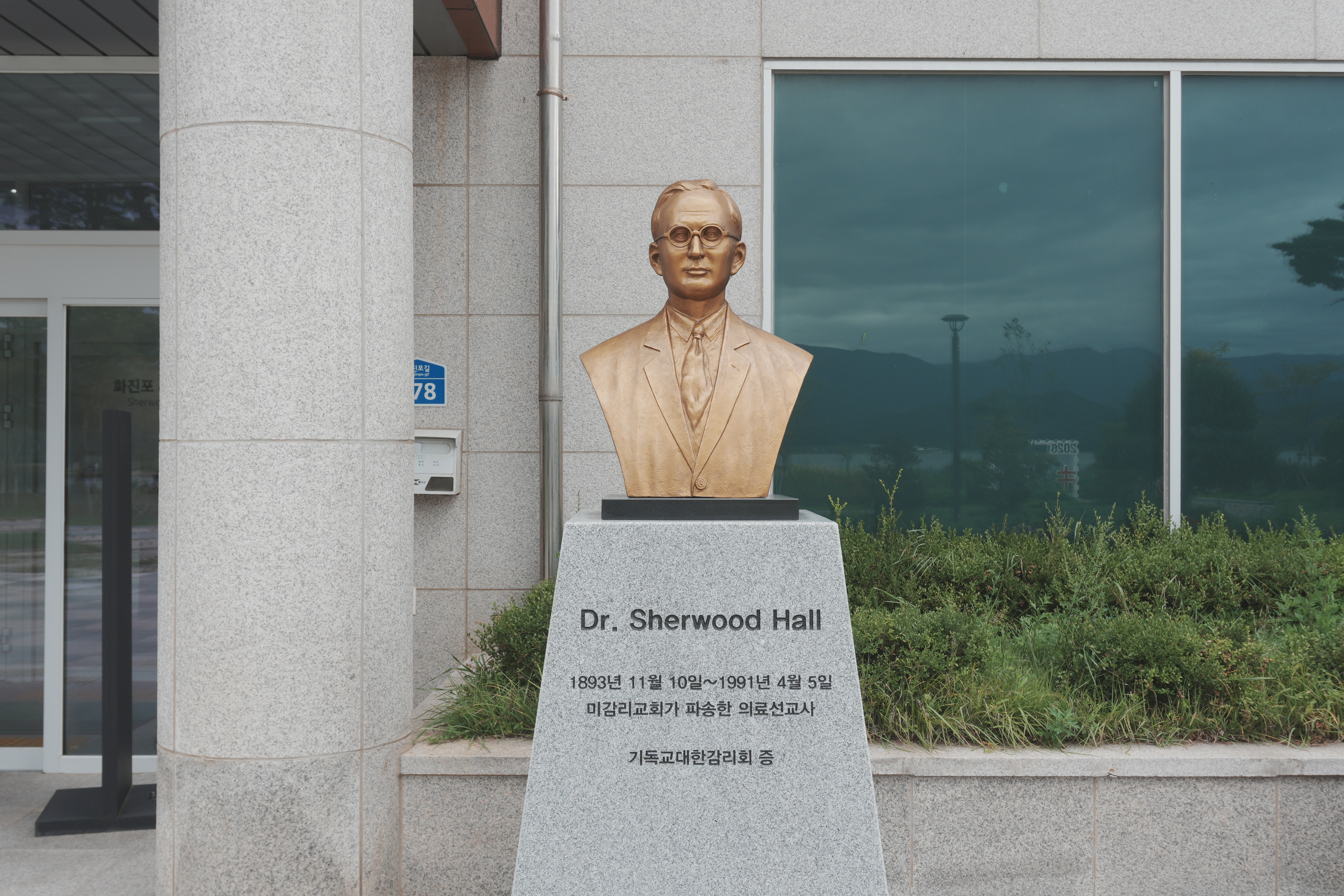
The Sherwood Hall Cultural Space stands at 278 Hwajinpo-gil, Geojin-eup, Goseong County, in Gangwon Province, a short drive south of the DMZ. Housed in the remodeled former Hwajinpo Ecology Museum, it opened on June 19, 2025. Its location is no accident. On a seaside bluff nearby stands a stone building known today as “Kim Il-sung’s Villa.” It began life as Hwajinpo Castle, a retreat for missionaries built by Sherwood Hall himself.
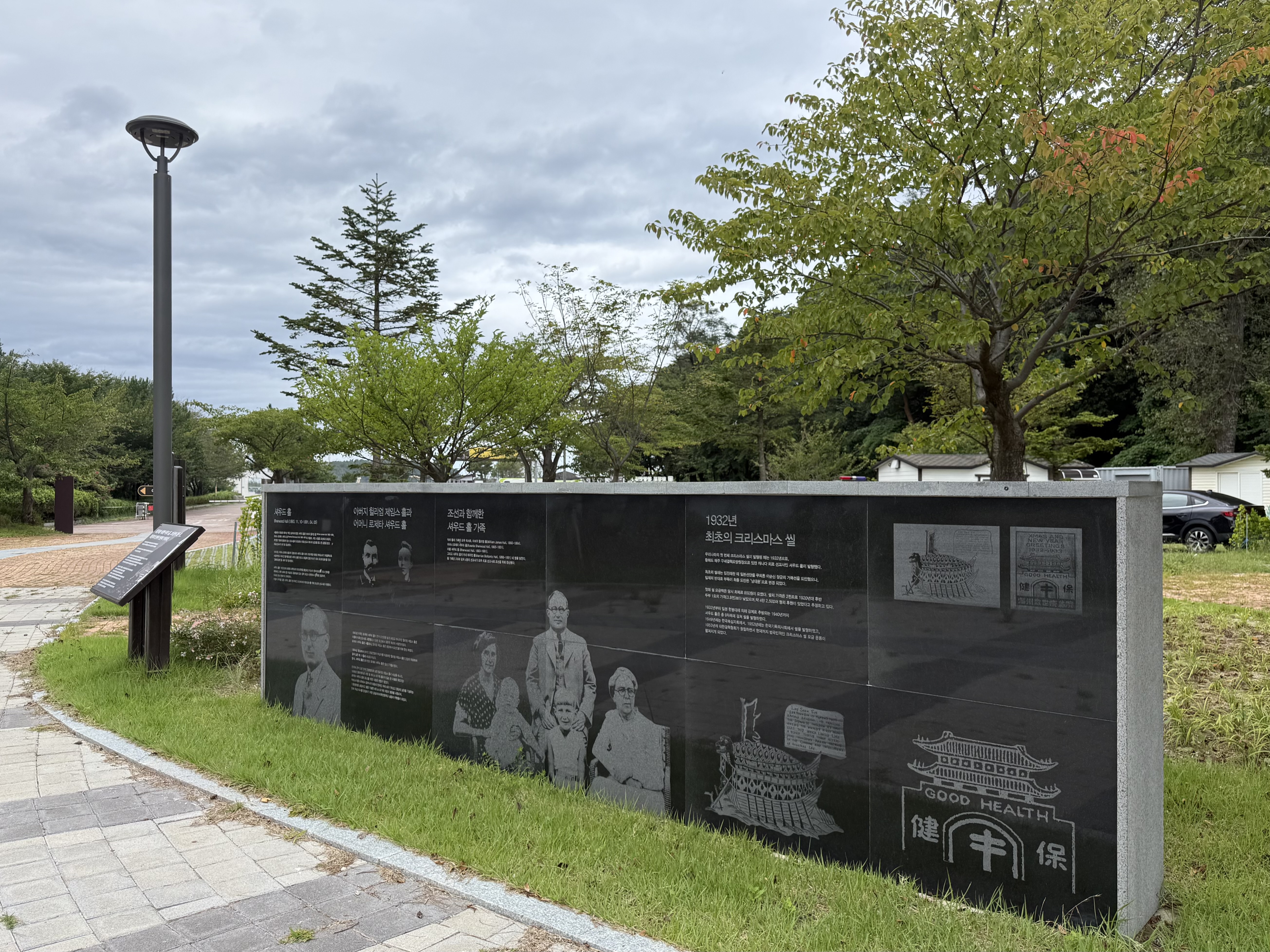
Two things deserve attention before you step inside. The first is an outdoor timeline wall of engraved stone. It records Sherwood Hall’s dates of birth and death, reproduces the design of Korea’s first Christmas Seal from 1932, and summarizes two generations of the Hall family’s work. It serves as a fitting prologue to the galleries. The second is a photo frame shaped like a giant Christmas Seal, set against the still waters of Hwajinpo Lagoon. Inside its scalloped border stand four portraits: William, Rosetta, Marian, and Sherwood. Beside them is the double-barred cross, the international emblem of the fight against tuberculosis. Two generations of ministry fit inside a single seal.
The First Floor Bears Witness to a Calling That Went Where No One Else Would
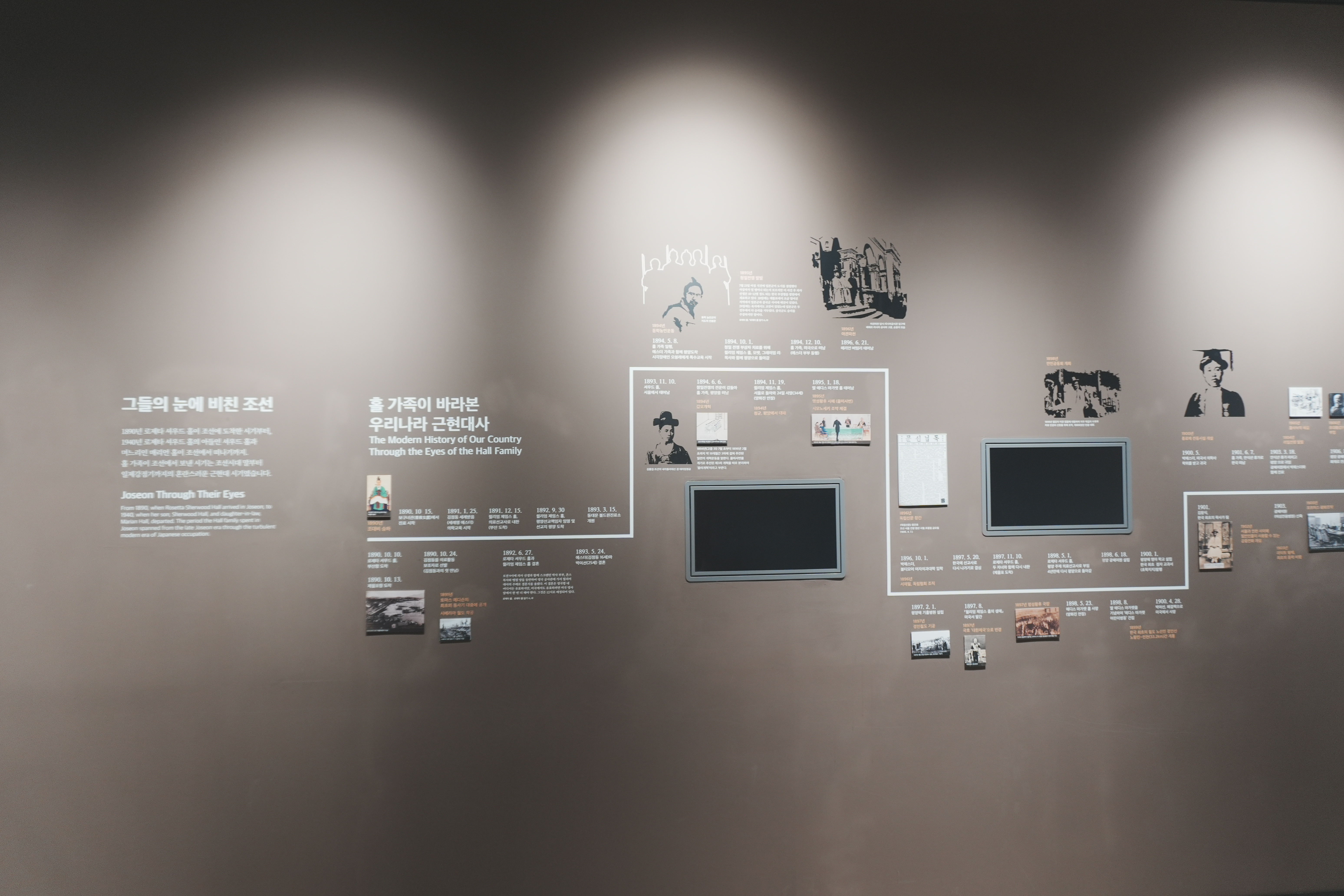
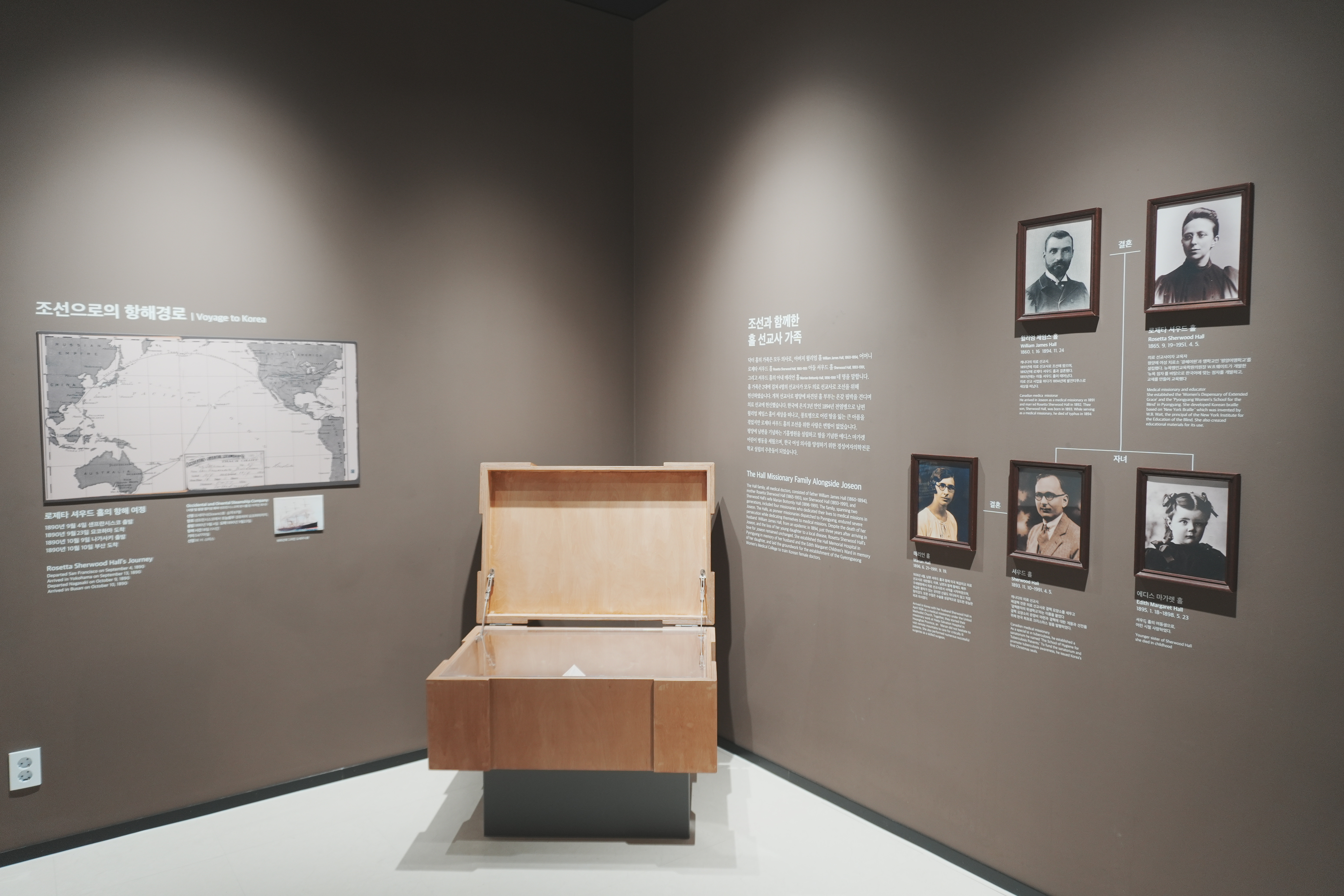
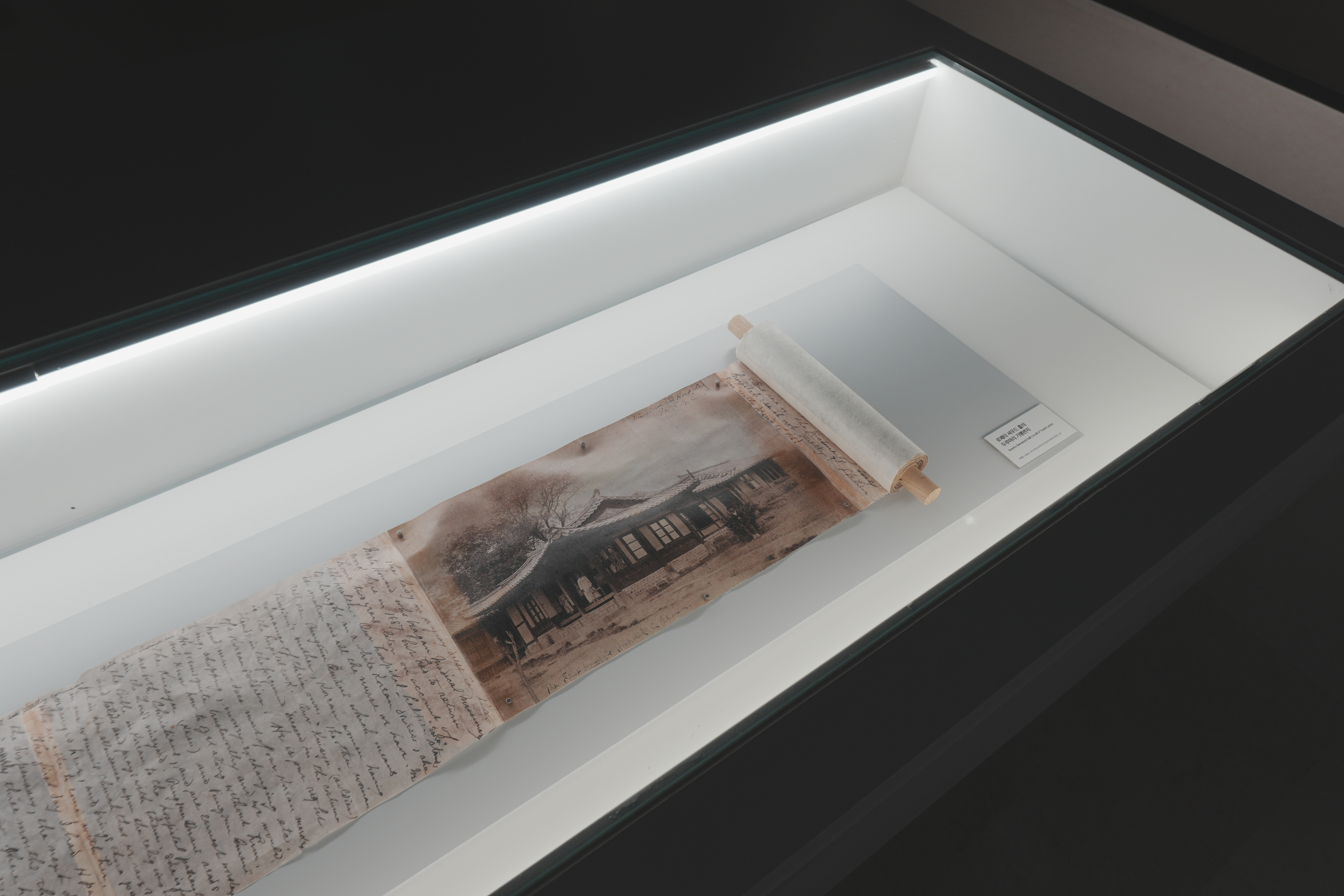
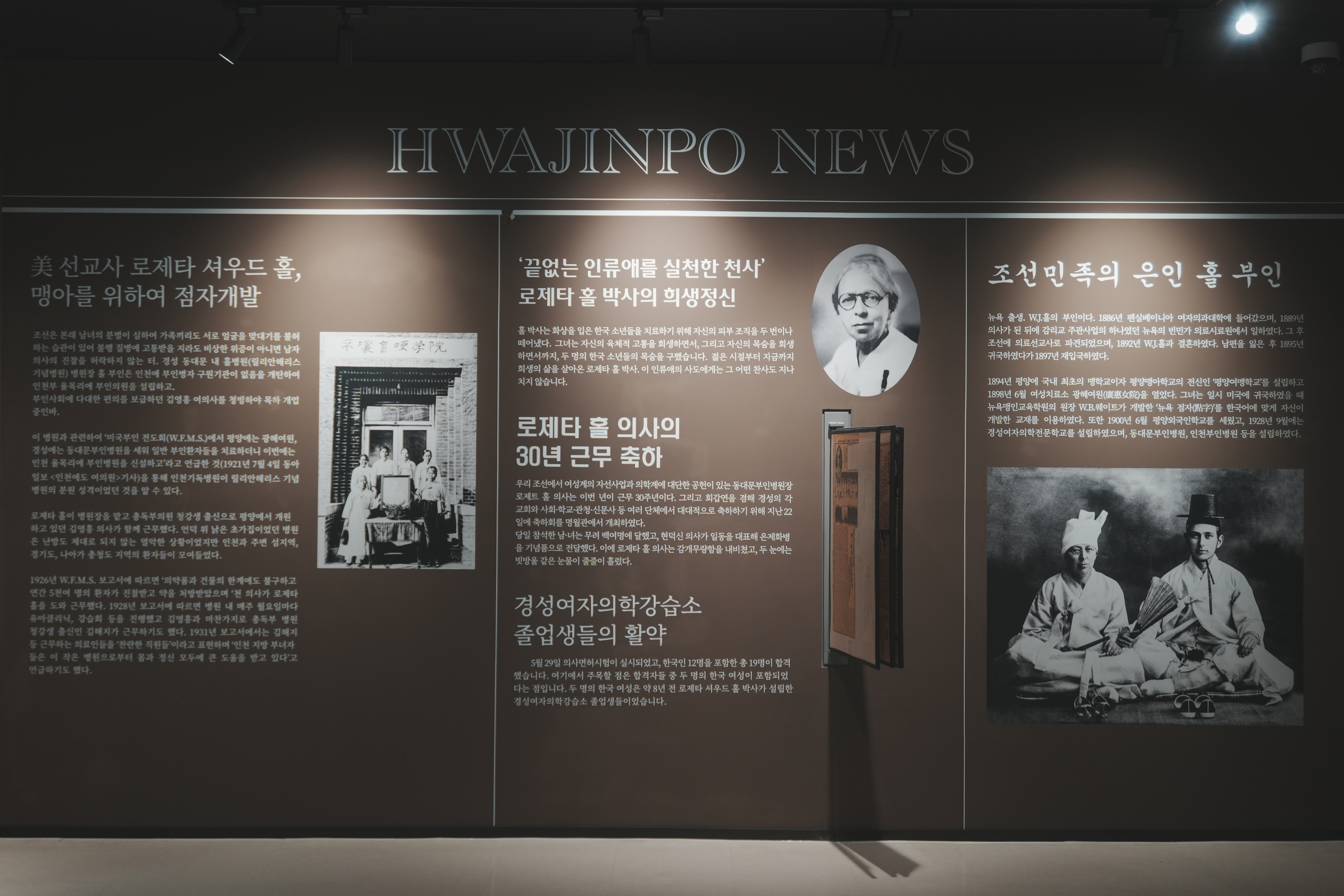
Inside, the galleries trace floor by floor the burdens the Hall family took up after leaving their homelands for Korea. The first floor belongs to William James Hall and Rosetta Sherwood Hall. The exhibition opens with a single sentence: “If you wish to serve humanity, go to places no one chooses to go and do the work no one wants to do.” The words belong to Mary Lyon, founder of Mount Holyoke Female Seminary in Massachusetts. They stirred the heart of a young Rosetta and set her on the long road to Korea. Standing before that sentence, this writer considered both how hard that road was and how precious.
William Hall, a Canadian physician, died in November 1894 after caring for the wounded and the sick in the aftermath of the First Sino-Japanese War. His son Sherwood had barely passed his first birthday. Yet Rosetta did not collapse in grief. She carried on alone the medical mission she and her husband had begun together. The Reformed doctrine of vocation has never meant a career one keeps only while circumstances are favorable. It means faithfulness to the post God has assigned, even in the furnace of affliction. Rosetta’s life shows what such a calling weighs.
Rosetta also produced the first Korean-language braille teaching materials, opening the door of education to the blind. The first floor displays the record of the schools she founded and the students she taught. It also tells the story of Esther Park (Kim Jeom-dong), Korea’s first woman physician trained in Western medicine, whom Rosetta mentored and supported. These galleries are filled with the footprints of a couple who went first to the people on the margins.
On the Second Floor, a Stethoscope Kept Time with the Heart of Korea
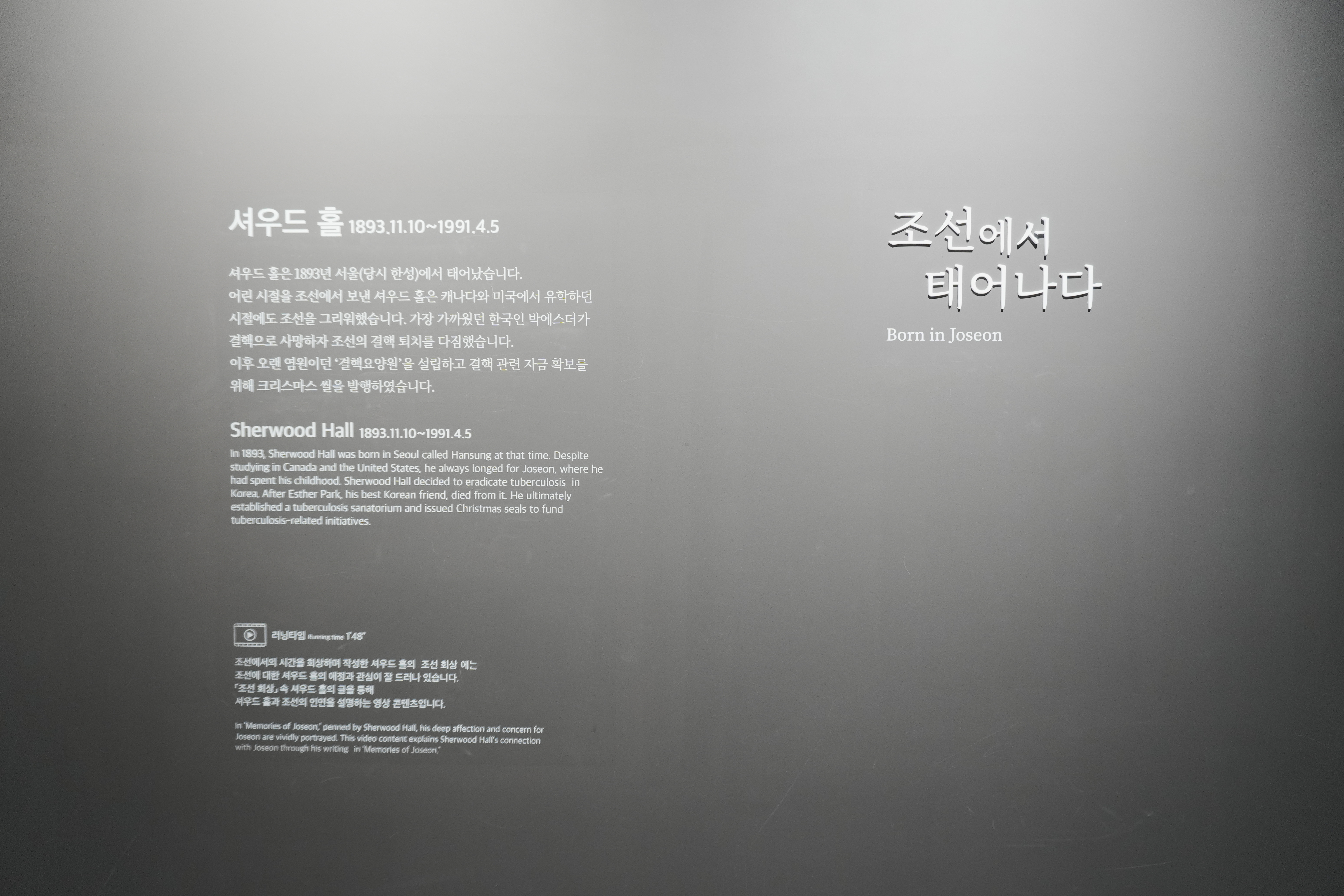
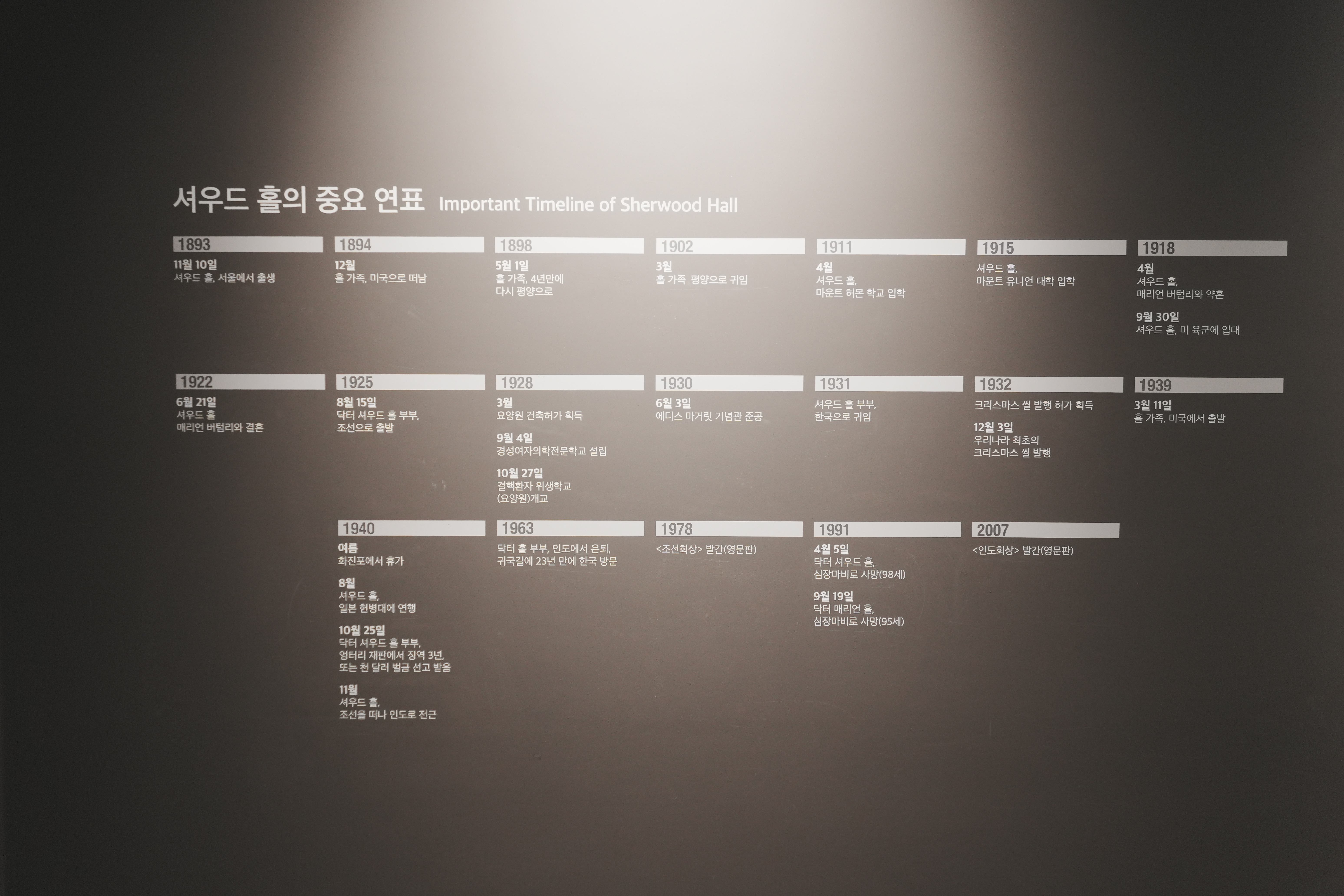
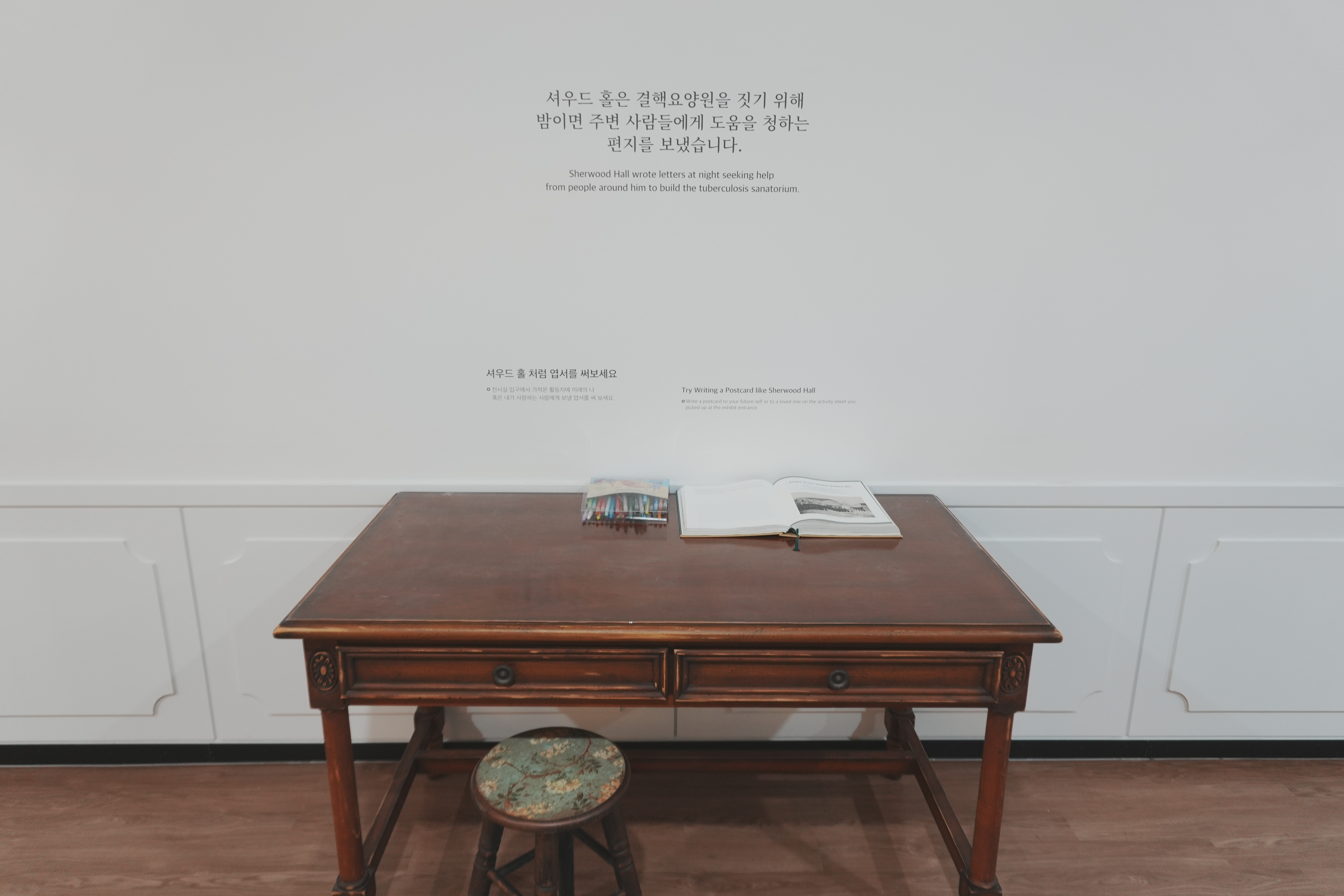
Upstairs, visitors meet their son, Sherwood Hall, born in Seoul in 1893. His words greet you at the gallery entrance: “When I examine the hearts of Joseon people with my stethoscope, my heart beats with Joseon, too.” Joseon was Korea’s old name, and this one sentence testifies to how deeply he loved the land of his birth.
The second floor includes a recreation of his clinic. A desk, projection equipment, and windows glowing with sepia images of old Haeju bring his working day to life. In those years many Koreans believed snake soup could cure tuberculosis. To correct such notions, Sherwood Hall taught public hygiene with a film projector and a magic lantern. He was no short-term volunteer. He wanted Koreans to protect their own health through sound medical knowledge. Calvin taught that skill in medicine, like every art and science, is a gift of the Spirit of God, given by common grace even to those who do not know Him (Institutes 2.2.15–16). In Sherwood Hall’s hands, that gift became an instrument of neighbor-love.
The galleries also record his effort to change public attitudes toward tuberculosis by introducing the Christmas Seal. His path was never smooth. Korea was then under Japanese colonial rule, and he labored under constant surveillance and pressure. In 1940 he was accused of espionage and expelled from the country.
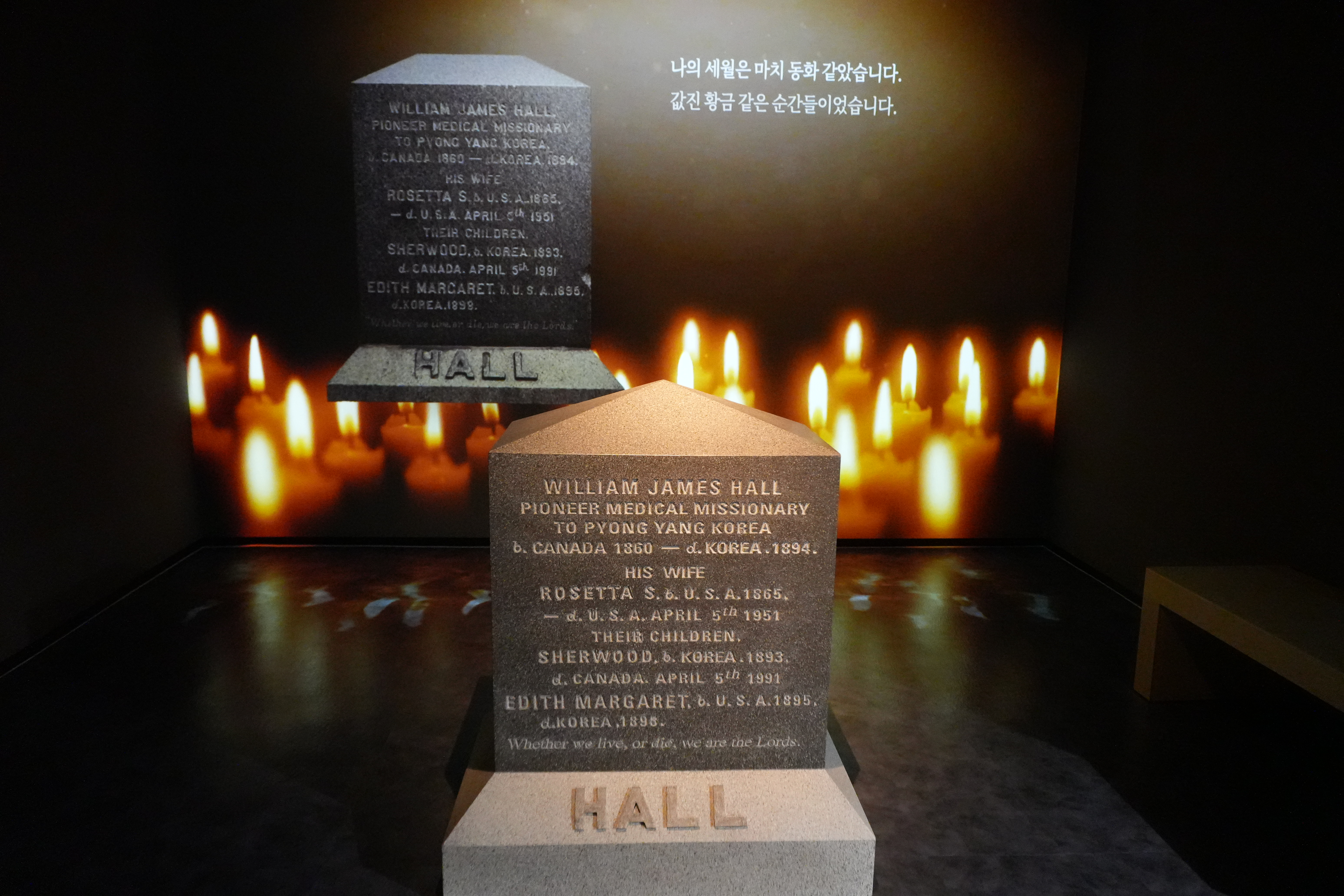
The final room on this floor recreates the Hall family gravestone, which stands in the Yanghwajin Foreign Missionary Cemetery in Seoul. Carved on it are the names of William, Rosetta, Sherwood, and Edith, the daughter who died in Korea at the age of three. Rosetta died on April 5, 1951. Sherwood died on April 5, 1991. Forty years apart, to the day. Near the bottom of the stone are these words: “Whether we live, or die, we are the Lord’s.” The apostle puts it this way: “If we live, it’s to honor the Lord. And if we die, it’s to honor the Lord. So whether we live or die, we belong to the Lord” (Romans 14:8, NLT). The lives and deaths of the Hall family alike rested on this confession. A prayer projected in the memorial room stayed with this writer long afterward:
“Not I, but the seeds I have sown in this life: let these be passed on to the generations to come.”
Korea’s First Christmas Seal Carried a City Gate Instead of a Warship
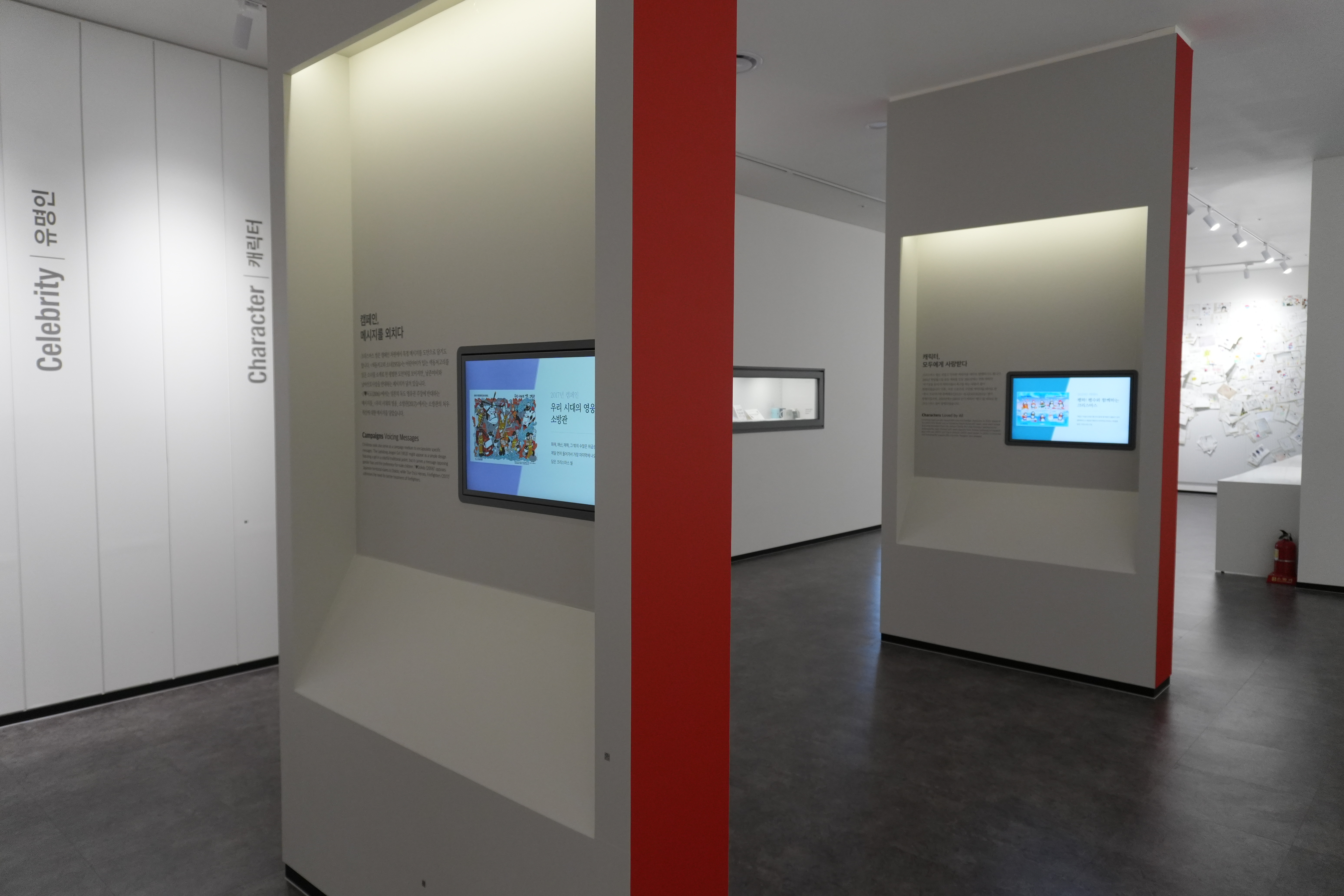
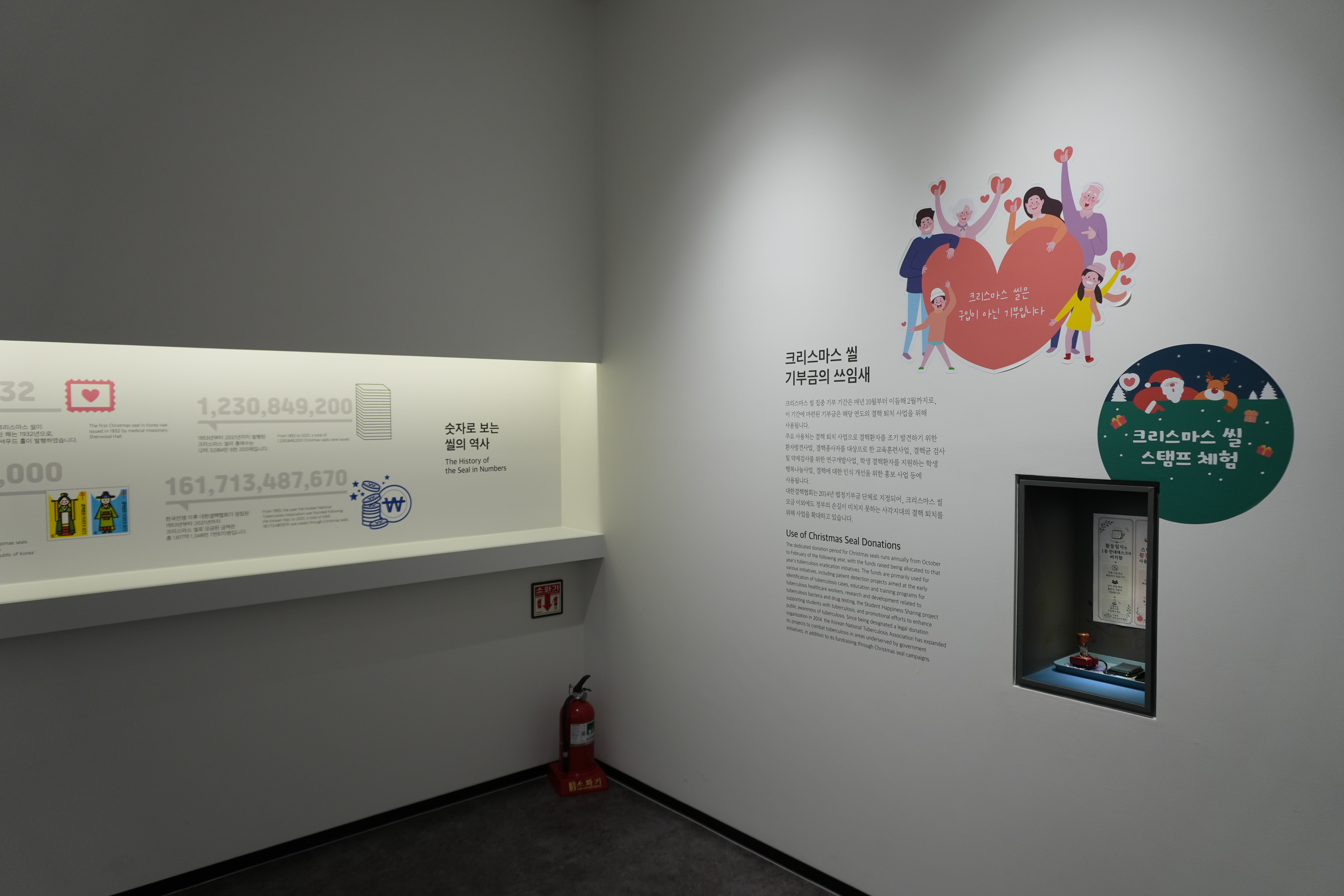
The third floor tells the history of the Christmas Seal that Sherwood Hall brought to Korea in the fight against tuberculosis. Here visitors can see the seals issued from the first one in 1932 until his expulsion in 1940. The tradition itself began in Denmark in 1904 and reached the United States in 1907. Korea joined that worldwide chain of charity through one missionary doctor.
The first Korean seal carries a story. Sherwood Hall originally wanted to feature the turtle ship, the armored warship with which Admiral Yi Sun-sin defeated the Japanese navy in the sixteenth century and a beloved symbol of Korean pride. In his design, the ship’s cannon took aim at the tuberculosis emblem. The colonial authorities refused to approve it, judging that it carried a spirit of resistance. The design was replaced with Sungnyemun, the great south gate of Seoul. The turtle ship finally appeared on a Korean Christmas Seal in 1967, thirty-five years later.
Another anecdote shows how tuberculosis was understood at the time. Charitable giving was an unfamiliar idea, and some people mistook the seals for medicine. One man reportedly stuck a seal on his chest, then came to Sherwood Hall complaining that his illness had not gone away. Set beside the snake-soup story on the floor below, it makes clear that Sherwood Hall was fighting not only a bacillus but also ignorance and fear.
The third floor also gathers the many Christmas Seals issued in Korea up to the present. This writer was delighted to find, among them, the very seals collected in childhood. Today’s seals are no longer just paper stickers beside a stamp. They appear on all kinds of products sold to raise funds. The seed Sherwood Hall sowed has changed its form, and it is still growing.
Hwajinpo Castle Bears Two Names, and Both Tell of Suffering
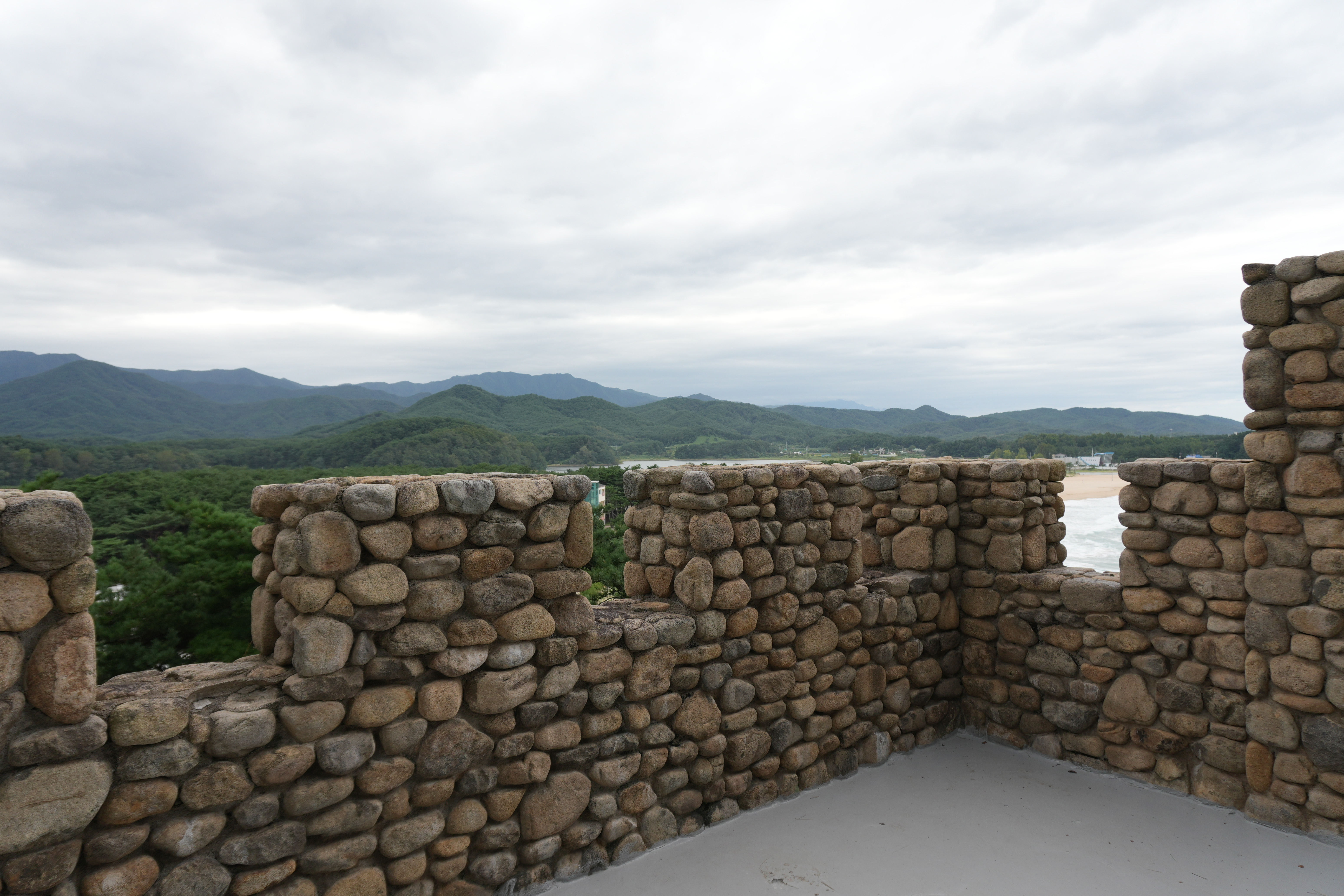
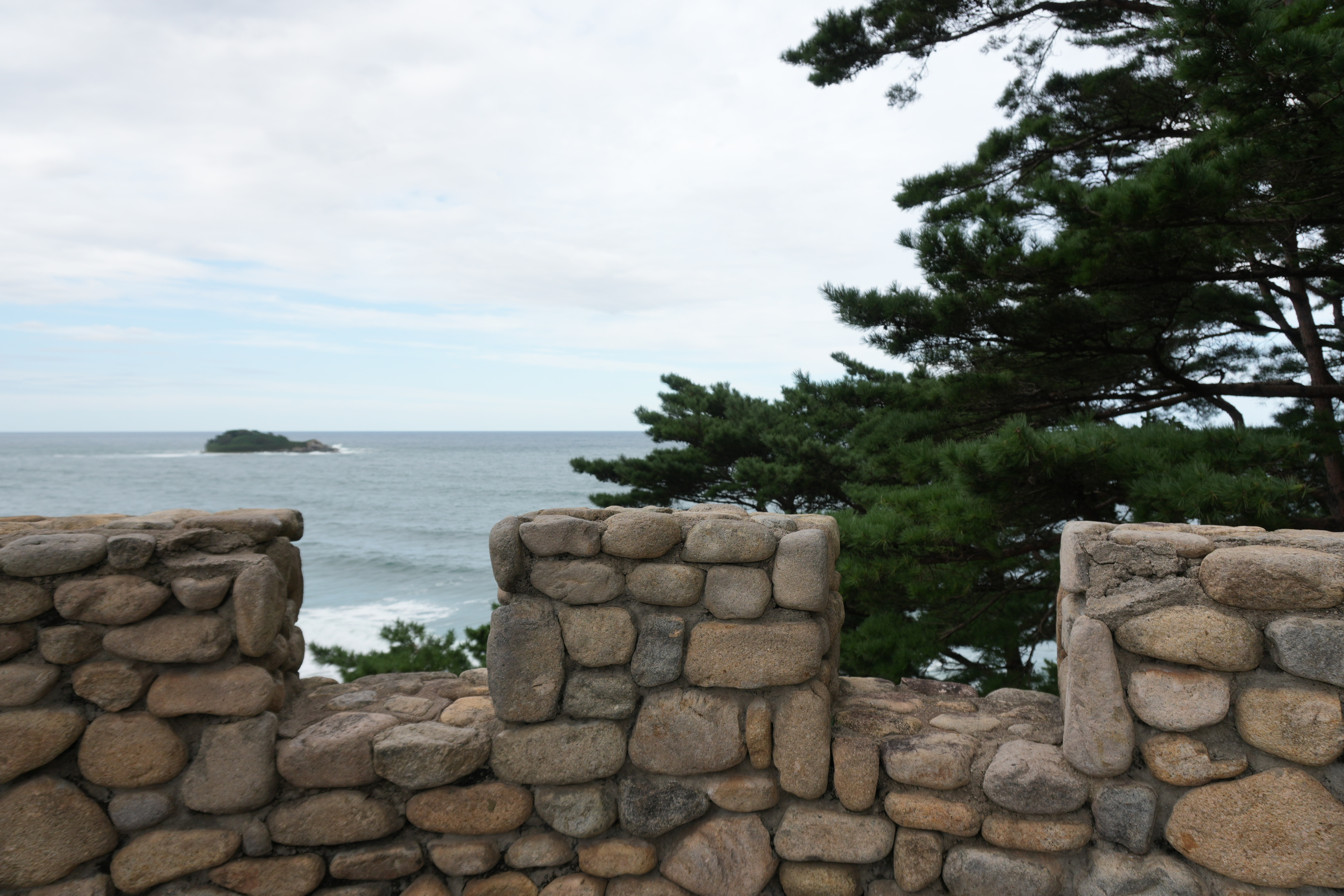
The same admission ticket opens one more door: Hwajinpo Castle, better known as Kim Il-sung’s Villa. It was built in 1938 as a missionary retreat. When the Japanese colonial government forcibly demolished the missionaries’ seaside retreat at Wonsan, a port city now in North Korea, Sherwood Hall established a new one at Hwajinpo. The German architect H. Weber designed it as a stone building with one floor below ground and two above. It served both as a place of rest and as a house of worship, and Sherwood Hall himself gave it the name “Hwajinpo Castle.”
The house did not remain in missionary hands for long. It passed out of Sherwood Hall’s hands with his expulsion in 1940. After liberation in 1945, Hwajinpo lay north of the 38th parallel, and the North Korean regime turned the building into a resort for high-ranking guests. From 1948 to 1950, Kim Il-sung and his family spent their summers there, and the name “Kim Il-sung’s Villa” stuck. Only after the Korean War did the area come under South Korean control. Just as the colonial government had seized the retreat at Wonsan, Hwajinpo Castle was taken once again.
The building that stands today is not the one Sherwood Hall built. In 1964 the South Korean army demolished the original and rebuilt it. After renovations in 1995 it served as a rest facility for soldiers, and in July 1999 it opened as an exhibition hall, the form it keeps today.
One building, two names. One was given by a missionary. The other was imposed by division. Together they testify, without a word, to how hostile the ground was on which these missionaries labored through colonial rule, liberation, division, and war. From the battlements, the view sweeps over Hwajinpo Beach to Geumgu Island offshore. The sea Sherwood Hall once looked upon remains unchanged. That is why this place must never be passed off as merely a villa with a fine ocean view.
Men Planted the Seed, but God Gave the Growth
William and Rosetta, Sherwood and Marian: the mark the Hall family left on Korea runs deep and wide. They laid down the comforts of home, came to a hard land, and sought out those at the lowest places. They endured colonial pressure, expulsion, and the grief of burying their own, and still they did not turn back.
The Halls were Methodists, and a Calvinist will read their story with his own theological accents. But the confession carved on their gravestone is common ground for every believer who knows he is not his own, but belongs body and soul to his faithful Savior.
How, then, should we remember their devotion? The prayer in the memorial room already holds the answer. They asked that not they themselves, but the seeds they had sown, would endure. That prayer echoes the apostle Paul: “I planted the seed in your hearts, and Apollos watered it, but it was God who made it grow” (1 Corinthians 3:6, NLT). The One who made the Halls’ seed take root and grow in Korean soil is God. So the name we must exalt first in this place is not the Hall family’s, but the name of the God who called them and kept them to the end. Soli Deo gloria.
And yet we remain in their debt, a debt of love. Paul writes, “Owe nothing to anyone—except for your obligation to love one another” (Romans 13:8, NLT). A debt of love is not one we pay off and close. We carry it forward by loving the next neighbor. Now it is our turn. As the Halls did, we too are called to live as those who belong to the Lord, before the places no one chooses to go and the work no one wants to do. For whether we live or die, we belong to the Lord.
About Author

faith.log
A journal that connects faith and everyday life. In each small piece of writing, we share the grace of God and the depth of life together.


