On the 509th Reformation Day, a second look at the first of Luther's Ninety-Five Theses
Every October 31, two calendars collide. One belongs to costumes, candy, and carved pumpkins on the front steps. The other belongs to the church, which remembers this date as the day an Augustinian monk in Wittenberg set a list of Latin propositions before the world. That was 509 years ago. Many congregations marked it last Sunday with "A Mighty Fortress" and a sermon on justification by faith alone.
I want to spend this year's Reformation Day somewhere less familiar. Not with the hammer, not with the door, but with the first sentence Luther wrote.
The Reformation's first sentence is about repentance

Thesis One reads: "When our Lord and Master Jesus Christ said, 'Repent,' he willed the entire life of believers to be one of repentance." Luther was reaching back to the first words of Jesus' public ministry: "Repent of your sins and turn to God, for the Kingdom of Heaven is near" (Matthew 4:17, NLT).
The Latin Vulgate rendered that command paenitentiam agite, and medieval piety heard it as "do penance." Repentance had become a transaction conducted in the confessional, with a residue of temporal punishment left to be worked off. Erasmus's Greek New Testament, published in 1516, helped recover what the word metanoeite actually meant: a turning of mind and heart. The Reformation started, quite literally, with reading one word of Scripture rightly.
Indulgences turned repentance into a purchase
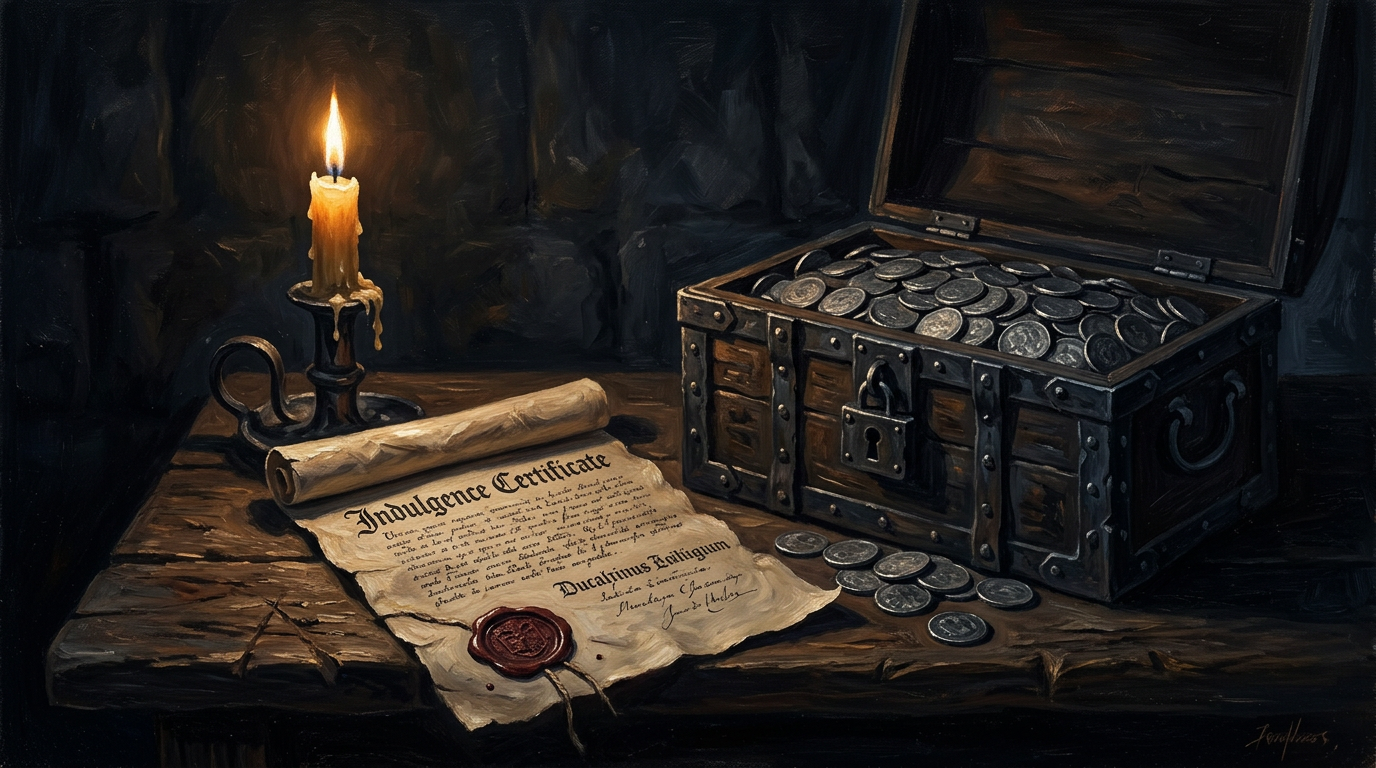
In 1517 the Dominican friar Johann Tetzel was preaching an indulgence to fund the rebuilding of St. Peter's in Rome, with the backing of Archbishop Albrecht of Mainz. When Luther's own parishioners crossed the border to buy one, the abstract question became a pastoral one.
The money was never the deepest problem. The deeper problem was that repentance had been reduced to a one-time payment. If grace can be settled at the counter, the rest of life is left untouched. Luther's Thesis 62 named the alternative: the true treasure of the church is the most holy gospel of the glory and grace of God. The church has nothing to dispense but Christ.
The scene at the castle church door remains debated
The image of Luther nailing his theses to the door of the Castle Church is iconic, but it rests on a later account by Philip Melanchthon written after Luther's death. Some scholars in the 1960s questioned whether the posting happened at all, while a note by Luther's assistant Georg Rörer, identified in the 2000s, has strengthened the traditional view.
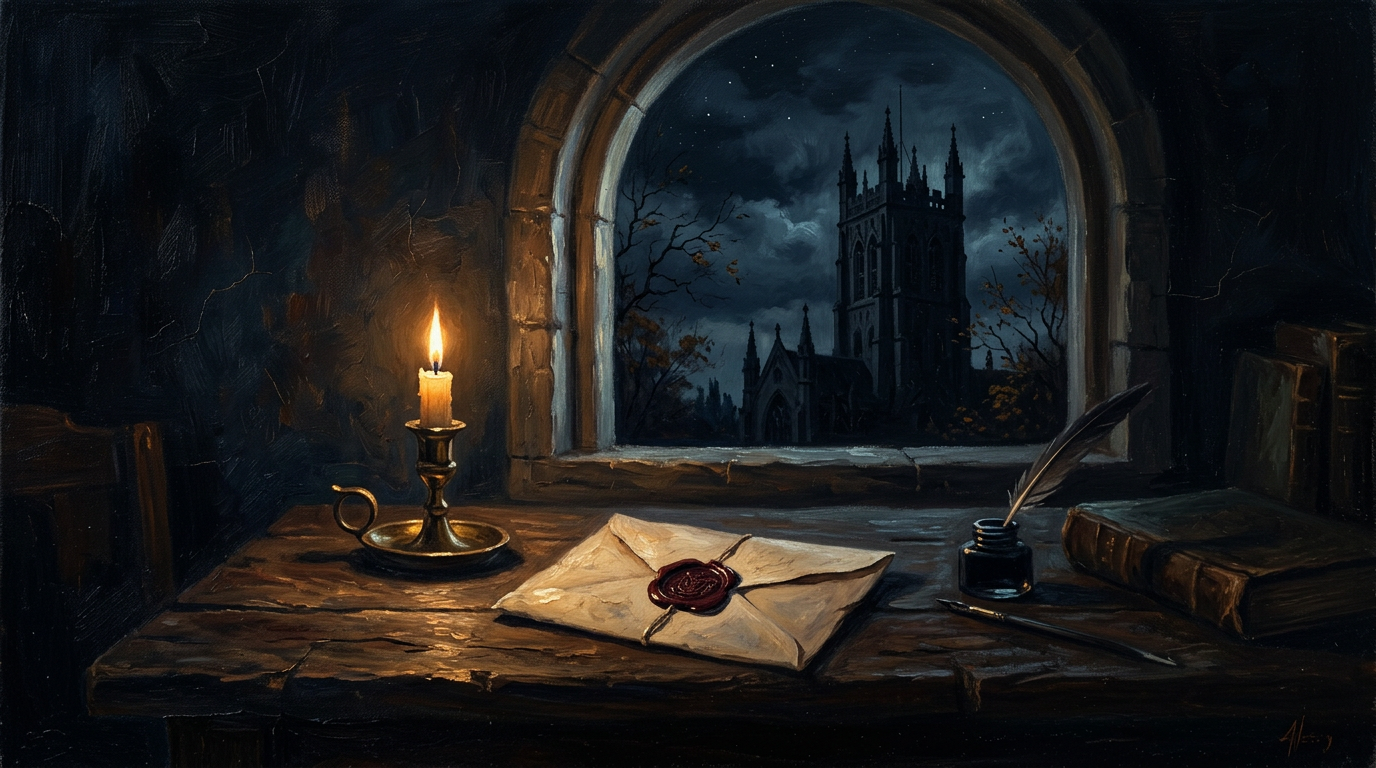
What is beyond dispute is the letter. On October 31, 1517, Luther wrote to Archbishop Albrecht and enclosed the theses, and that letter survives. He was asking for an academic disputation, not launching a revolt. It is also worth remembering that the Ninety-Five Theses are not yet a mature statement of sola fide. When exactly Luther came to understand the righteousness of God in Romans 1:17 remains a longstanding scholarly debate. The Reformation was not an afternoon; it was years of reading Scripture more deeply.
Repentance is the fruit of grace, not its price
Calvin gave Luther's insight theological shape. In Book III of the Institutes, he describes repentance as a genuine turning of our life to God, a restoration that is not completed in a moment, a day, or a year, but pursued across the whole of the Christian life.
The Westminster Confession (chapter 15) draws the line with characteristic precision. Repentance is no satisfaction for sin and no cause of pardon; pardon comes freely, solus Christus, by grace alone. Yet no sinner may expect pardon without it. Where indulgences made repentance the price of forgiveness, the Reformers restored it as the life of the forgiven.
The difference is pastoral as much as doctrinal. Repentance-as-payment breeds anxiety, because no one can know when enough has been paid. Repentance-as-response breeds freedom, because the price has already been paid in full, and the believer may turn back to God every morning, coram Deo, without fear.
The Reformation put the Word back in ordinary hands
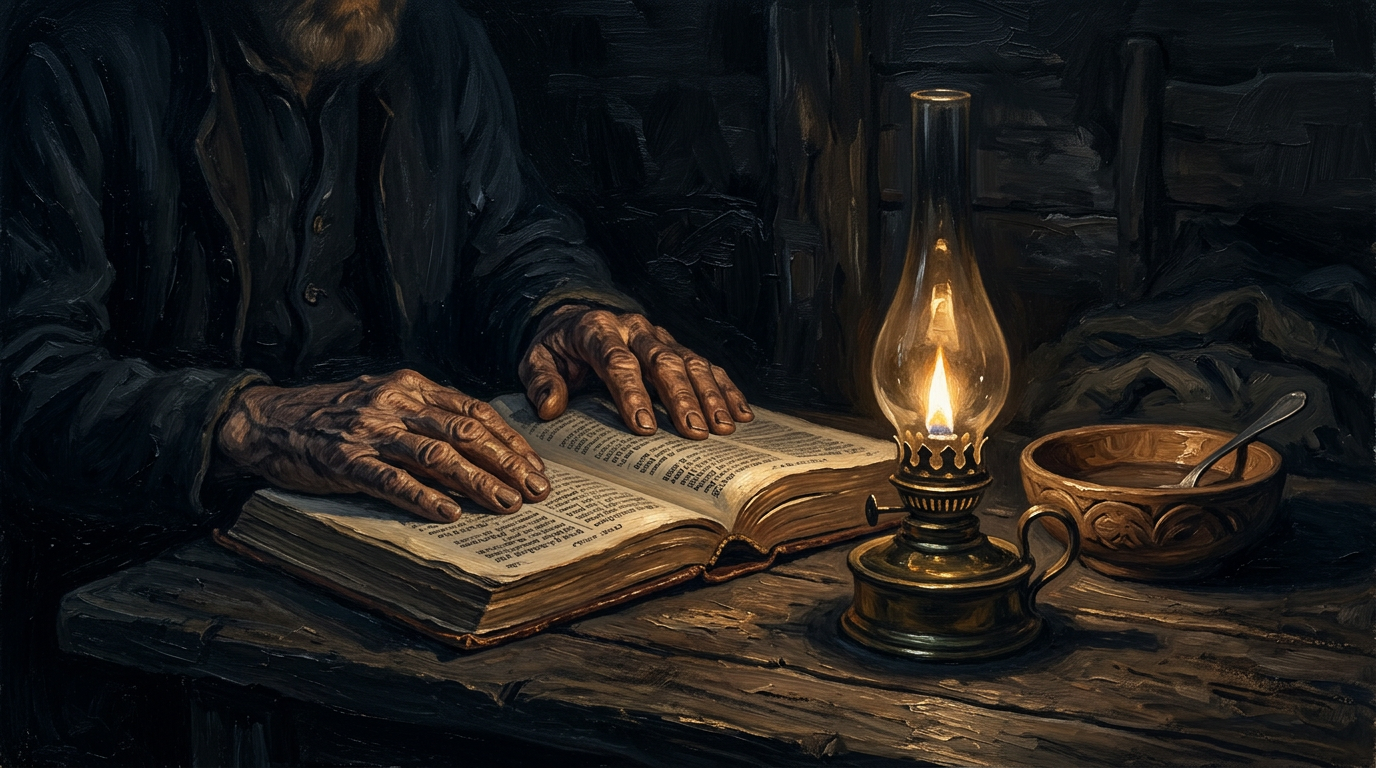
If repentance is a lifelong road, Scripture is the lamp for it. While hidden at the Wartburg, Luther began translating the New Testament into German; published in September 1522, it became known as the September Testament. Farmers and craftsmen could now read at their own tables what they had only heard secondhand.
I have been copying Ephesians by hand, word by word, and the inheritance feels very near. An ordinary believer opening a Bible in the vernacular and picking up a pen is walking through a door others risked their lives to open. Faithful use of the ordinary means of grace is the Reformation's quiet fruit.
Reformation today begins with repentance today

Reformed churches have long repeated ecclesia reformata, semper reformanda. The phrase is usually traced to the Dutch Further Reformation of the seventeenth century, and it reads rightly only with its implied qualifier: secundum verbum Dei, according to the Word of God. "Always reforming" has never meant always innovating. It means always returning.
So Reformation Day cannot stop at honoring heroes. Luther's first sentence still asks its question: what are we using in place of repentance, and where in our ordinary days have we not yet turned back to God?
Sola gratia, sola fide, sola Scriptura, solus Christus, soli Deo gloria. The five solas are not museum labels. They are the confession of every believer who turns again to God today.
About Author

faith.log
A journal that connects faith and everyday life. In each small piece of writing, we share the grace of God and the depth of life together.


