
A Library for More Than One Purpose: Takeo City Library
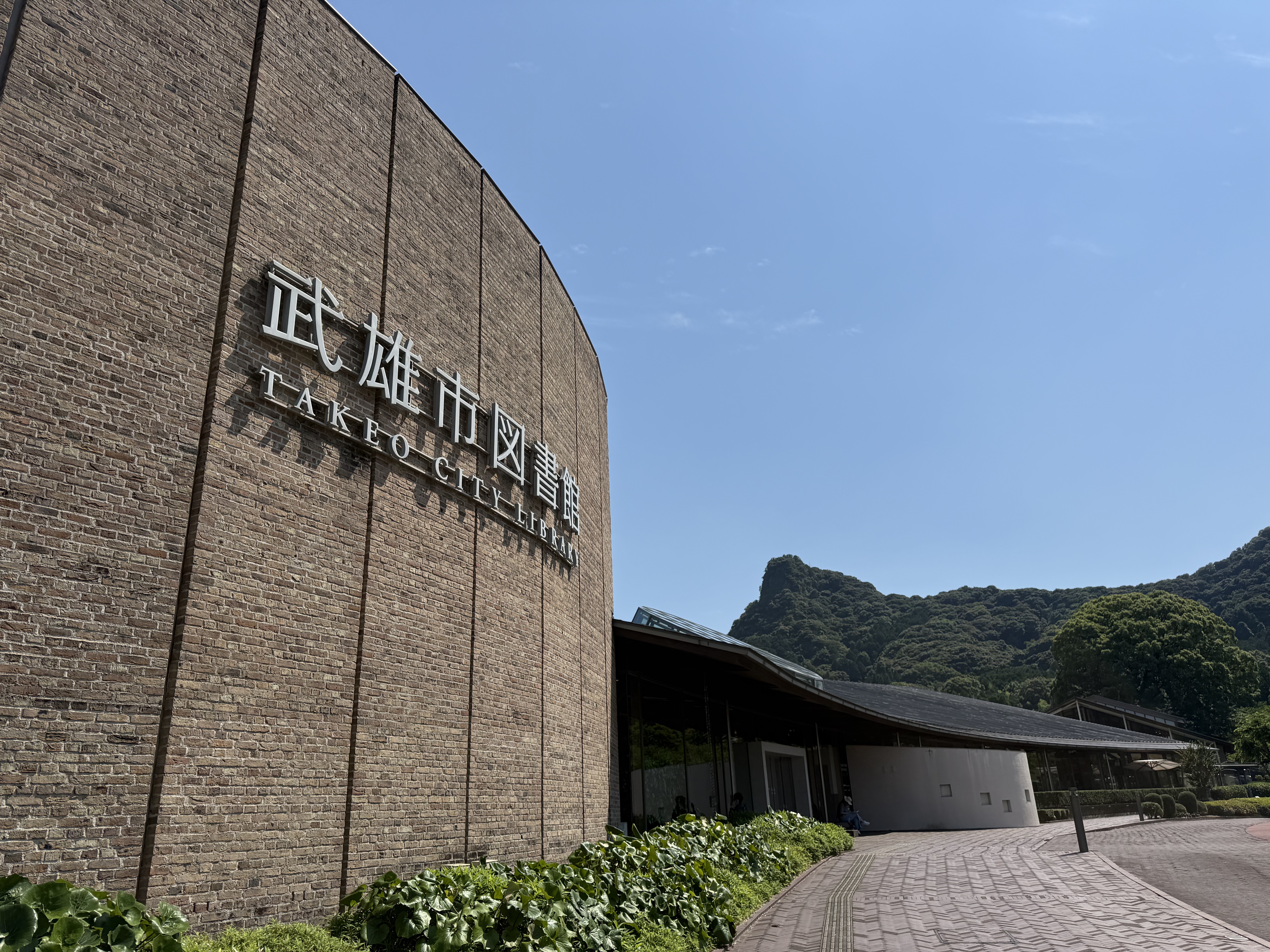
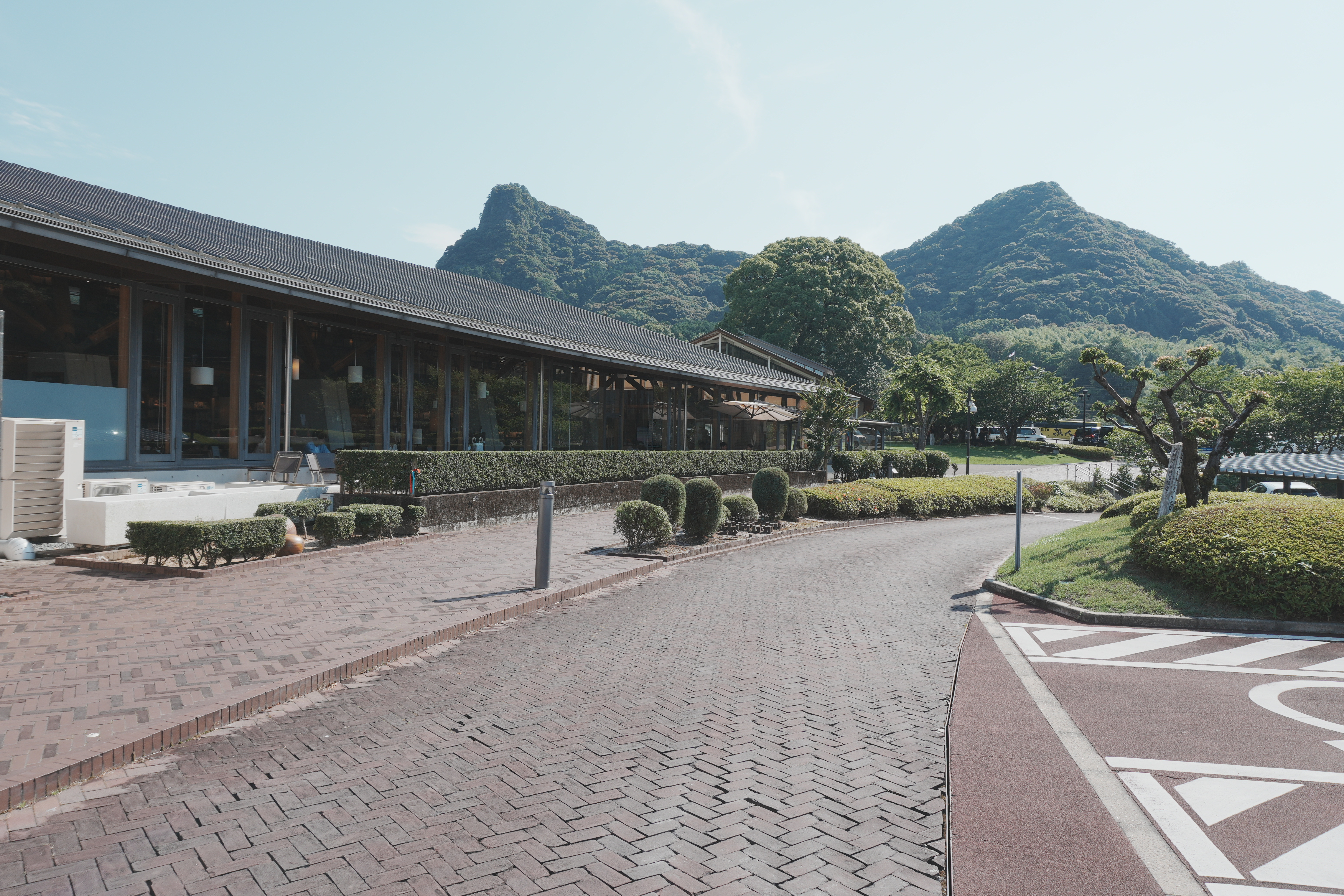
This installment of spot.log turns to Takeo City Library, located in Saga Prefecture, Japan. Libraries are usually thought of only as places to borrow or read books. The one introduced here operates on a different premise. It is not a space reserved for readers alone, but one shaped to welcome visitors who arrive for any number of reasons and find their own way to spend time there. This piece looks at Takeo City Library as an invitation to reconsider what a library can be.
A Library Run by a Bookstore Chain
Takeo City Library traces its origins to 1916, when it opened as the private Kishima Library. It became the town-run Takeo Library in 1930, and took its present name, Takeo City Library, in 1954 following the town's incorporation as a city — a public library with real institutional history behind it. The turning point that made it famous, however, came in 2013, when the city of Takeo handed its operation to Culture Convenience Club (CCC), the company behind the Tsutaya bookstore chain, as part of an effort to revitalize the town.
No public library in Japan had ever been placed under private corporate management before Takeo. It was, by any measure, an unusual and experimental move, and it drew both strong support and strong criticism at the time. Debate over the arrangement has not fully settled even now, with ongoing concerns about the erosion of professional librarianship and the way the collection is acquired.
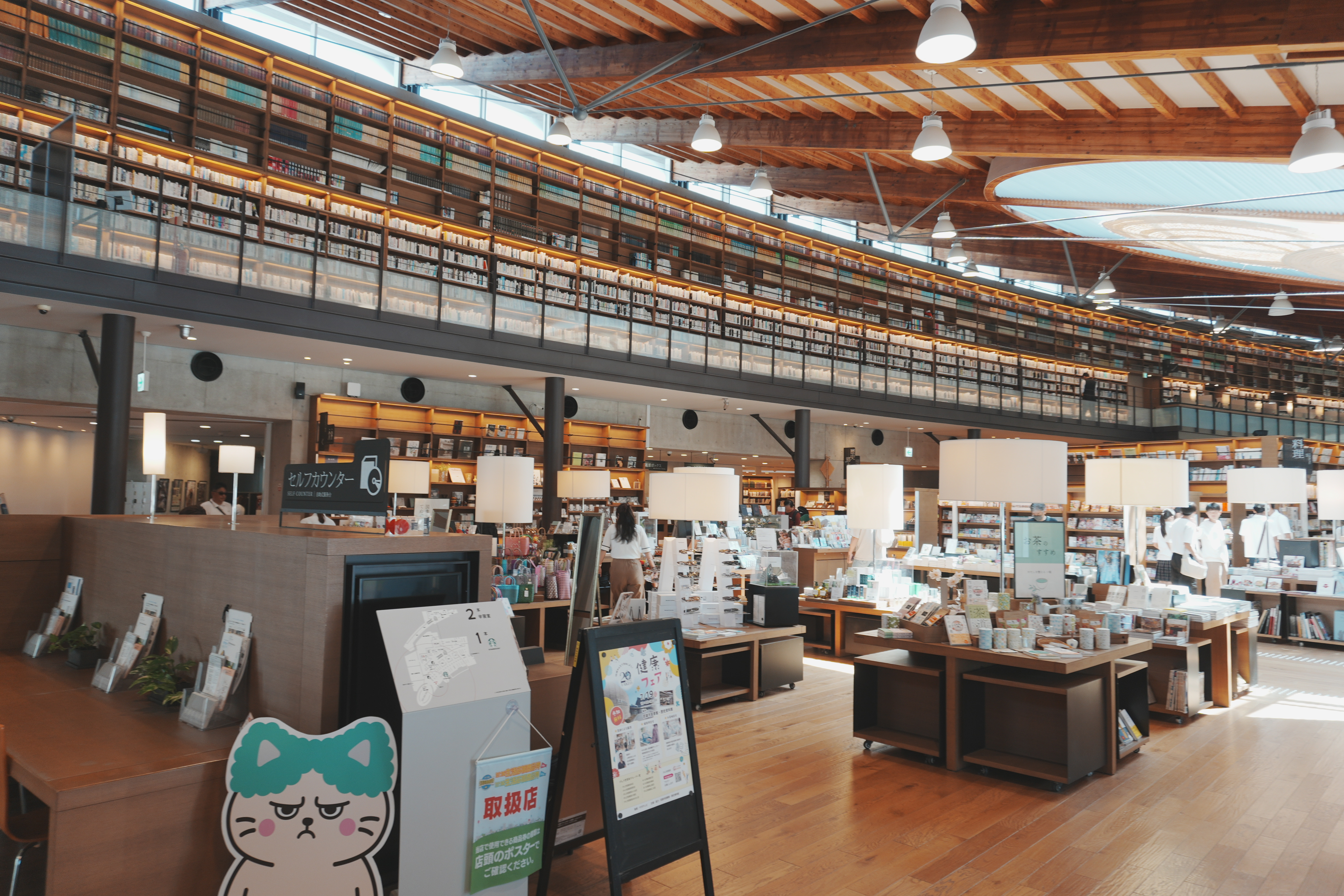
Even so, once CCC took over in 2013, the library adopted operating practices borrowed from Tsutaya bookstores and underwent a full renovation, emerging as an entirely different kind of space. That same year it received a Good Design Award gold prize, drawing wide attention. A Tsutaya bookstore and a Starbucks moved into the first floor, and the library's role expanded well beyond lending and reading — visitors can now purchase books, magazines, and sundries, and the whole building functions almost like a bookshop café.
That transformation has drawn nearly a million visitors a year to a city of just fifty thousand residents. The library has come to serve not only its traditional function but also a real role in revitalizing Takeo as a region. It is, in this writer's assessment, a fitting realization of the library's own stated mission: a library that makes citizens' lives richer.
A Destination for Travelers to Saga Prefecture
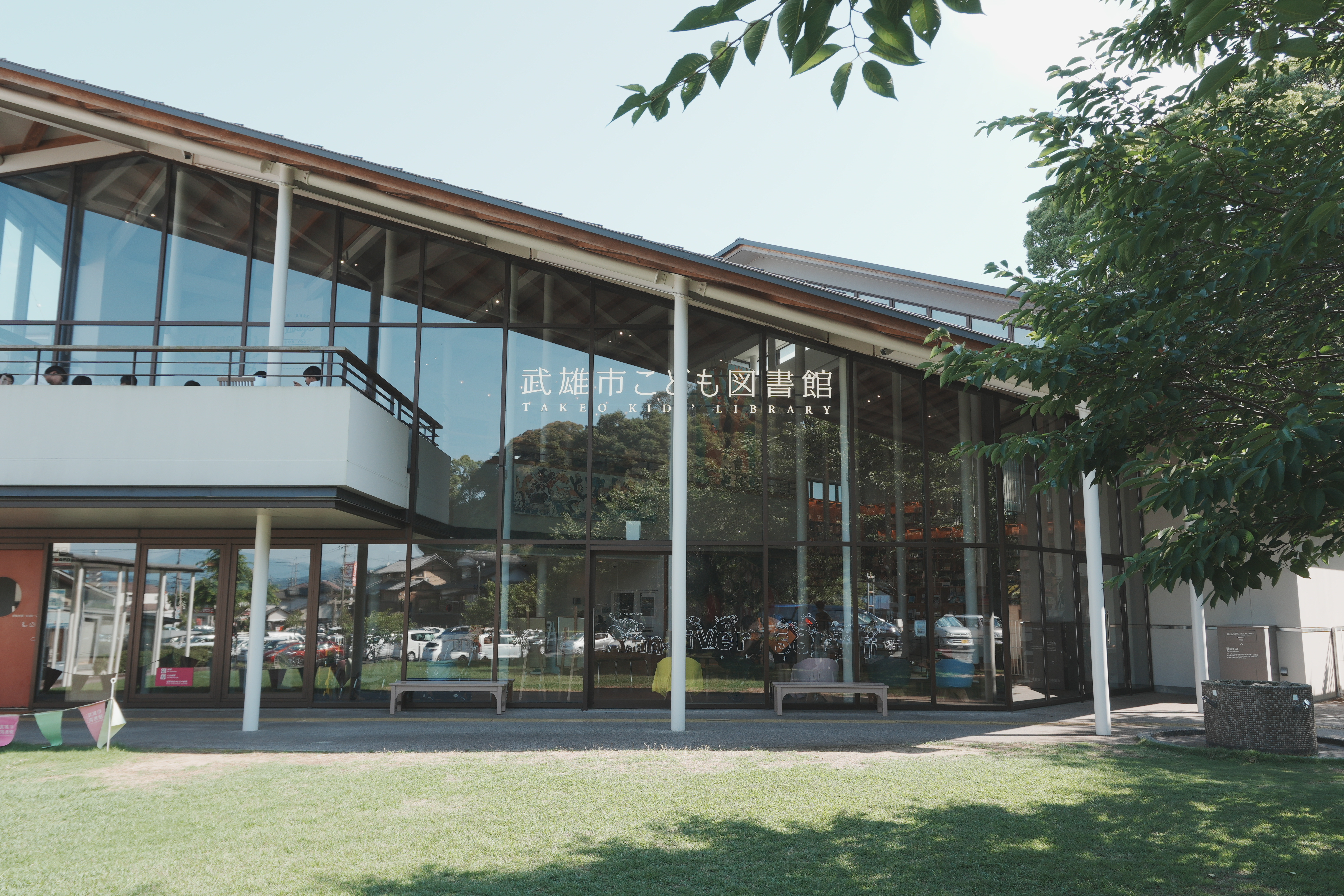
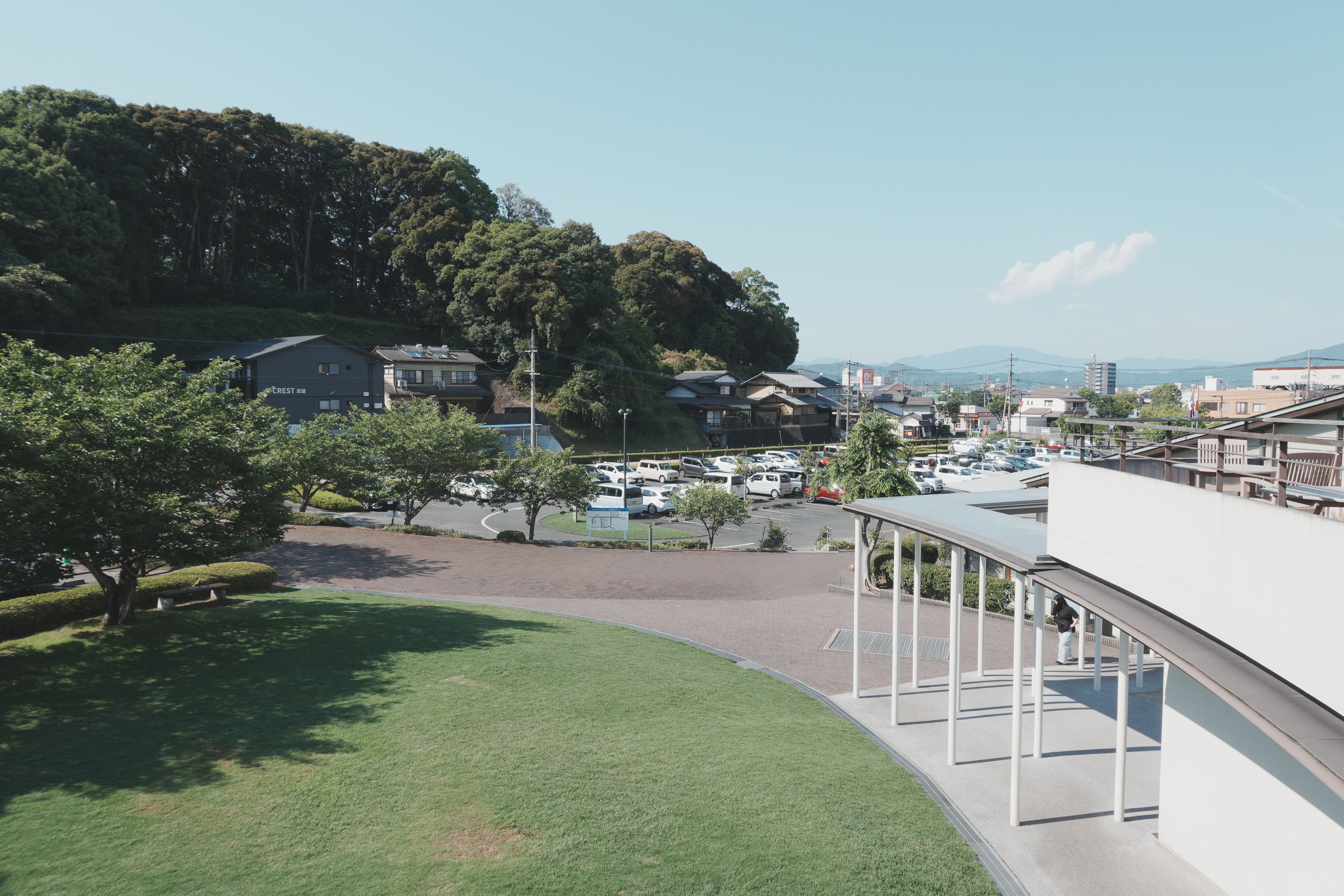
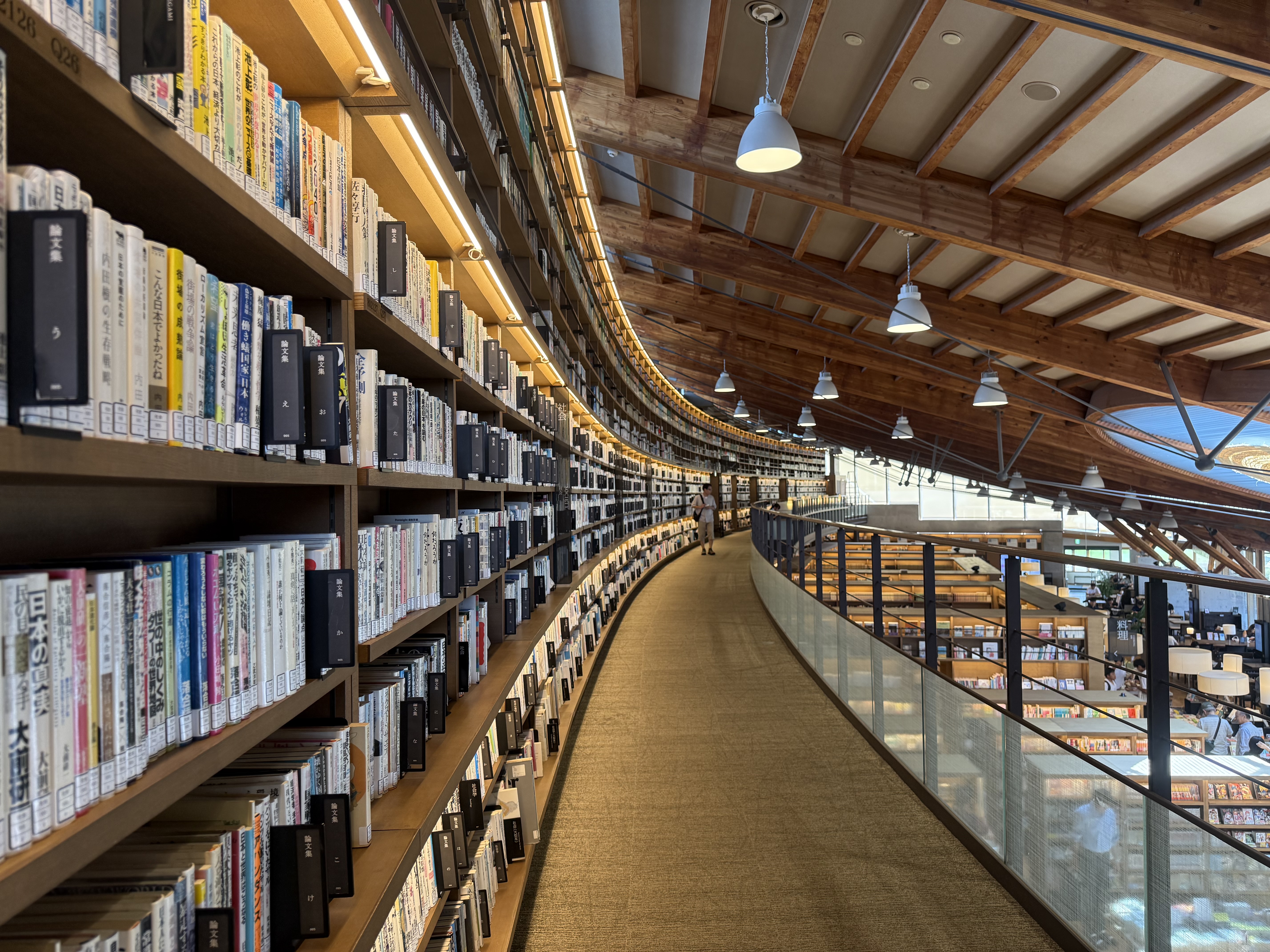
Visitors to Takeo City Library will likely notice a fair number of Korean tourists among the crowd. Their interest traces back to May 31, 2017, when Starfield Library opened inside COEX Mall in Seoul. Shinsegae, the company behind Starfield Library, stated directly that it had modeled the space on Takeo City Library, and that admission drew considerable Korean attention to the original. A visit here makes the resemblance easy to see in more than one corner of the building.
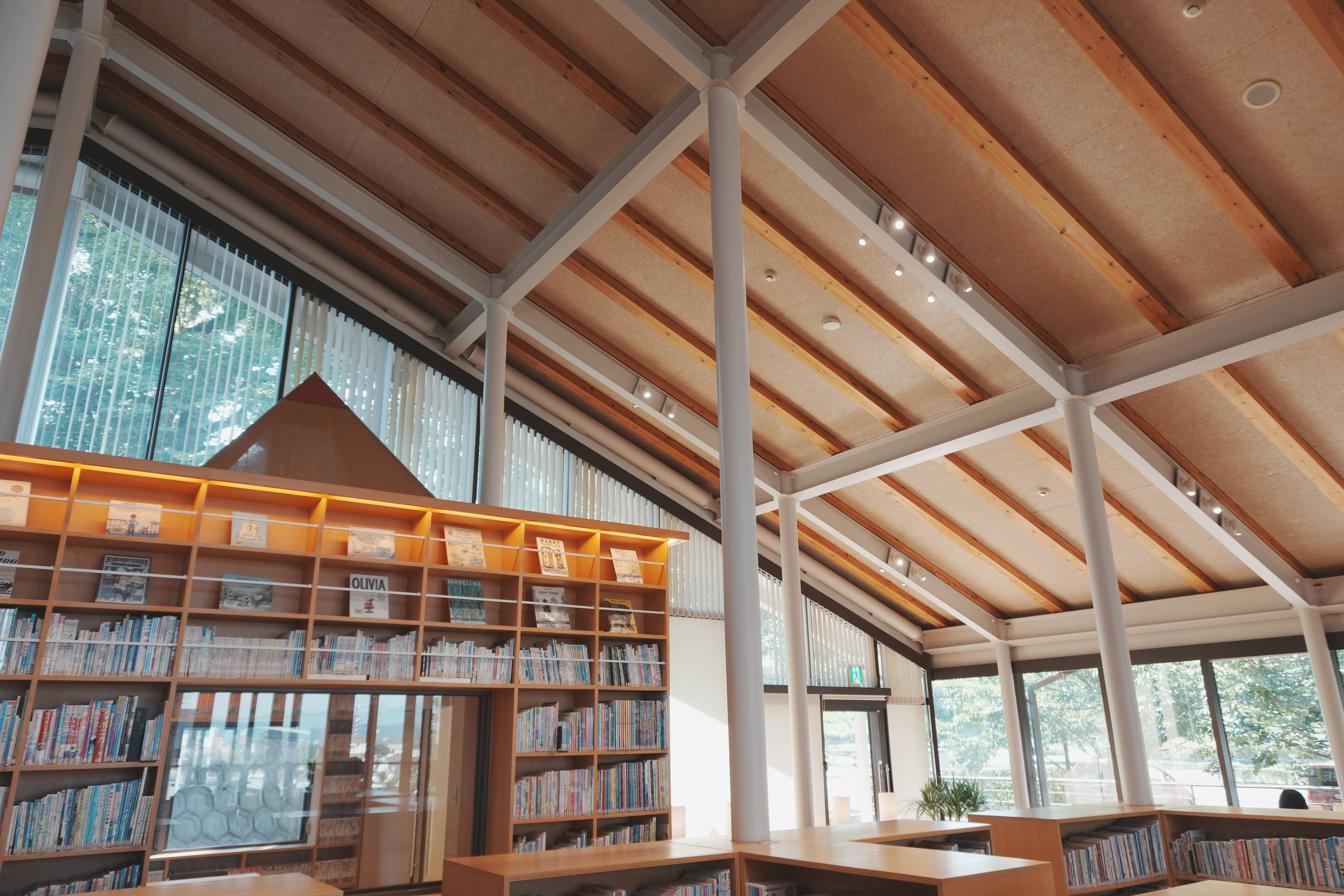
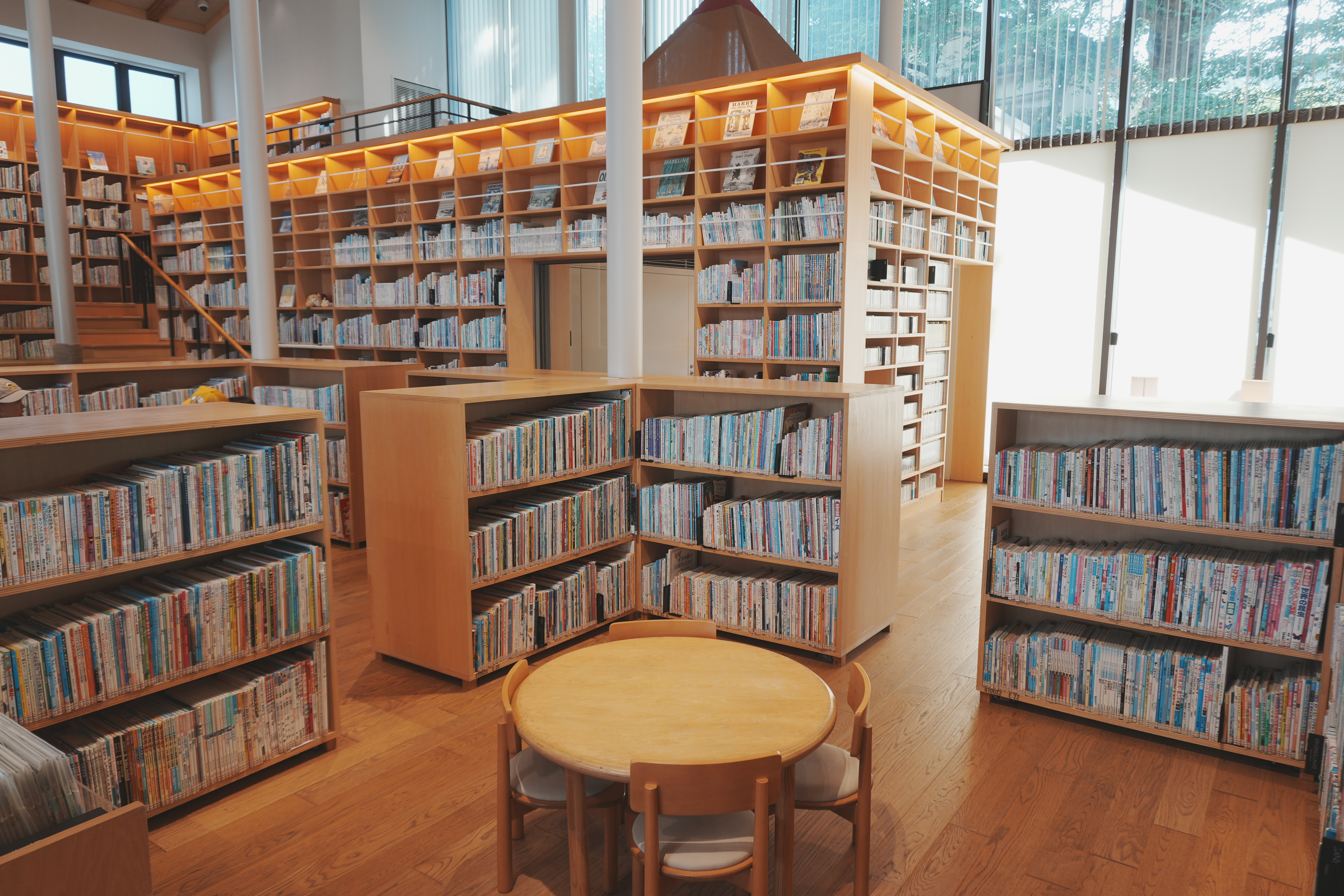
Even set apart from its role as Starfield's inspiration, Takeo City Library is worth the visit on its own terms. Wood is used generously throughout, lending the interior the warmth particular to natural timber, and windows line the ceiling and walls to let daylight fill the space. The result is an interior that feels bright despite being fully enclosed — an easy place to sit and read for a while. The Tsutaya bookstore on the first floor sells magazines and small goods, useful for anyone looking for a travel souvenir, and the in-house Starbucks offers a place to rest with a drink amid the library's particular atmosphere.
A Library Addressing a Shrinking Population
Beside the main building stands the Takeo Children's Library, which opened in 2017 to address the challenges of Japan's declining birthrate and aging population. That decline weighs more heavily on small regional cities than on major urban centers, and one of the sharpest problems it creates is a shortage of facilities built for raising and educating children.
The Children's Library exists to meet exactly that need. A range of programs supporting local families is already underway there. Like the main building, it makes use of wood throughout the interior, floor-to-ceiling windows that let in natural light, and a wide lawn out front — an environment built with children's growth in mind. Low chairs and shelving set to a child's height, a space for reading while lying down, a nursing room, and a room for feeding infants round out a space designed for parents and children to read and rest together.
On a weekday visit, this writer found many local children and parents spending time there, along with students from nearby schools sitting on the terrace to work on assignments or simply spend time with friends.
A Library That Can Revive a Region
This visit to Takeo City Library offers something worth considering for Korean society, where population decline and the concentration of people in the capital region have made regional decline a pressing concern. Takeo City Library has managed to revitalize a small regional city while also providing its children and students with a high standard of educational and childcare support. As noted above, real controversy still surrounds the model, and none of this suggests it should be adopted wholesale. But its capacity to strengthen a regional economy while addressing its educational and childcare needs at the same time is something Takeo City Library demonstrates with real clarity.
Anyone planning a trip to Saga Prefecture would do well to stop by Takeo City Library, a space that is both atmospheric and genuinely unusual. A drink in hand and an unusual interior to take in make for good company while considering the many roles a library can play — the very question at the center of this installment of spot.log.
About Author

faith.log
A journal that connects faith and everyday life. In each small piece of writing, we share the grace of God and the depth of life together.


