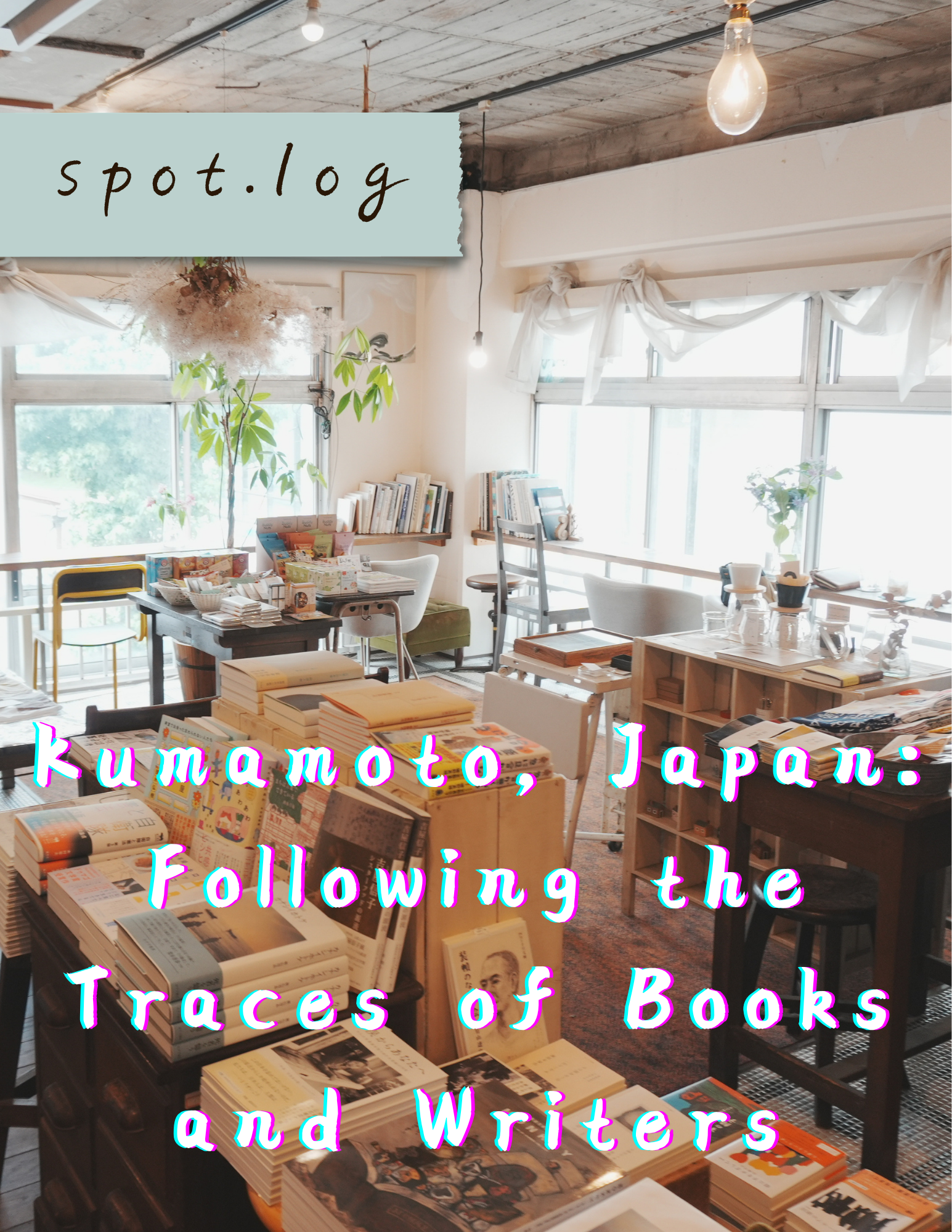
Kumamoto: Following the Traces of Books and Writers
When most people imagine a trip abroad, the mental picture tends to be familiar: landmark sites, a list of restaurants, the kind of café that photographs well. Shopping, of course, is rarely far from the itinerary. There is nothing wrong with any of this — each approach to travel carries its own pleasures. But there are moments when a journey offers something rarer: the chance to encounter a place through literature, to feel the weight of a writer's interior life pressing through the walls of a room. This edition of spot.log is about exactly that kind of travel. Kumamoto, one of Japan's most visited destinations for Korean travelers at the moment, holds two such spaces — and this writer made a point of seeking them out.
A Space Shaped by a Bookseller's Eye: Daidai Bookstore (橙書店)


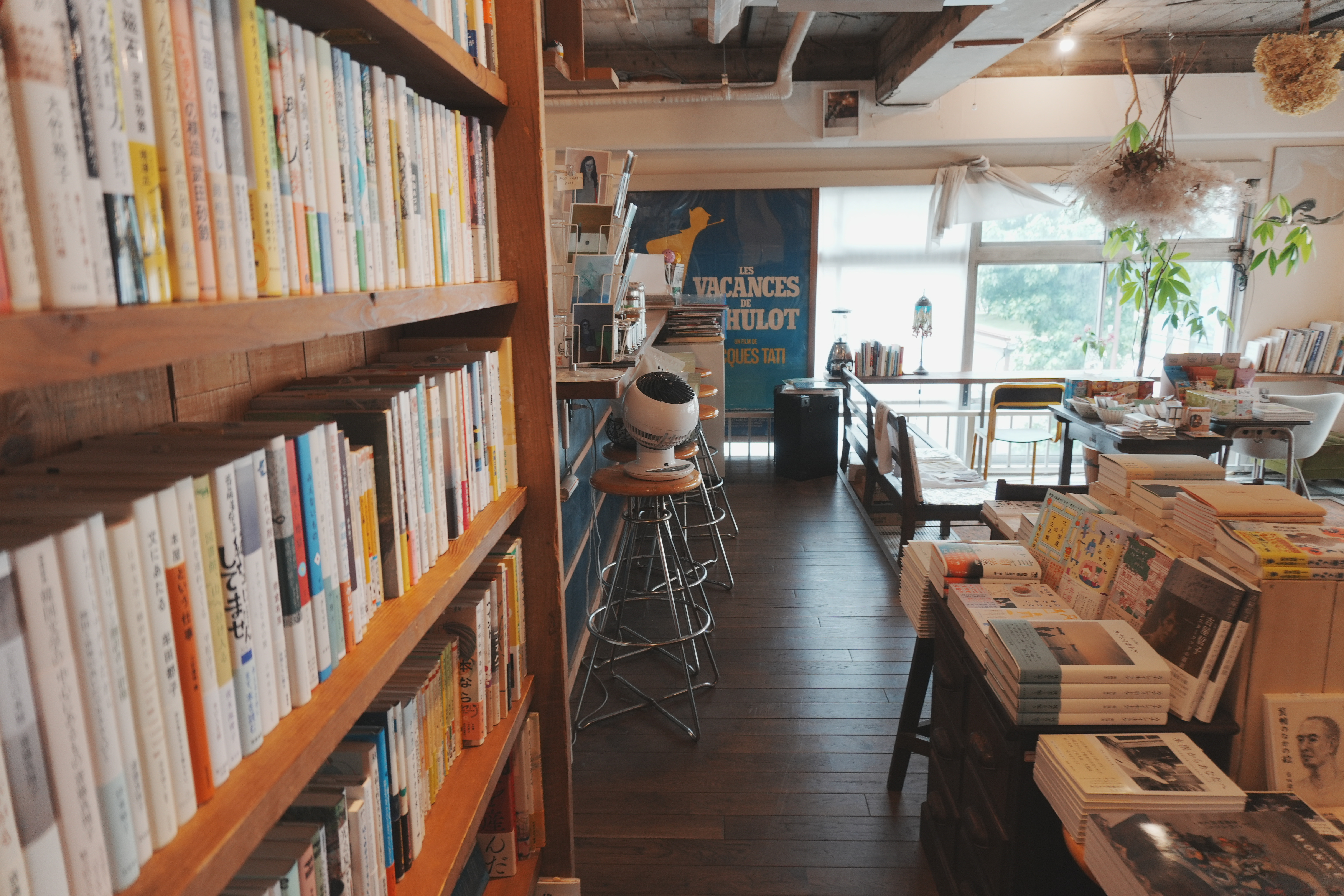
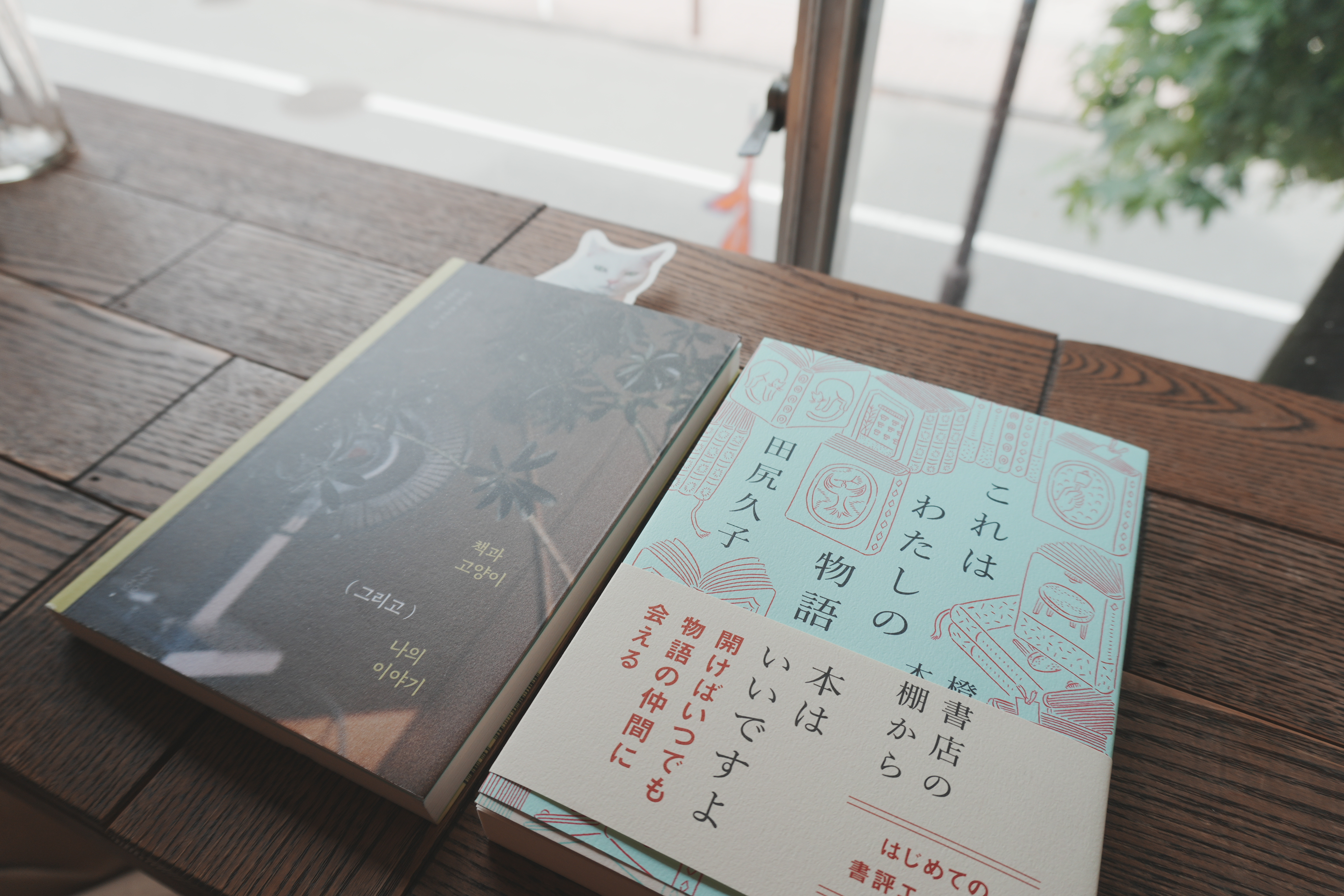
Readers of faith.log will recognize the name Tajiri Hisako from this writer's earlier read.log features on At Daidai Bookstore and Books, Cats, and My Story. Tajiri runs an independent bookshop in central Kumamoto called orange・橙書店 — Daidai Bookstore. Both books draw their material from the life of that shop: the books discovered there, the people who pass through, the slow rhythms of a small literary space. Her writing has a way of weaving together books and life that stays with you long after the pages are done. That, as much as anything, is why this writer wanted to walk through the door in person.
Daidai Bookstore sits in the heart of Kumamoto city, a five-minute walk from Sakuramachi Building. The shop's current address is its second home: after the 2016 Kumamoto earthquake made its original building untenable, Tajiri moved the shop two blocks off the main road. The entrance, painted in a warm shade of orange, announces itself quietly. The color is no accident — daidai (橙) refers to a variety of citrus fruit in Japanese, and the hue of that doorway carries the name out into the street.
The atmosphere begins on the staircase leading to the second floor. Vintage books and posters covering literature and culture line the walls on the way up, giving the ascent the feel of entering a small exhibition. The interior, once reached, is quietly arresting: books packed densely on shelves, the kind of space that slows your footsteps without your noticing. The bookseller's understated greeting only deepens that mood.
What distinguishes an independent bookshop from a chain is, above all, selection — and here the selection reflects a sensibility. Tajiri herself has written about this: her shelves are not comprehensive catalogs but curated choices. Each book feels chosen rather than stocked. Small objects are arranged throughout the space alongside the books, and browsing them becomes a series of minor discoveries.
The shop is not large, but window-side seating allows visitors to sit with a book and a drink, taking their time. Tajiri began her career as a café proprietor before opening the bookshop, and the drinks reflect that heritage — the coffee is genuinely good. Sitting there, watching the city beyond the glass, this writer felt something not easy to name: the particular quiet of a space that has been thought about carefully, where time moves at a different pace than it does outside.
Where a Writer's Unwritten Years Remain: The Natsume Soseki Former Residence (夏目漱石内坪井旧居)
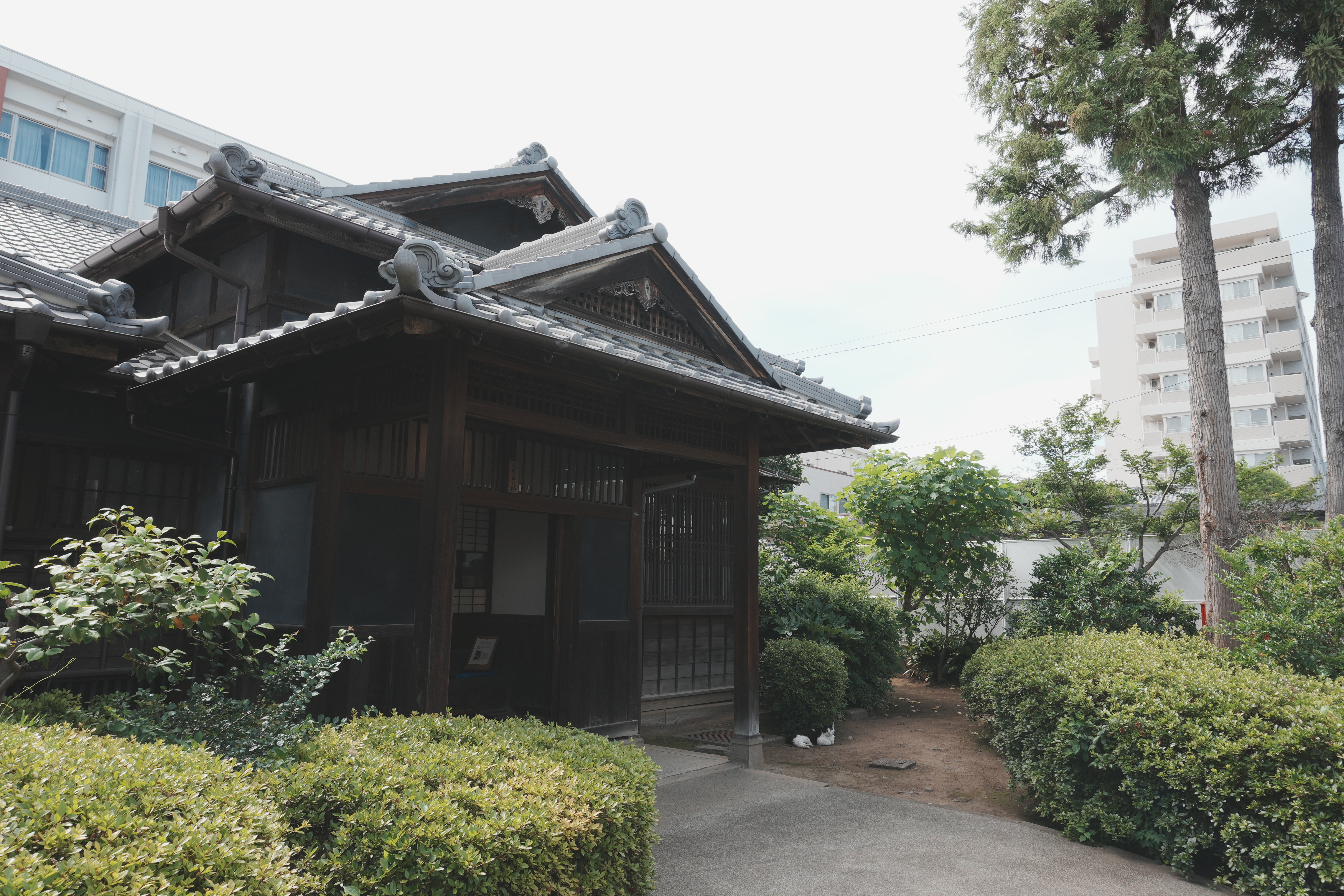
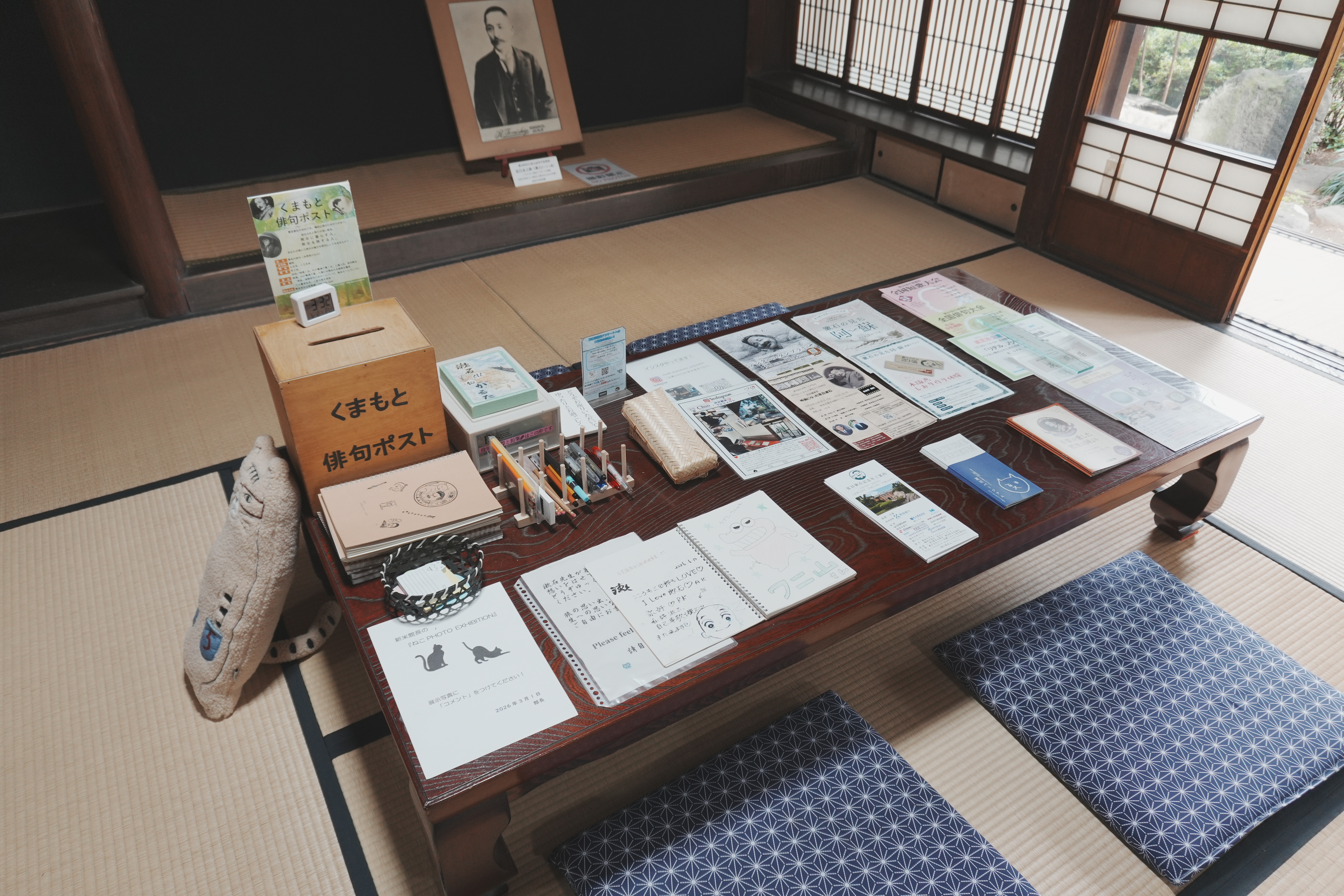
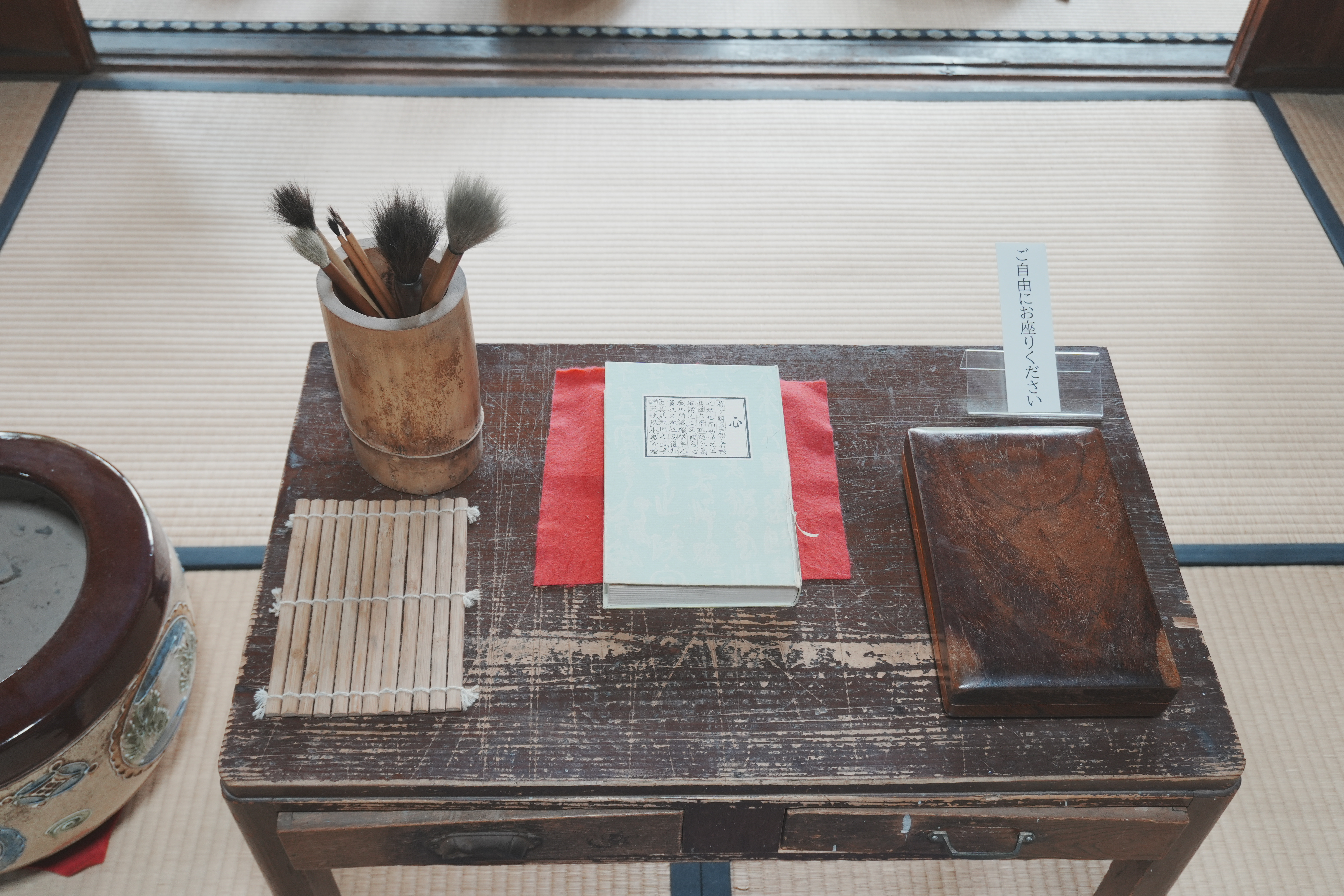
Kumamoto holds another kind of literary space — one tied not to a living bookseller but to the long arc of a writer's formation. The Natsume Soseki Former Residence (夏目漱石内坪井旧居) preserves the house where Soseki, known to most readers through I Am a Cat, lived for one year and eight months during his time in Kumamoto. Worth noting: Soseki had not yet become a novelist when he lived here. He was employed as an English teacher at the Fifth High School, the predecessor to what is now Kumamoto University. The Kumamoto years, however, left their mark on everything that came afterward.
The house has been carefully preserved and opened to the public as a memorial museum. Walking through it, visitors move through the actual rooms where Soseki ate, read, and thought — a proximity to a writer's daily life that no biography quite replicates.
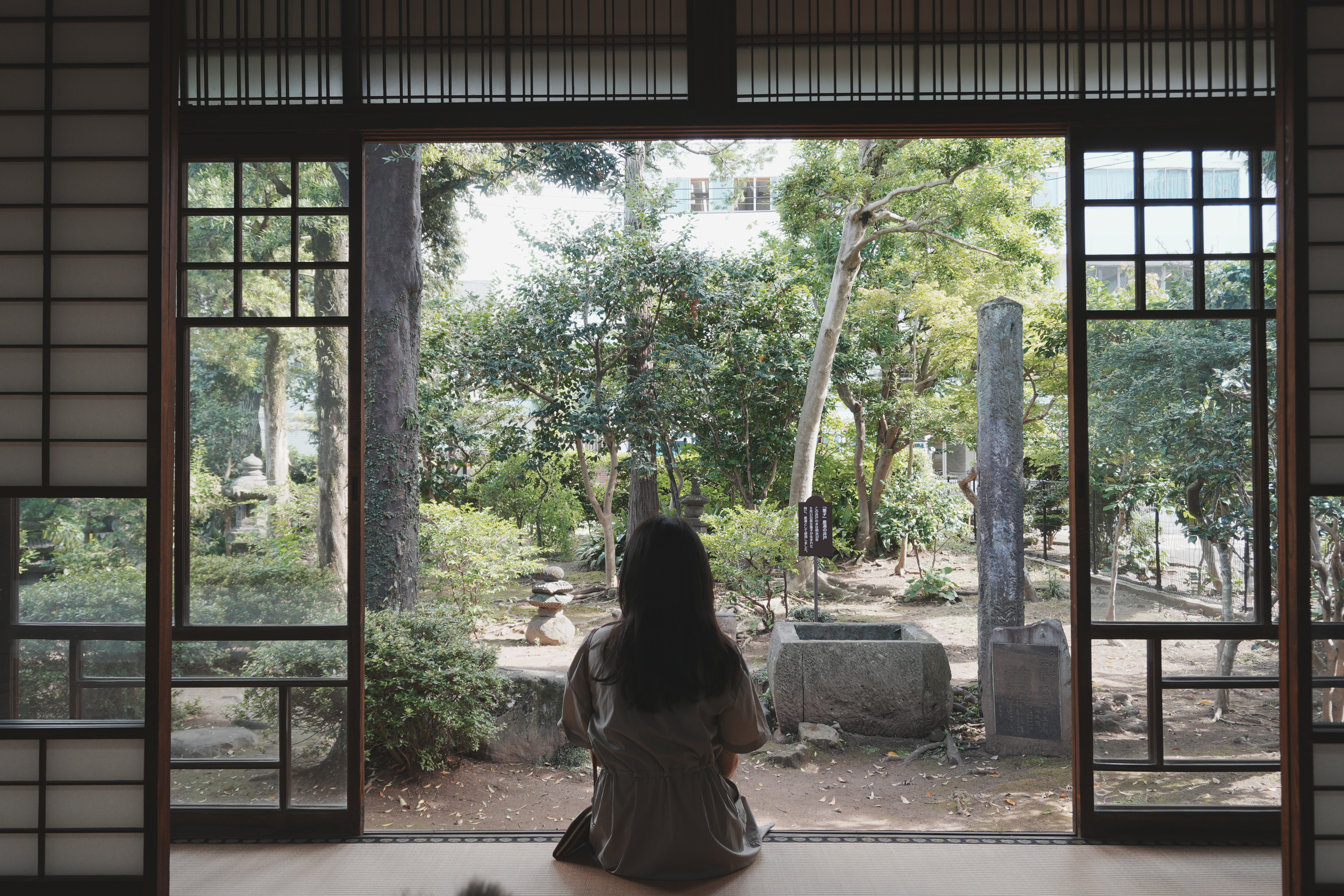
What stays with this writer most is the reconstructed space where Soseki is said to have read and written, facing the garden. Sitting in the same spot, looking out at the same view, holding his work in mind — it is a strange and particular experience, one that collapses the distance between reader and writer in a way that feels almost physical. The sounds of students from nearby schools drifting in through the windows add something further: here is a place where a teacher listened to a city, and a future novelist was quietly taking notes.
Staff are present throughout and are willing to speak at length about Soseki's life and the history of the house. But even setting aside the literary biography, the space earns its visit. The traditional Japanese architecture is beautifully maintained, and the garden, viewed from the interior, carries an unhurried stillness that invites the kind of thought that ordinary life rarely makes room for.
True Rest Comes from Travel That Fills the Soul
Travel is, at its simplest, departure — leaving the familiar in order to encounter something different. But a great deal of contemporary travel is departure in location only. The restaurants we seek, the cafés we photograph, the shots we post — much of it is continuous with what we already do at home, only against a different backdrop.
The two spaces introduced here offer something else. To sit in the room where a writer once sat, or to hold a book in the very shop that inspired it, are not experiences that resolve quickly. They require presence, slowness, and a willingness to let a place speak. That kind of travel, this writer believes, is what genuine rest actually looks like — not the suspension of thought, but its renewal.
About Author

faith.log
A journal that connects faith and everyday life. In each small piece of writing, we share the grace of God and the depth of life together.


