July, 2026 — Stories That Outlast the Heat
July arrives in full. The rains pass; the heat stays. Everyone finds their own way through a Korean summer. But there is another way — to step into a darkened theater, to stand before a gallery wall, to let language and color do what the weather cannot. This month offers four such invitations.
1. 〈David〉 — A King Forged in the Wilderness
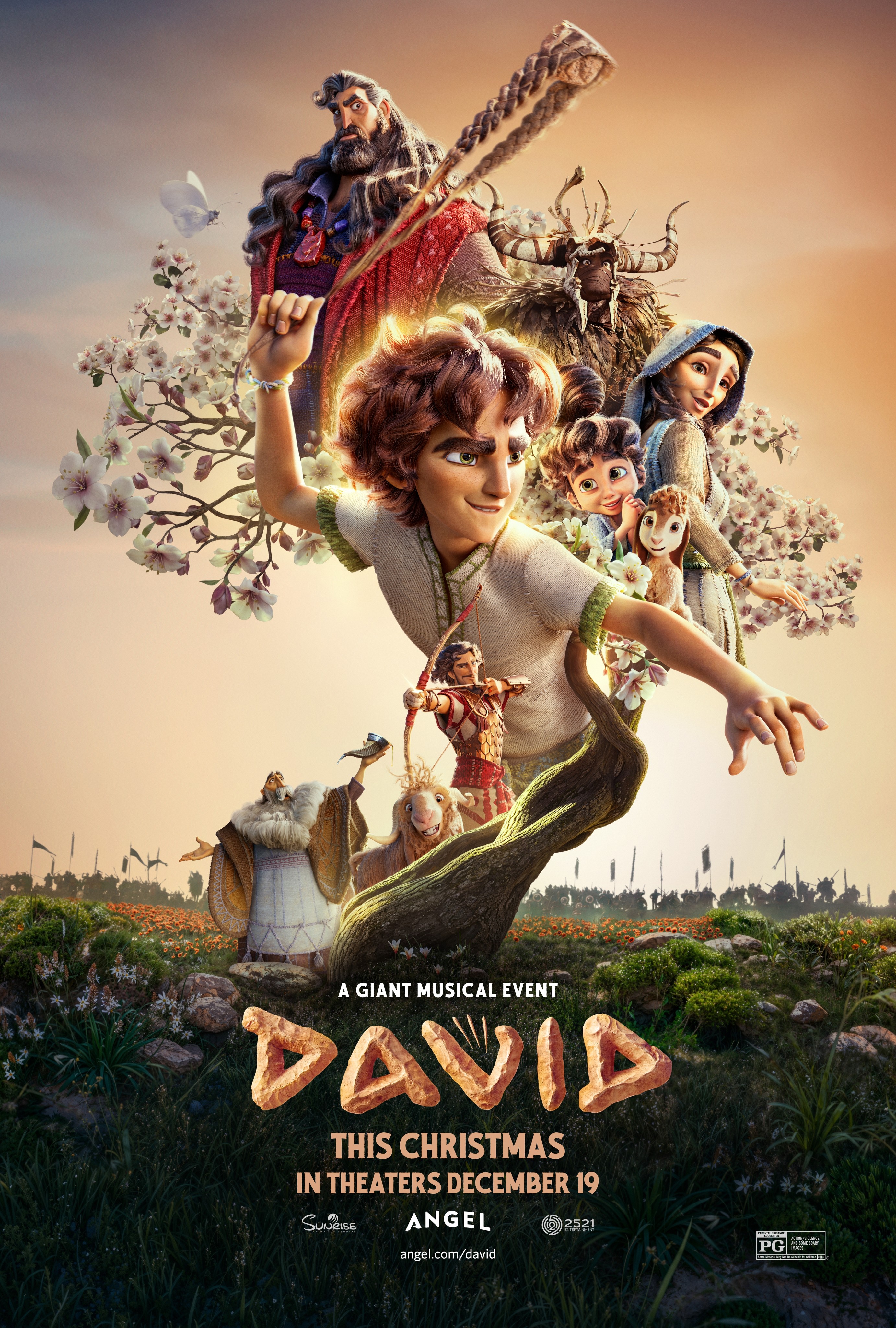
The Bible's account of David has always struck this writer as strange. Victory comes early. What follows is not a throne but a desert. After Goliath falls, there is Saul's spear, a cave, years of waiting that no crowning ceremony could redeem. The story Scripture tells is not one of triumph — it is one of formation.
This animated film chooses to tell that story. Director Phil Cunningham has spoken of carrying the vision for decades — it first took shape, he says, during a canoe trip along Africa's Zambezi River when he was young. What finally arrived on screen is not a hero's reel but a reckoning: from Samuel's anointing to David's establishment as king over Judah, nine songs accompany 109 minutes of a man learning, at great cost, what it means to be a man after God's own heart. For those walking their own wilderness this summer, the theater may be more sanctuary than cinema.
<Screening Information>
- Director: Phil Cunningham, Brent Dawes
- Release: July 10, 2026
- Distributor: Lotte Entertainment
- Rating: All Ages
- Runtime: 109 min.
2. 〈Stories of Biblical Plants〉 — The Word, Made to Bloom
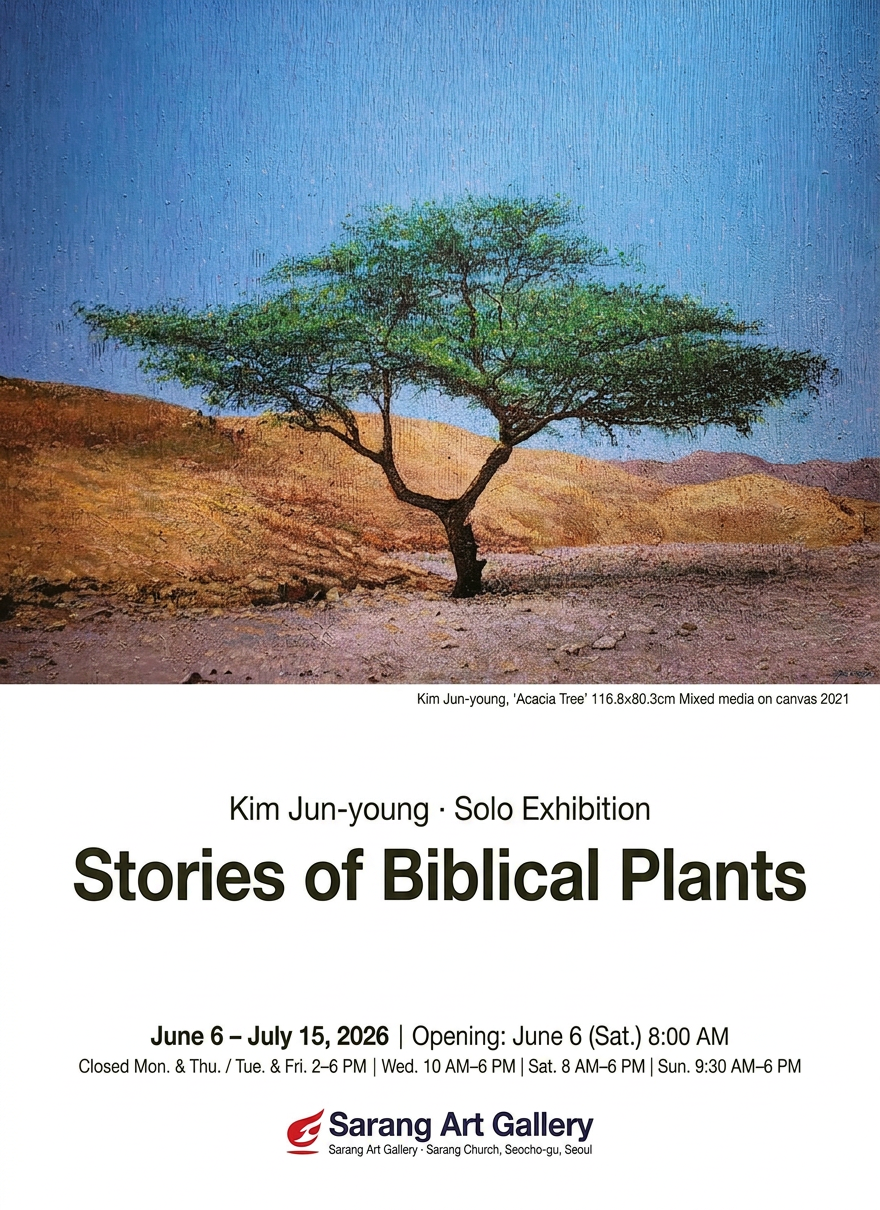
Scripture's botanical vocabulary is richer than most readers notice. Elijah collapses beneath a broom tree. Jesus prays among the olive trees on the Mount of Olives. The hyssop that purifies in Psalm 51 reappears at the foot of the cross in John 19. The plants of the Bible are not backdrop — they are language.
Artist Kim Jun-young has spent over two decades attending to that language. Since 2004, he has made repeated research trips to Neot Kedumim, Israel's Biblical Landscape Reserve, studying the plants woven through the Old and New Testaments. The distinctive texture of his paintings — thick medium drawn downward in vertical strokes — is, he says, his attempt to render grace descending. These are not botanical illustrations. They are visual meditations on the Word.
The exhibition closes July 15. Those who wish to attend should plan accordingly.
<Exhibition Information>
- Venue: Sarang Art Gallery, Sarang Church — Seocho-gu, Seoul
- Dates: June 6 – July 15, 2026
- Hours: Tue. & Fri. 2:00–6:00 PM / Wed. 10:00 AM–6:00 PM / Sat. 8:00 AM–6:00 PM / Sun. 9:30 AM–6:00 PM
3. 〈The Handwriting Shop: Your Script, Your Taste〉 — On the Reasons We Still Write by Hand
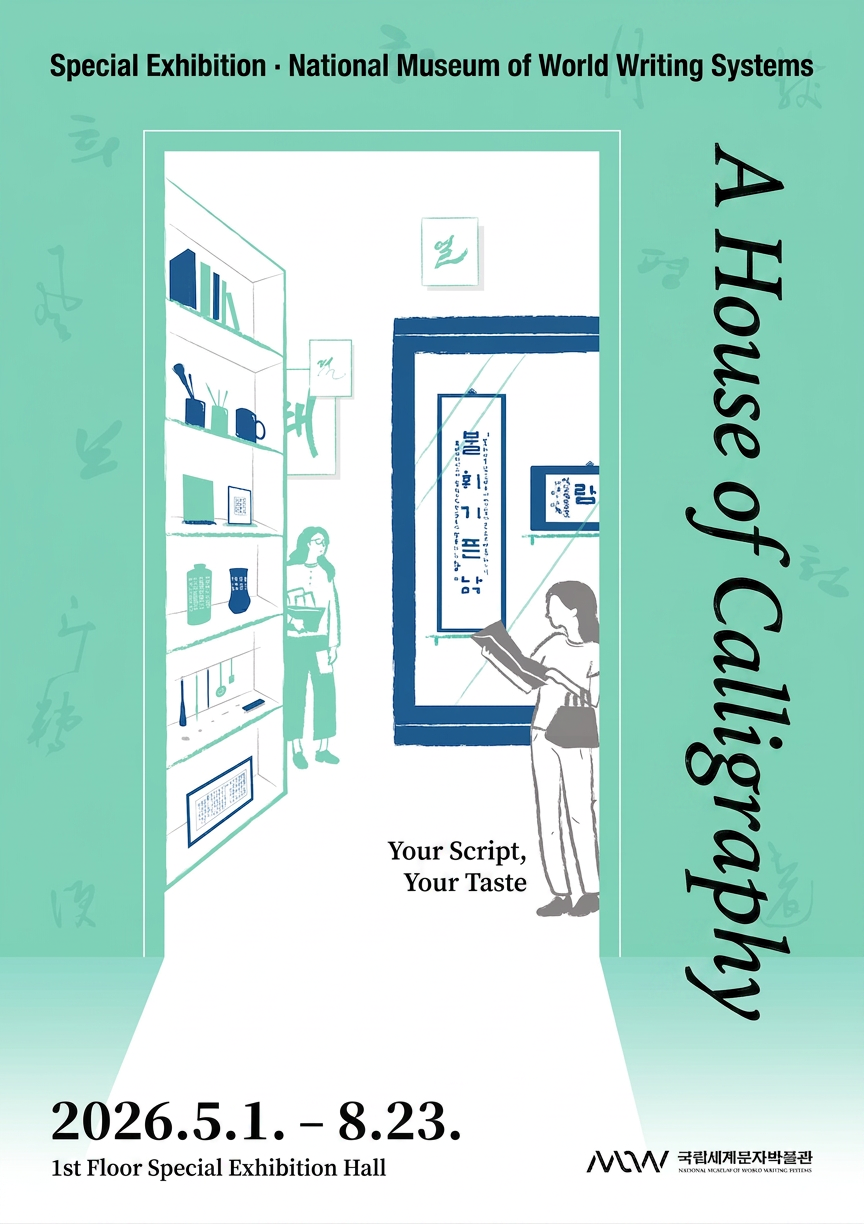
We type now. We dictate. We prompt. Handwriting has retreated to the ceremonial — the thank-you note, the wedding card, the signature on a lease. And yet the National Museum of World Writing Systems has devoted its current special exhibition to the pen, the page, and the person behind both.
The question it poses is deceptively simple: Is your handwriting still yours? In an age when most written expression is indistinguishable by its author, the exhibition reads handwriting as a form of personal identity — a signature in the fullest sense. For those who care about the relationship between language and the self, the trip to Songdo is worth making. A companion thematic exhibition, 〈The Collector's House〉, and an ongoing handwriting competition are running alongside.
<Exhibition Information>
- Venue: National Museum of World Writing Systems — Yeonsu-gu, Incheon
- Dates: May 1 – August 23, 2026
- Admission: ₩23,000 (adult) / ₩18,000 (youth and children)
- Hours: Tue.–Sun. 10:00 AM–6:00 PM
4. 〈The Sleep of Reason Produces Monsters〉 — Korea's First Solo Exhibition of Goya
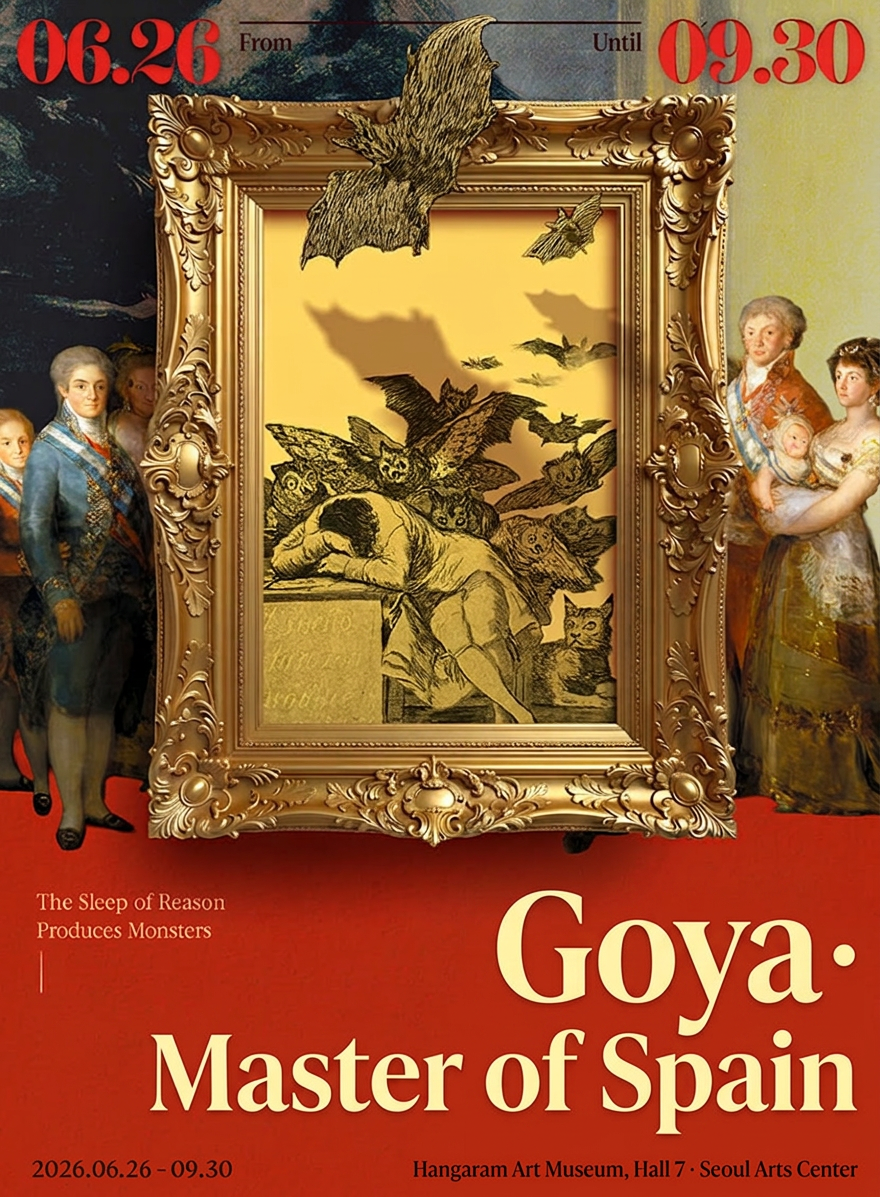
Francisco Goya (1746–1828) spent the better part of his career painting kings and courtiers. He was good at it — celebrated, well-paid, indispensable. Then, in the last decade of his life, he went deaf, withdrew from public life, and began covering the walls of his own house with images no one had commissioned and no one was meant to see. Saturn devouring his son. A witches' sabbath. A giant half-buried in earth. He called the room where he worked the Quinta del Sordo — the House of the Deaf Man.
Korea's first solo exhibition of Goya opens this summer at the Seoul Arts Center. Its centerpiece is the complete eighty-plate series of Los Caprichos — satirical etchings aimed at the superstitions, corruption, and vanity of late-eighteenth-century Spanish society — on public display in Korea for the first time. The print that gives this exhibition its name depicts a man slumped over a desk, asleep, while owls and bats close in from behind. Goya's caption: The sleep of reason produces monsters. It was his most urgent warning. It has not aged.
<Event Information>
- Venue: Hangaram Art Museum, Hall 7, Seoul Arts Center — Seocho-gu, Seoul
- Dates: June 26 – September 30, 2026
- Hours: Tue.–Sun. 10:00 AM–7:00 PM
- Admission: Adults ₩20,000 / Youth & Children ₩16,000
In Closing
A shepherd who waited for a kingdom across the wilderness. A painter who filled his canvases with Scripture's living things. A museum that asks whether a person still lives in their own handwriting. A deaf artist who kept working in the dark. Each has opened a door this summer, and none of them are asking for very much — only that we stop, step in, and stay a while. That, it turns out, may be enough of a summer.
About Author
faith.log
A journal that connects faith and everyday life. In each small piece of writing, we share the grace of God and the depth of life together.


